

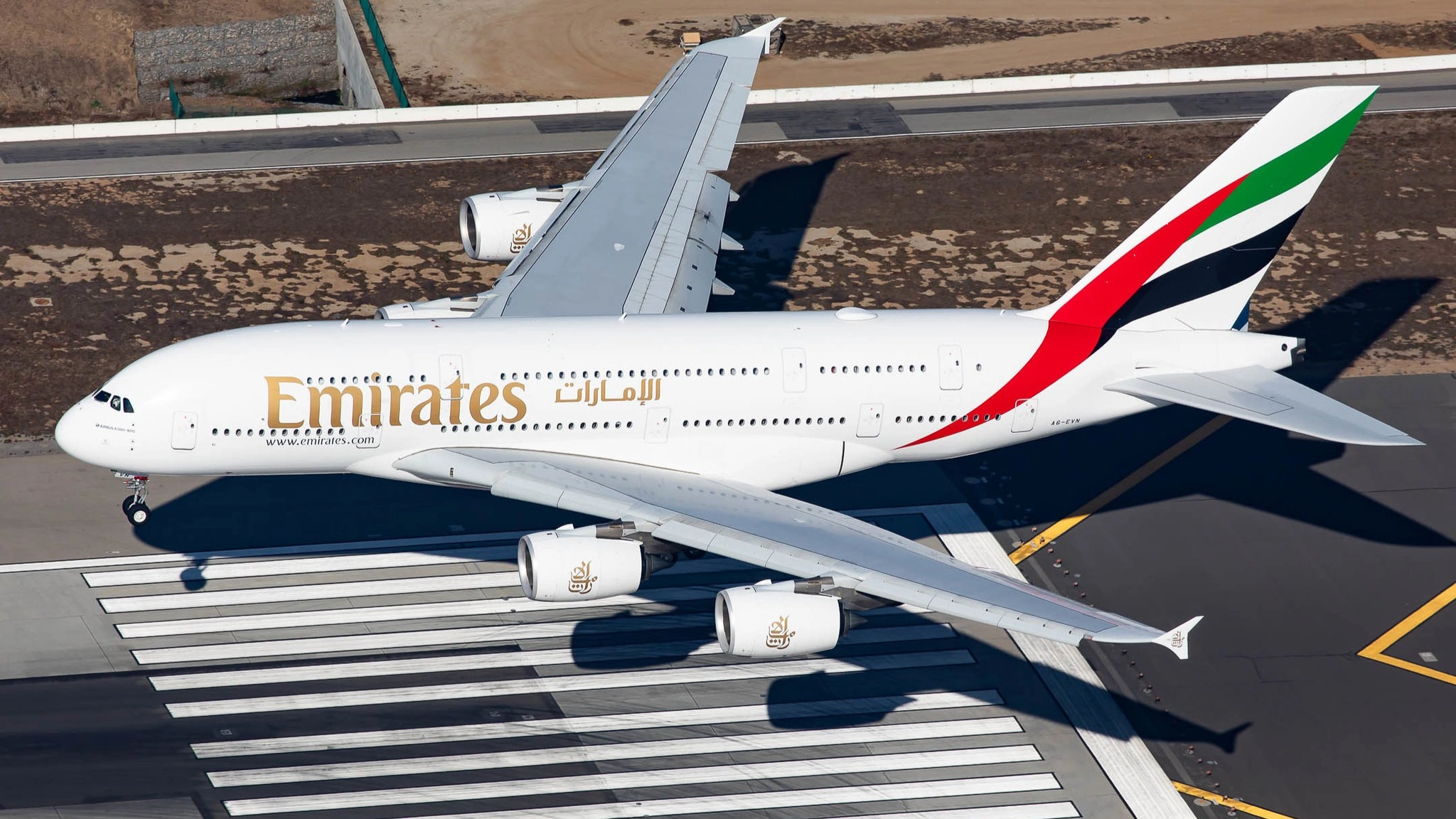
COLOGNE— The European Union Aviation Safety Agency (EASA) has ordered urgent inspections on 16 Airbus A380 aircraft after cracks were discovered in critical wing structural components, raising fresh attention to long-term maintenance requirements for the world’s largest passenger jet.
The directive, issued on June 22 and effective from June 24, affects aircraft operated by Emirates (EK) and Qantas (QF).
The emergency action requires immediate inspections on five Emirates aircraft before further flight, while the remaining 11 aircraft must undergo checks within 25 flight cycles.
Regulators stated that the identified cracks could reduce wing structural integrity if left unaddressed, prompting Airbus to introduce additional inspection procedures focused on the wing mid-spar structure.
A380 Inspection Order After Wing Cracks
EASA’s latest directive follows an analysis of inspection data collected under earlier airworthiness requirements.
Engineers identified cracking within the wing mid spars, a key structural element inside the wing box responsible for distributing aerodynamic and operational loads throughout the aircraft.
Airbus has instructed operators to conduct detailed inspections using approved procedures and submit findings within seven days. Aircraft found with discrepancies must undergo repairs before returning to commercial service. Aerospace Global News reported.
EASA also indicated that further regulatory measures could be introduced once inspection results are reviewed.
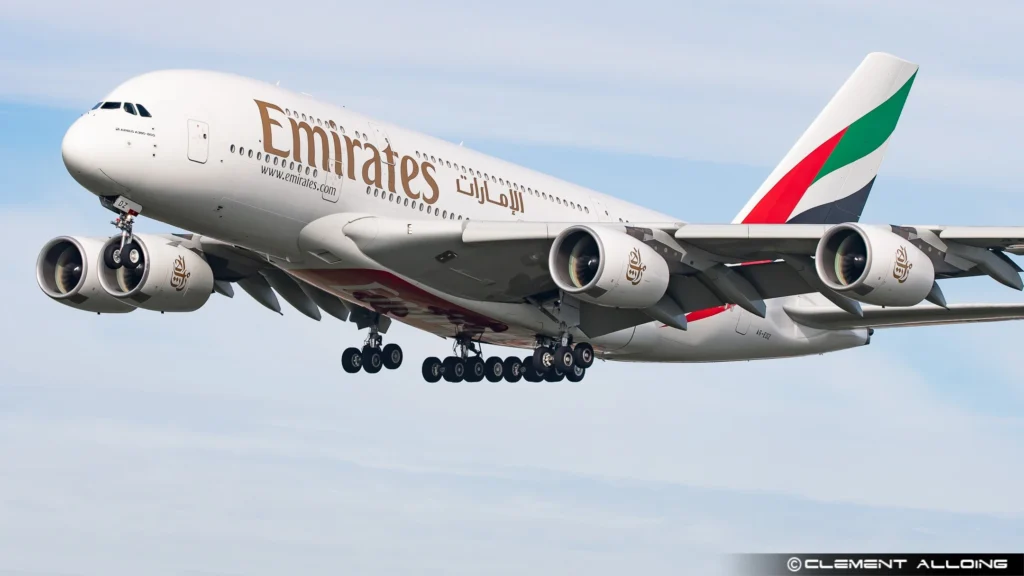
Of the 16 aircraft covered by the directive, 15 belong to Emirates, the largest Airbus A380 operator worldwide.
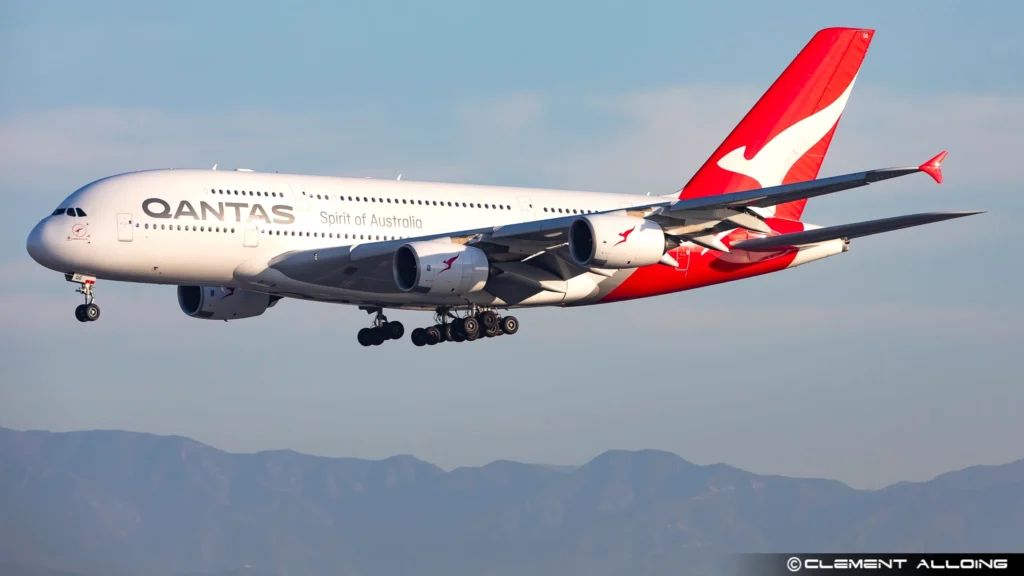
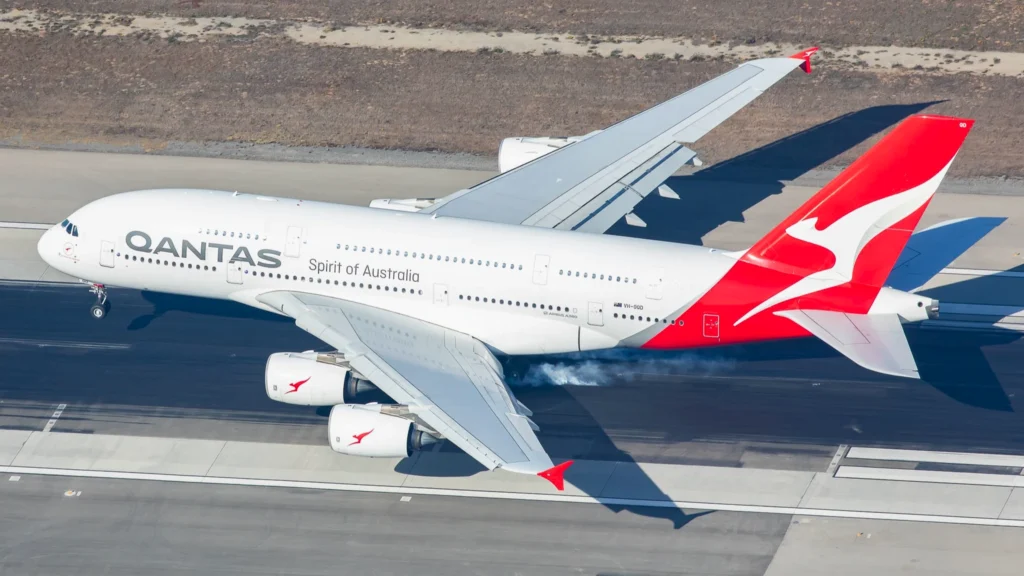
The remaining aircraft is a Qantas A380, registered as VH-OQI, which is currently undergoing scheduled heavy maintenance in Dresden, Germany. Qantas stated that the directive will not affect its operational schedule.
Impact On A380 Operators
The concentration of affected aircraft within two operators is expected to limit any immediate impact on global airline capacity. However, the inspections add another layer of maintenance activity for airlines operating ageing A380 fleets.
Emirates operates more than 100 A380 aircraft and remains the backbone of the type’s global operations. EASA has authorized limited ferry flights without passengers, allowing aircraft to be repositioned to maintenance facilities where inspections can be completed.
While regulators have not grounded the entire A380 fleet, the directive highlights the increasing engineering demands associated with maintaining large, long-serving aircraft.
Industry observers will closely monitor inspection outcomes to determine whether the issue is isolated or indicative of a broader trend.
Ageing Fleet Challenges For A380 Operators
The Airbus A380 entered commercial service in 2007 and remains the largest passenger aircraft ever built. Airbus delivered 251 aircraft before ending production in 2021, though the manufacturer continues to provide long-term technical and maintenance support for operators.
The aircraft has previously undergone several structural inspection campaigns. In 2012, regulators ordered fleet-wide checks after cracks were discovered in wing rib feet.
Later inspections focused on outer rear spars and other wing components as aircraft accumulated flight hours and experienced extended storage periods during the pandemic.
The current directive differs because it focuses on wing mid spars rather than previously inspected areas. As the A380 fleet continues to age, Airbus and regulators are refining maintenance programs using new operational and structural data.
The results of the latest inspections will help determine whether additional action is necessary across the global A380 fleet.
Stay tuned with us. Further, follow us on social media for the latest updates.
Join us on Telegram Group for the Latest Aviation Updates. Subsequently, follow us on Google News
