

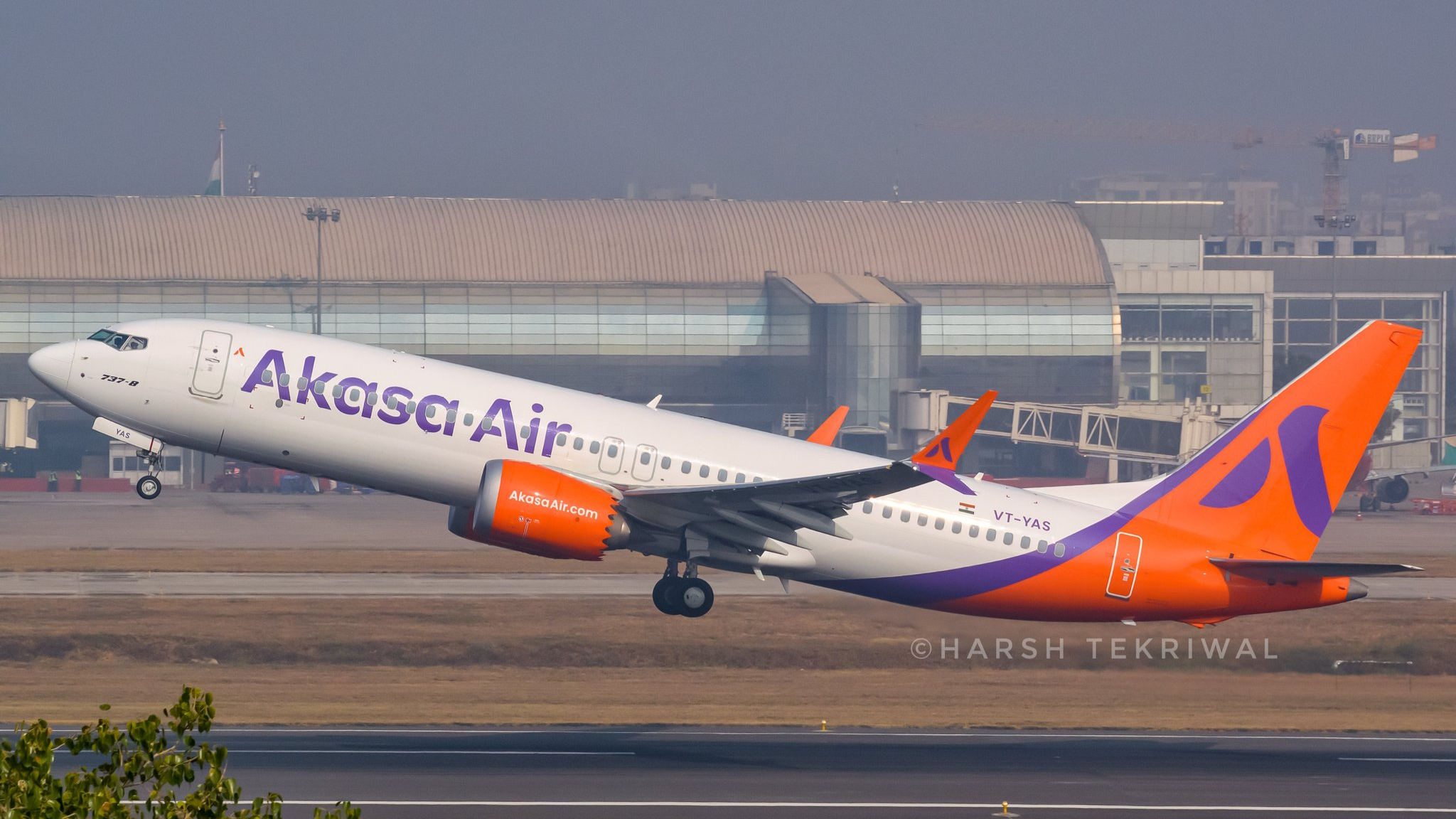
MUMBAI- Akasa Air (QP), India’s third-largest airline, is deploying aircraft idled by ongoing West Asia route suspensions on Hajj charter and scheduled services to Jeddah (JED), Saudi Arabia, capitalizing on a concentrated surge in pilgrim travel demand.
The move is a short-term strategy to sustain fleet utilization while key Gulf routes remain grounded.
Hajj 2026 travel to Mecca began in April, with the first pilgrim flights landing in Jeddah (JED) on April 18. Reported by Livemint, the arrival window runs through May 21, ahead of the main Hajj rituals scheduled for May 25 to 29.
Akasa Air Redirects Grounded Fleet to Hajj Routes
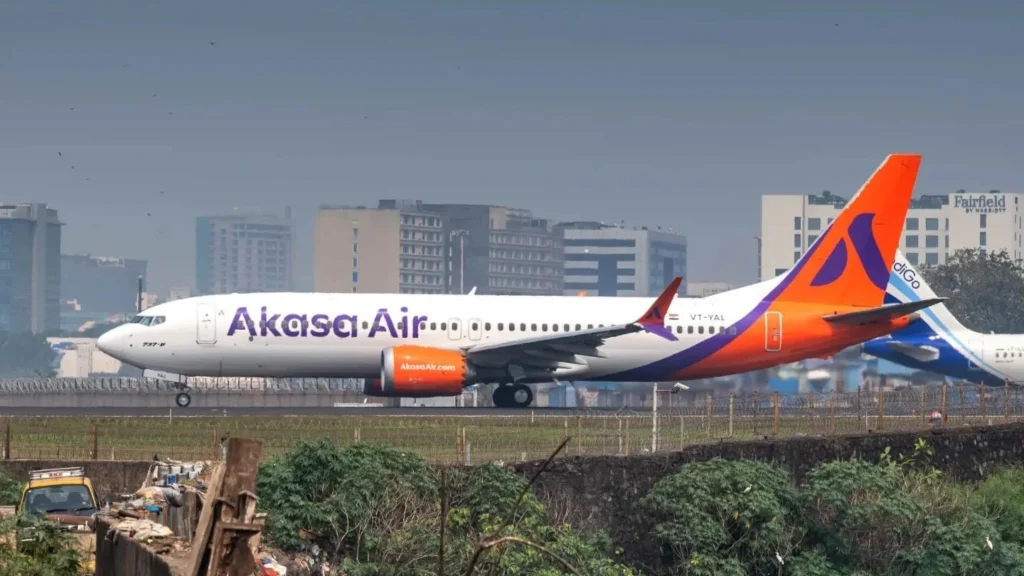
Approximately 5 to 6 aircraft are being used for Hajj travel. Akasa Air has suspended services to Doha (DOH), Riyadh (RUH), and Kuwait City (KWI) as geopolitical tensions continue to disrupt Gulf airspace.
While flights to Doha, Riyadh, and Kuwait remain suspended, Akasa Air continues to operate flights to Jeddah (JED) from Ahmedabad (AMD), Bengaluru (BLR), Mumbai (BOM), Kochi (COK), and Kozhikode (CCJ), making these corridors the natural outlet for its stranded fleet capacity.
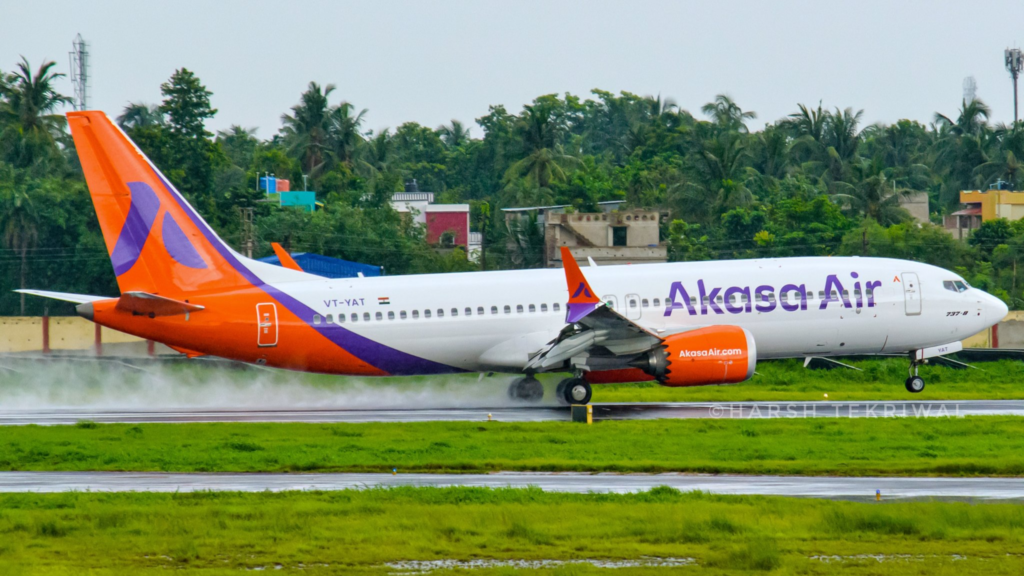
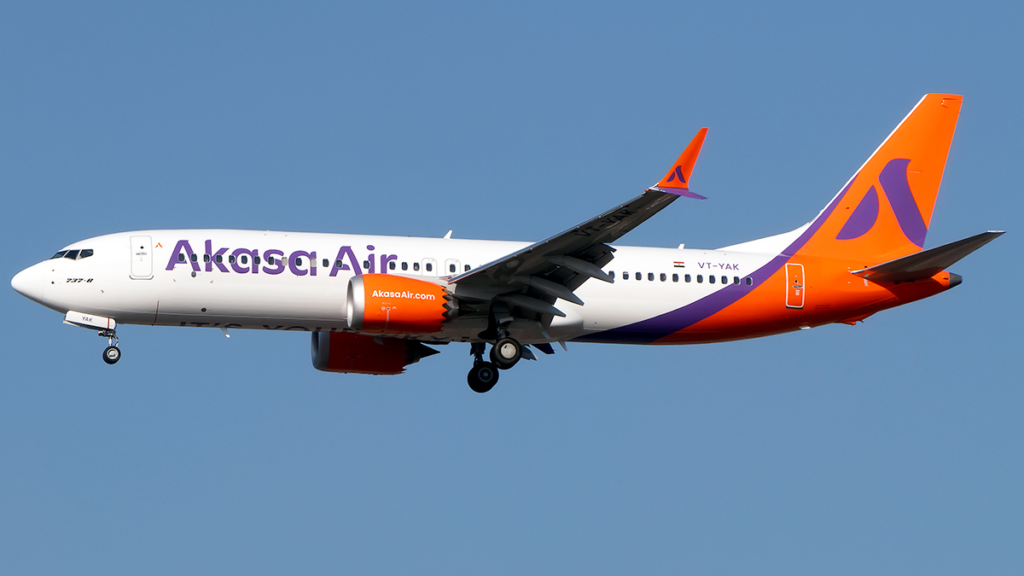
The Kozhikode (CCJ) to Jeddah (JED) route, Akasa’s newest, was launched in March 2026 specifically to serve Hajj pilgrims, Umrah devotees, and the large expatriate community in Kerala. All routes operate on Akasa Air’s Boeing 737 MAX 8 fleet.
A Practical but Temporary Fix, Say Experts
Aviation analysts acknowledge the logic of the redeployment but caution against treating it as a long-term solution.
Ashish Chhawchharia, partner and aviation industry leader at Grant Thornton Bharat, described the move as a “practical and sensible” response to the disruption, while being clear about its limitations.
“While Hajj traffic is huge and provides a strong, concentrated burst of demand, it is limited to a short window of around 4 to 6 weeks. That makes it a useful but temporary cushion. Such deployments help mitigate immediate losses, but they are unlikely to fully offset the sustained impact of reduced West Asia operations,” Chhawchharia noted.
A more durable fix, he said, would be short-term wet lease arrangements lasting six to twelve months, allowing airlines to deploy surplus aircraft in unaffected markets to preserve revenue and maintain utilization rates.
Under a wet lease, an airline leases its aircraft along with crew, maintenance, and insurance to another carrier.
Fleet Size and the Delhi Collision Setback
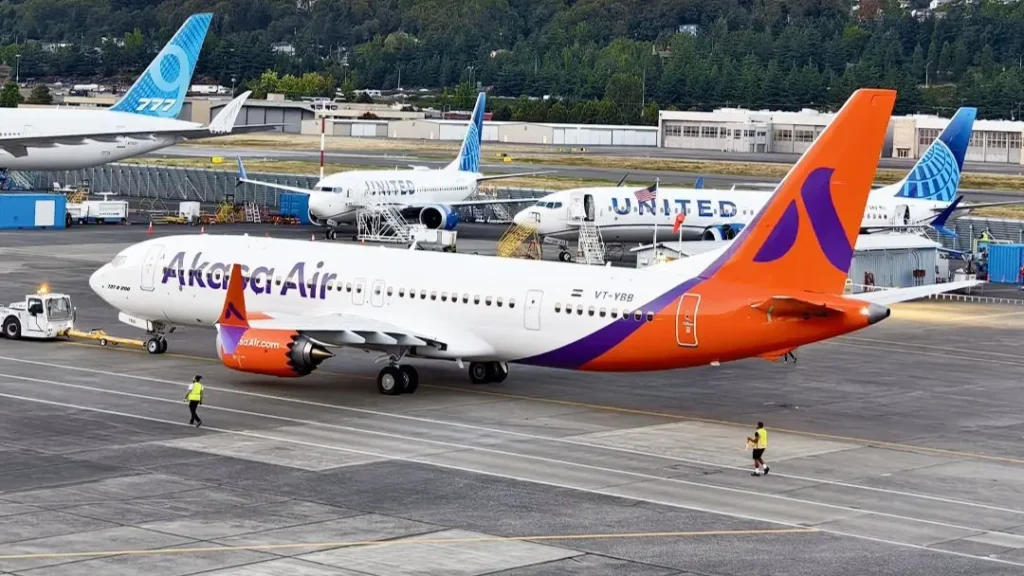
Akasa Air (QP) has inducted seven new aircraft in 2026, bringing its total fleet to 38 Boeing 737 MAX 8 jets.
However, one of these aircraft is currently undergoing maintenance after a ground collision with a SpiceJet (SG) plane at Delhi’s Indira Gandhi International Airport (DEL) on April 16, effectively reducing the immediately available fleet.
Abu Dhabi Under Active Review
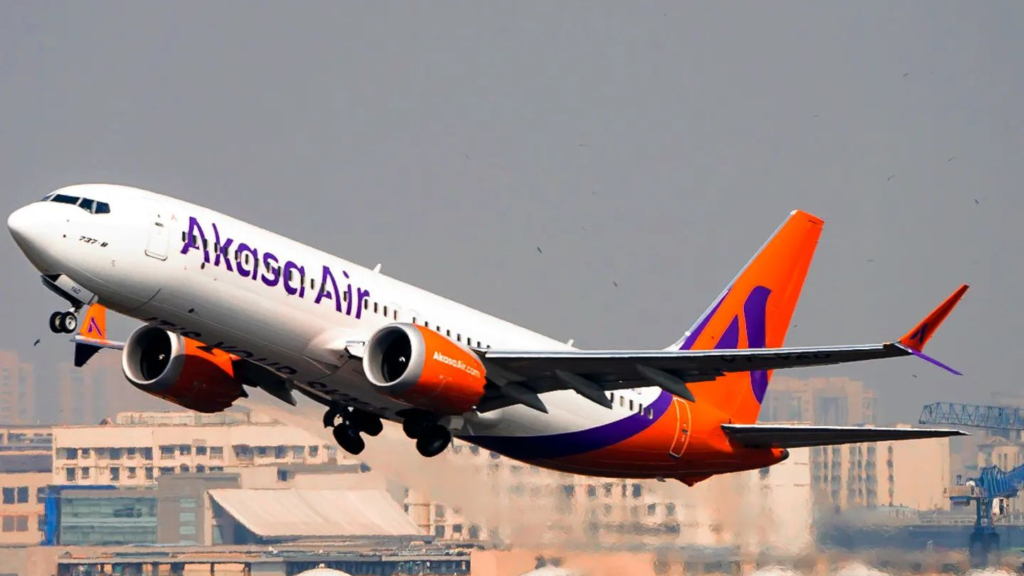
Akasa Air announced it is conducting a live safety assessment with a view to restoring flights to Abu Dhabi (AUH) after a 3-week pause triggered by missile activity over the Gulf.
Abu Dhabi capacity could recover quicker than other Gulf gateways because the UAE has demonstrated robust missile-defence coverage, allowing insurers to sign off on narrower no-fly zones. No firm restart date has been confirmed.
New Board Directors Incoming
On the management front, Akasa Air is set to induct two new board directors representing key institutional investors.
Premji Invest has nominated Manoj Jaiswal, while listed asset manager 360 ONE Asset has nominated Umesh Devendrakumar Agrawal as a non-executive nominee director.
The board has already approved Agrawal’s appointment, subject to shareholder ratification under a resolution filed with the Ministry of Corporate Affairs in December. Jaiswal’s induction is pending government security clearance and is expected to be finalized later in April 2026.
“All requisite approvals and clearances have been received for the induction of the new board members,” an Akasa Air spokesperson confirmed.
Akasa raised Rs 1,200 crore from Bengaluru-based investors Azim Premji and Ranjan Pai, alongside Mumbai-based wealth management firm 360 ONE Asset, with the capital earmarked for operational scaling, technology investment, and customer experience improvements as the airline targets a place among the world’s top 30 carriers by 2030.
Financial Position and Ownership
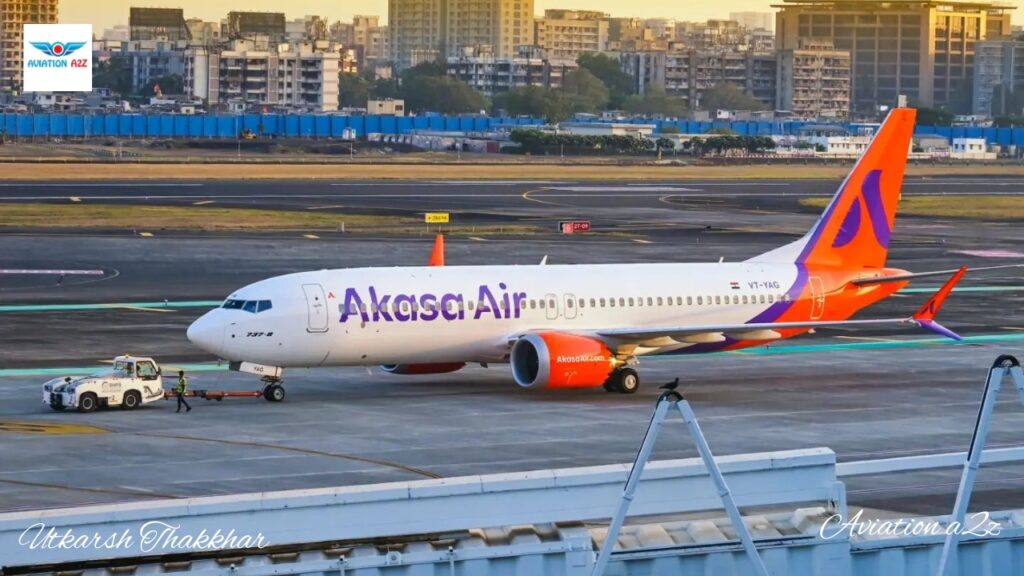
Akasa Air, which launched in 2022, closed FY25 with revenue of Rs 4,582.72 crore and a net loss of Rs 1,983.4 crore.
The airline holds a 4.7% share of India’s domestic market. As of June 30, 2025, the Jhunjhunwala family collectively held 44.4% of the airline, while founder and CEO Vinay Dube owned 16.1%.
Stay tuned with us. Further, follow us on social media for the latest updates.
Join us on Telegram Group for the Latest Aviation Updates. Subsequently, follow us on Google News
