

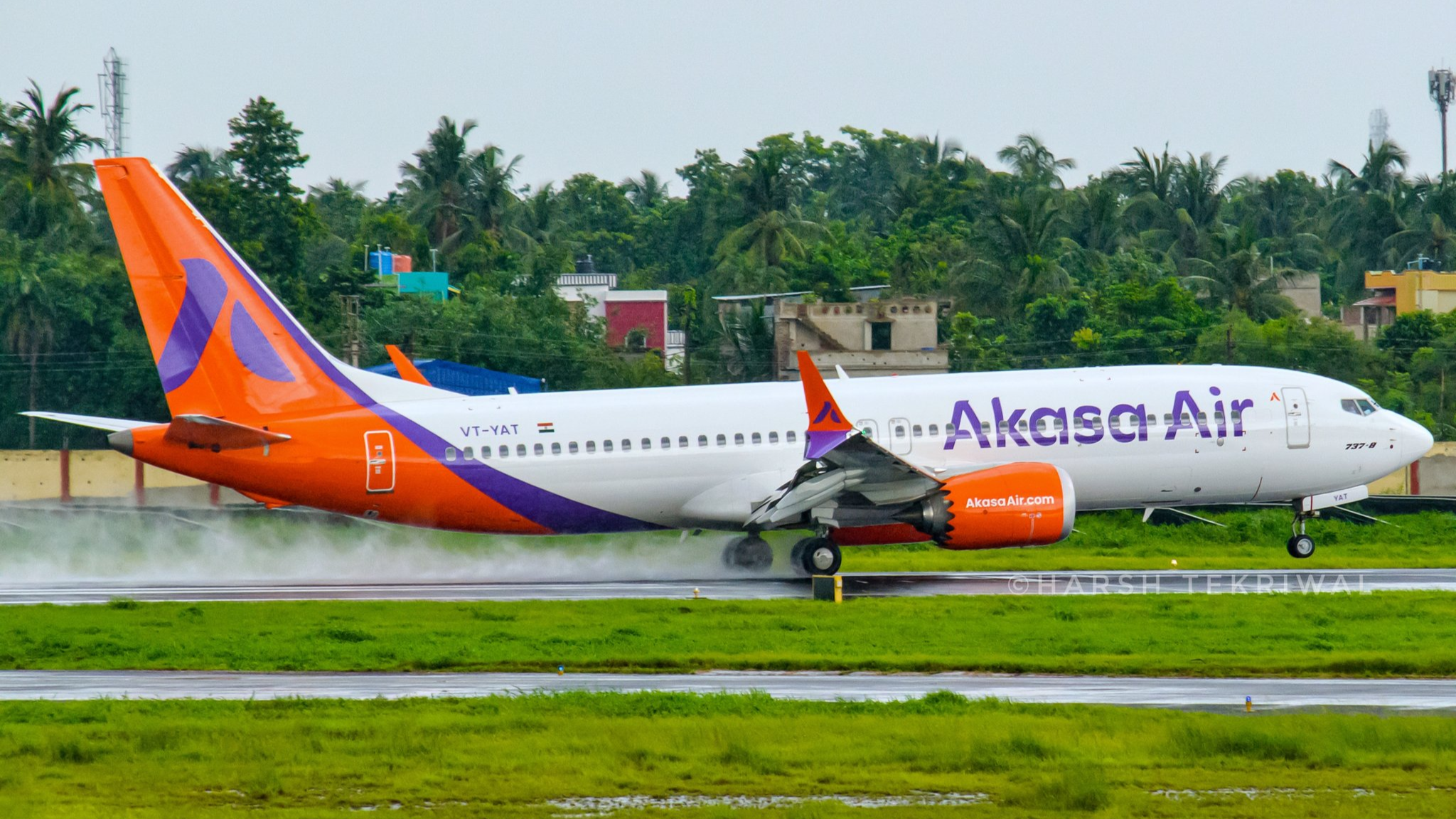
MUMBAI- Akasa Air (QP), India’s fastest-growing airline, has announced the launch of direct flights connecting Mumbai (BOM) and Hanoi (HAN). Starting 4 September 2026, the airline will operate 4 weekly nonstop services, marking its entry into Vietnam.
The route connects Chhatrapati Shivaji Maharaj International Airport, Mumbai (BOM), with Noi Bai International Airport, Hanoi, strengthening travel, tourism, and trade links between India and Vietnam while expanding Akasa Air’s international network.
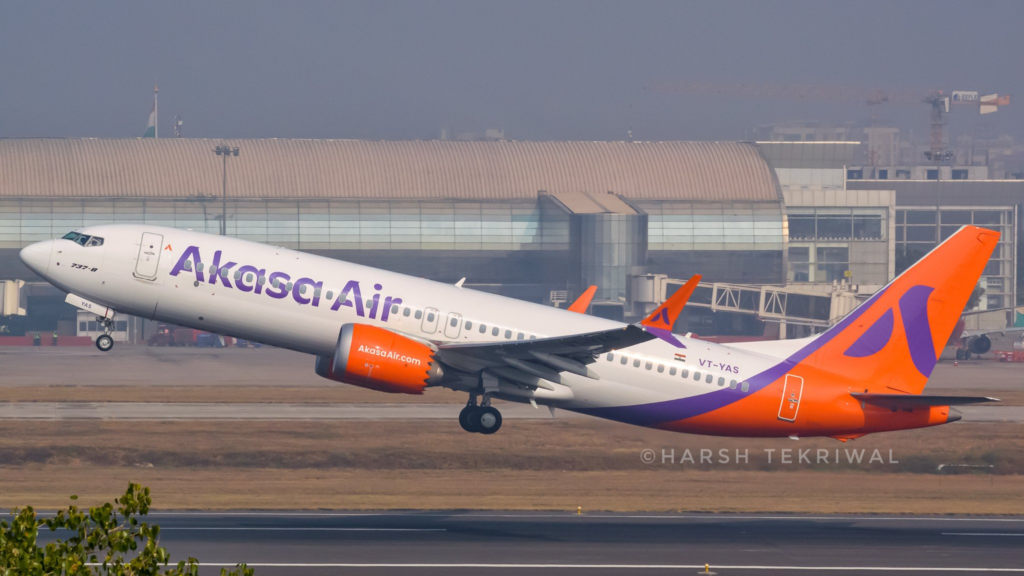
Akasa Air New Mumbai to Hanoi Flights
Akasa Air (QP) has added Hanoi as its seventh international destination, reinforcing its strategic expansion into Southeast Asia.
The new route enhances connectivity across key travel and trade corridors, aligning with growing demand for short-haul international travel from India.
The airline will operate 4 weekly non stop flights between Mumbai (BOM) and Hanoi (HAN), offering a direct and efficient travel option. This service reduces reliance on connecting routes and improves accessibility for both leisure and business travellers.
Hanoi is widely recognised for its centuries-old heritage, distinctive architecture, and celebrated culinary traditions.
The city has steadily gained popularity among Indian travellers, and the introduction of direct flights is expected to accelerate tourism while supporting expanding economic and cultural exchange between India and Vietnam.
Flights between Mumbai (BOM) and Hanoi (HAN) will commence on 4 September 2026 with the following schedule:
| Flight Number | From (Departure) | To (Arrival) | Operating Days |
|---|---|---|---|
| QP 0625 | Mumbai (BOM) – 05:35 hrs | Hanoi (HAN) – 12:00 hrs | Monday, Friday, Saturday, Sunday |
| QP 0626 | Hanoi (HAN) – 13:30 hrs | Mumbai (BOM) – 17:10 hrs | Monday, Friday, Saturday, Sunday |
Bookings for the route are available through the airline’s official website, Android and iOS applications, and multiple leading online travel agencies, ensuring wide distribution and easy access.
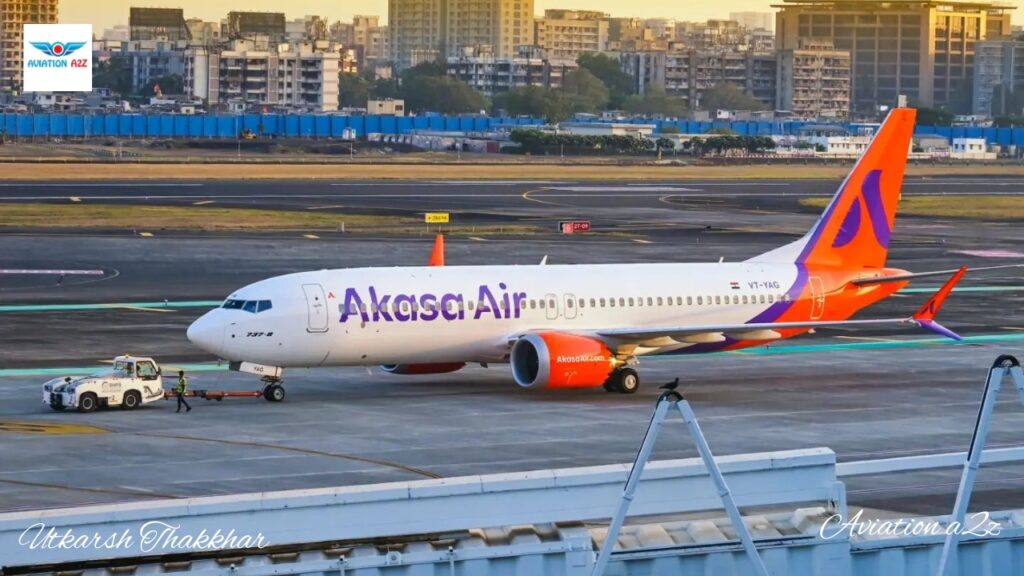
Strategic Perspective from Leadership
According to Anand Srinivasan, Co-Founder and Chief Commercial Officer, the launch of direct flights to Hanoi strengthens the airline’s presence in South Asia and supports its broader vision of connecting India with dynamic global destinations.
He highlighted that Vietnam has emerged as a highly attractive short-haul destination for Indian travellers due to its accessibility, vibrant tourism offerings, and rich cultural heritage.
He also noted that enhanced connectivity, combined with Akasa Air’s reliable and warm service, is expected to deliver a strong travel experience.
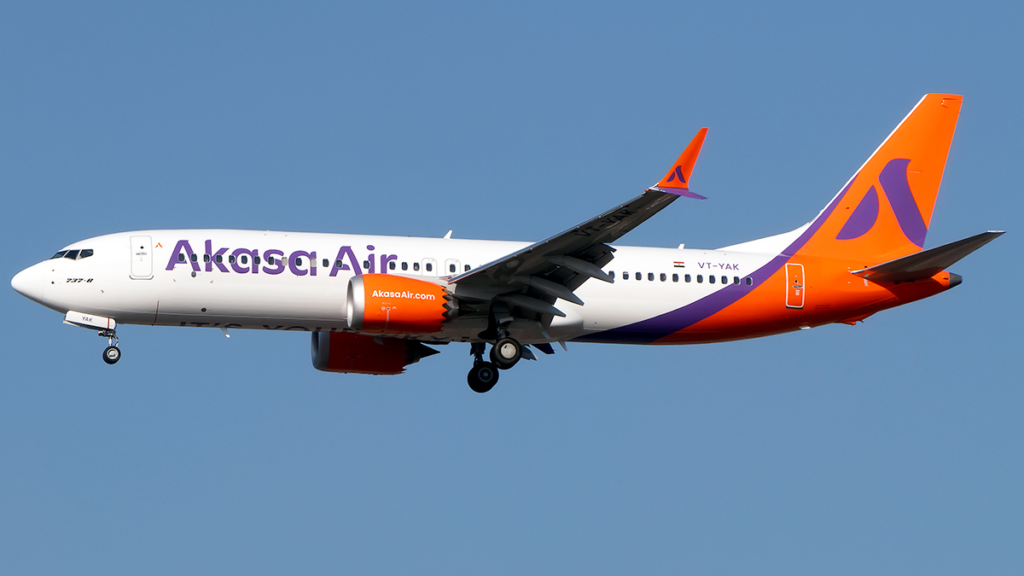
Akasa Experience and Customer-Centric Offerings
Akasa Air continues to differentiate itself through an empathetic and youthful brand personality, supported by an employee-friendly culture and a strong customer-service philosophy. Its tech-led approach has positioned the airline as a preferred choice for millions of travellers.
The airline operates a brand-new fleet designed for passenger comfort, offering ample legroom and USB charging ports on most aircraft.
Café Akasa, its onboard meal service, features a curated selection of healthy and premium meals, including unique options such as Kombucha, enhancing the in-flight dining experience.
Akasa Air provides over 25 ancillary products focused on personalisation and convenience. These include services such as Akasa GetEarly, Seat & Meal Deal, Extra Seat, and Akasa Holidays, allowing passengers to tailor their travel experience.
The airline has also introduced several industry-first innovations, including SkyScore by Akasa, SkyLights, and QuietFlights, which enhance comfort, transparency, and overall cabin experience.
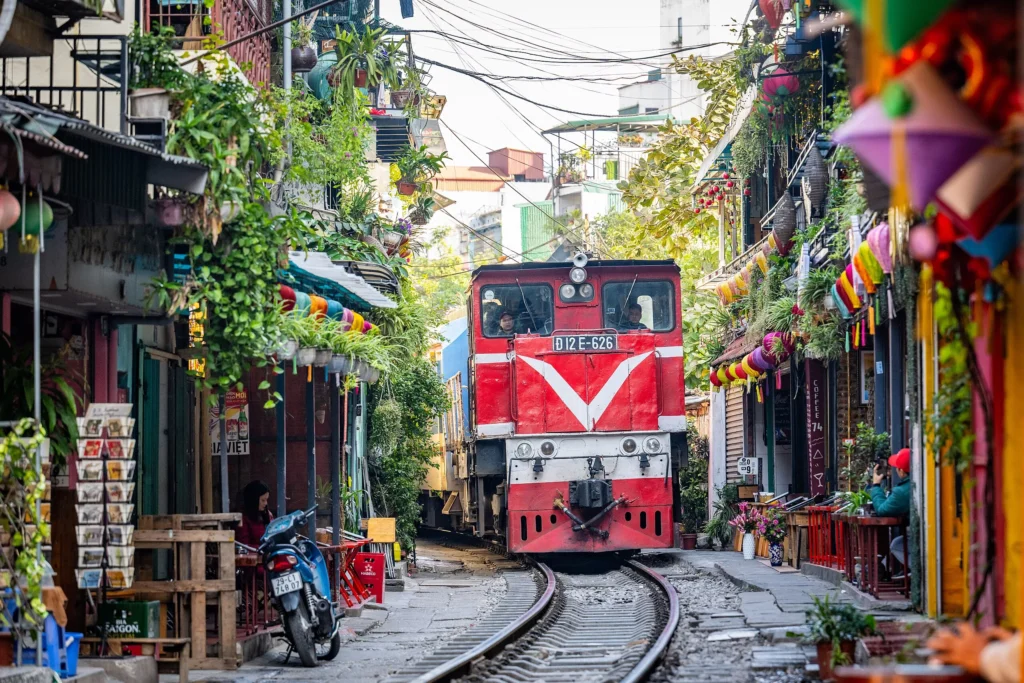
Vietnam Travel Guide
Vietnam ranks among Southeast Asia’s most visited countries, attracting millions of travellers each year with its blend of history, culture, and cuisine. The country’s two largest cities, Hanoi and Ho Chi Minh City, serve as gateways to vastly different yet equally rewarding experiences.
Hanoi, the capital in the north, charms visitors with its ancient pagodas, colonial architecture, and serene lakes. Ho Chi Minh City, the southern economic powerhouse still known locally as Saigon, pulses with energy, modern dining, and a deep connection to Vietnam’s wartime history.
What Makes Vietnam A Must-Visit Destination
Vietnam offers travellers a rare combination of affordability, cultural depth, and natural beauty. Hanoi and Ho Chi Minh City anchor the northern and southern ends of the country, each with a distinct personality. Hanoi’s Old Quarter and French Quarter divide the city into two prime neighbourhoods filled with major attractions.
Ho Chi Minh City, home to over 8 million residents, blends elegant restaurants, old pagodas, and peaceful gardens with the constant motion of a rapidly growing metropolis.
Both cities are accessible from India. Noi Bai International Airport connects Hanoi to Kolkata with non-stop IndiGo flights, while Tan Son Nhat International Airport serves Ho Chi Minh City with connecting flights from Delhi, Mumbai, Bengaluru, Hyderabad, and Kolkata.
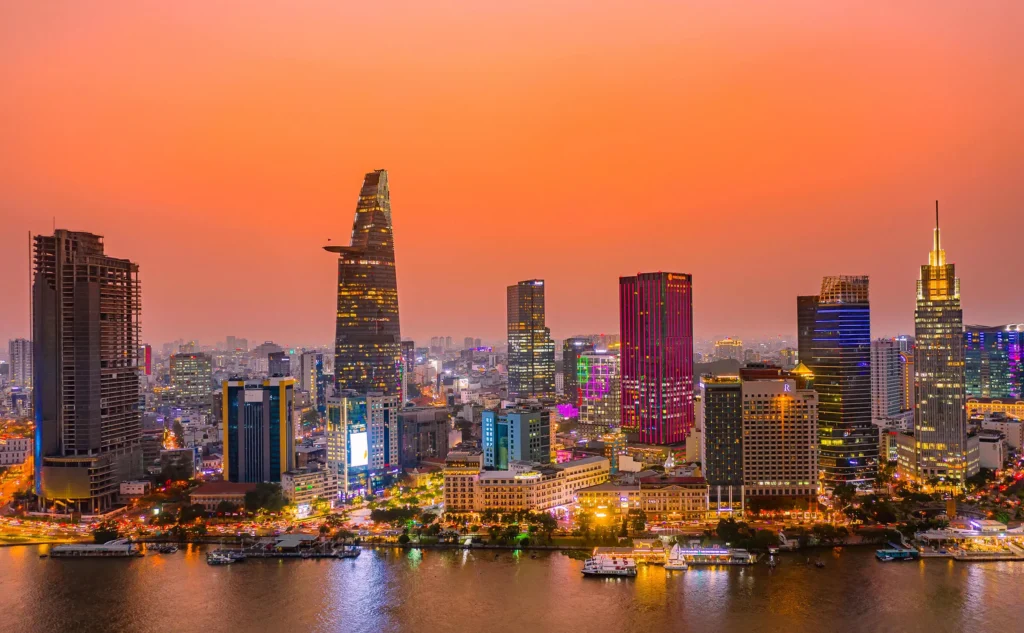
Top Places To Visit In Hanoi
Hanoi’s attractions span centuries of Vietnamese, Chinese, French, and Russian cultural influence. The key sites include:
Hoan Kiem Lake sits at the heart of Hanoi and remains an iconic landmark. The lake offers serene surroundings, scenic views, and deep cultural significance for both locals and visitors. Travellers should set aside two to three hours for a thorough visit.
The Temple of Literature is one of Hanoi’s most revered historical sites, requiring one to two hours of exploration time. Nearby, the Thang Long Imperial Citadel offers another window into Vietnamese heritage within a similar timeframe.
The Vietnam Museum of Ethnology demands more time, with two to four hours recommended to appreciate its extensive collection. The Hanoi Opera House rounds out the city’s cultural circuit with one to two hours of exploration.
Beyond the main circuit, West Lake (Tay Ho Lake) covers 500 hectares in Hanoi’s north-western centre, surrounded by manicured gardens, hotels, and villas. The Temple of the Jade Mountain, located on a small island in Hoan Kiem Lake, honours General Tran Hung Dao, who defeated the Mongols in the 13th century.
The Vietnam Fine Arts Museum houses religious sculptures, folk paintings, ceramics, and artwork dating back to prehistoric times.
Top Places To Visit In Ho Chi Minh City
Ho Chi Minh City’s attractions reflect its complex history and rapid modernisation.
The Cu Chi Tunnels, located 30 km outside the city, remain one of Vietnam’s most remarkable sites. This massive network of interconnected underground tunnels served as an operational headquarters during the Vietnam War, enabling the movement of personnel and supplies while avoiding detection.
The War Remnants Museum is one of Vietnam’s most visited museums, with displays documenting the tragedies of the Vietnam War and the first Indochina War with French colonialists. Notre Dame Cathedral, built between 1877 and 1883, stands as a striking example of Neo-Romanesque architecture, with twin square towers rising nearly 60 metres above the city.
The Saigon Opera House, erected in 1897 by French architect Eugene Ferret, mirrors the design of the Petit Palais in Paris. Thien Hau Temple, dating to the 19th century, is one of the oldest Chinese temples in Ho Chi Minh City’s Chinatown district (ChoLon).
For nature lovers, the Mekong Delta offers lush terrains with rivers, rice fields, and verdant greenery just a few hours from the city. Can Gio Mangrove Forest, a UNESCO-listed biosphere reserve located 40 km outside the city, teems with monkeys, gibbons, crocodiles, and other tropical wildlife.
Best Food Experiences In Both Cities
Hanoi’s food scene thrives on traditional street food. Bun Cha Ta Hanoi is famous for its grilled meat, noodles, and herbs with dipping sauce. Xoi Yen, a three-story restaurant on Nguyen Huu Huan Street in the Old Quarter, specialises in sticky rice dishes topped with various ingredients. The Gourmet Corner Restaurant near Hoan Kiem Lake serves award-winning European, Asian, and Vietnamese cuisine.
Ho Chi Minh City offers everything from inexpensive street food to high-end fusion dining. Classic pho remains a staple, while modern restaurants serve Mediterranean and international cuisine. Locals recommend simply asking nearby residents for the best food spots in any neighbourhood.
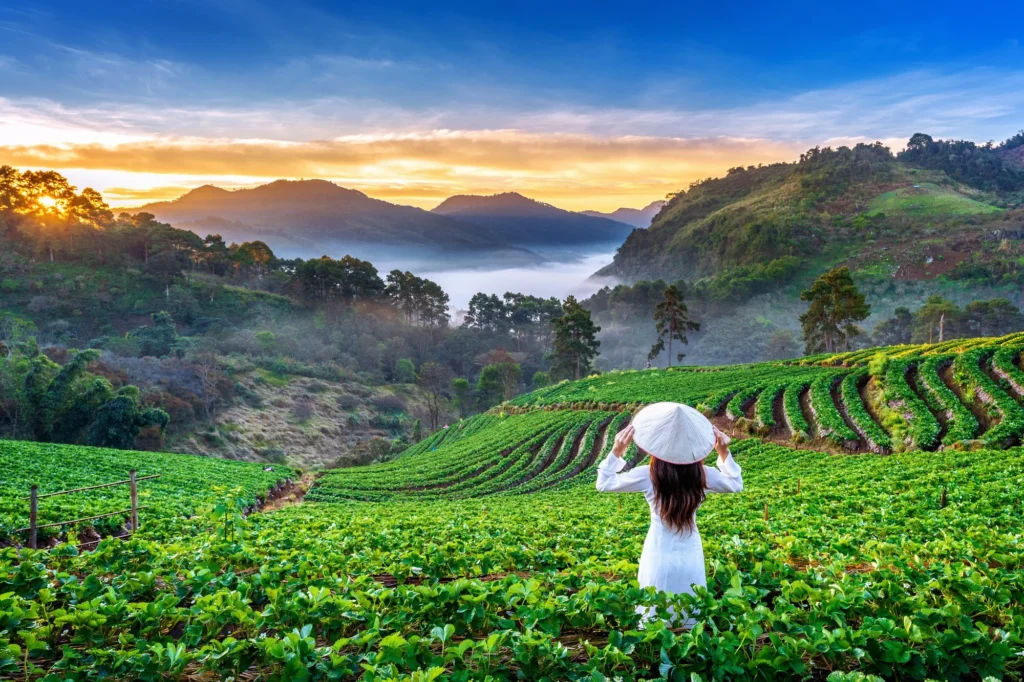
Best Time To Visit Vietnam
Hanoi is best visited during spring (March to April) and autumn (September to November), when the weather is mild and pleasant with less humidity and rainfall.
Ho Chi Minh City’s dry season runs from December to April, making it the ideal window for travel. Year-round temperatures in the south range between 26 and 29 degrees Celsius. The wet season (May to November) brings tropical storms, so travellers should plan for flexibility during those months.
Getting Around Hanoi And Ho Chi Minh City
Hanoi offers multiple transport options. Walking tours reveal hidden spots throughout the city. Tourist buses, rental bikes, bicycles, and scooters provide flexibility. Cyclos (bicycle rickshaws) work well for shorter distances. Vietnam Railways operates a reliable train network for longer trips.
In Ho Chi Minh City, taxis are considered the most convenient transport option even by locals. The Grab app helps travellers check pricing and hail rides. Buses and motorbikes are also available throughout the city.
Shopping In Hanoi And Ho Chi Minh City
Hanoi’s markets specialise in silk products, ceramics, traditional Vietnamese dress, and bamboo souvenirs. The Hanoi Weekend Night Market operates every Friday through Sunday on Hang Dao Street, offering fashion, handicrafts, and street food. Dong Xuan Market, one of the largest in the city, spans four floors of fabrics, clothing, and bags. Lotte Center Hanoi caters to branded product shoppers and features an observation deck, restaurants, and a hypermarket.
In Ho Chi Minh City, Saigon Square, Zen Plaza, and AEON serve budget-conscious shoppers. Parkson, Vincom, and Diamond Plaza offer high-end retail options.
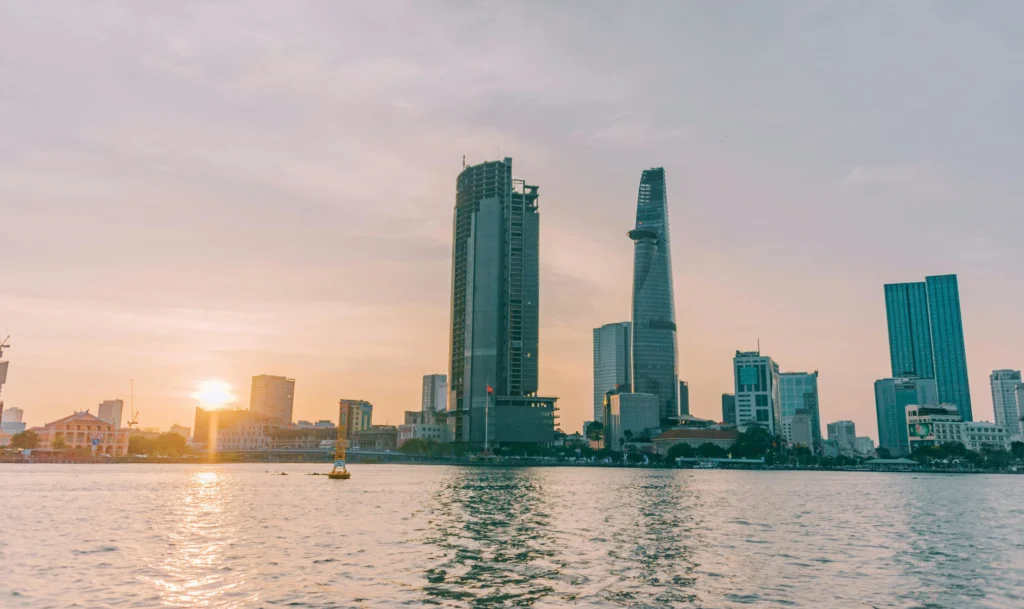
Essential Travel Tips For Vietnam
Visitors to Ho Chi Minh City should carry cash along with an ATM card, as expenses can exceed initial estimates. Light clothing works during the dry season, while an umbrella or raincoat is essential from May through October. Booking hotels near key attractions or bus stations is advisable, especially during peak season when early reservations are necessary.
Vietnamese is the predominant language in both cities, though English is widely understood in tourist areas and among younger generations.
Festivals In Hanoi
Hanoi hosts several traditional festivals that showcase Vietnamese cultural heritage. Tet Nguyen Dan (Lunar New Year) marks the arrival of spring with family reunions, ancestral worship, and the exchange of red envelopes. The Mid-Autumn Festival (Tet Trung Thu) features colourful lantern processions, mooncake feasts, and lion dances. Tet Doan Ngo commemorates the summer solstice with cleansing rituals and sticky rice dumplings. Tet Trung Nguyen honours departed ancestors with offerings of food, incense, and prayers.
Stay tuned with us. Further, follow us on social media for the latest updates.
Join us on Telegram Group for the Latest Aviation Updates. Subsequently, follow us on Google News
