

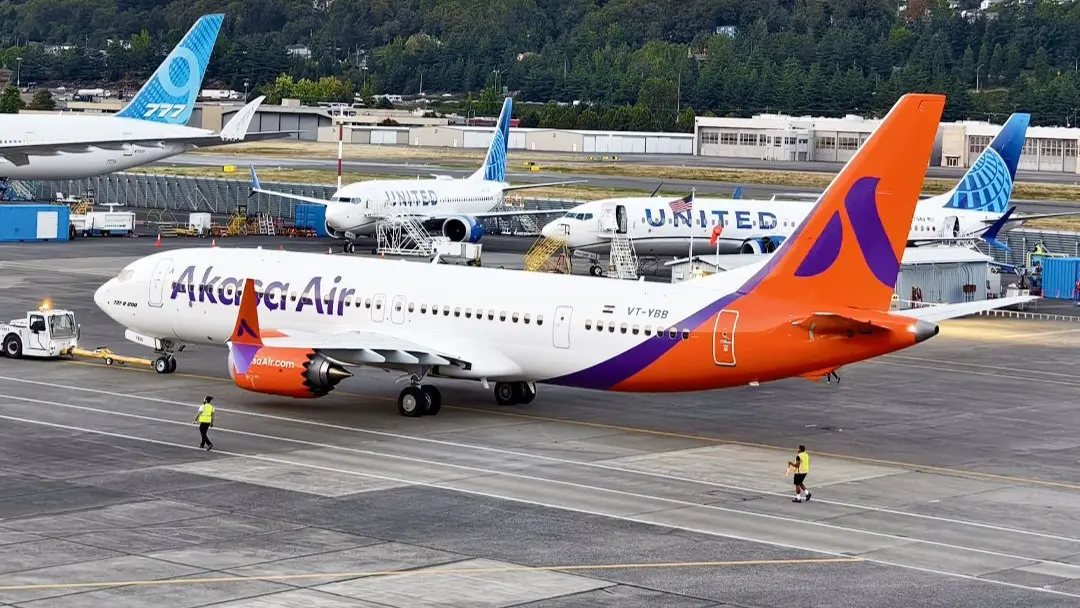
DELHI- Akasa Air (QP) is preparing to expand its footprint across India’s regional aviation market by planning to operate flights under the government’s UDAN connectivity scheme, while maintaining a steady aircraft induction schedule through 2032.
The announcement comes as the airline approaches its fourth anniversary of commercial operations and continues to strengthen its domestic and international network.
Speaking in New Delhi (DEL), Akasa Air CEO and Founder Vinay Dube said the carrier is evaluating potential UDAN routes individually rather than pursuing a broad expansion strategy.
The airline also remains confident that its long-term fleet plan is progressing as expected despite ongoing global aircraft supply chain challenges.
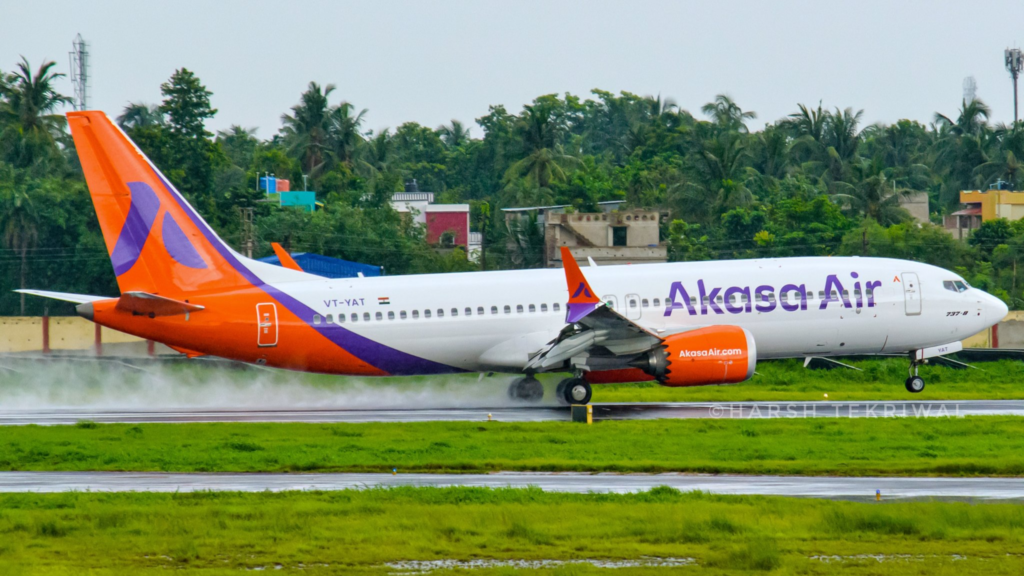
Akasa Air UDAN Expansion Plans
Akasa Air plans to participate in the latest phase of the government’s UDAN (Ude Desh ka Aam Naagrik) regional connectivity program, which aims to improve air access to underserved and unserved destinations across India at affordable fares.
According to Dube, the airline will assess each route on its commercial viability before committing capacity.
The revised UDAN scheme was launched on July 4, while the initiative has already supported the operational launch of hundreds of regional routes connecting airports, heliports, and water aerodromes since its introduction in 2016.
The carrier currently serves 28 domestic destinations and seven international cities. Adding regional services under UDAN would complement its existing network while creating additional opportunities in India’s expanding aviation market.
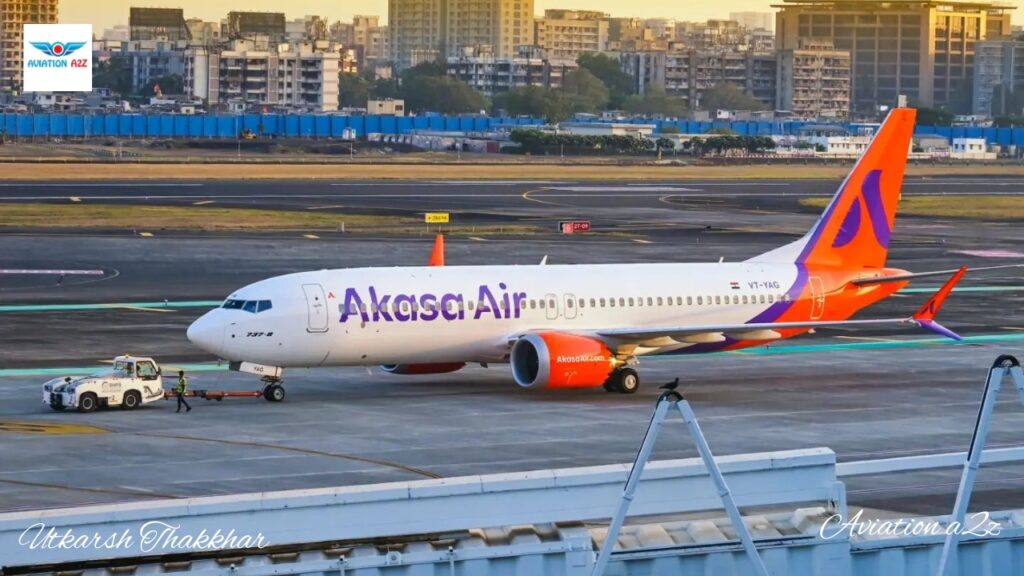
Fleet Growth And Capacity Expansion
Fleet expansion remains central to Akasa Air’s long-term strategy. The airline has inducted nine Boeing 737 MAX aircraft during 2026 and expects the remaining 186 aircraft from its order book of 226 jets to join the fleet by the end of 2032.
Dube said Boeing deliveries are now arriving at a predictable pace despite industry-wide manufacturing and supply chain disruptions.
The airline expects to increase available capacity by around 30% during the current financial year and projects annual capacity growth of 30% to 40% over the next four to five years.
While many airlines continue to face delayed aircraft deliveries, Akasa Air believes its long-term planning has positioned it to sustain expansion without changing its operating model.
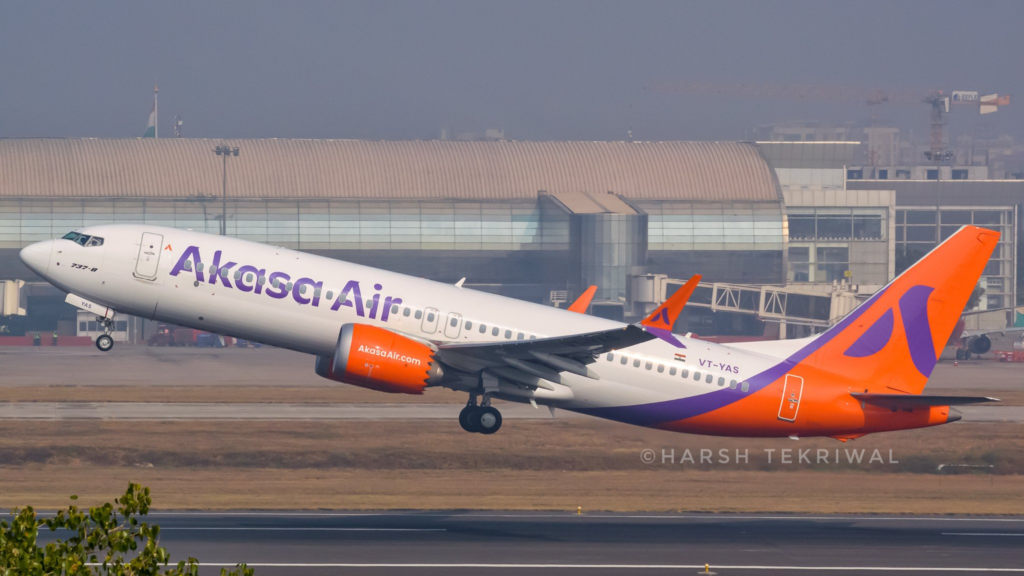
Strategy Outlook And Growth
Dube said the airline will continue reviewing its business strategy each year as market conditions evolve but has no immediate plans to move away from its single aircraft type or single-class configuration.
The airline is also evaluating whether to participate in government initiatives such as the ATF Price Stabilisation Fund and the Emergency Credit Line Guarantee Scheme after reviewing their terms and conditions.
Akasa Air retained its workforce during previous aircraft delivery delays, choosing to keep employees despite slower-than-expected fleet growth. That decision, according to Dube, is now benefiting operations as aircraft deliveries accelerate.
The airline employs more than 5,000 people, including over 850 pilots. It also reported becoming EBITDA positive between September 2025 and March 2026, marking an important operational milestone as it continues its expansion across India’s aviation sector.
Stay tuned with us. Further, follow us on social media for the latest updates.
Join us on Telegram Group for the Latest Aviation Updates. Subsequently, follow us on Google News
