

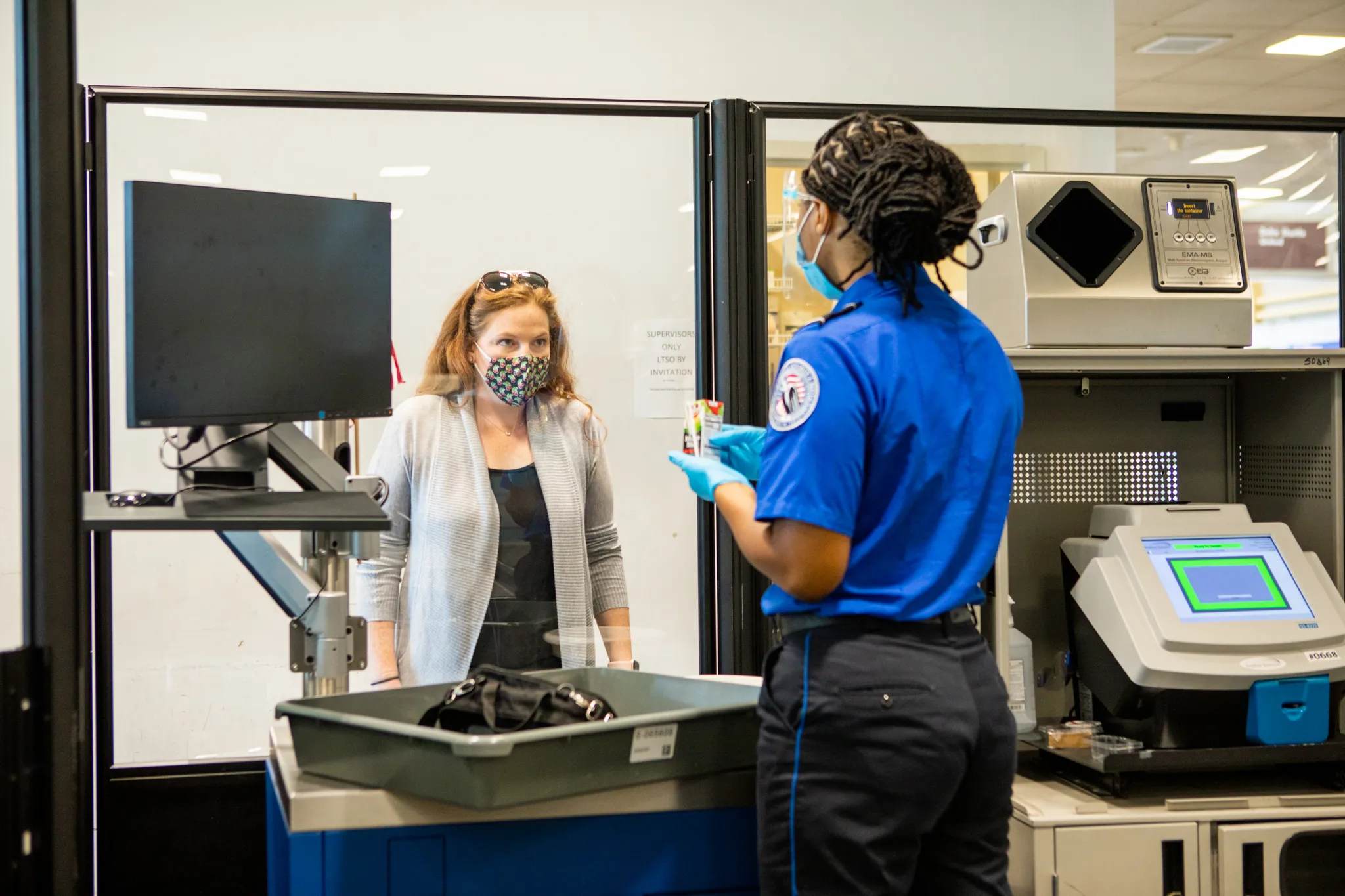
The Transportation Security Administration (TSA) continues to refine airport screening procedures at major U.S. airports. Travelers often encounter unexpected secondary screenings triggered by everyday personal items.
The TSA has clarified that common carry-on items, including decks of playing cards, may occasionally prompt additional inspection at security checkpoints. While these items are permitted in hand baggage, their appearance on X-ray scanners can lead to further checks.
Playing Cards Screening
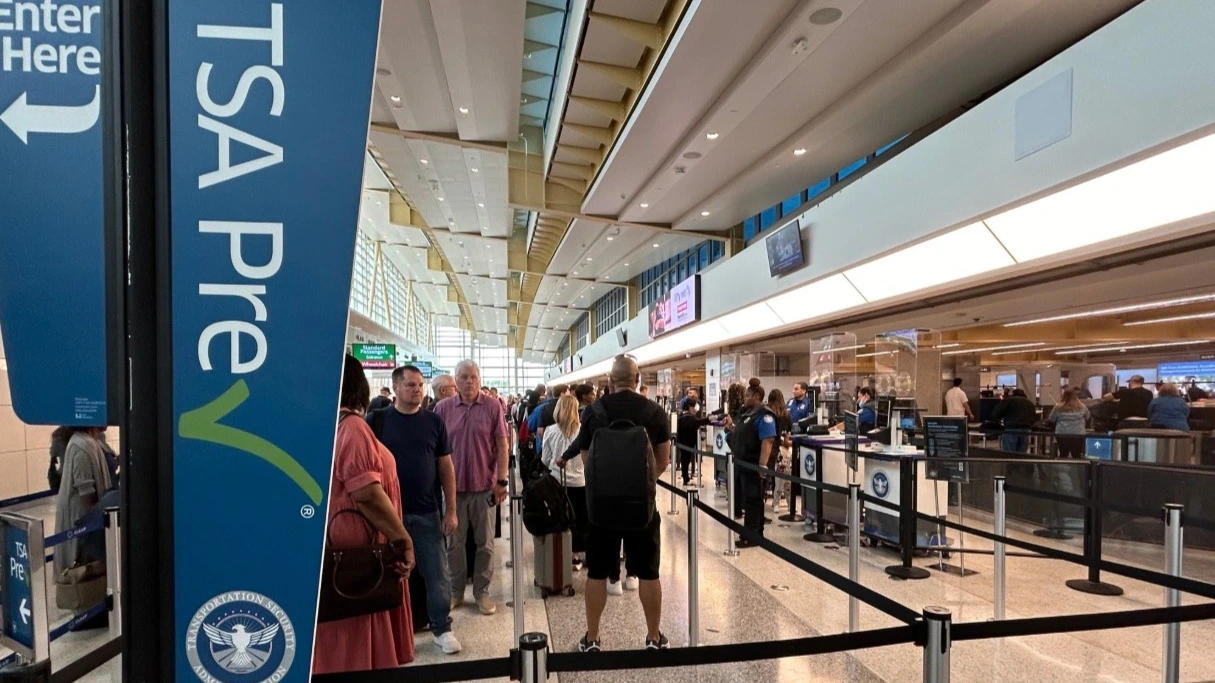
Airport security systems often flag a deck of playing cards because they appear as a dense rectangular block on X-ray machines. This visual density can resemble concealed objects, which triggers additional verification by security officers.
TSA officials explain that tightly packed items create overlapping images that reduce clarity during scanning. As a result, officers may be unable to immediately confirm whether the object contains prohibited materials.
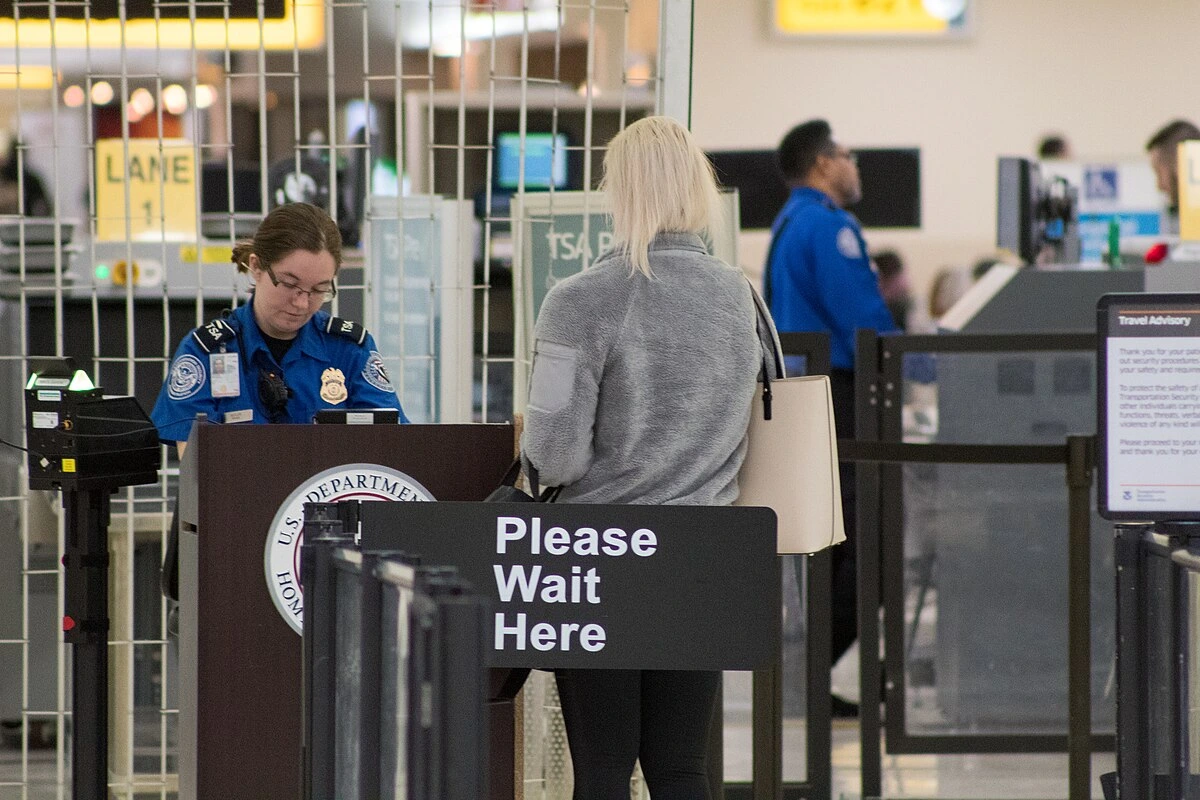
Passengers carrying large or multiple decks of cards may face longer screening times. However, security personnel conduct inspections as a precaution rather than a penalty for carrying permitted items.
WIkimedia Commons
TSA Security Guidance
The TSA recommends that travelers place decks of cards in a carry-on bag rather than checked luggage. This helps prevent loss or damage while also keeping items accessible for inspection when required.
Officials also advise passengers to place cards in security bins alongside laptops and electronic devices. This allows clearer imaging and reduces the chance of unnecessary secondary screening.
Despite these measures, manual inspection may still occur if X-ray results remain unclear. Travelers carrying collectibles or bulk card sets are encouraged to allow extra time at checkpoints.
Other Common Triggers
Airport security screening systems also flag several other everyday items beyond playing cards. Dense stacks of books, binders, or trading card collections can produce similar X-ray confusion and lead to secondary inspections.
Liquid containers exceeding permitted limits, compact electronics, and irregularly packed luggage also contribute to additional screening. Security officers focus on identifying unclear shapes that may conceal restricted materials.
Travelers can reduce delays by organizing carry-on items in a structured manner and separating dense objects. Proper packing improves scan clarity and helps ensure smoother movement through airport checkpoints.
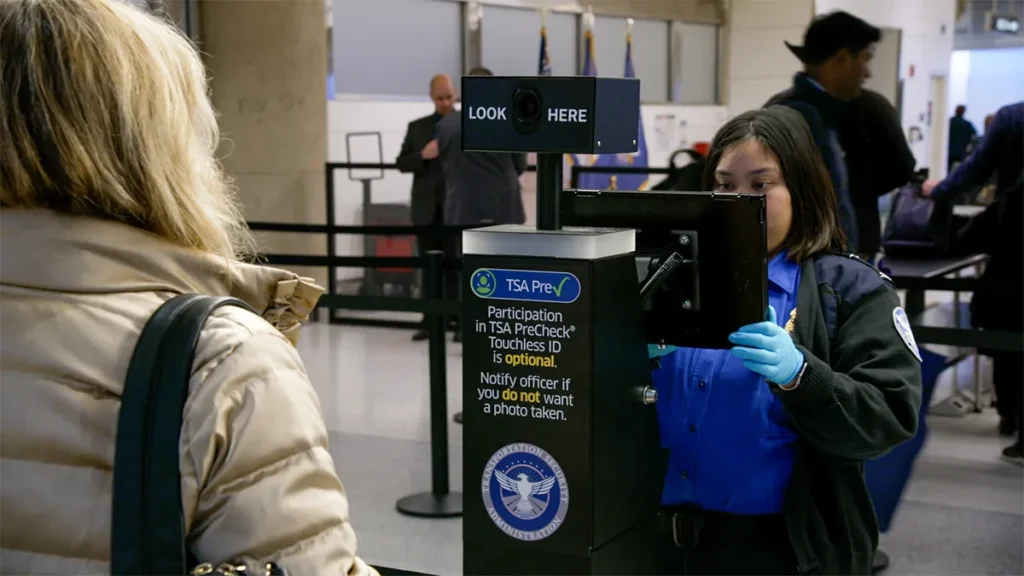
Packing Best Practices
Travelers can reduce the chances of secondary screening by organizing carry-on bags in a structured and uncluttered manner.
Security officers recommend separating dense or stacked items so that X-ray machines can clearly identify their contents.
Placing objects like cards, books, and electronics in accessible compartments helps streamline inspection when required.
Clear packing not only improves scan accuracy but also reduces delays at busy airport checkpoints.
Stay tuned with us. Further, follow us on social media for the latest updates.
Join us on Telegram Group for the Latest Aviation Updates. Subsequently, follow us on Google News
