

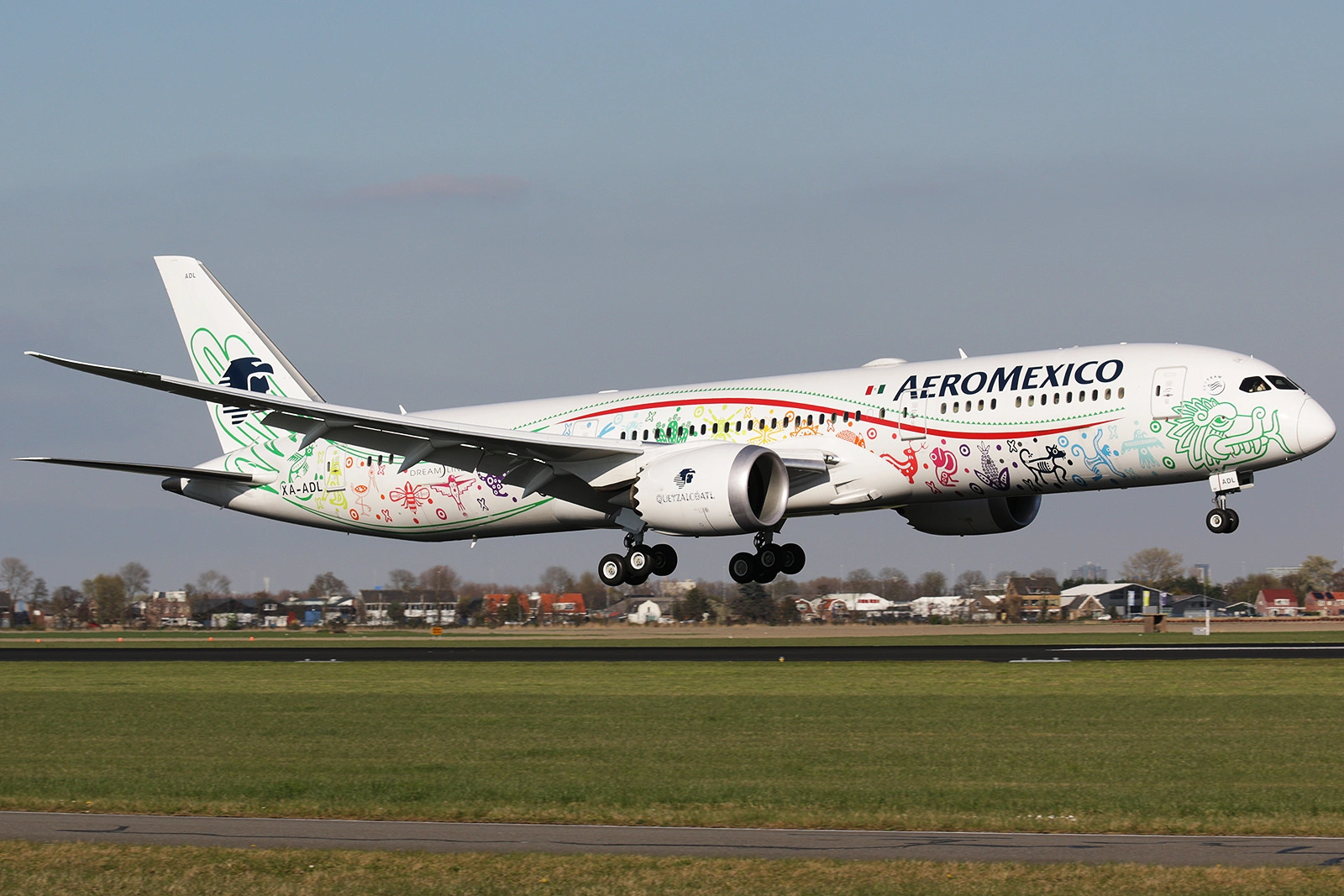
MADRID- Mexico’s President Claudia Sheinbaum traveled to Europe on commercial flights in economy class, flying from Mexico City International Airport (MEX) to Adolfo Suárez Madrid–Barajas Airport (MAD) and onward to Barcelona for an international summit.
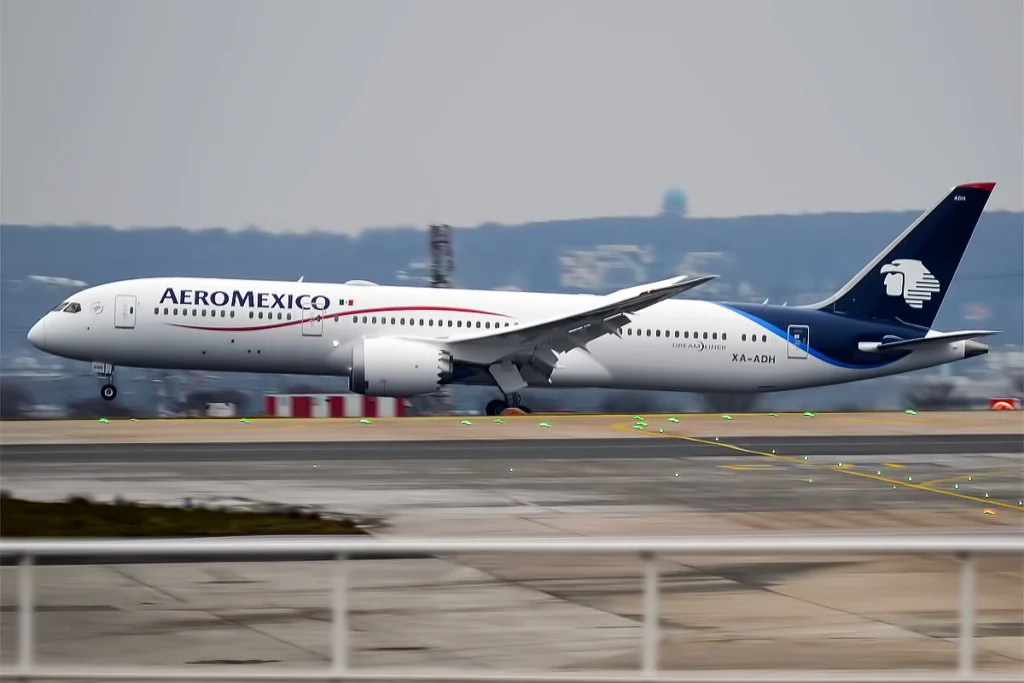
On her return, she boarded Aeroméxico (AM) flight 38 from Barcelona–El Prat Airport (BCN) back to Mexico City, again choosing economy seating. This decision has drawn both praise and criticism.
Mexico Leader Flies Economy Class
Sheinbaum’s visit marked her first official trip to Europe since assuming office.
She attended the IV Cumbre en Defensa de la Democracia, a summit bringing together center-left leaders to discuss democratic institutions, multilateral cooperation, and digital governance. View from the Wing flagged.
The president’s travel choice quickly became a focal point. Images of her working from an economy seat and interacting with passengers circulated widely, reinforcing a political image centered on accessibility and austerity.
Observers note that such gestures often resonate domestically, particularly in a political environment where public perception of leadership style carries significant weight.
Debate on the Choice of Airline
Despite the symbolic value, aviation and policy analysts have questioned the practicality of the decision.
Long-haul flights between Europe and Mexico typically exceed 10 hours, during which business class cabins provide lie-flat seating and workspace.
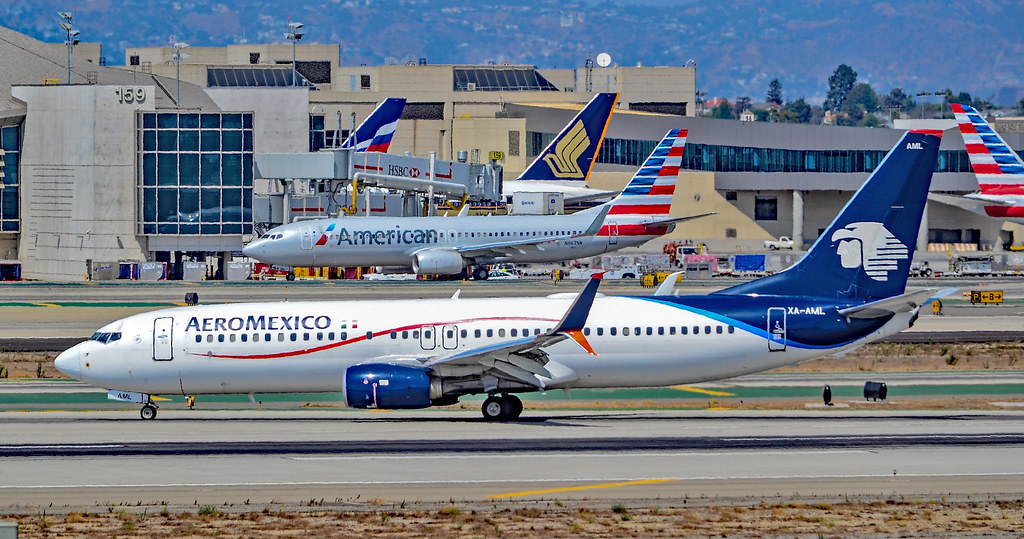
Aeroméxico offers a standard long-haul business class product rather than a luxury first class, but it still includes features designed for rest and productivity. Critics argue that a head of state may require these conditions to remain effective during official travel.
Supporters, however, view the decision as consistent with Sheinbaum’s political messaging, emphasizing modesty and alignment with public expectations on government spending.
Precedent Set by the Predecessor
The approach echoes policies of former president Andrés Manuel López Obrador, who also favored commercial travel.
López Obrador famously rejected the use of a presidential jet, describing such assets as symbols of excess.
His administration sold Mexico’s Boeing 787 presidential aircraft to the government of Tajikistan, ending years of debate over its cost and use. He frequently opted for economy seating on commercial airlines, reinforcing his stance against perceived elite privileges.
Similar examples exist elsewhere, including Argentina, where leadership choices on air travel have also been framed within broader economic and political narratives.
For Mexico, Sheinbaum’s decision continues a pattern that blends aviation choices with political signaling. While the operational implications remain debated, the optics of commercial travel—particularly in economy—are likely to remain a defining feature of her presidency’s public image.
Stay tuned with us. Further, follow us on social media for the latest updates.
Join us on Telegram Group for the Latest Aviation Updates. Subsequently, follow us on Google News
