

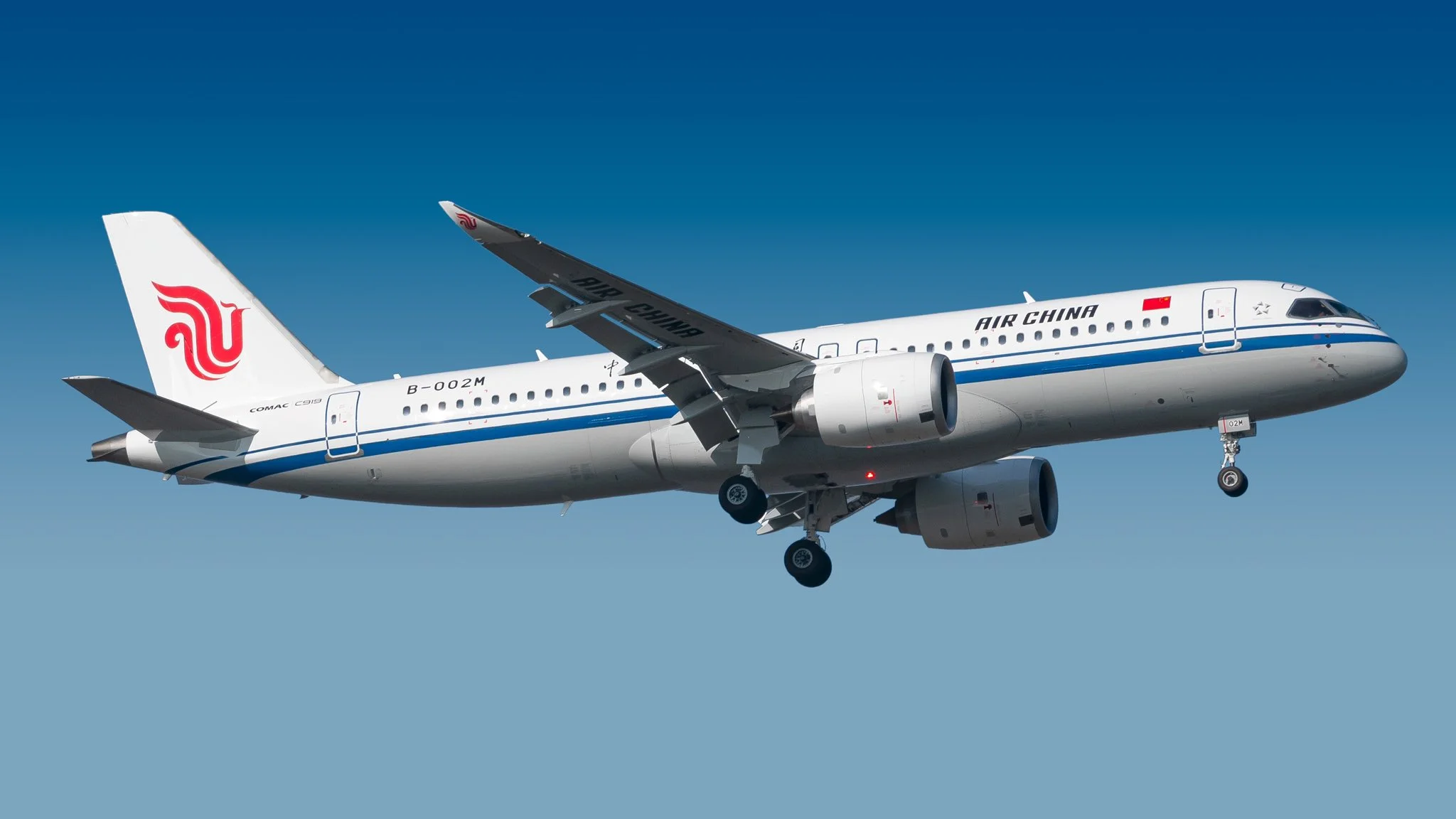
SHANGHAI— European certification efforts for China’s C919 aircraft are gaining momentum as testing activity intensifies in Shanghai. Officials from the European Union Aviation Safety Agency (EASA) have reportedly stationed pilots and technical staff in the city for extended periods to accelerate evaluation work.
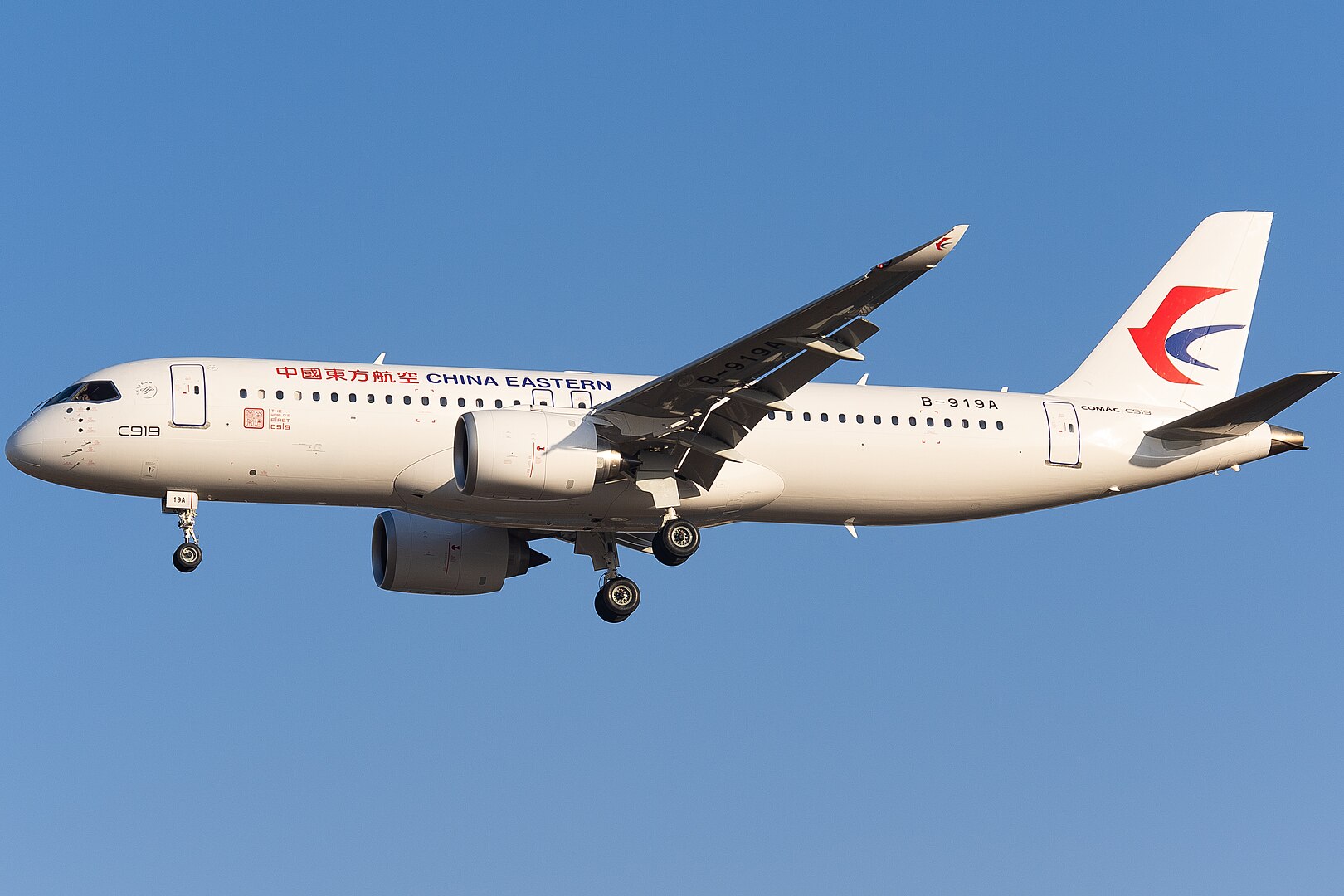
The C919, developed by the Commercial Aircraft Corporation of China (Comac), is positioned to compete with established narrow-body jets. China Eastern Airlines (MU) has played a key role in operations, with Shanghai serving as a central hub for ongoing test flights and inspections.
C919 Certification Progress
EASA has entered an advanced phase of certification for the C919, focusing heavily on in-flight testing and technical validation. These test flights form part of a structured four-stage approval process required before the aircraft can operate commercially in Europe.
Initial flight evaluations began in late 2024, marking a significant milestone in Comac’s long-term certification ambitions. Regulators are now demanding additional flights to verify performance, safety, and operational reliability under varied conditions.
While flight testing is critical, the process also involves extensive data analysis, documentation, and technical verification. This ensures compliance with stringent European aviation safety standards.
Data Supports Approval
Chinese aviation authorities have mobilized extensive resources to support the certification process. Airlines operating the C919 are actively sharing operational data with EASA, including real-time performance metrics and historical maintenance records.
China Eastern Airlines has contributed inspection data from routine A and B checks, which are standard safety evaluations conducted at regular intervals. This data provides regulators with valuable insights into the aircraft’s reliability during commercial service.
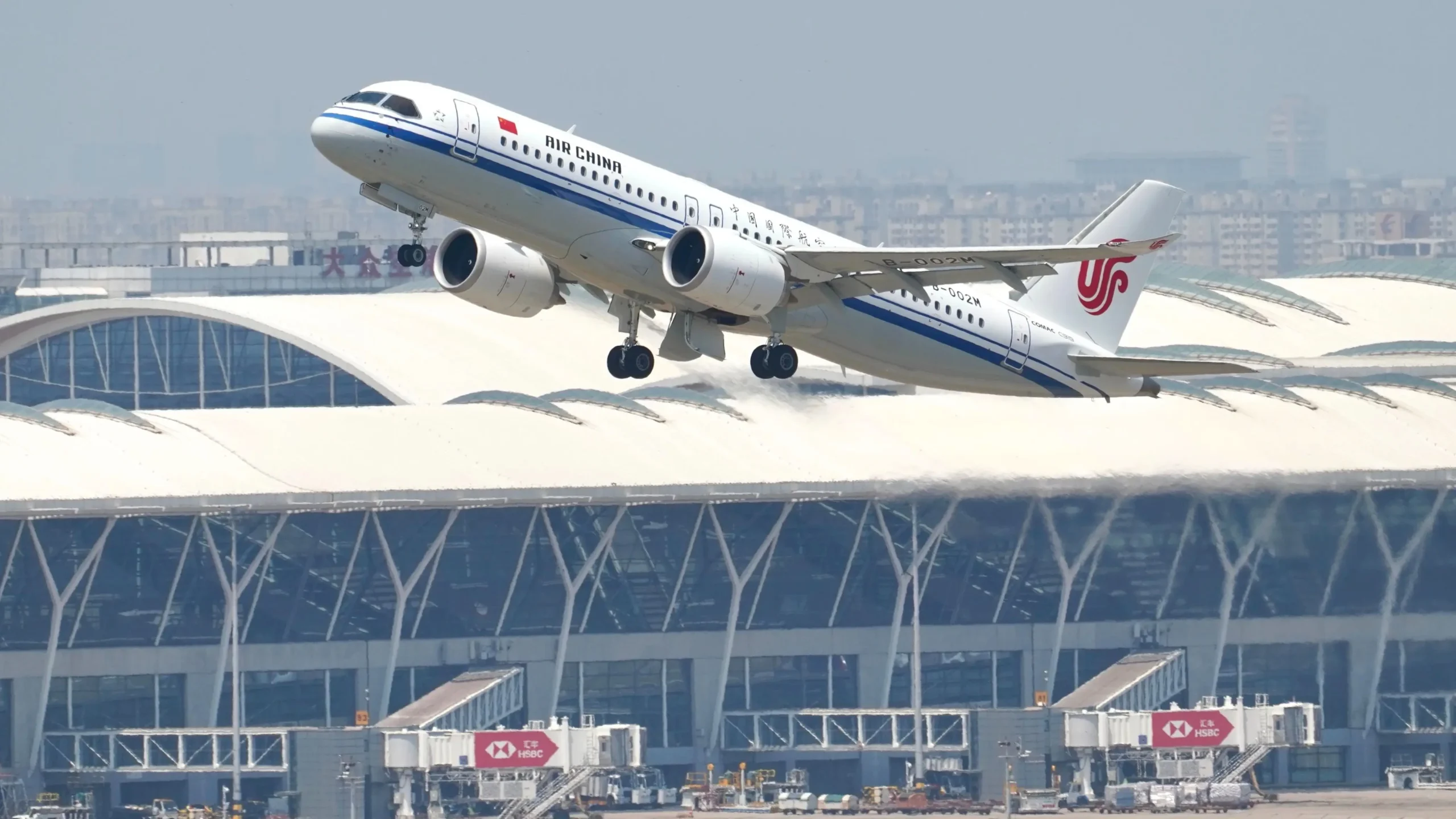
Since entering domestic service in May 2023, the C919 has transported over four million passengers across 46 routes, SCMP reported.
During the recent Lunar New Year travel period, the aircraft operated more than 4,300 flights, demonstrating increased utilization and operational confidence.
Authorities believe this growing dataset will strengthen the aircraft’s case for international certification. EASA representatives have also conducted site visits to Shanghai assembly facilities to better understand production standards.
Challenges and Outlook
Despite steady progress, certification timelines remain uncertain due to regulatory complexity and geopolitical considerations. Industry sources indicate that political factors may influence the pace of approval, even as technical benchmarks are met.
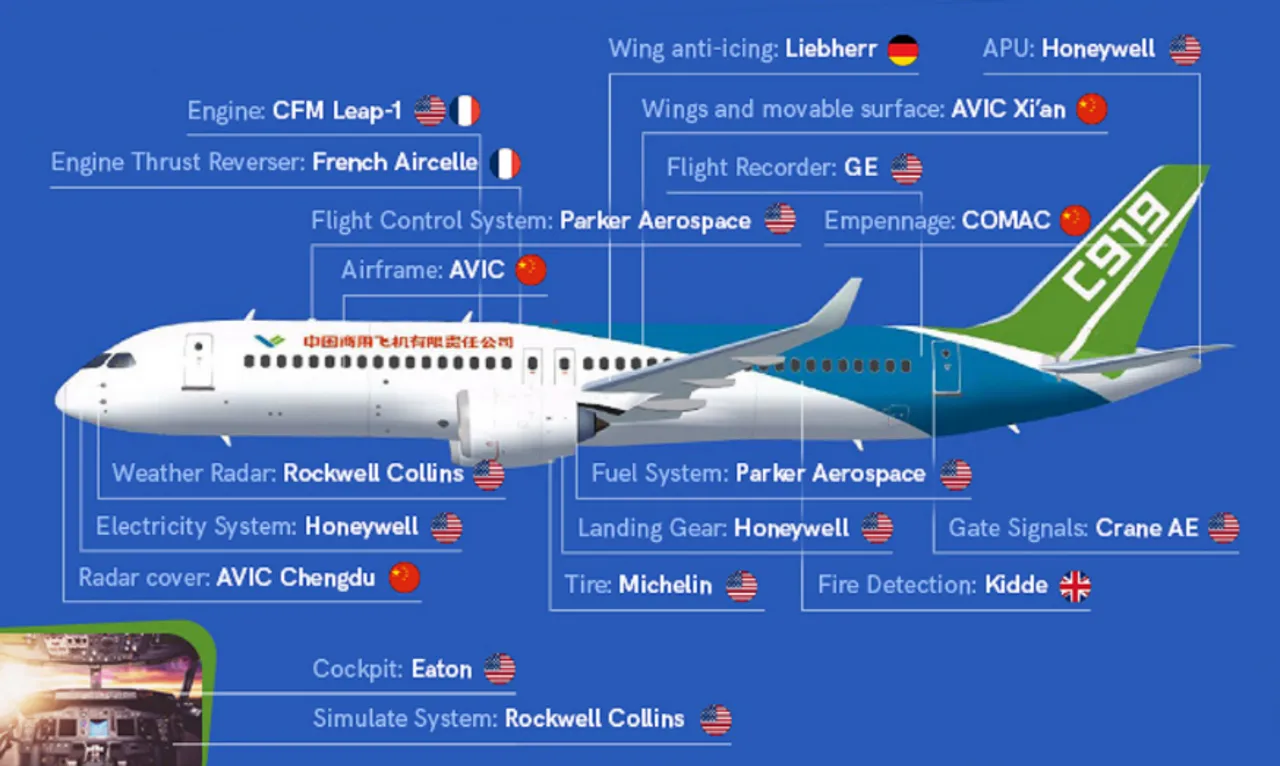
The aircraft relies on several components sourced from Western suppliers, which adds another layer of scrutiny to the certification process. However, some analysts suggest that strong commercial ties between China and European aerospace firms could indirectly support progress.
Airbus has secured significant aircraft orders from Chinese carriers in recent years, which may help maintain cooperative industry relations. Nevertheless, EASA officials have previously indicated that certification could take several years to complete.
The certification process continues to advance methodically, with ongoing testing and collaboration between Chinese authorities and European regulators. While no immediate breakthrough is expected, the sustained effort reflects China’s ambition to expand its presence in the global aviation market.
Stay tuned with us. Further, follow us on social media for the latest updates.
Join us on Telegram Group for the Latest Aviation Updates. Subsequently, follow us on Google News
