

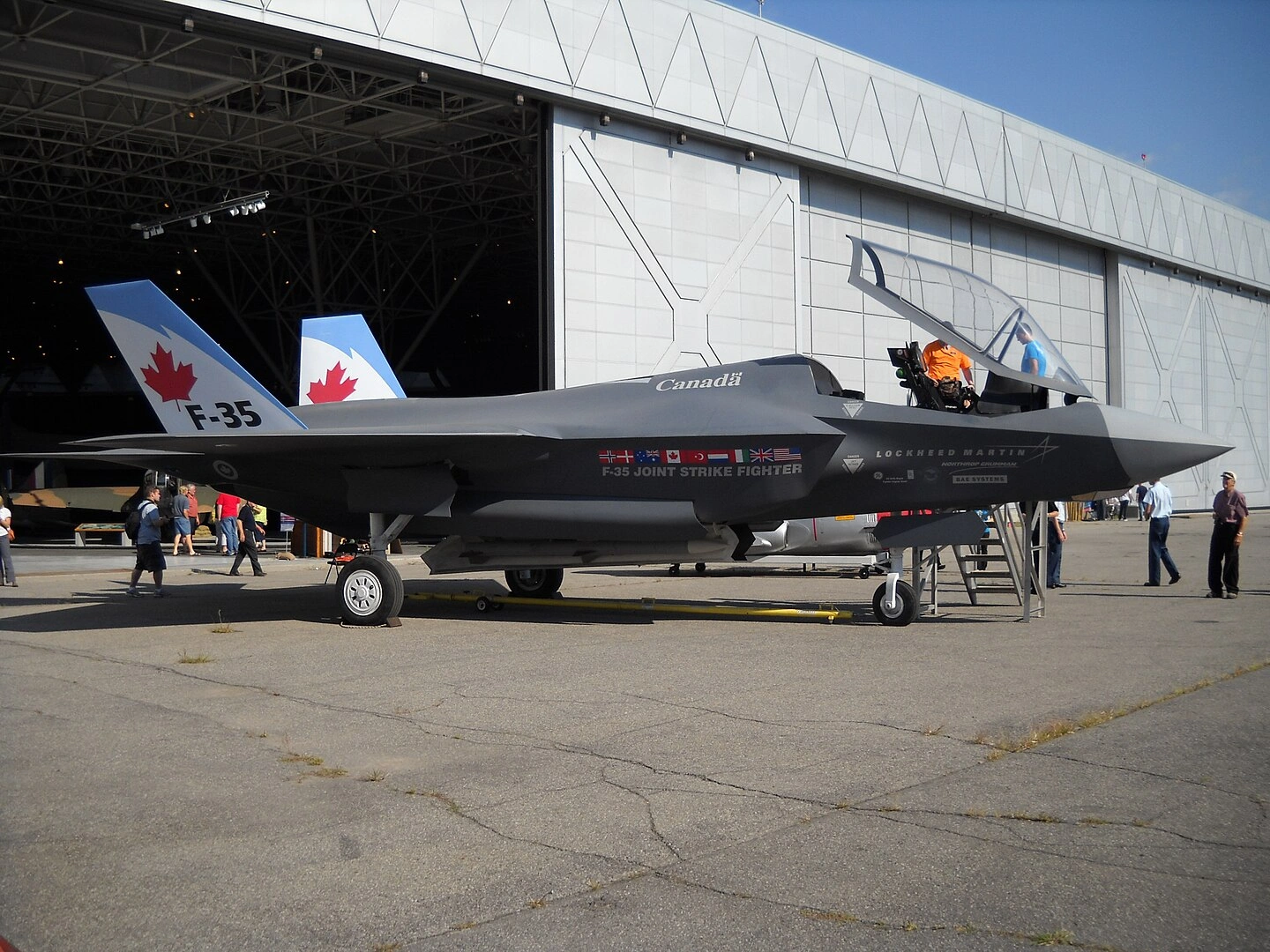
OTTAWA— Canada is evaluating participation in the Global Combat Air Program (GCAP) as an observer, signaling a potential shift from its contested F‑35 fighter acquisition.
The decision comes while Canada reviews its ongoing purchase of Lockheed Martin’s F‑35 Lightning II fighters for the Royal Canadian Air Force (RCAF). The acquisition has faced scrutiny since March 2025 as diplomatic tensions with the United States persist.

Canada May Join GCAP as an Observer
Canada may formally join GCAP as an observer, offering limited but significant access to classified program development details.
Observer status does not guarantee full partnership, but it allows Ottawa to assess technological directions and potential procurement options as the three partners develop the next‑generation fighter.
Under observer terms, Canada could review data shared by the UK, Japan, and Italy and later decide whether to take on deeper involvement, which might include production, co‑development, or formal acquisition.
Before Canada, Sweden held a similar position but exited the initiative in 2023, citing mismatched requirements and cost challenges.
Officials from Tokyo have indicated that the observer role serves as a strategic entry point for future defence collaboration. Ahead of a planned defence ministers’ meeting in Britain, partners are expected to publicly acknowledge Ottawa’s observer involvement.
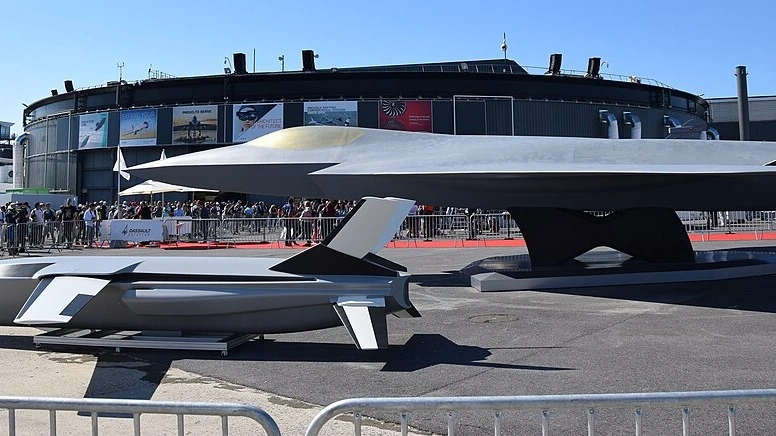
https://commons.wikimedia.org/wiki/File:FCAS_NGF_mock-up_at_Paris_Air_Show_2019_(1).jpg
GCAP’s Development Pace
The GCAP consortium, a fusion of Japan’s F‑X and the UK’s Tempest programs, has advanced more quickly than some continental European efforts, such as the Franco‑German Future Combat Air System (FCAS).
According to Eurasian Times, partners aim to conduct a first flight of a demonstrator aircraft by 2027 and field an operational sixth‑generation fighter by 2035.
Japan has liberalised its arms export rules and is actively seeking international buyers for the aircraft under development. Discussions have reportedly taken place with nations including India and Australia. Poland and Germany have also expressed interest.
Despite the openness, Tokyo is cautious about expanding full development roles to new partners, concerned that this could slow progress toward the 2035 timeline.
Consequently, Canada’s observer status could be more acceptable to the Japanese and other partners, as it does not require amendments to GCAP’s governing framework for full member inclusion.
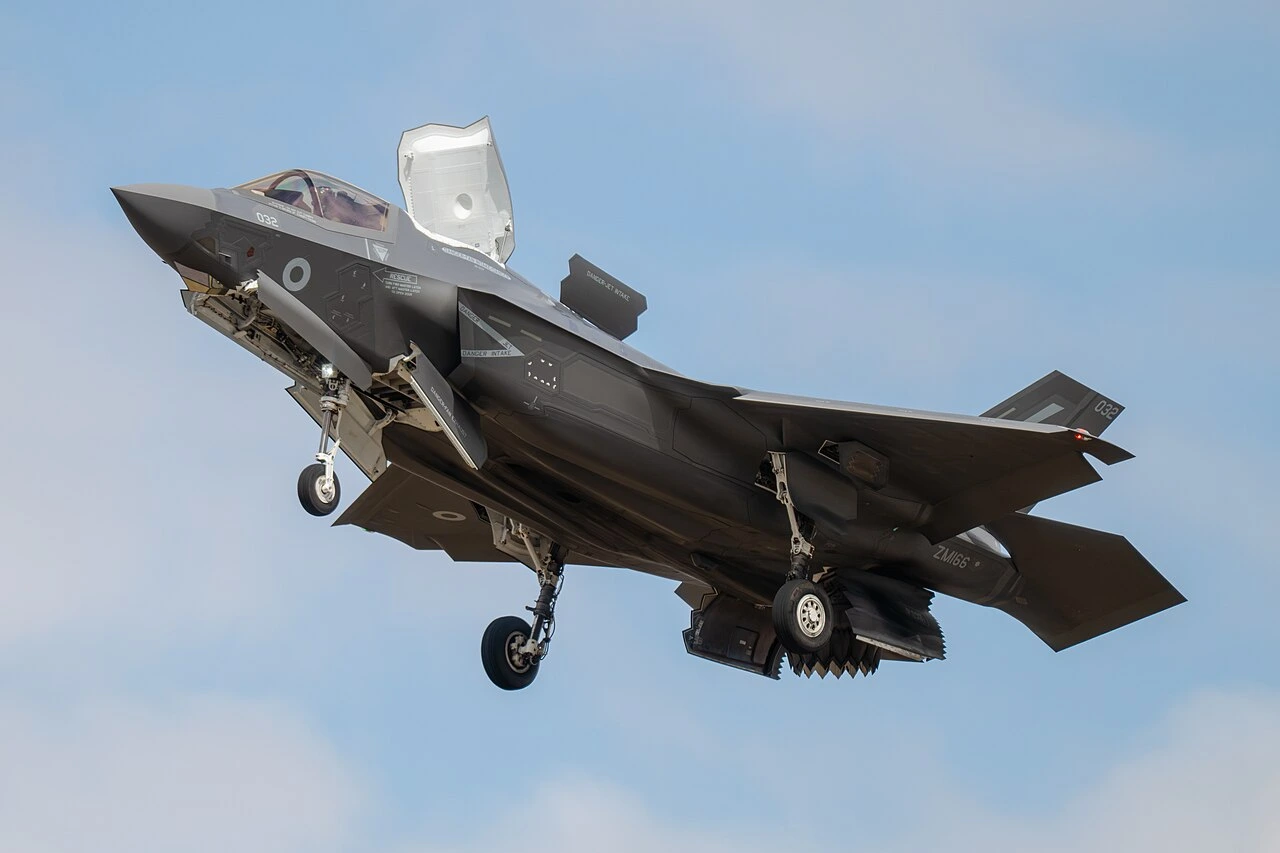
https://commons.wikimedia.org/wiki/File:Royal_Air_Force_Lockheed_Martin_F-35B_Lightning_II_ZM166_032_Royal_International_Air_Tattoo_2025_01.jpg
Impact of Canada Reviewing Its F-35 Purchase
The GCAP move intersects with Canada’s continuing evaluation of its F‑35 purchase commitment. The RCAF will receive 16 jets already funded, while the procurement of an additional 72 remains unsettled.
Alternatives such as Swedish‑built Gripen E/F fighters have been offered, but RCAF leadership, including Commander Lt‑Gen. Jamie Speiser‑Blanchet has publicly backed retaining a fifth‑generation capability to face emerging security threats.
Stay tuned with us. Further, follow us on social media for the latest updates.
Join us on Telegram Group for the Latest Aviation Updates. Subsequently, follow us on Google News
