

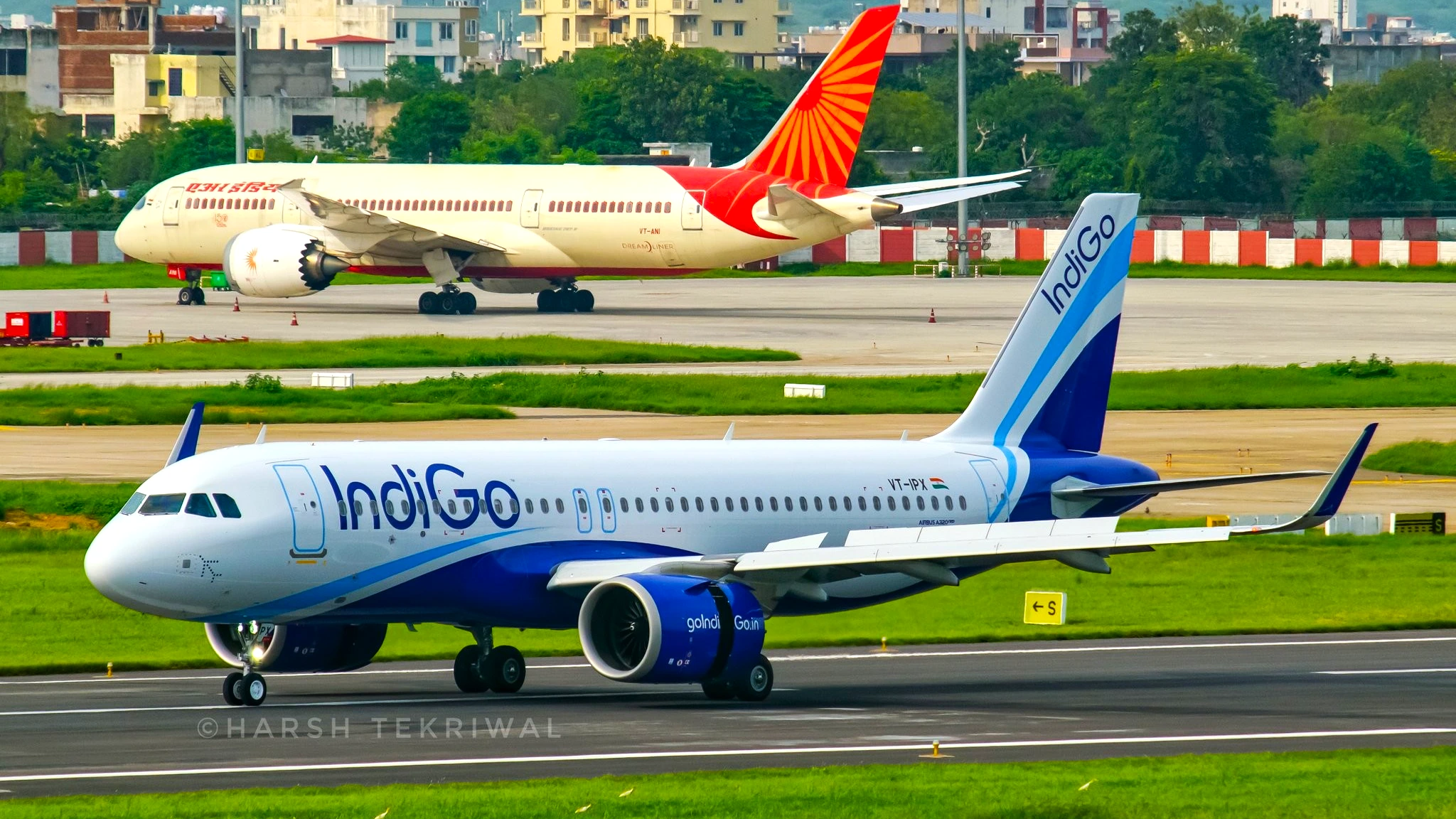
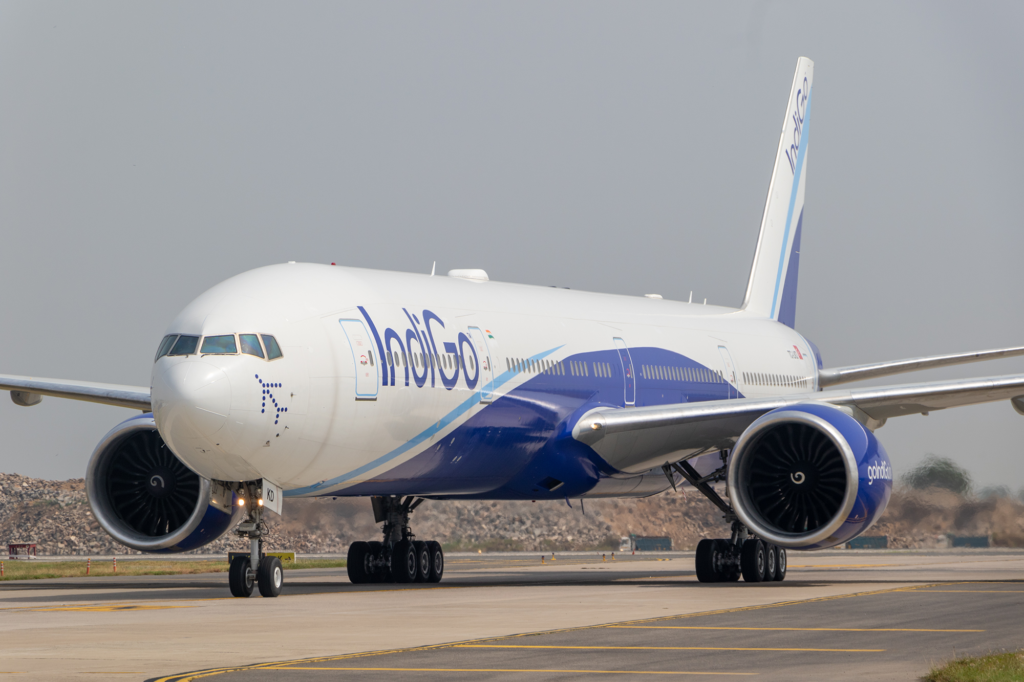
NEW DELHI- India’s aviation market shows strong growth but suffers from a limited fleet of widebody aircraft. Incoming IndiGo (6E) chief Willie Walsh described the country’s roughly 50 widebody planes as a “scandal” in an interview with the BBC.
Walsh, currently director general of the International Air Transport Association (IATA), will join IndiGo in August after his IATA term ends on July 31. He succeeds Pieter Elbers, who resigned as CEO on 10 March.
Walsh highlighted the huge potential for direct long-haul flights from major airports such as Delhi (DEL) and Mumbai (BOM) instead of routing passengers via Gulf hubs.
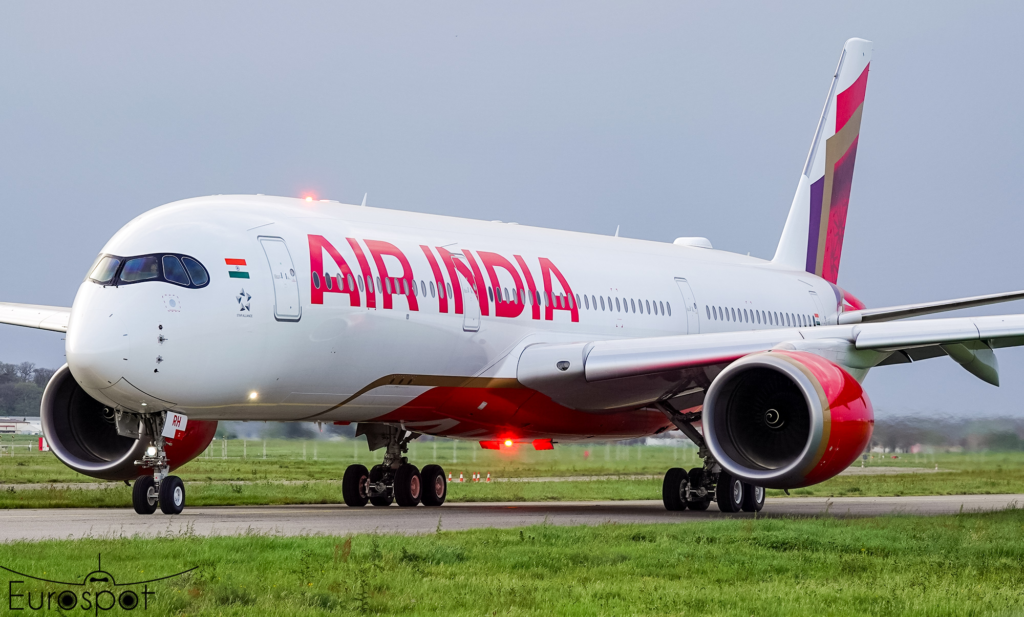
India’s Widebody Aircraft Shortage
A widebody aircraft is a larger twin-aisle plane built to carry more passengers over long distances.
It plays a key role in nonstop international and long-haul routes. India has a population of 1.4 billion and counting, plus favourable geography and demographics that drive demand for better air connectivity. Yet the country operated only about 50 widebody aircraft last year.
According to the BBC, Walsh called this situation a scandal. He said, “When you think about it, it’s a country of 1.4 billion and counting. But they only had 50 widebody aircraft in the country last year. So that’s probably – you could describe it as a scandal.”
Walsh added that the fleet should be much bigger and believes it will grow significantly going forward.
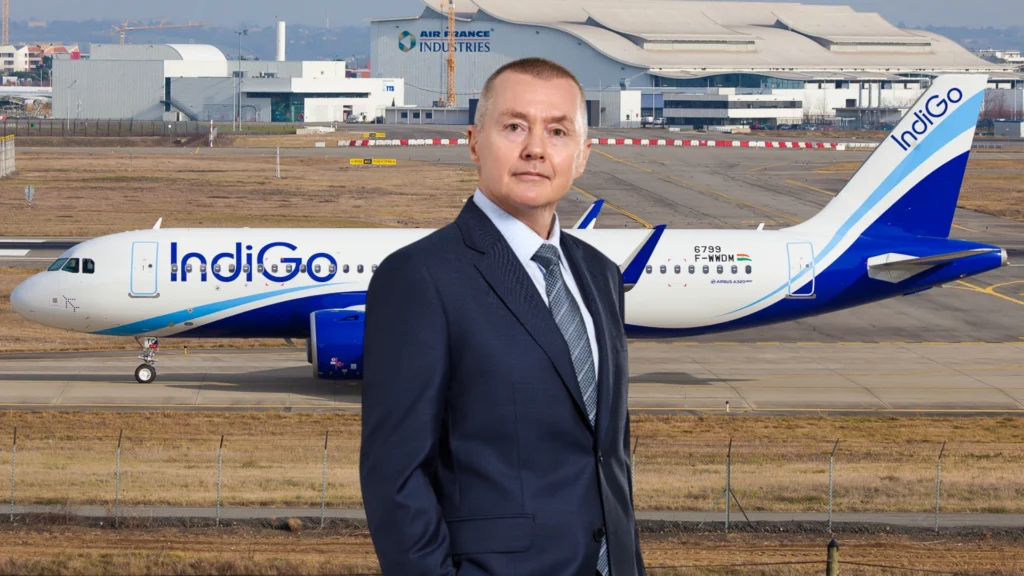
Leadership Transition at IndiGo
Willie Walsh takes over as chief executive of IndiGo (6E), India’s largest airline, in August. He succeeds Pieter Elbers, who resigned on 10 March, citing personal reasons.
The departure followed a major crisis in December when IndiGo cancelled around 4,500 flights. This event was the largest disruption in the airline’s 20-year history and left thousands of passengers stranded at airports across India.
The cancellations resulted from new pilot duty and rest regulations introduced to reduce crew fatigue.
IndiGo later acknowledged it had misjudged the number of pilots needed once the rules took effect.
In the BBC interview, Walsh declined to comment directly on IndiGo because he has not yet started.
He said, “I’m not going to really comment on it because I haven’t started there until August. So I can comment about India in general, but not IndiGo specifically.”
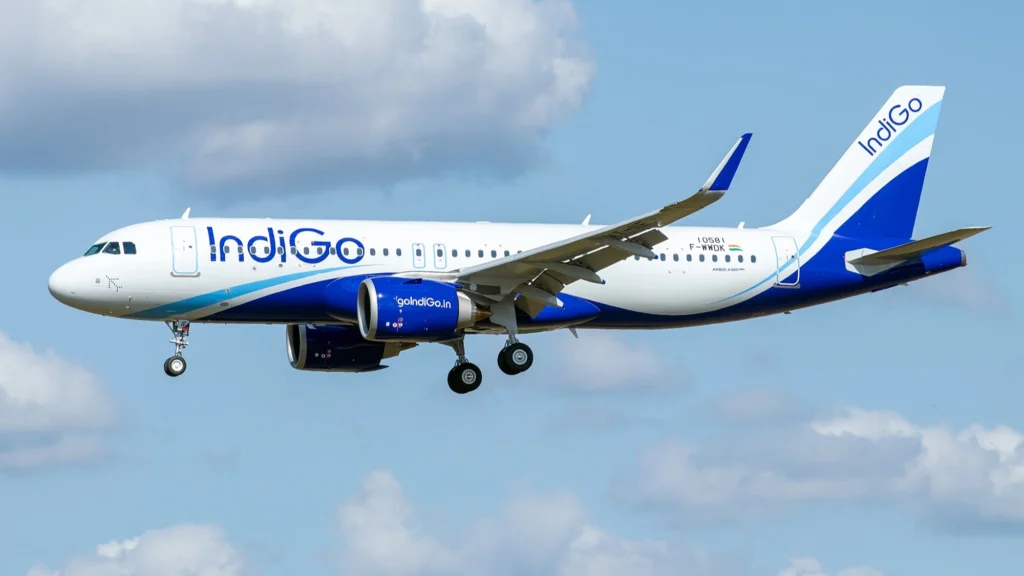
Positive View on India’s Aviation Growth
Walsh described India’s aviation sector as fascinating to watch in recent years. He pointed to strong growth and improving connectivity.
The combination of population size, geography, and demographics creates clear needs and a desire for greater air travel.
He has been a long supporter and admirer of developments in India, including investments made by airlines and by the government in infrastructure.
Opportunities for Direct International Connectivity
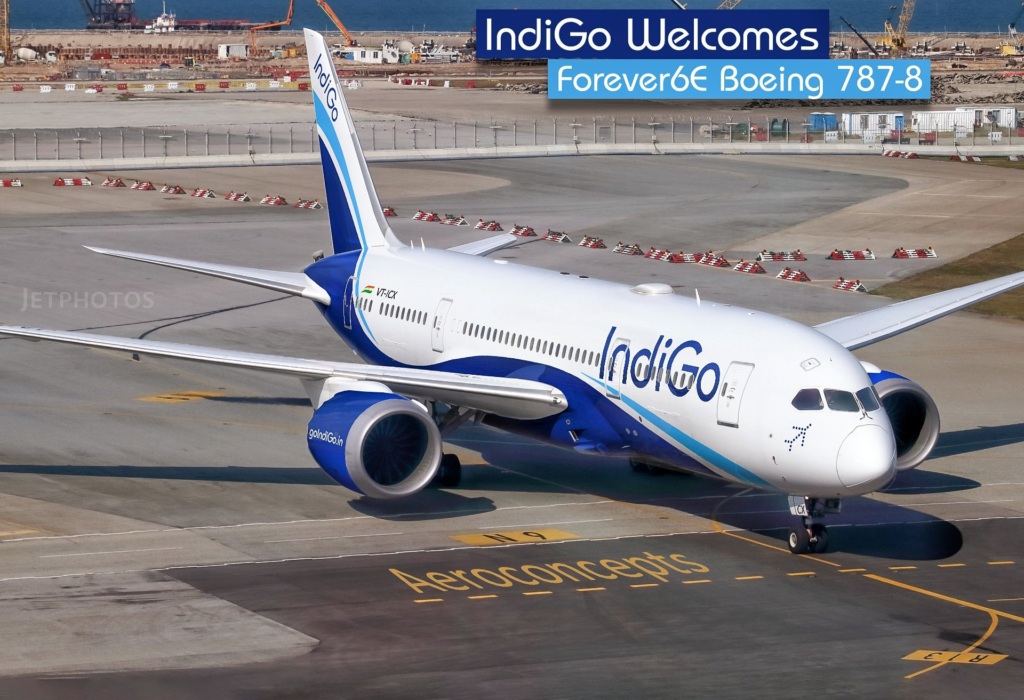
Indian carriers have depended on transferring passengers over Gulf hubs, particularly into North America. Walsh sees this as a huge opportunity for Indian airlines to grow their global presence.
He stressed that the real opportunity for India is actually to provide direct international connectivity from India to the world.
Airports such as Delhi (DEL), Mumbai (BOM), Bengaluru (BLR), and Hyderabad (HYD) could play a bigger role in nonstop long-haul services.
Economic Outlook and Energy Challenges
Walsh said India would be a fascinating economy to watch in the years ahead and expressed confidence in its growth trajectory.
As a big importer of oil and also a big refiner, India faces unique challenges from global energy disruptions. Jet fuel supply has been affected by restrictions linked to the war in Ukraine.
These issues could prompt governments to re-evaluate the advantages of renewable energy for greater energy security and independence, rather than viewing it only from an environmental perspective.
Walsh expressed disappointment at the behaviour of sustainable fuel suppliers. He noted a significant increase in the price of sustainable aviation fuel.
He had hoped this would serve as a great opportunity to demonstrate the importance of sustainable fuel as an alternative.
Instead, suppliers appeared to take advantage of the situation. Walsh remarked that at one level this is disappointing, while at another level one must recognise that this is the way markets operate.
Strong Demand Fundamentals
Despite current challenges, Walsh said demand fundamentals remain strong.
Any disruption to key routes, such as those linking India with the Gulf, is likely to be temporary. He believes it will rebound pretty quickly.
Stay tuned with us. Further, follow us on social media for the latest updates.
Join us on Telegram Group for the Latest Aviation Updates. Subsequently, follow us on Google News
