

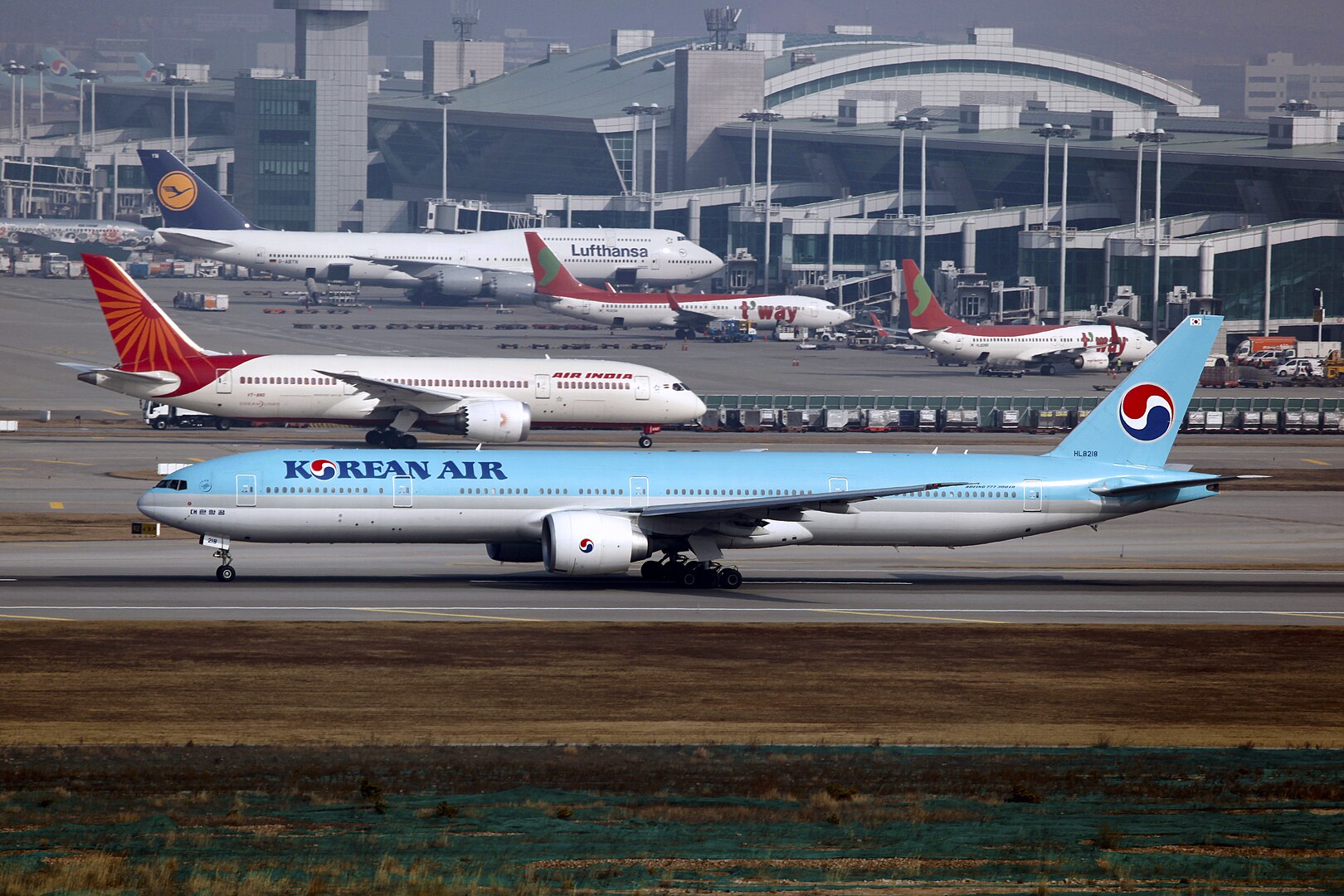
SEOUL– Korean travelers are confronting widespread flight disruptions as the continued Middle East conflict and soaring jet fuel prices compel airlines to reduce international services and scrap planned routes.
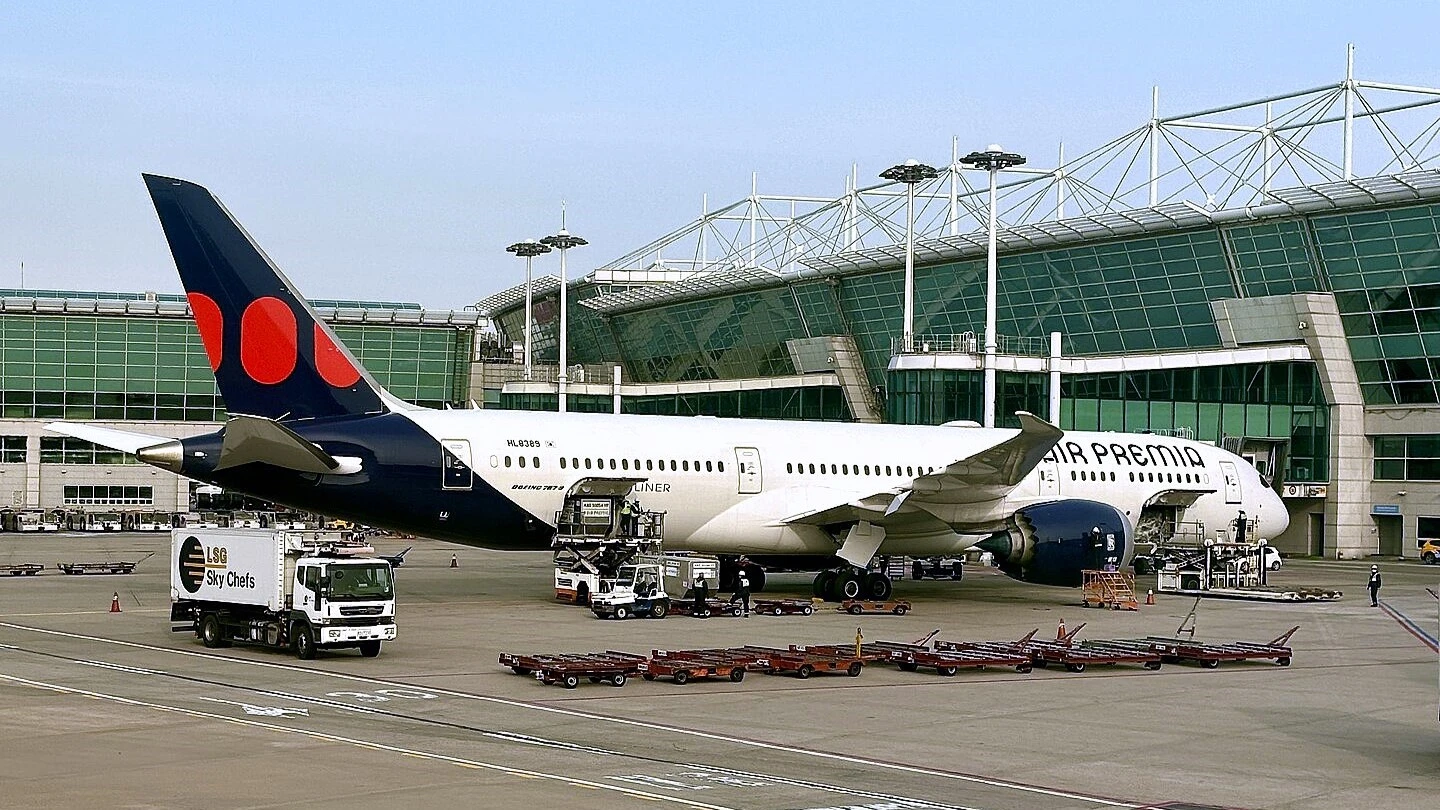
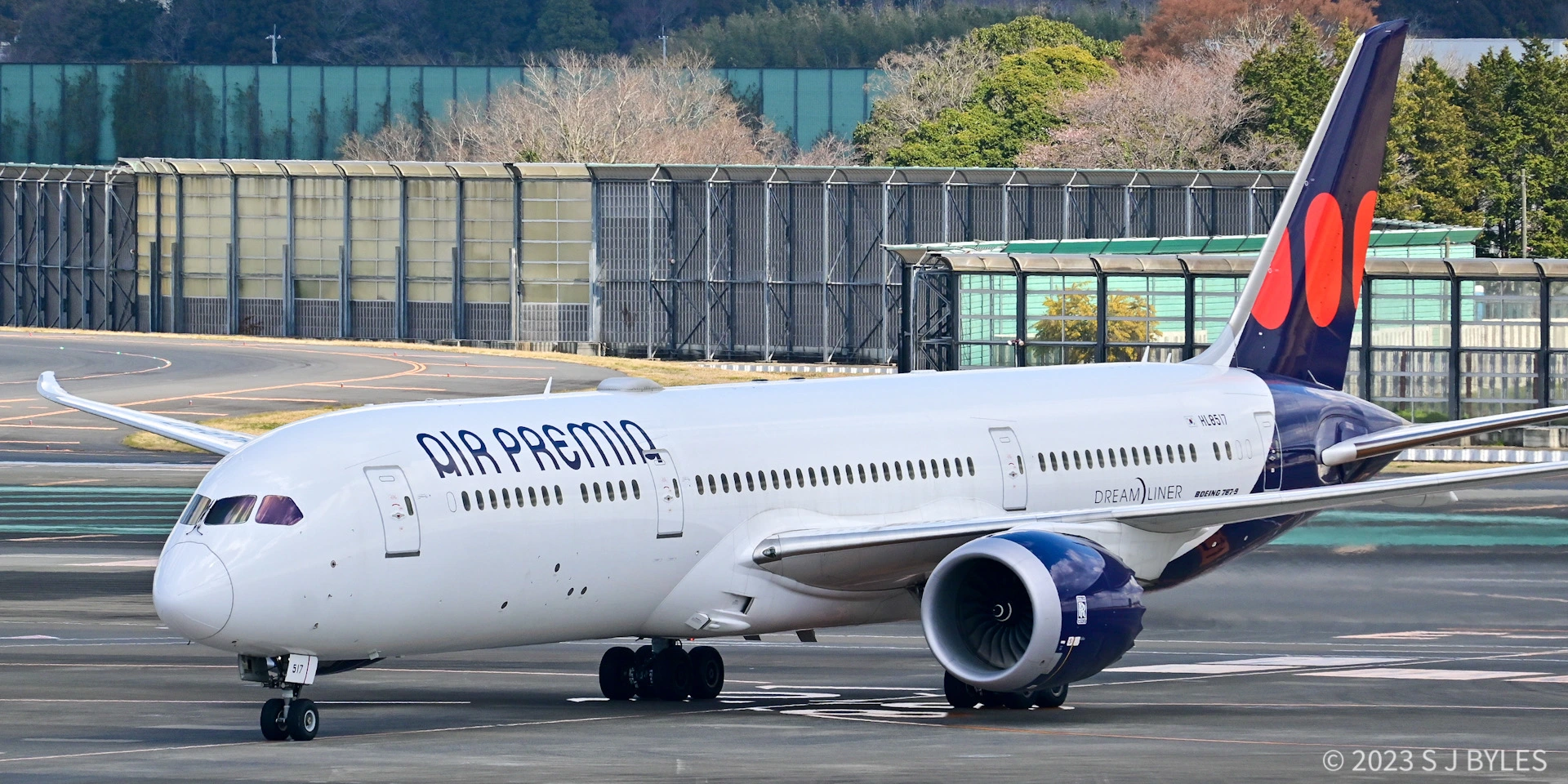
South Korea’s low‑cost and full‑service carriers are trimming operations amid oil market volatility. Air Premia (YP) has recently pulled back multiple long‑haul services from Seoul Incheon International Airport (ICN) to major U.S. destinations, including San Francisco (SFO) and Newark (EWR).
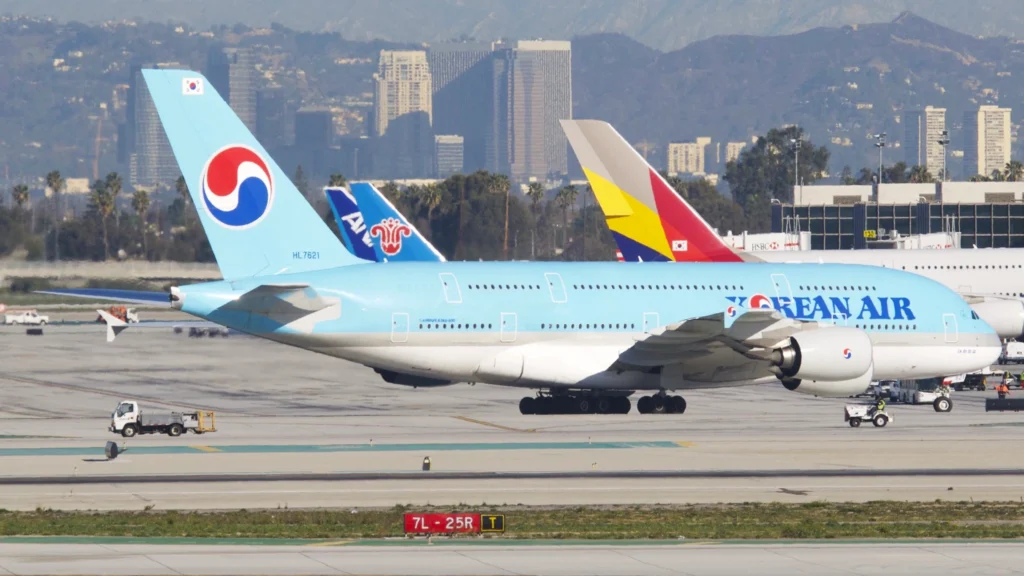
Korean Airlines Cut Routes Amid Rising Fuel Cost
Several Korean carriers have specifically cited cost pressures in their operational decisions. Air Premia has cut about ten flights to North America in May, and earlier cancellations included routes to Los Angeles and Honolulu.
Eastar Jet has also suspended numerous Southeast Asia flights, while other LCCs are evaluating additional cuts. Air Busan stopped services between Busan (PUS) and destinations such as Guam, further narrowing travelers’ options.
At the same time, Aero K, operating from Cheongju Airport (CJJ), and Air Busan (BX) have scaled back or suspended flights to Southeast Asian locales, including Da Nang and Cebu.
The retreat of these airlines is part of a global pattern. Other budget and full‑service carriers in Asia have reduced varied services, with some choosing to increase fuel surcharges or revise fare structures to recoup costs rather than maintain schedules that operate at a loss.
Impact on Passengers
For travelers, the airline cutbacks are more than inconvenient; they are costly. Many passengers report receiving abrupt notices of itinerary changes with minimal explanation or support.
One family headed to Vietnam for vacation discovered their return flight was postponed by an entire day and rerouted with a new layover, leaving them responsible for additional expenses.
Other travelers say airlines justified alterations on vague “business plan changes” and declined to waive change or cancellation fees.
Meanwhile, travelers booking through third‑party agencies and online platforms recount delayed refunds and limited alternative routing possibilities.
Ancillary charges like baggage fees and processing costs often remain nonrefundable, even when airlines initiate disruptions — prompting frustration in online forums and social media threads as complaints mount.
Regulatory and Industry Responses
Consumer advocates argue that passengers shoulder the financial burden of systemic airline adjustments.
Existing international conventions allow carriers to evade liability for cancellations if they demonstrate they took “reasonable measures,” which typically include offering refunds or alternate flights.
Aviation authorities in Seoul are monitoring airline compliance with passenger protection requirements, but regulators acknowledge that war‑related disruptions complicate compensation enforcement.
Industry analysts warn that continued fuel price volatility and geopolitical instability could prolong flight disruptions. Carriers are unlikely to restore previously cut services until fuel prices stabilize or demand recovers sufficiently to justify the routes.
Stay tuned with us. Further, follow us on social media for the latest updates.
Join us on Telegram Group for the Latest Aviation Updates. Subsequently, follow us on Google News
