

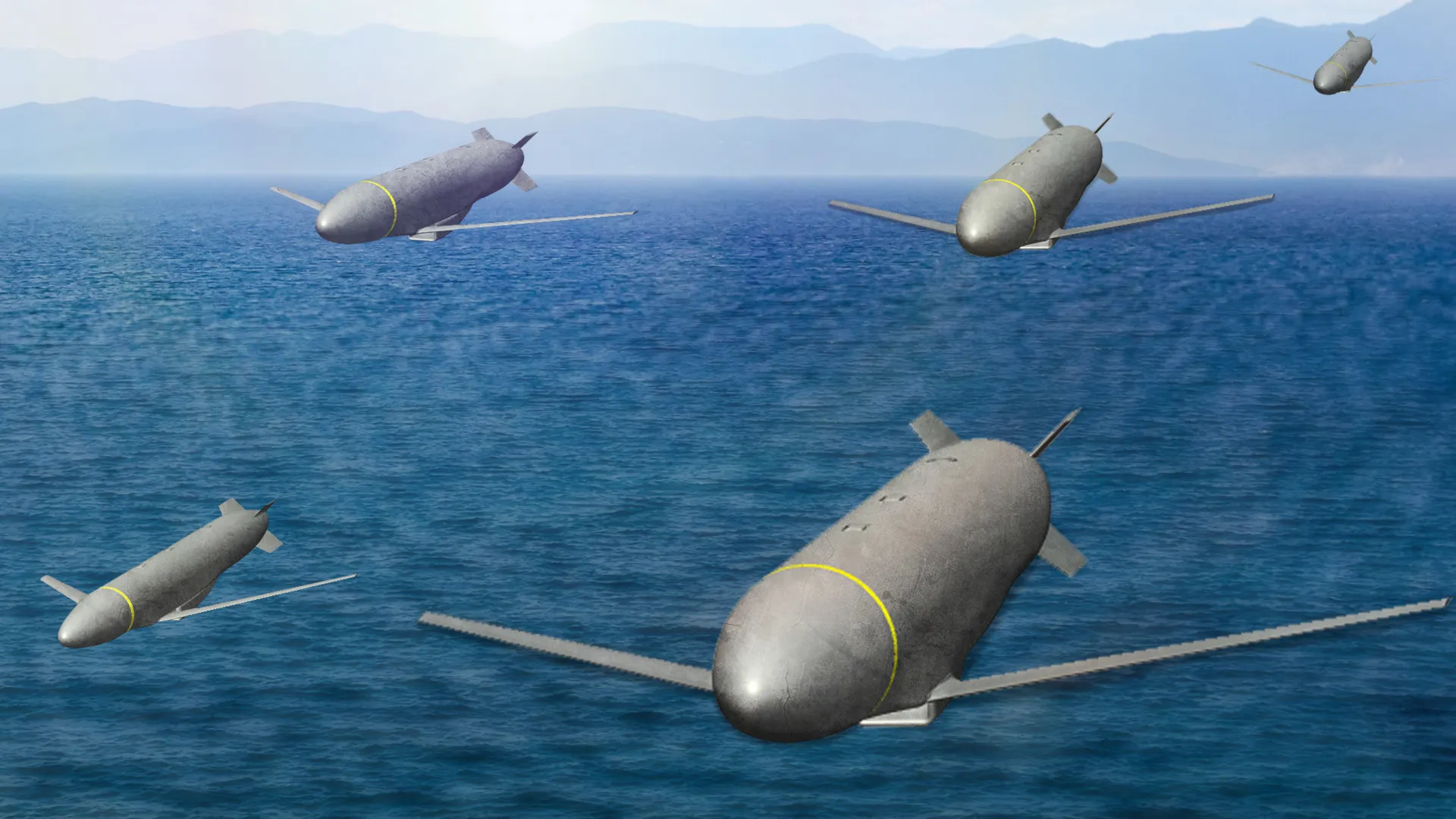
The US Air Force is reviving its Standoff Attack Weapon (SoAW) concept, an affordable air-launched standoff cruise missile intended for fielding around 2033.
The Air Force Life Cycle Management Center (AFLCMC) announced an industry day event on June 17 at Eglin Air Force Base to gather market research and discuss desired attributes of the new weapon system.
This revival comes as missile procurement funding surges dramatically. The White House’s fiscal 2027 budget request projects Air Force missile procurement spending of $11.36 billion, nearly triple the $3.7 billion allocated in fiscal 2026, with plans to reach $16 billion by fiscal 2029.
US Air Force Revives Affordable Standoff Cruise Missile
The SoAW concept is not entirely new. The Air Force first explored it in an August 2022 request for information, which outlined a notional fielding timeline of 2030 to 2033.
That notice expired later that year, and the program saw no further activity for several years. Officials are now reviving the concept amid a broader surge in munitions interest and funding across the defense enterprise.
The industry day, open to interested parties who apply by June 1, aims to explore what an affordable future standoff attack weapon system should look like against heavily defended targets, Air and Space Forces reported.
Existing Standoff Weapons and Their Costs
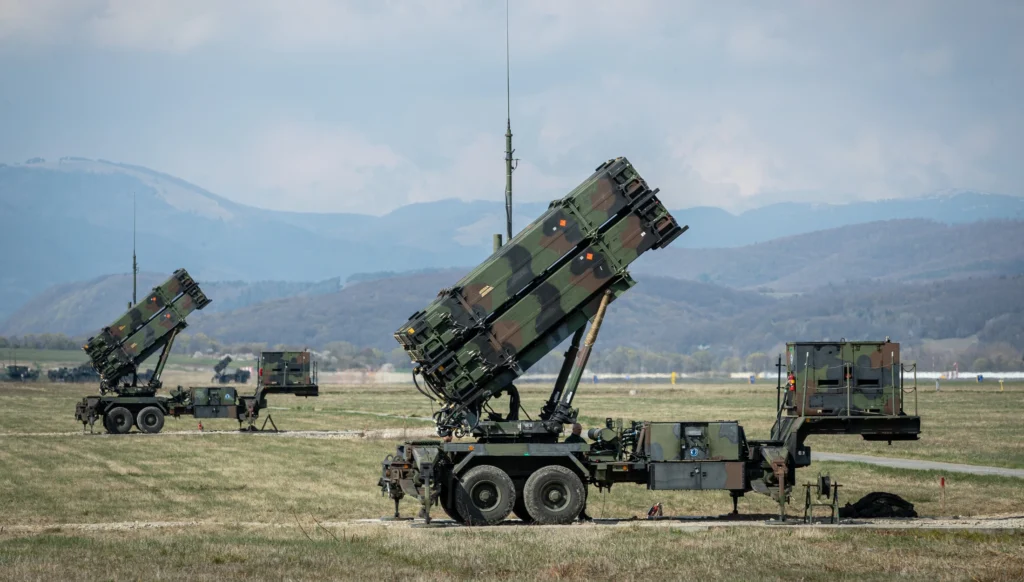
The Air Force already operates several long-range standoff weapons, but affordability remains a persistent challenge across the inventory.
The AGM-158 Joint Air-to-Surface Standoff Missile-Extended Range (JASSM-ER) offers a range of approximately 600 miles and costs around $2.6 million per unit. An extreme-range variant, planned for delivery in 2027, will extend that range to 1,000 miles.
The AGM-158C Long Range Anti-Ship Missile (LRASM), a maritime variant of the JASSM, costs approximately $3.6 million each. The AGM-154 Joint Standoff Weapon (JSOW) also remains part of the current inventory.
Standoff weapons are designed to be launched beyond the range of adversary defenses, making them especially valuable for non-stealthy aircraft operating in contested airspace.
Complementary Programs Expanding the Munitions Portfolio
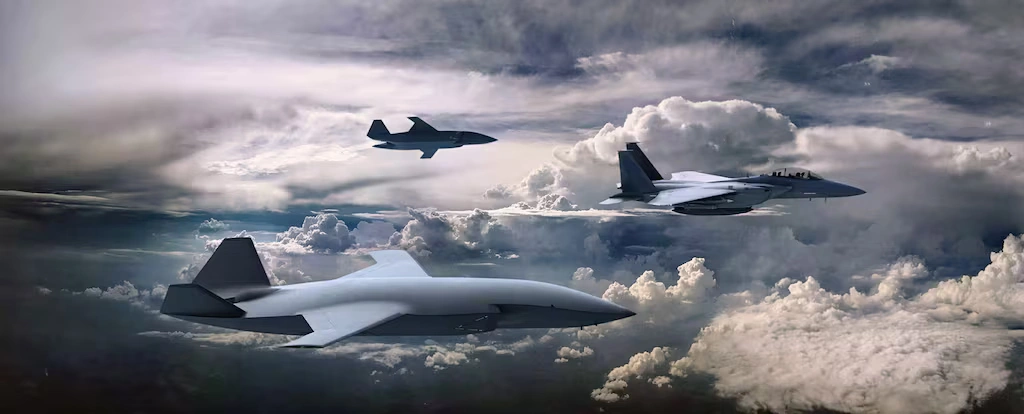
Several related programs are advancing alongside SoAW, collectively aimed at building larger and more affordable munitions stockpiles.
The Extended Range Attack Munition (ERAM) is an air-launched cruise missile built to strike fixed targets from standoff ranges with precision guidance at reduced cost.
The Family of Affordable Mass Munitions (FAMM) program, introduced with the fiscal 2026 budget, focuses on prototyping affordable small turbine engines, seekers, networked datalinks, collaborative autonomy systems, and warhead components.
The reconciliation package known as the One Big Beautiful Bill Act allocated $656.3 million for 3,010 FAMM weapons, with an additional $355 million requested in the fiscal 2027 budget.
On March 31, the Defense Advanced Research Projects Agency (DARPA) and the Air Force Research Laboratory (AFRL) posted separate industry notices. DARPA sought information on manufacturing processes for missile propulsion systems and on the industry base for air-to-air avionics and sensors.
AFRL posted a requirement for a large-scale, affordable cruise missile capable of flying at least 350 nautical miles at a target cost of under $250,000 per missile.
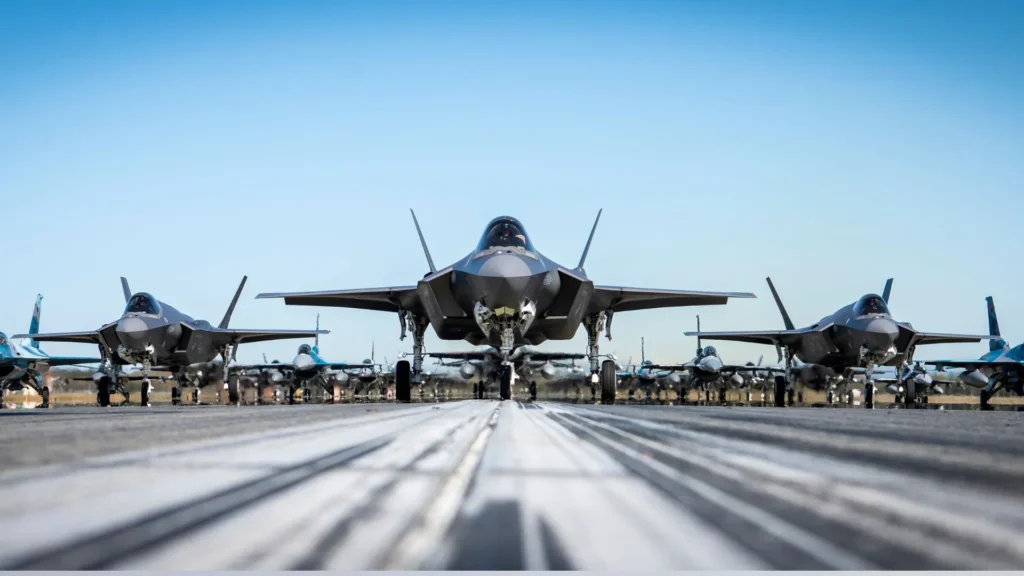
Stand-in Weapons Receiving Parallel Attention
On the opposite end of the range spectrum, the Air Force is also expanding its Stand-in Attack Weapon (SiAW) program, currently built by Northrop Grumman.
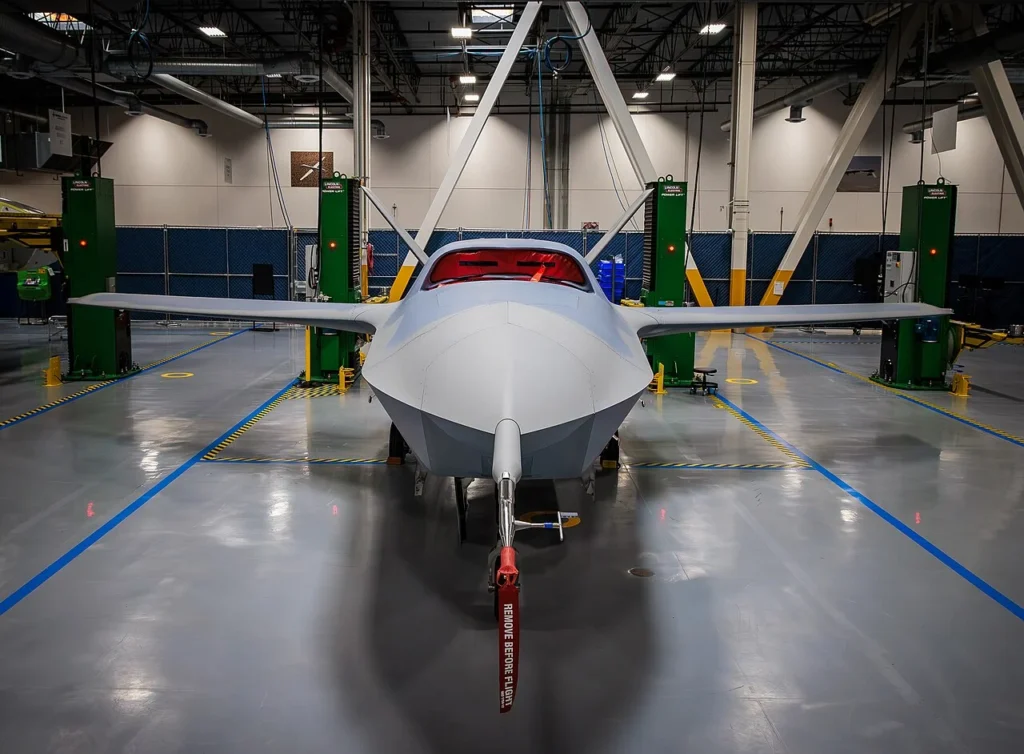
The SiAW is a supersonic air-to-ground missile designed to defeat enemy air defenses and engage high-value, relocatable targets. The F-35, F-16, F-47, and B-21 are all slated to carry the weapon.
Brig. Gen. Robert P. Lyons III, portfolio acquisition executive for weapons, told Congress in March that new acquisition methods and novel testing approaches are enabling the Air Force to expand production, grow munitions inventories, and replenish stockpiles more rapidly.
Stay tuned with us. Further, follow us on social media for the latest updates.
Join us on Telegram Group for the Latest Aviation Updates. Subsequently, follow us on Google News
