

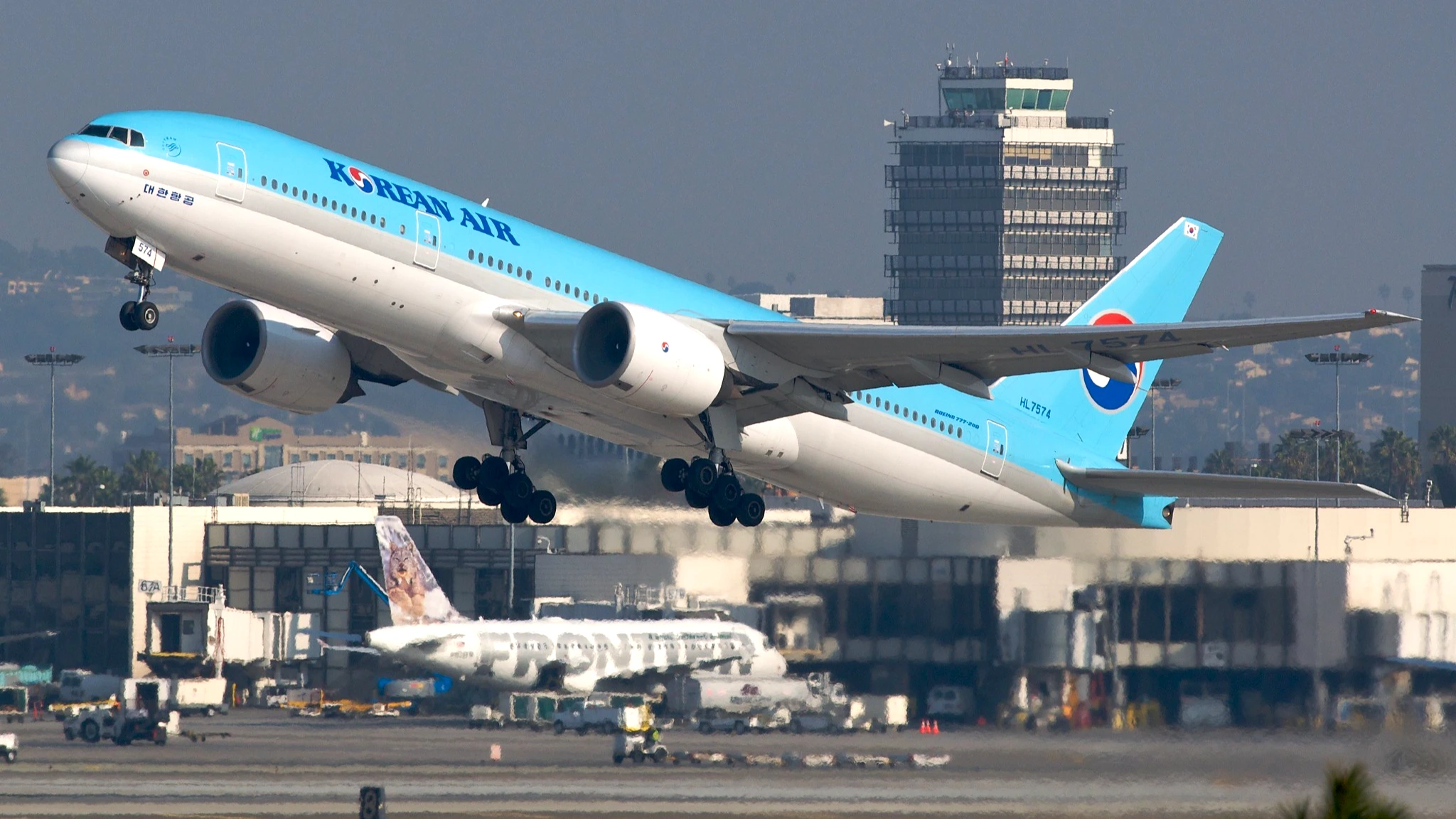
SEOUL- A 33-year-old U.S. Department of Defense employee died aboard Korean Air (KE) Flight 94 on March 29, 2024, after the cabin crew allegedly handed her an oxygen mask that was never connected to the oxygen tank.
The wrongful death lawsuit, filed in a Virginia federal court, alleges that Porscha Tynisha Brown’s death resulted directly from a series of critical failures by Korean Air flight personnel aboard the Washington Dulles International Airport (IAD) to Incheon International Airport (ICN) flight.
Charles Gormly, acting as the special administrator of Brown’s estate, has filed a wrongful death lawsuit against the airline, asserting Brown “would have in all likelihood survived” if the crew had responded appropriately. Korean Air has since stated it will participate in legal proceedings, the Independent UK reported.
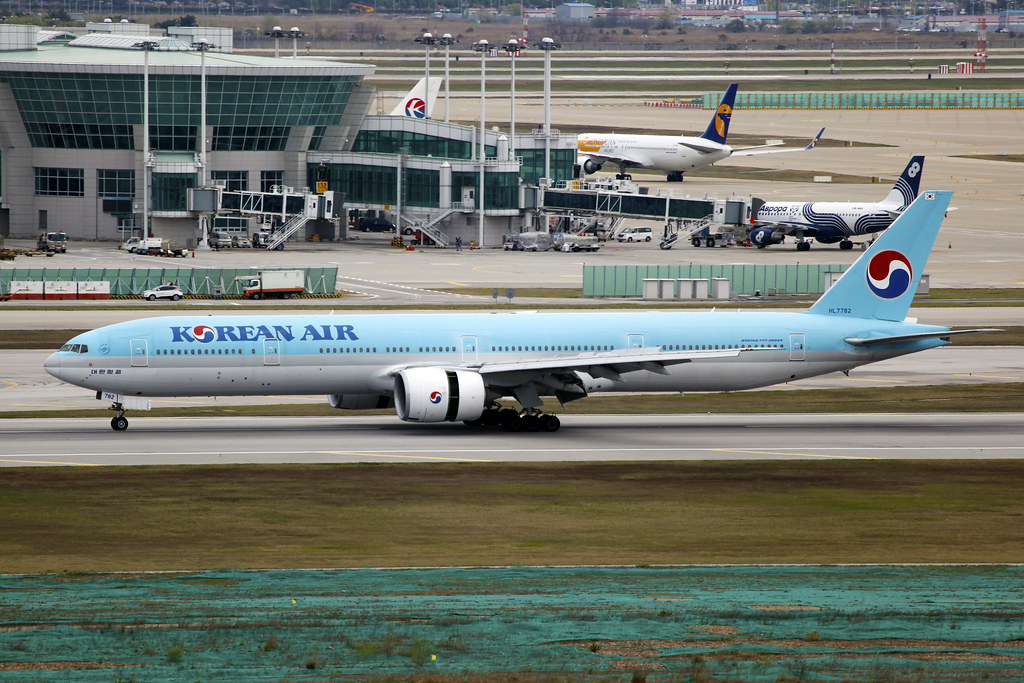
Korean Air Passenger Dies Due to Mistake
Brown boarded Korean Air Flight KE94 on March 29, 2024, set to fly from Washington Dulles International Airport (IAD) to Incheon International Airport (ICN) in Seoul, South Korea. She was traveling on vacation with three friends.
About 12 hours into the flight, shortly after the second meal service, Brown told one of her traveling companions she was not feeling well and got up to use the restroom. Within minutes, the flight crew made a PA announcement asking if any medically trained passengers were on board.
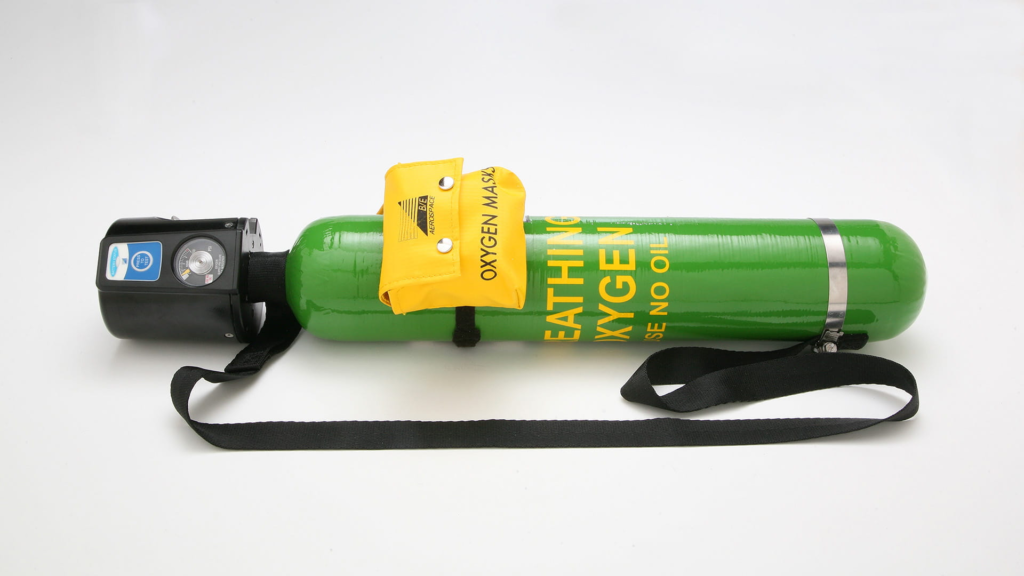
Brown’s friends made their way to the back of the plane and found her on the ground in the aisle, clutching her chest and telling them she could not breathe. The cabin crew handed Brown an oxygen mask to place over her face, which her friends believed was delivering supplemental oxygen.
After the flight, eyewitnesses discovered the mask was never connected to an oxygen supply, leaving Brown without the life-saving oxygen she urgently needed.
The lawsuit states that throughout the emergency, Brown never received any supplemental oxygen from the tank that Korean Air personnel had provided.
Korean Air Spokesperson told Aviation A2Z:
Our sympathies remain with the passenger’s family. Passenger safety is our highest priority, and our cabin crews are trained to respond to in-flight medical emergencies. Korean Air will fully respond to and participate in the legal proceedings, but it isinappropriate for Korean Air to further comment on ongoing legal matters at this time.”
Korean Air Spokesperson

Crew’s Inaction With the Defibrillator
As Brown’s condition worsened, fellow passengers stepped in to assist. The crew retrieved a defibrillator but gave no instructions on how to use it to the volunteers who were helping treat Brown, so they were unable to deliver a potentially lifesaving shock to her.
The automated external defibrillator repeatedly issued an audio command advising a shock, but the untrained passenger volunteers did not know they needed to press the shock button to act on it. No shock was ever administered.
Rather than taking charge of the situation, the complaint alleges the flight crew spent the emergency alternating between panicking, observing, and taking notes.
Volunteer passengers also administered a shot of epinephrine in an attempt to reverse Brown’s symptoms, but it did not work.
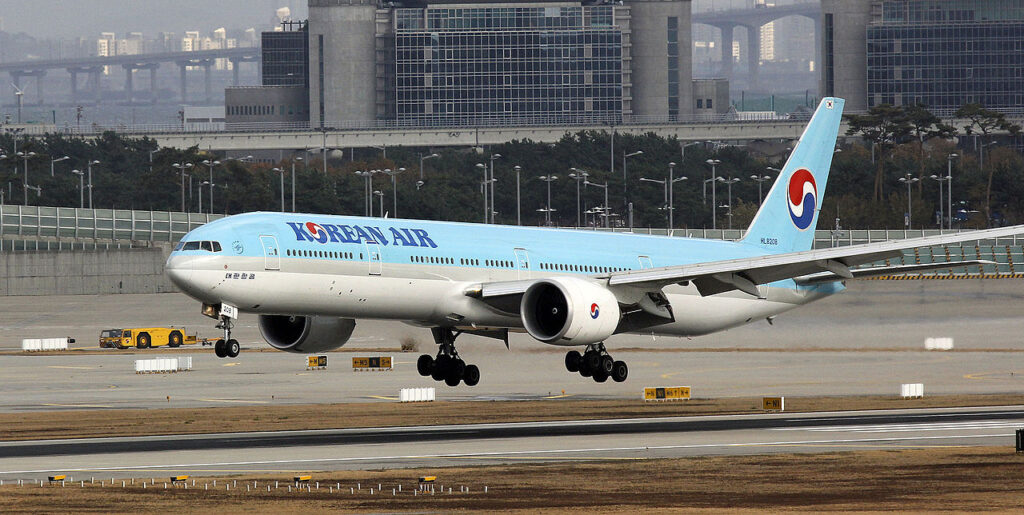
Emergency Diversion to Japan and Cause of Death
With Brown unresponsive, the captain diverted the aircraft to Osaka, Japan. The flight landed in Osaka, Japan, and Brown was transported to Rinku General Medical Center, where she was pronounced dead upon arrival. Her Japanese death certificate lists the cause of death as acute cardiac failure.
Traumatized, Brown’s three friends then had to figure out the logistics of getting her remains back to the U.S. from Japan, a country none of them had ever been to before, and where they knew no one.
Brown was a Maryland native, a workplace safety specialist, and a civilian employee at Fort Belvoir, a U.S. Army installation in Virginia.
She held a master’s degree and had plans to pursue a doctorate. She received an award of excellence from her garrison commander just four days before departing for Korea.
What the Lawsuit Claims
The complaint, filed on March 27, 2026, in the U.S. District Court for the Eastern District of Virginia, accuses Korean Air of violating its own company policies by failing to render effective aid, waiting too long to declare a medical emergency, and not diverting the flight sooner.
Attorney Hannah Crowe, representing Brown’s estate, stated that all airlines have strict protocols for medical emergencies, and deviating from those procedures invites tragedy.
Co-counsel Darren Nicholson called the crew’s conduct particularly alarming, noting the violations involved basic steps the crew simply did not take.
The lawsuit seeks damages for wrongful death, lost income, medical expenses, and emotional distress. Korean Air has confirmed it will respond to the legal proceedings but stated it would not comment further given the pending litigation.

Airline Medical Emergencies: A Broader Problem
In-flight medical emergencies are not rare. The global incidence runs between 18.2 and 39 per million passengers, or roughly one every 212 flights, depending on the study. Survival rates for cardiac arrest at altitude are significantly lower than those occurring on the ground.
Attorney Abram Bohrer, who specializes in airline cases but is not involved in Brown’s lawsuit, noted that the potential for an unfortunate outcome in these situations is high because flight crews often lack proper training to deal with medical emergencies.
Under aviation regulations, commercial carriers are required to maintain basic emergency medical equipment on board and to have crew members trained in how to use it. Whether Korean Air’s crew met that standard during Flight KE 94 is now a matter for the courts to decide.
Stay tuned with us. Further, follow us on social media for the latest updates.
Join us on Telegram Group for the Latest Aviation Updates. Subsequently, follow us on Google News
