

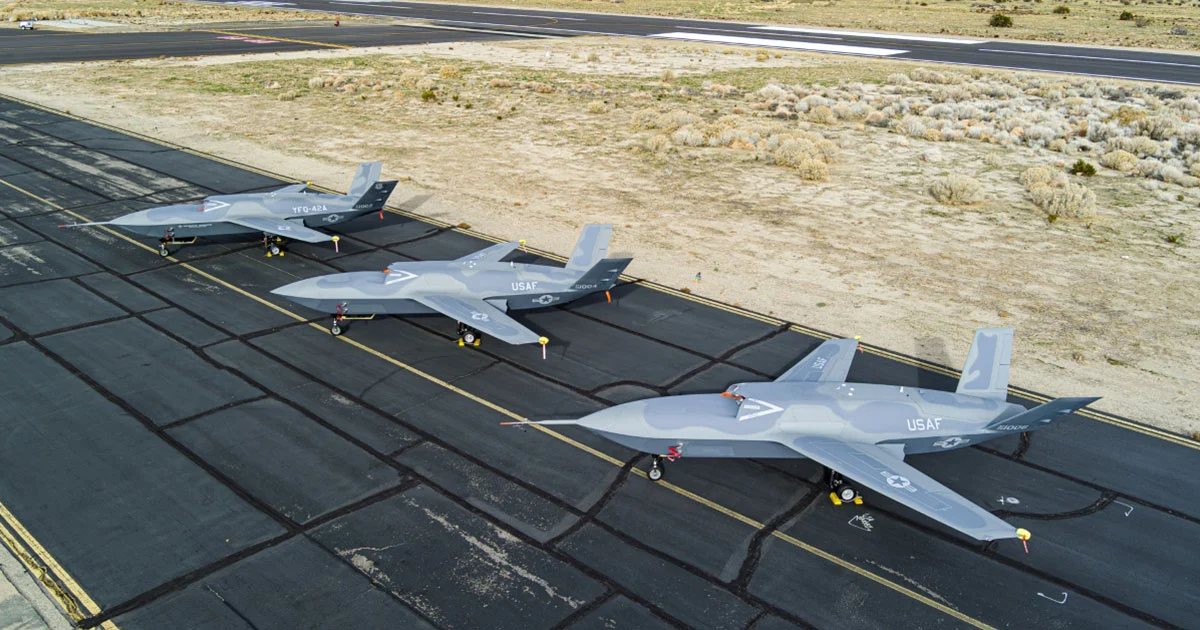
CALIFORNIA– A prototype Collaborative Combat Aircraft (CCA) developed by General Atomics Aeronautical Systems crashed shortly after takeoff on April 6, 2026, prompting an immediate suspension of test flights as the company begins a detailed investigation into the incident.
The unmanned YFQ-42A drone departed from a company-owned desert test facility near Palmdale Regional Airport (PMD), California, before going down minutes into flight.
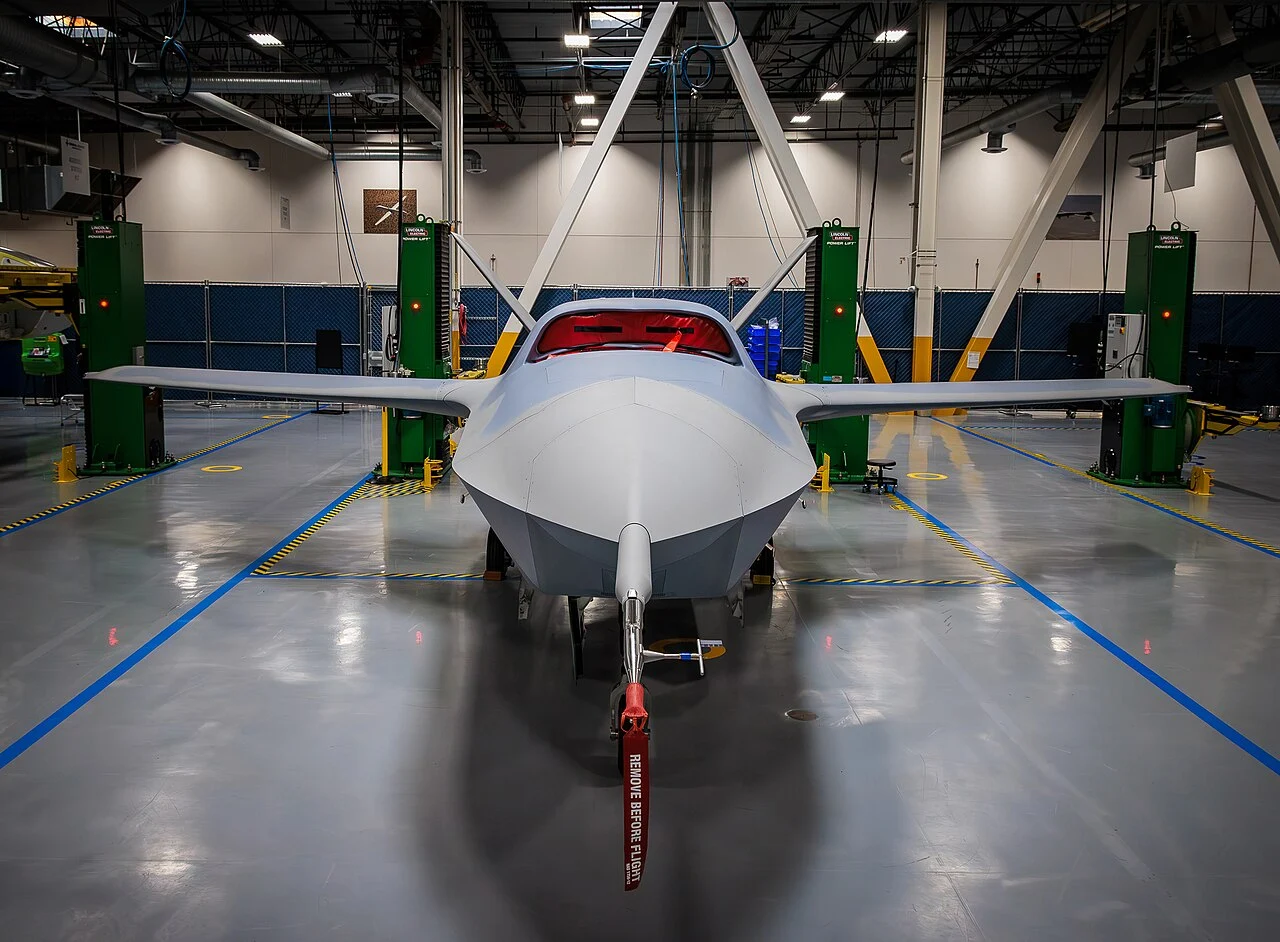
YFQ-42A Crash Details
The YFQ-42A prototype took off at approximately 1 p.m. Pacific Time from General Atomics’ desert test range and crashed shortly thereafter under circumstances that remain unclear.
Company officials confirmed that safety systems functioned as designed, preventing injuries or collateral damage. Investigators have begun assessing wreckage and flight data, though executives stressed that it is too early to determine a definitive cause.
A company spokesperson stated that established safeguards were effective and emphasized that the investigation will guide future actions. The pause in test flights reflects a cautious approach while engineers review all available telemetry and system performance data.
While no injuries were reported, the crash introduces uncertainty into a high-profile program expected to reach a production decision by the end of fiscal 2026.
CCA Program Overview
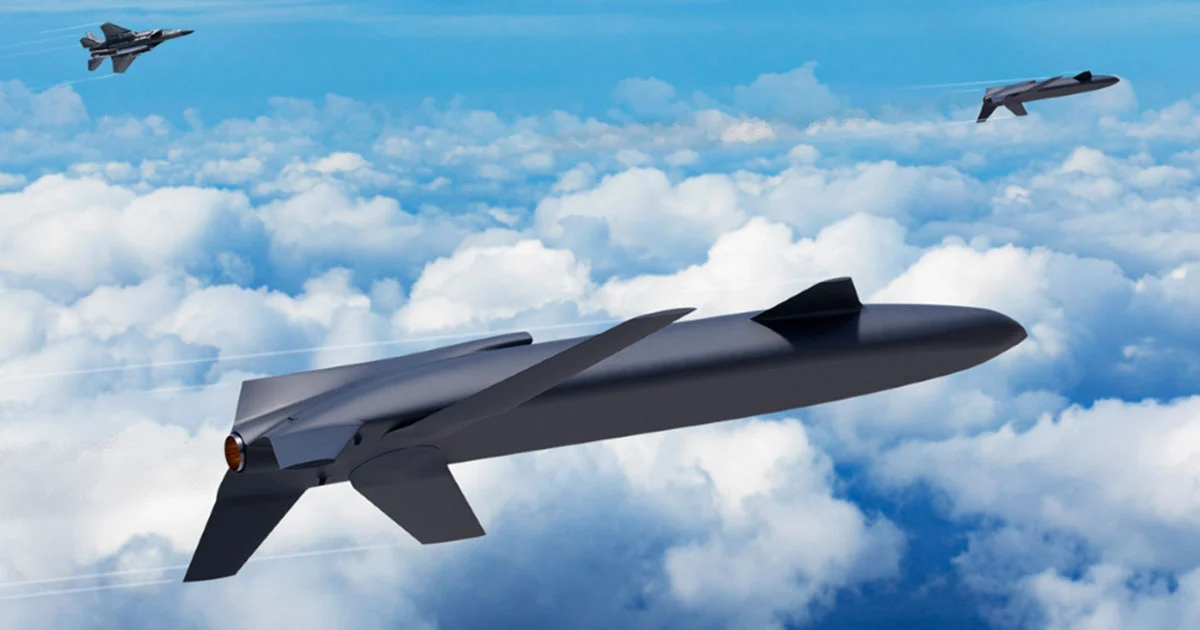
The YFQ-42A forms part of the U.S. Air Force’s Collaborative Combat Aircraft initiative, which aims to deploy semi-autonomous drones capable of supporting manned fighters in complex missions.
Key objectives of the program include:
- Strike and precision attack roles
- Intelligence, surveillance, and reconnaissance missions
- Electronic warfare capabilities
- Integration with aircraft such as the F-35
The program prioritizes cost efficiency and scalability, allowing the Air Force to field larger fleets of unmanned systems compared to traditional fighter aircraft. These drones rely on advanced mission software powered by artificial intelligence to execute commands issued by human operators.
General Atomics confirmed that multiple production-representative units are already in low-rate initial production and have been flying under operational test and evaluation frameworks prior to the crash.
General Atomics Pauses Testing
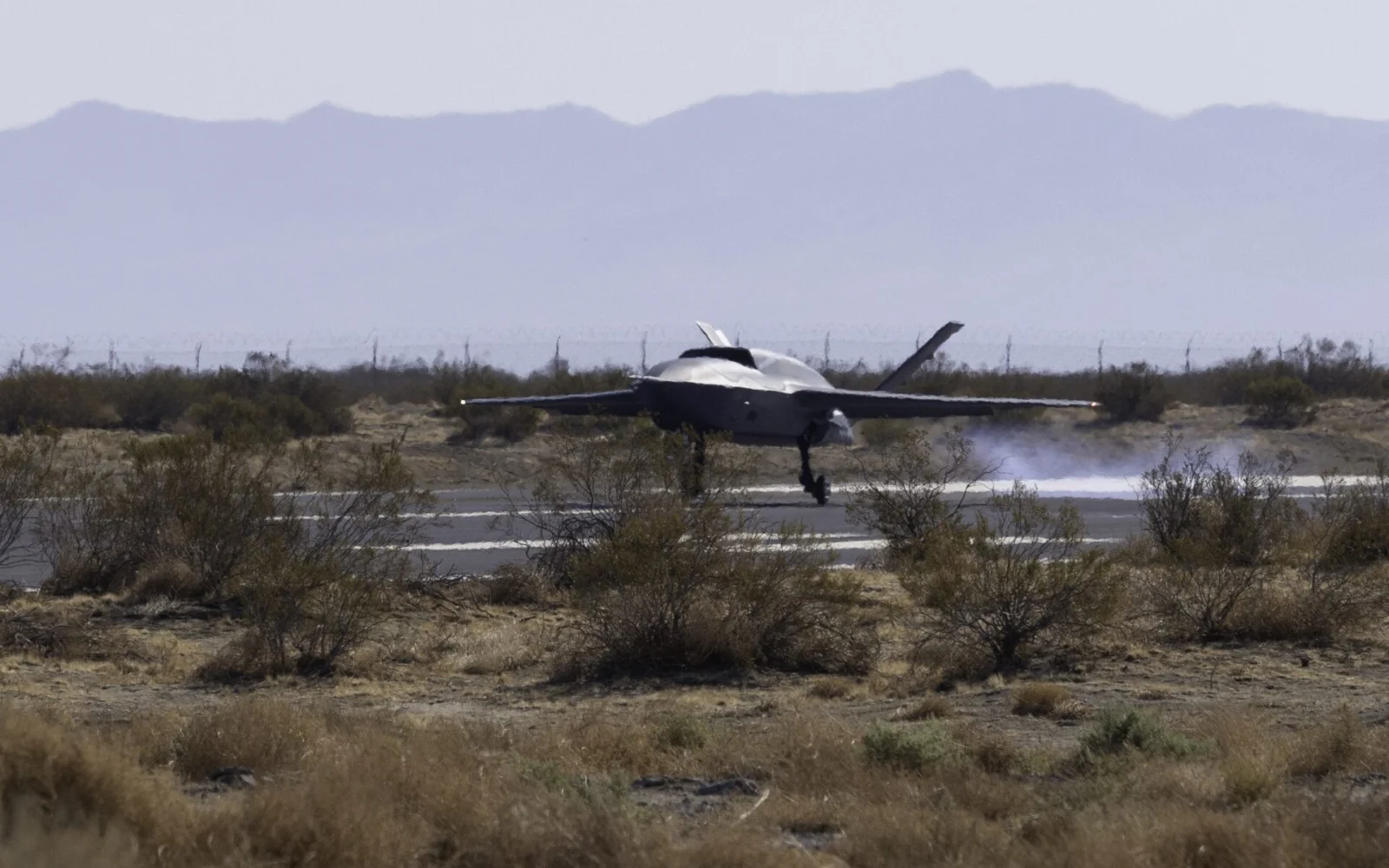
Following the incident, General Atomics halted all YFQ-42A test flights pending further review, though the company has not provided a timeline for resumption.
The aircraft first flew in August 2025 and began integrating third-party mission autonomy software in early 2026, marking a significant step toward operational capability. This software enables semi-autonomous flight, reducing pilot workload while maintaining human oversight.
The YFQ-42A is competing directly with the YFQ-44A developed by Anduril Industries for the Air Force’s Increment 1 procurement phase. The service aims to finalize its selection by September 30, 2026, making the outcome of this investigation particularly consequential.
Stay tuned with us. Further, follow us on social media for the latest updates.
Join us on Telegram Group for the Latest Aviation Updates. Subsequently, follow us on Google News
