

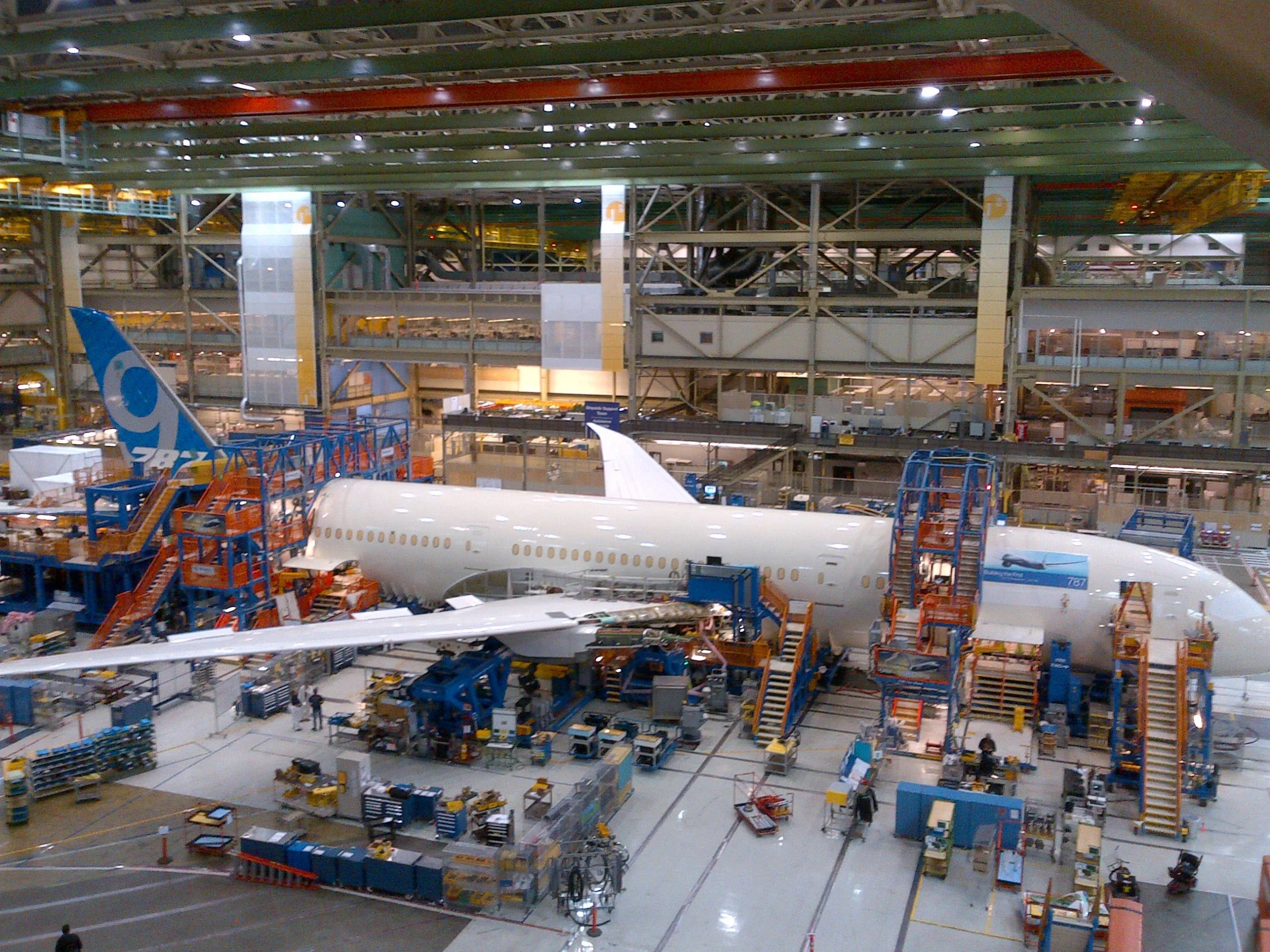
EVERETT— A Boeing 787-8 Dreamliner, registered as N947BA, is being dismantled at Roswell International Air Center (ROW) in New Mexico despite logging only a handful of flights. The aircraft, one of Boeing’s early-production “terrible teens” Dreamliners, never entered commercial service.
The teardown is being handled by C&L Aviation, which describes it as the first GE Aerospace-powered 787 to be disassembled in the United States and the first “new” 787 to be scrapped anywhere in the world. The decision is driven by a parts market that now values the aircraft’s components far above its worth as a complete jet.
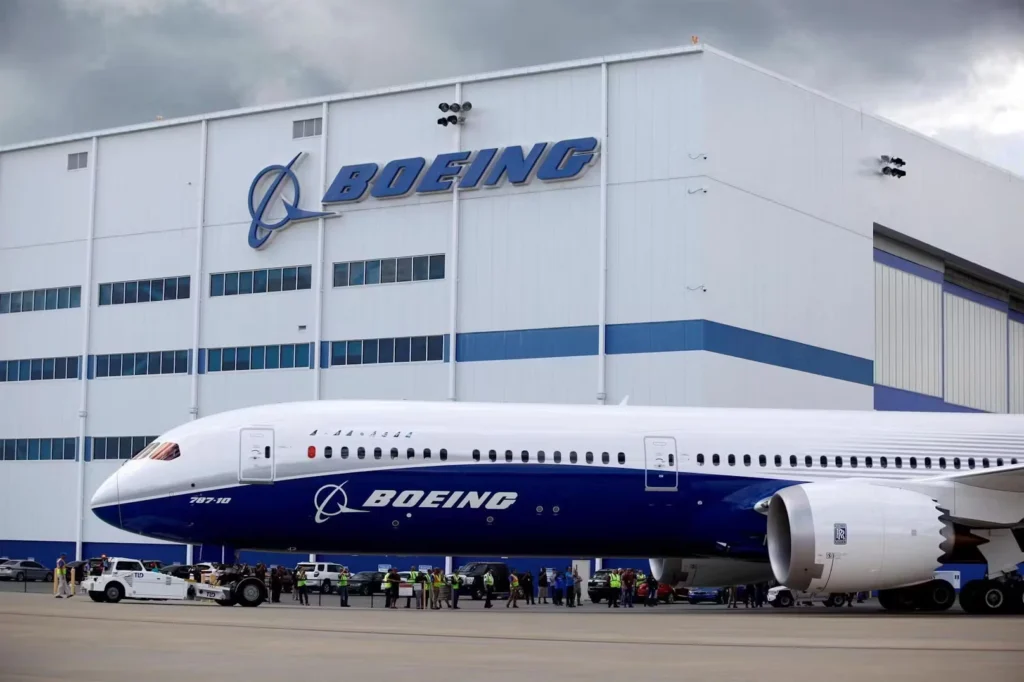
New Boeing 787 Dreamliner Broken for Parts
N947BA carries Boeing serial number 35507, line number 17, placing it among the earliest Dreamliners built before certification. These early-build aircraft, often called the “terrible teens,” had a known structural weakness where the wings joined the fuselage.
Boeing fitted custom reinforcements to address the problem, but this added weight and cut the maximum takeoff weight by up to 12 tonnes, making these jets difficult to sell or operate efficiently.
The aircraft was originally part of an order for Royal Air Maroc (AT) but was rejected due to assembly defects and excess weight.
In 2017, Crystal Cruises purchased it with plans to configure it with 60 first-class seats for Crystal Luxury Air, offering 14- to 28-day around-the-world private jet journeys. Those plans never materialized.
In 2021, with the pandemic forcing financial restructuring, Crystal sold the aircraft for $25 million. It then sat in storage at Southern California Logistics Airport (VCV) in Victorville for seven years before being moved to Roswell (ROW) for dismantling in 2024, Simple Flying flagged.
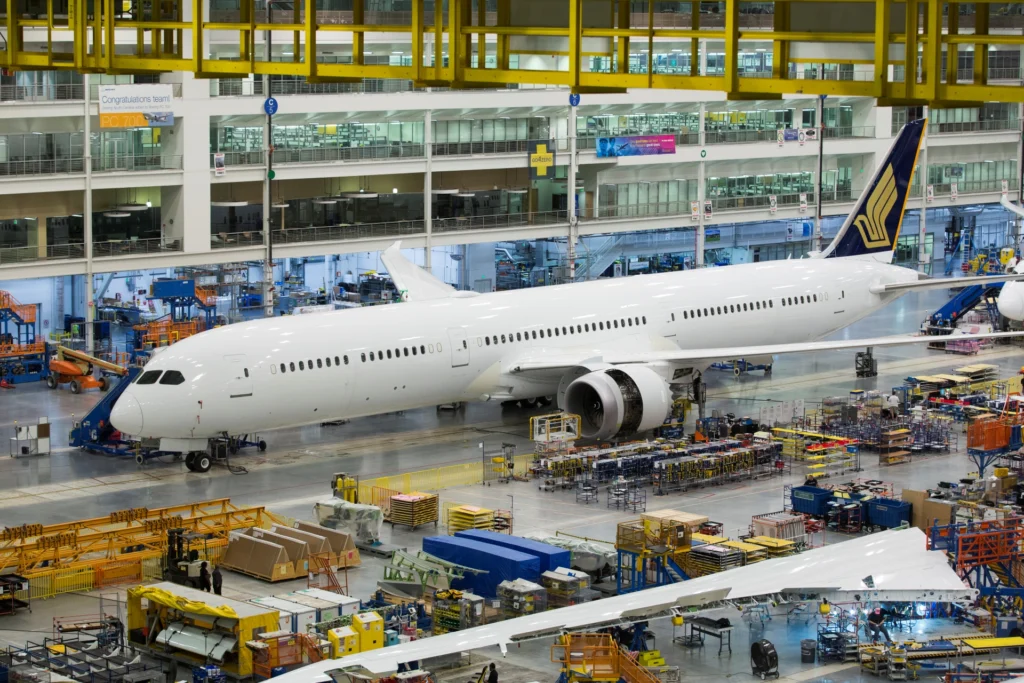
The Parts Math That Made Scrapping the Right Call
The business case behind the teardown is straightforward. Spares shortages and supply chain disruptions have made 787 components highly valuable, and EirTrade, one of the first companies to conduct 787 teardowns, reports being flooded with requests for Dreamliner parts.
N947BA is powered by two GEnx-1B engines, each valued at approximately $20 million at half-life by aviation analyst IBA. That engine value alone totals $40 million, already $15 million more than the price the complete aircraft fetched five years ago.
Adding the landing gear shipset ($4–6 million), avionics and major line-replaceable units ($2–4 million), APU and nacelle hardware ($2–3 million), and other rotables pushes the total estimated parts value to between $50 million and $56 million.
Selling a complete aircraft with a complicated history, almost no operating hours, and an unusual market position would have been far less certain.
Tim Brecher, president of C&L Aviation, noted that the low cycle count made the aircraft especially attractive as a donor. Much of the active 787 fleet is now approaching 12-year heavy maintenance checks, creating urgent demand for serviceable components that the supply chain is struggling to meet.
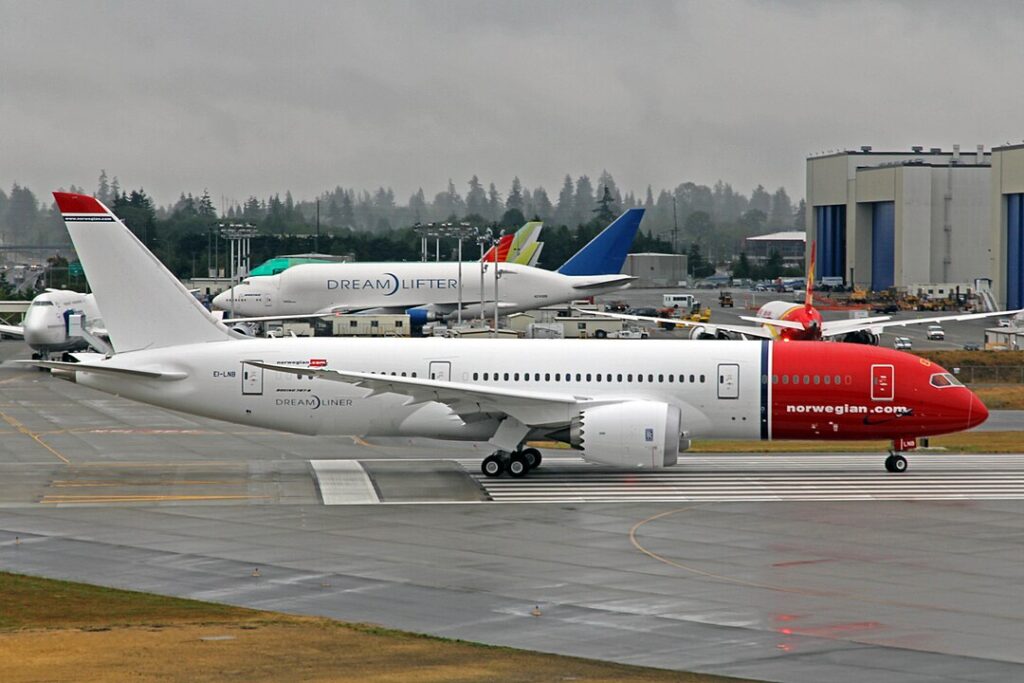
N947BA Is Not the First 787 Scraped
The first Dreamliners to be dismantled were Boeing’s own test aircraft, which were never intended for long-term airline service.
More recently, two ex-Norwegian Air Shuttle (DY) Boeing 787-8s were broken up at Glasgow Prestwick International Airport (PIK) in Scotland in 2023. Those aircraft were approaching major maintenance events, making teardown financially logical.
N947BA’s case differs because it was scrapped due to its complicated background and parts market value, not because of maintenance costs. However, the outcome is the same, and more are expected to follow.
Another early-build 787-8, registered VP-CSC, carries line number 19 and shares the same “terrible teens” history. It has been stored for over eight years and has made only three flights. No teardown has been announced, but aviation market observers note that aircraft in similar positions are likely to attract the same scrutiny.
Stay tuned with us. Further, follow us on social media for the latest updates.
Join us on Telegram Group for the Latest Aviation Updates. Subsequently, follow us on Google News
