

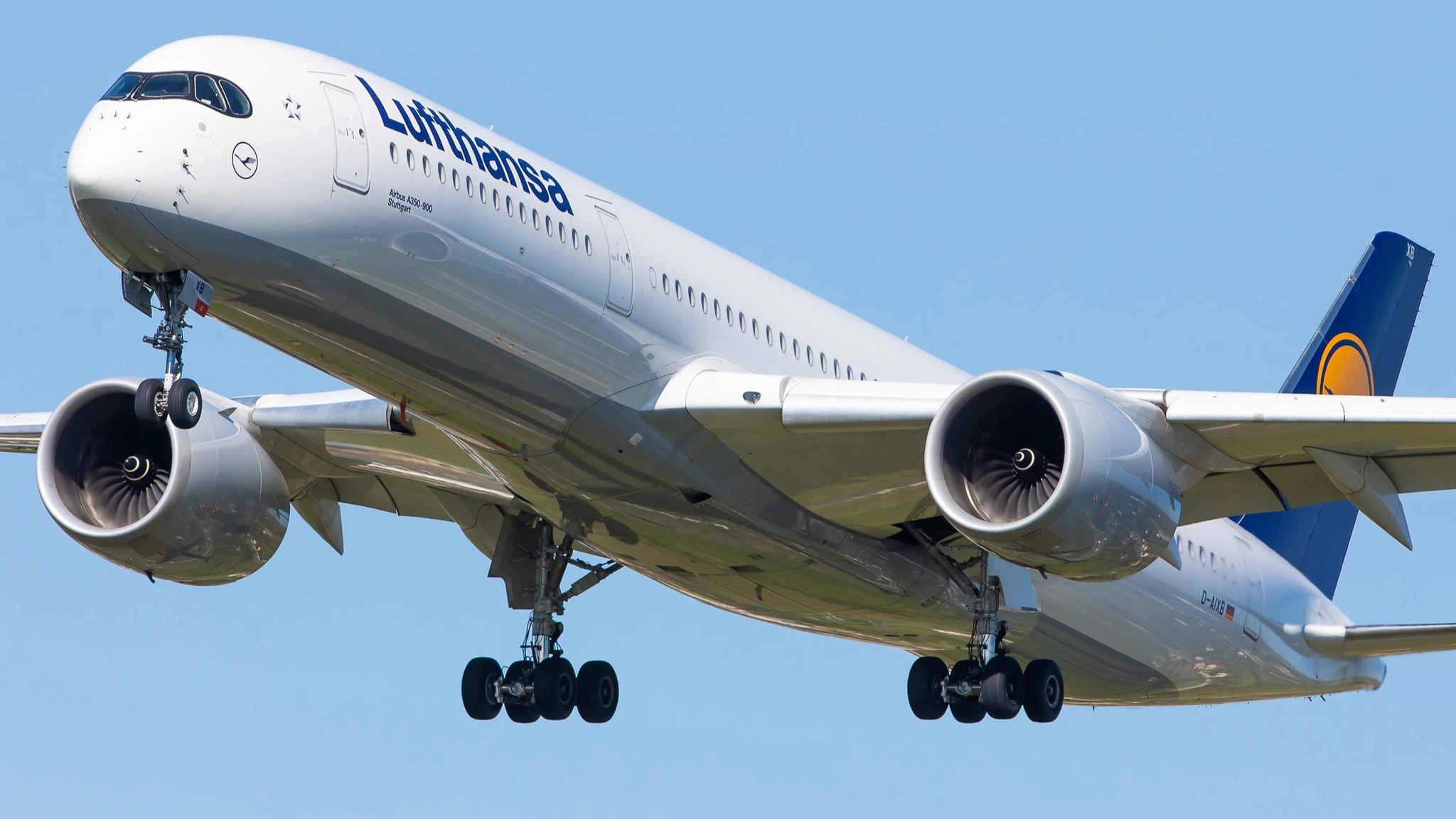
FRANKFURT- The Lufthansa Group is adding around 1,600 additional flights for summer 2026, aligning capacity with strong leisure and business travel demand.
Key expansions include Lufthansa (LH) routes from Frankfurt Airport (FRA) and Munich Airport (MUC) to Chennai (MAA), Delhi (DEL), Hyderabad (HYD), and Bangalore (BLR).
Group carriers, including SWISS International Air Lines (LX), Austrian Airlines (OS), and Brussels Airlines (SN), are contributing additional capacity from Zurich Airport (ZRH), Vienna International Airport (VIE), and Brussels Airport (BRU).
Lufthansa Summer 2026 Expansion
The Lufthansa Group is increasing flight frequencies on key long-haul routes to India. Lufthansa will add:
- 2 additional weekly flights: Frankfurt (FRA) to Chennai (MAA)
- 2 additional weekly flights: Frankfurt (FRA) to Delhi (DEL)
- 1 additional flight: Frankfurt (FRA) to Hyderabad (HYD)
- 1 additional weekly flight: Munich (MUC) to Bangalore (BLR)
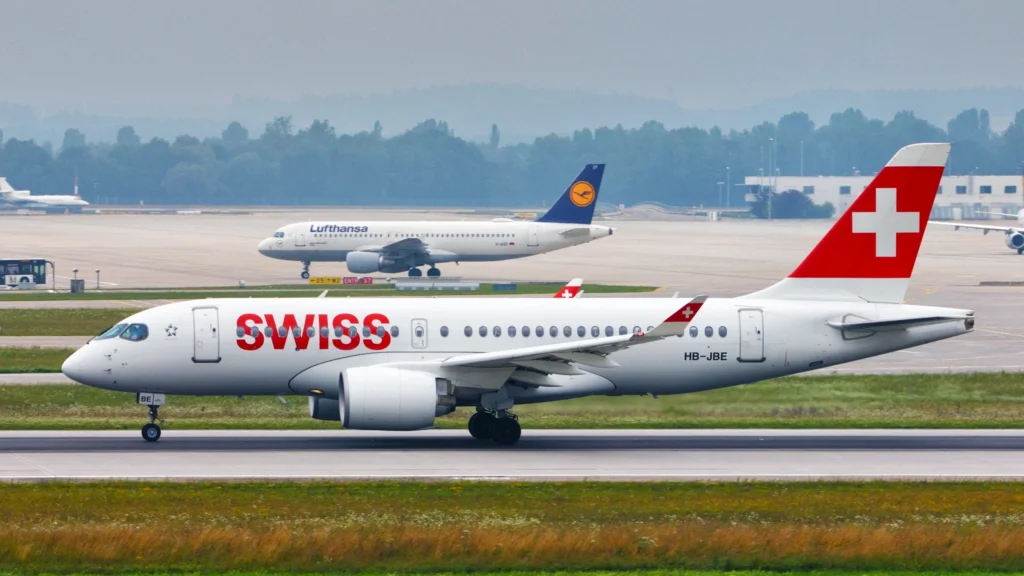
In parallel, SWISS will add 7 weekly flights to Delhi (DEL), significantly strengthening connectivity between Europe and India.
Beyond long-haul routes, Lufthansa will operate around 540 additional European flights between April and October 2026. These flights focus on high-demand leisure markets, particularly across the Iberian Peninsula, Greece, Italy, and select destinations in Northern Europe.
This expansion reflects a targeted response to strong seasonal demand and evolving travel patterns across both leisure and business segments.
Contribution from Group Airlines
The total addition of approximately 1,600 flights is distributed across Lufthansa Group carriers to ensure network efficiency:
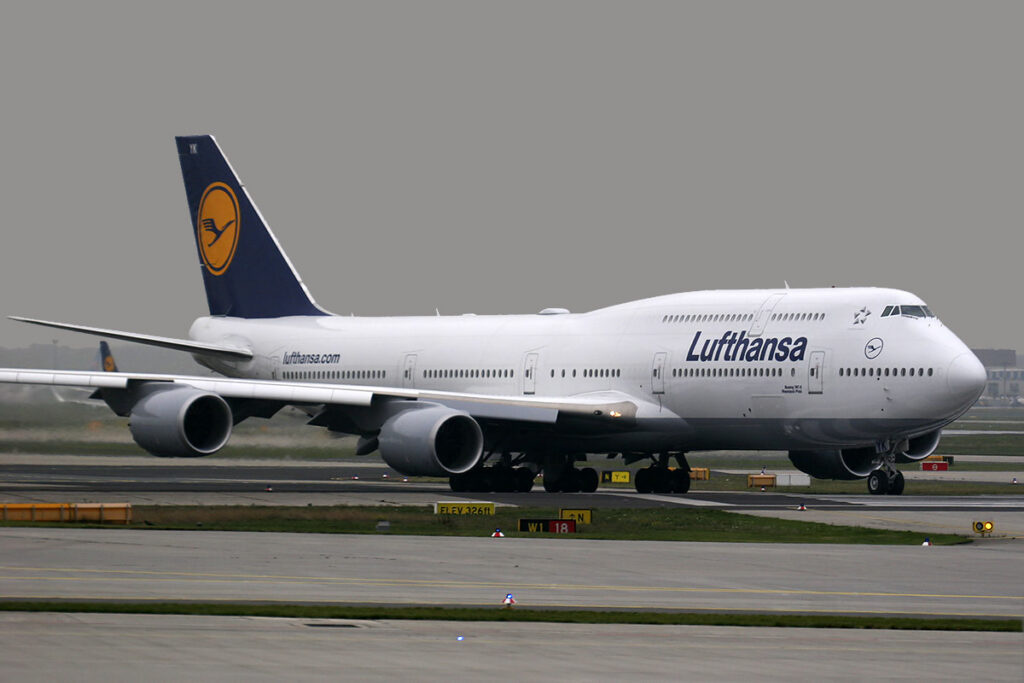
- Around 540 flights: Lufthansa (European network)
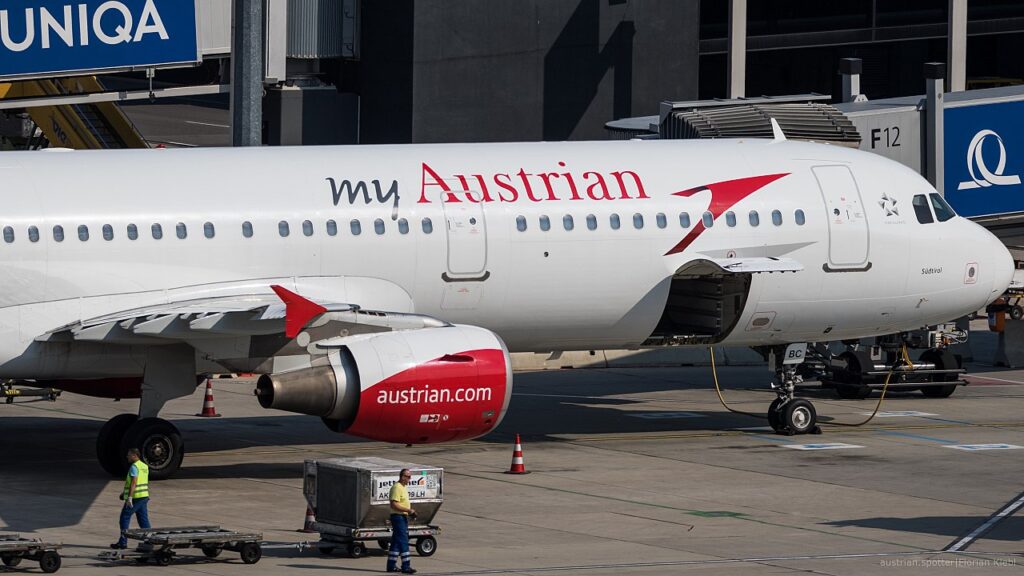
- Around 700 flights: Austrian Airlines from Vienna (VIE)
- Over 100 flights: SWISS from Zurich (ZRH)
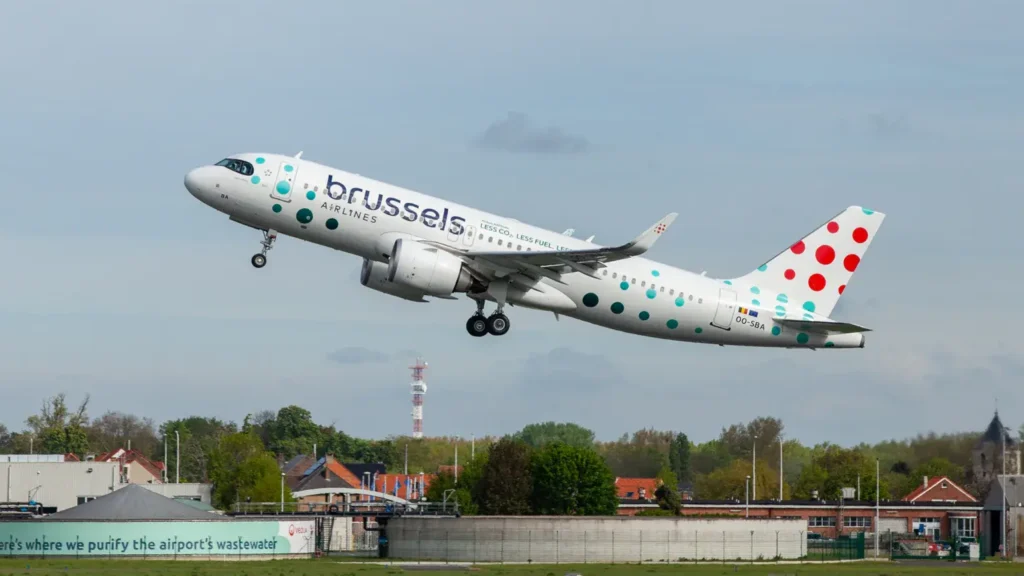
- Around 170 flights: Brussels Airlines from Brussels (BRU)
This structured allocation ensures balanced growth across hubs while maintaining operational control.
Capacity Reallocation and Demand Trends
The additional capacity is enabled through adjustments to the Middle East flight program. Reduced operations in this region free up aircraft and crew resources, allowing redeployment to higher-demand markets.
These changes reflect a direct response to shifts in booking behavior influenced by geopolitical developments, ensuring that capacity aligns with real-time demand trends.
The operating environment remains volatile due to geopolitical uncertainty and fluctuating fuel costs. Airlines have already implemented ticket price increases driven by higher fuel expenses.
Despite these increases, travel demand remains strong, indicating sustained passenger interest during the peak summer period.
Operational Flexibility and Scenario Planning
The Lufthansa Group continues to evaluate strategic scenarios to respond quickly to market changes. These include:
- Adjusting flight frequencies based on demand
- Cancelling unprofitable routes when necessary
- Considering early retirement of older aircraft
This approach supports both cost control and operational resilience.
Improved Connectivity for Peak Season
The expanded summer schedule is designed to increase travel options and improve seat availability during the peak travel period.
Enhanced frequencies on key routes reduce congestion and provide greater flexibility for passengers.
The Lufthansa Group’s strategy demonstrates a balance between network expansion and adaptive planning in a dynamic global aviation market.
Stay tuned with us. Further, follow us on social media for the latest updates.
Join us on Telegram Group for the Latest Aviation Updates. Subsequently, follow us on Google News
