

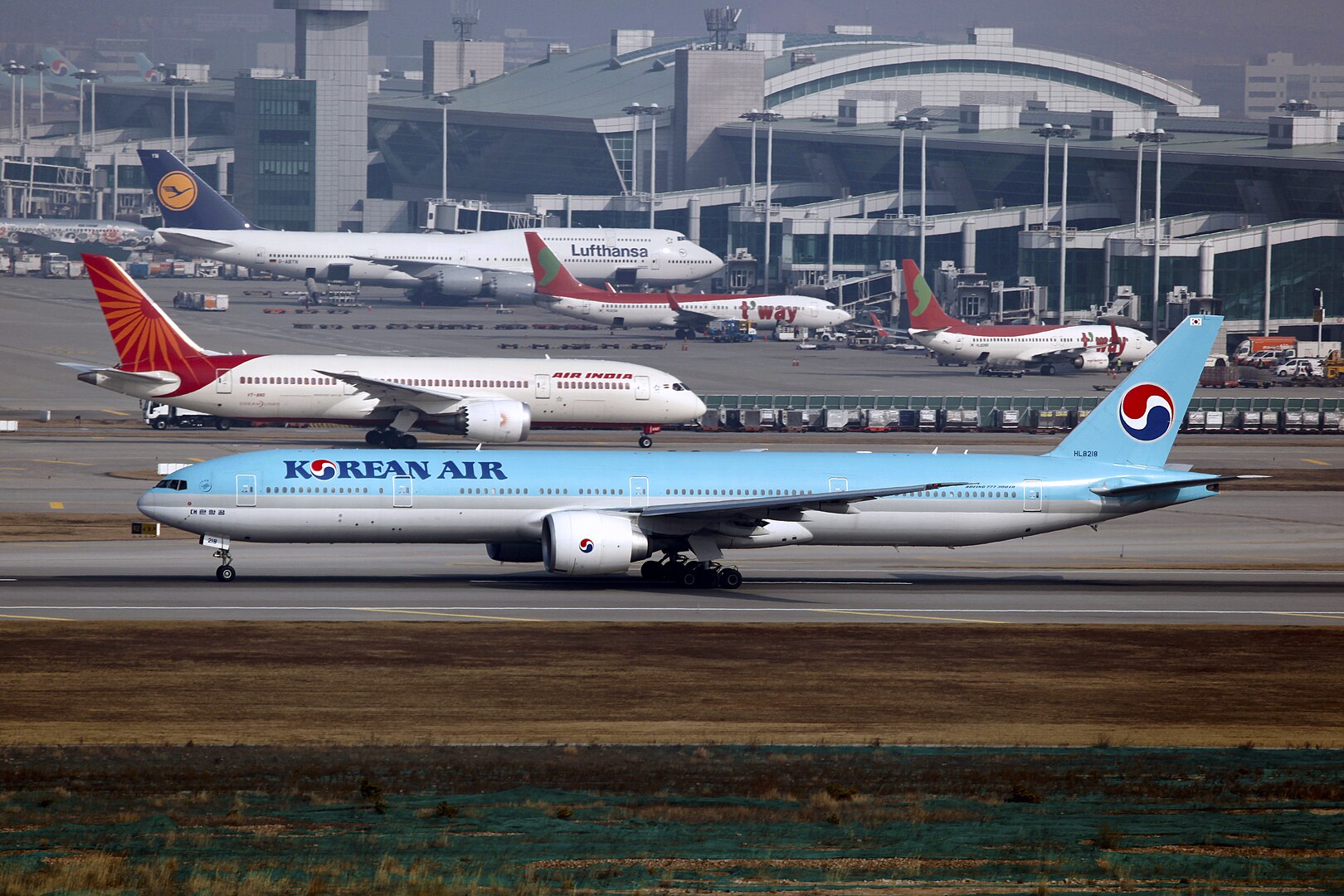
SEOUL- Korean Air (KE) will introduce an emergency management system starting in April as rising fuel costs linked to tensions in the Middle East place increasing pressure on airline operations. The move reflects a growing financial strain across global aviation markets.
Incheon International Airport (ICN), the airline’s primary hub, is expected to see operational adjustments as the carrier works to control expenses. The decision highlights how external geopolitical risks are directly impacting airline profitability and planning.
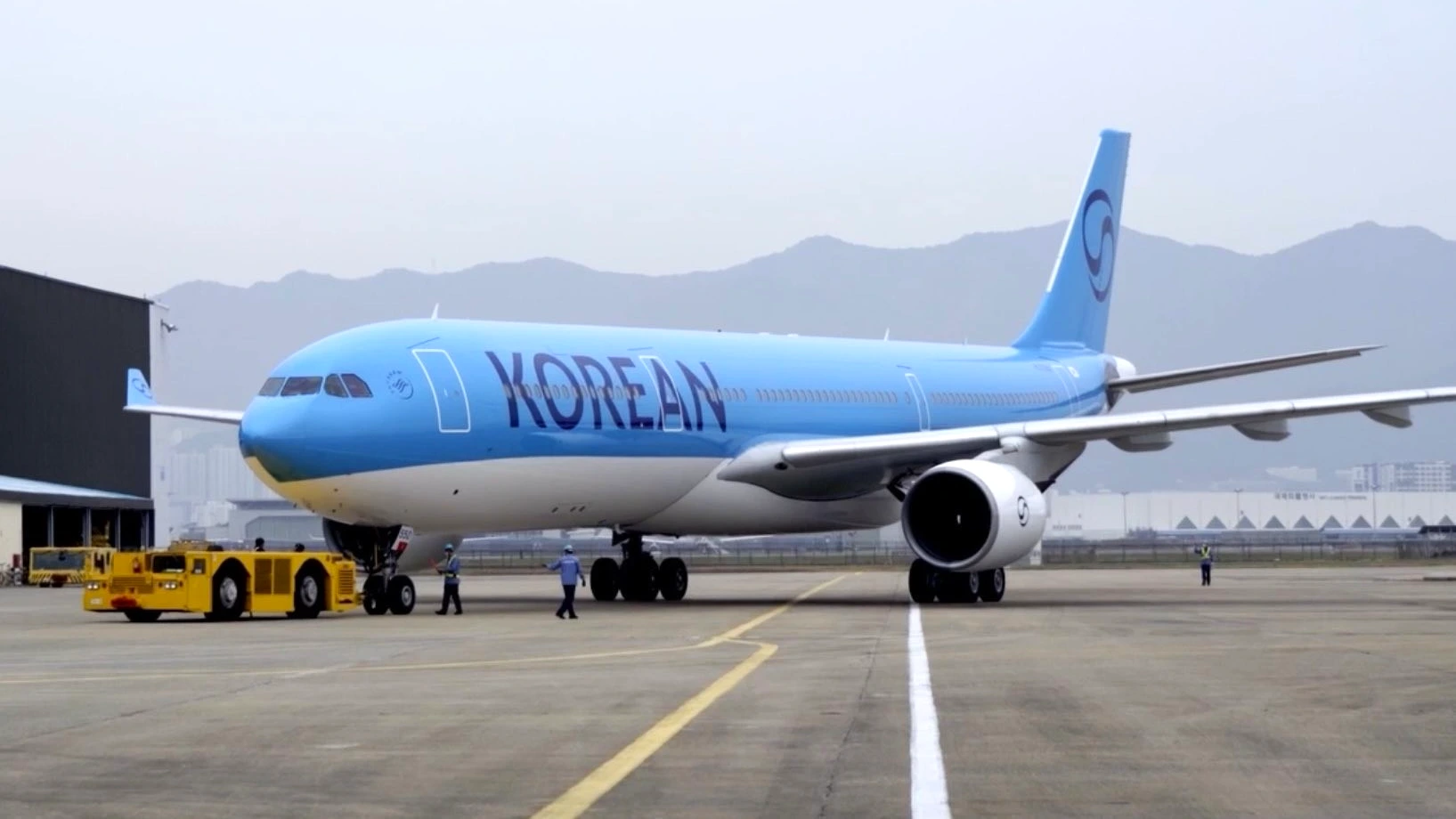
Korean Air Emergency Mode
Korean Air has warned that aviation fuel prices are rising far above earlier projections. The airline expects fuel costs to reach around $4.50 per gallon in April, compared to its original business estimate of $2.20 per gallon.
This sharp increase is significantly raising monthly operating expenses. Fuel already accounts for nearly 30 percent of airline costs, making it one of the most critical financial factors for carriers.
The airline’s leadership has indicated that sustained high oil prices could disrupt its annual financial targets. Management plans to implement phased responses depending on how fuel prices evolve in the coming months.
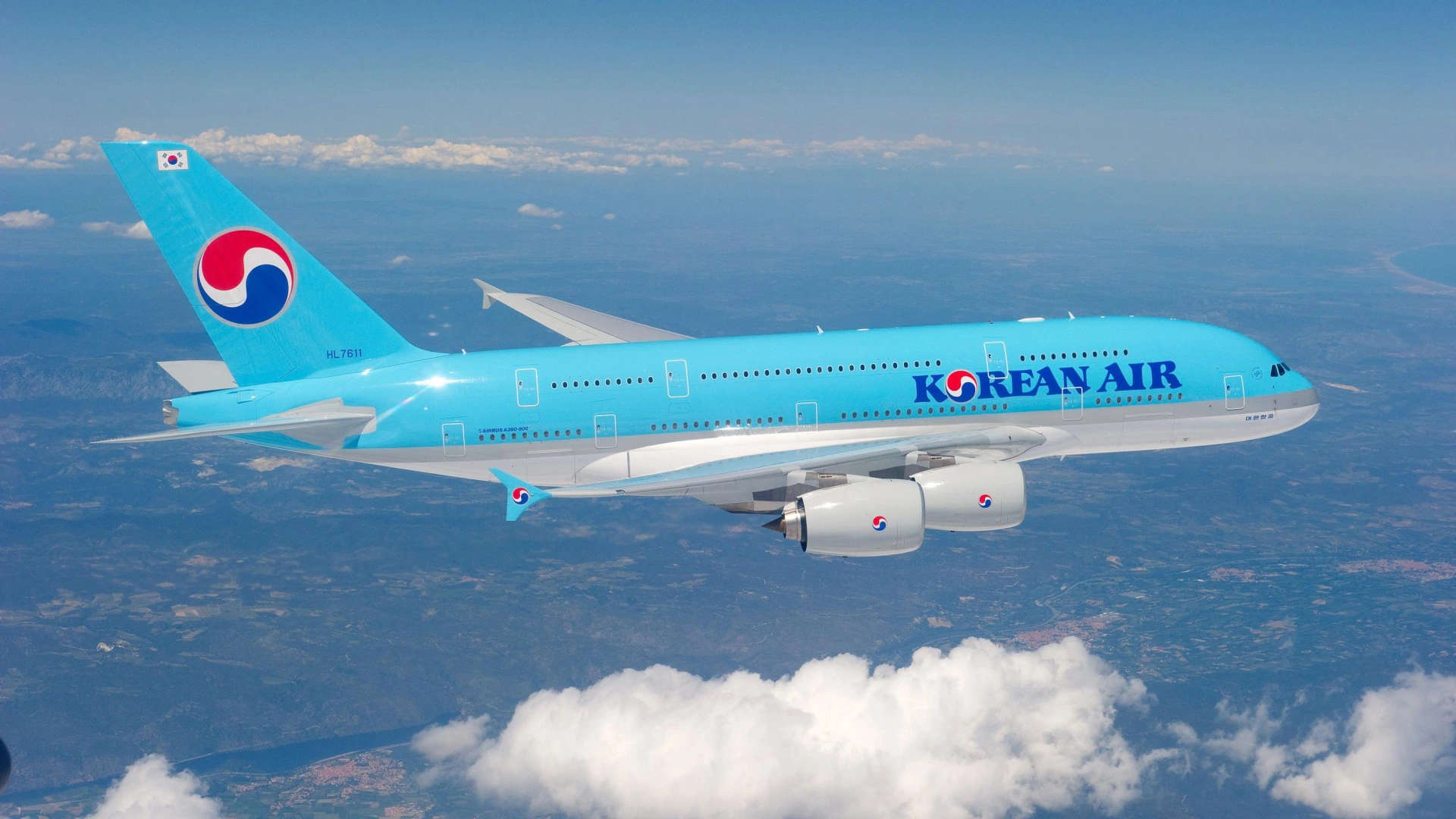
Emergency Measures by Korean Air
The emergency management system will focus on company-wide cost efficiency. Korean Air aims to reduce unnecessary spending while maintaining essential operations and service standards.
This approach includes reviewing operational efficiency, controlling investments, and optimizing resource allocation. The airline has made it clear that immediate action is necessary to stabilize financial performance under current market conditions.
The initiative follows similar steps by other South Korean carriers. T’way Air and Asiana Airlines have already adopted emergency strategies, signaling a broader industry shift toward cost control.
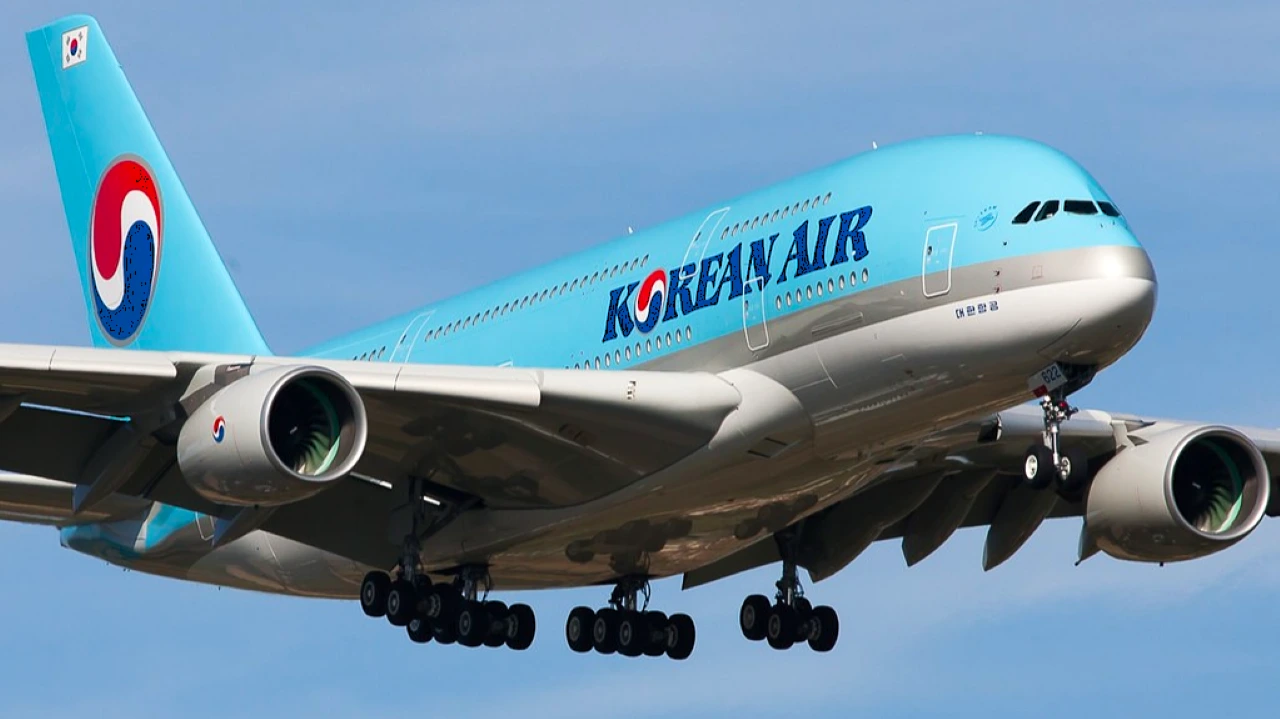
Industry Impact of High Aviation Fuel
The rising cost environment is affecting multiple airlines across the region. Carriers such as Jin Air, Air Busan, Air Seoul, and Air Premia have begun reducing flight schedules from April, focusing on cutting less profitable routes.
In addition to fuel prices, currency fluctuations are adding further pressure. A weaker South Korean won increases expenses for aircraft leasing and maintenance, which are typically paid in US dollars.
Korean Air estimates that every $1 increase in oil prices adds approximately 46.5 billion won in annual costs, Korean JoongAng Daily reported. Similarly, a 10 won change in the exchange rate can impact profits by around 55 billion won.
Industry analysts suggest that if high fuel prices and currency volatility persist, more airlines may adopt similar emergency frameworks. Even carriers that have not formally announced such measures are reportedly tightening budgets and delaying investments.
The situation underscores how sensitive the aviation sector is to global economic and geopolitical developments. Airlines must continuously adapt to external shocks while maintaining operational stability and customer service.
Stay tuned with us. Further, follow us on social media for the latest updates.
Join us on Telegram Group for the Latest Aviation Updates. Subsequently, follow us on Google News
