

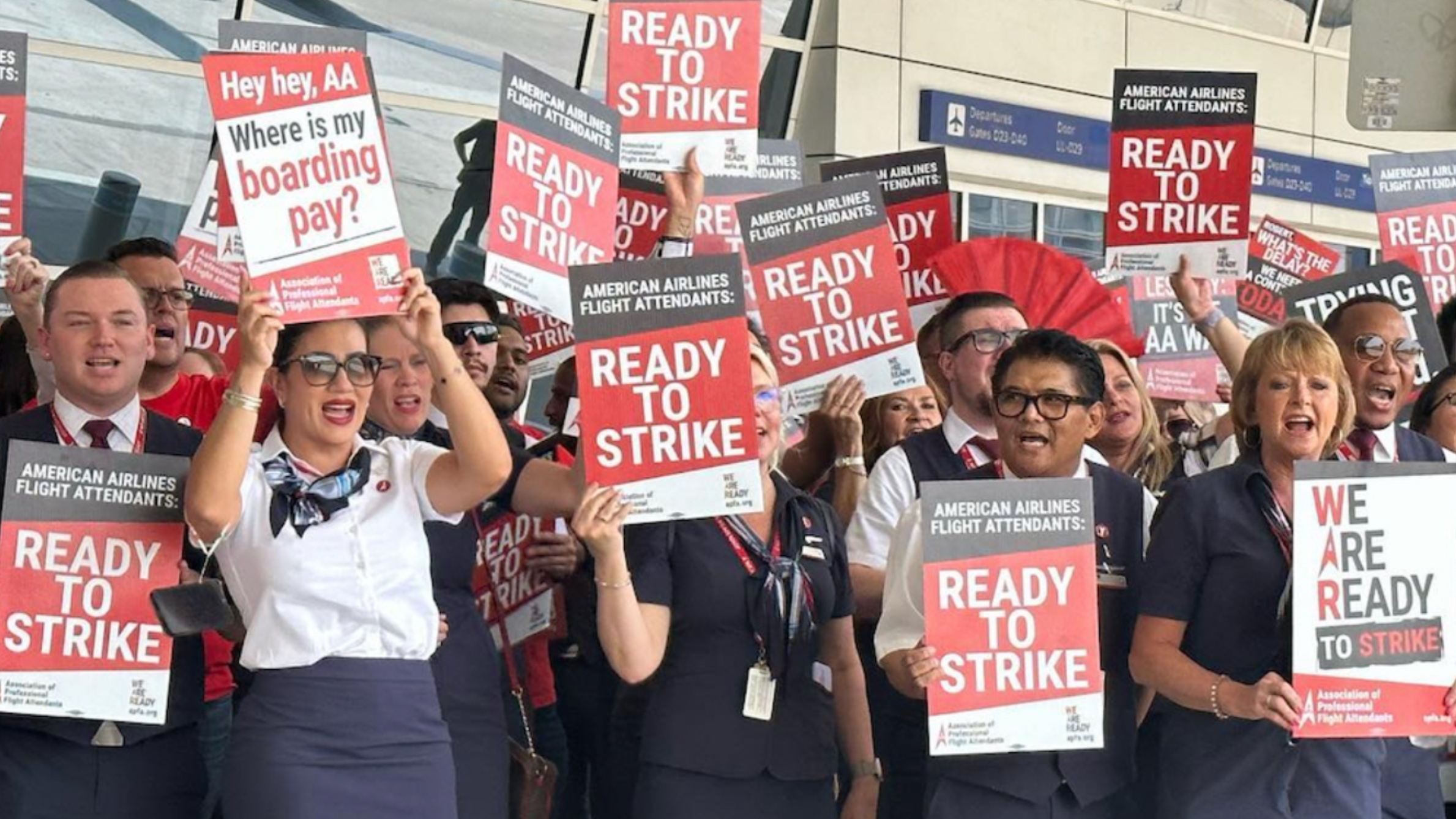
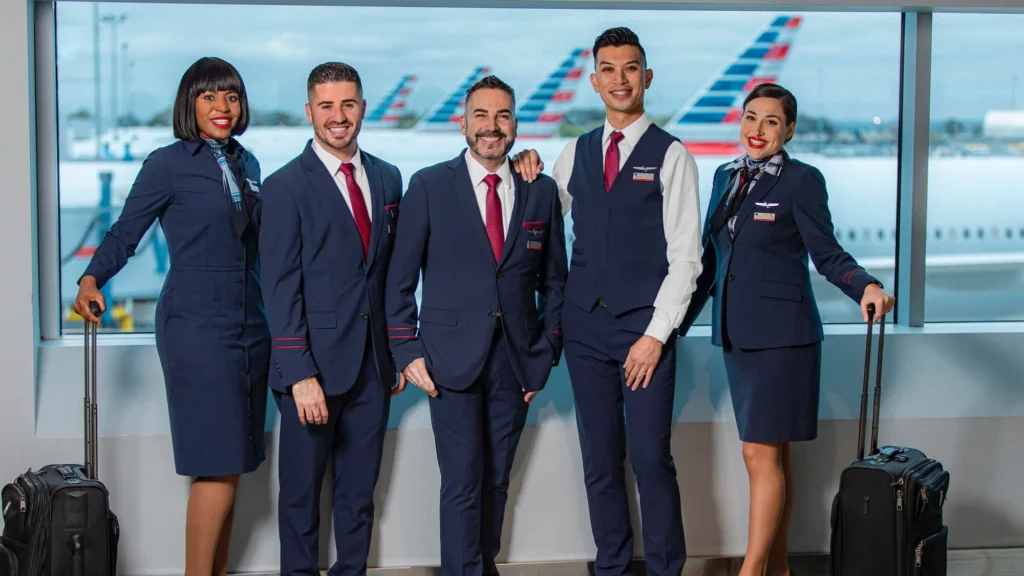
FORT WORTH, TX— American Airlines (AA) flight attendants are raising alarms about the carrier’s financial health, with union leadership privately describing the situation as “dire.” Internal meeting minutes reveal growing fears of bankruptcy and the potential loss of hard-won wage gains.
The Association of Professional Flight Attendants (APFA) president addressed these concerns at a February executive board meeting, urging action to prevent a repeat of the airline’s 2011–2013 Chapter 11 experience, which cost employees significant contract protections.
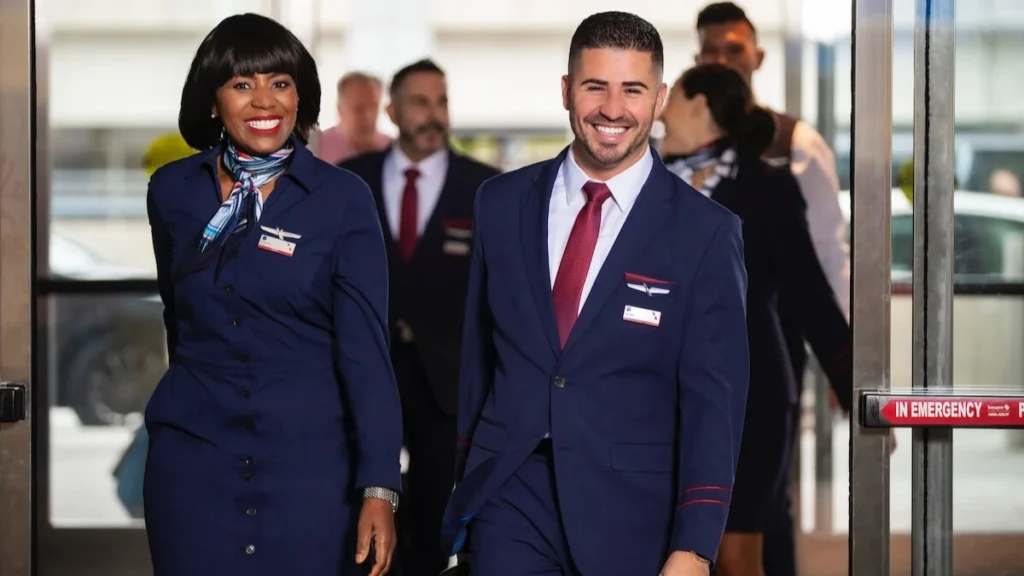
American Airlines Attendants Alarmed Over Bankruptcy Risk
According to View from the Wing, minutes from APFA’s February executive board meeting show National President Julie Hedrick stressing the urgency of collective action. Hedrick warned that the airline faces a dire financial situation and that protests must continue to pressure management before conditions worsen further.
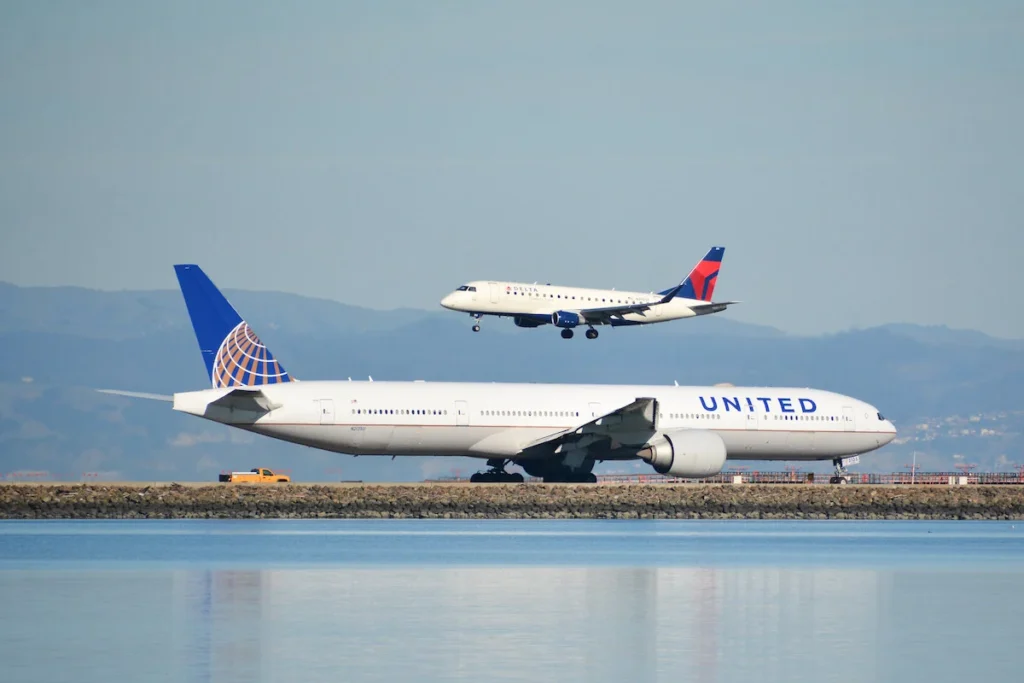
American Airlines reported near break-even results last year, a stark contrast to United Airlines (UA), which posted $4.3 billion in pre-tax earnings, and Delta Air Lines (DL), which earned $6.2 billion. The gap highlights a deep structural underperformance at AA that goes beyond a single bad quarter.
AA updated its Q1 2026 guidance shortly before these concerns went public. While the airline now expects revenue to rise 10% year-over-year, rising fuel costs tied to global uncertainty are adding over $400 million in additional fuel expense this quarter alone. The airline projects a per-share loss of 10 to 50 cents for the period.
Strategic Missteps That Put American Airlines in This Position
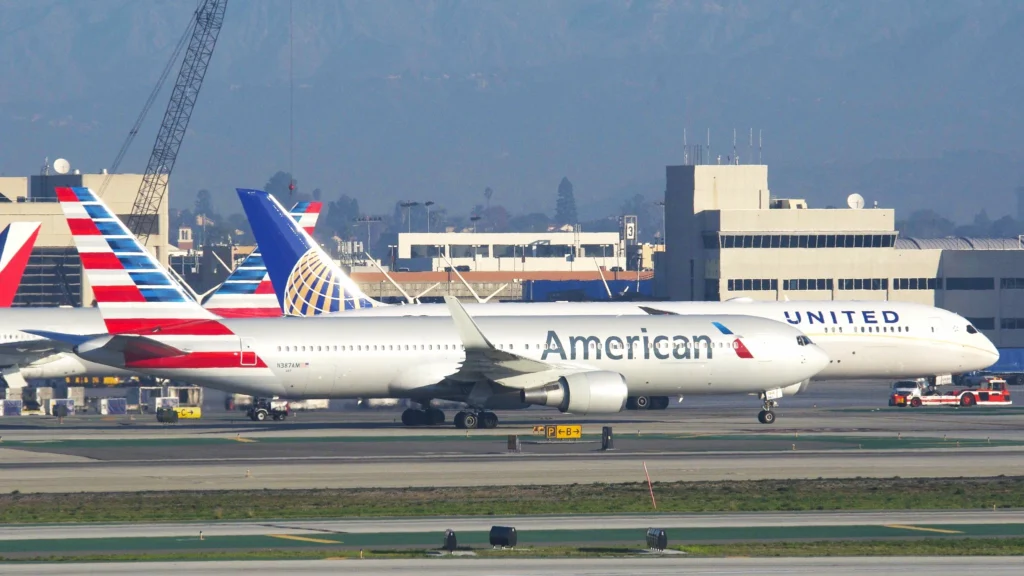
AA’s financial struggles trace back to over a decade of misaligned strategy. Rather than competing with Delta (DL) and United (UA) for premium, brand-loyal travelers, American positioned itself against ultra-low-cost carriers like Spirit and Frontier. This approach proved costly given AA’s high operating costs, which demand a revenue premium to generate profit.
The airline densified its aircraft cabins, removing business class and extra legroom seats to add more economy rows. CEO Robert Isom publicly called this a “real success,” yet those removed premium seats are precisely what Delta and United credit for driving the bulk of their revenue growth.
AA simultaneously removed seatback entertainment screens to cut costs, while United invested in screens and high-speed Wi-Fi as part of a premium monetization strategy.
Fleet decisions compounded these problems. During the pandemic, AA retired its Airbus A330s, Boeing 767s, Boeing 757s, and Embraer E190s to simplify operations. When transatlantic demand surged post-pandemic, AA lacked the widebody aircraft to capitalize on it.
United had already secured future delivery positions for widebodies, and Delta followed. AA is now expected to place a long-haul aircraft order, with the Airbus A330-900 considered a plausible option given available delivery slots.
The airline also retreated from key coastal markets such as New York (JFK) and Los Angeles (LAX), underestimating their value to co-brand credit card revenue.
AA earns significant income selling miles to Citibank, and these high-spending markets directly drive that revenue. AA’s co-brand card, once the highest-volume in the industry, has since fallen to third place.
Labor Tensions and Leadership Questions
Flight attendant and pilot unions have both moved against the current leadership. APFA issued a no-confidence vote in CEO Robert Isom, while the pilots’ union demanded a board-level meeting over financial underperformance.
Pilots negotiated profit-sharing into their contracts, but with minimal profits, those provisions have delivered little.
Union politics add another layer of complexity. Hedrick is midway through her second term and faces re-election. Critics within APFA view her as too close to management. Both the flight attendant and pilot unions also face internal debates over whether to remain independent or affiliate with larger national unions.
Following the airline’s operational meltdown during winter storm Fern, which led to nearly 10,000 flight cancellations, speculation about a CEO change consumed headquarters staff. Despite that disruption and sustained underperformance, the American Airlines board has not held management publicly accountable.
Is Bankruptcy Actually Imminent?
No immediate bankruptcy risk exists. AA has reduced its debt significantly from pandemic-era peaks and retains enough financial buffer to absorb losses.
Analysts suggest the airline could lose up to $2 billion this year and remain operationally stable. However, sustained losses year after year, especially if high fuel prices accompany an economic slowdown, could shift that calculus.
Employees’ concern stems from the 2011–2013 Chapter 11 filing, during which Section 1113 of the bankruptcy code allowed the airline to seek court approval to reject or rewrite labor contracts. That precedent remains a real and documented fear within union ranks.
A CEO change, while significant for labor relations and capital allocation signaling, would not resolve AA’s core structural problems: an undersized widebody fleet, insufficient premium seating, degraded in-flight product, and weakened customer trust.
Stay tuned with us. Further, follow us on social media for the latest updates.
Join us on Telegram Group for the Latest Aviation Updates. Subsequently, follow us on Google News
