

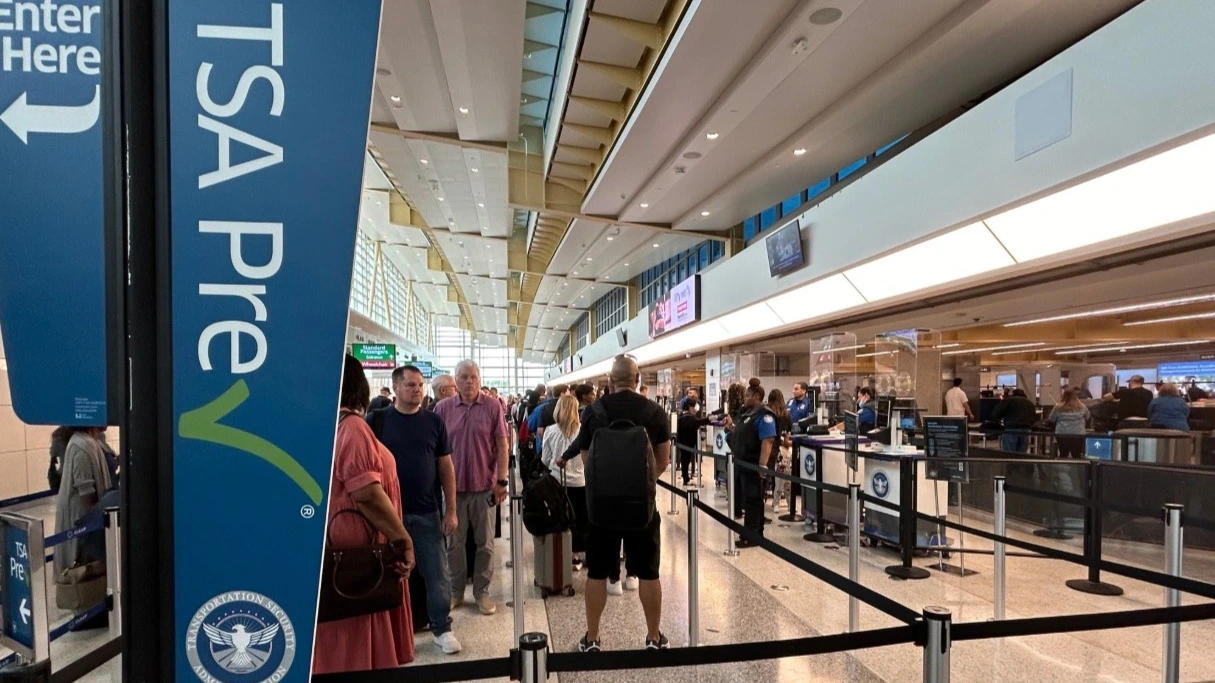
WASHINGTON- President Donald Trump has directed the Department of Homeland Security to secure funding to pay thousands of unpaid airport security personnel amid an escalating aviation disruption. The move targets an urgent resolution to staffing shortages affecting major US airports.
At key hubs including George Bush Intercontinental Airport (IAH) and William P. Hobby Airport (HOU), long security lines have raised concerns about operational stability. Airlines such as American Airlines (AA) and United Airlines (UA) are facing indirect impacts as passenger processing delays intensify.
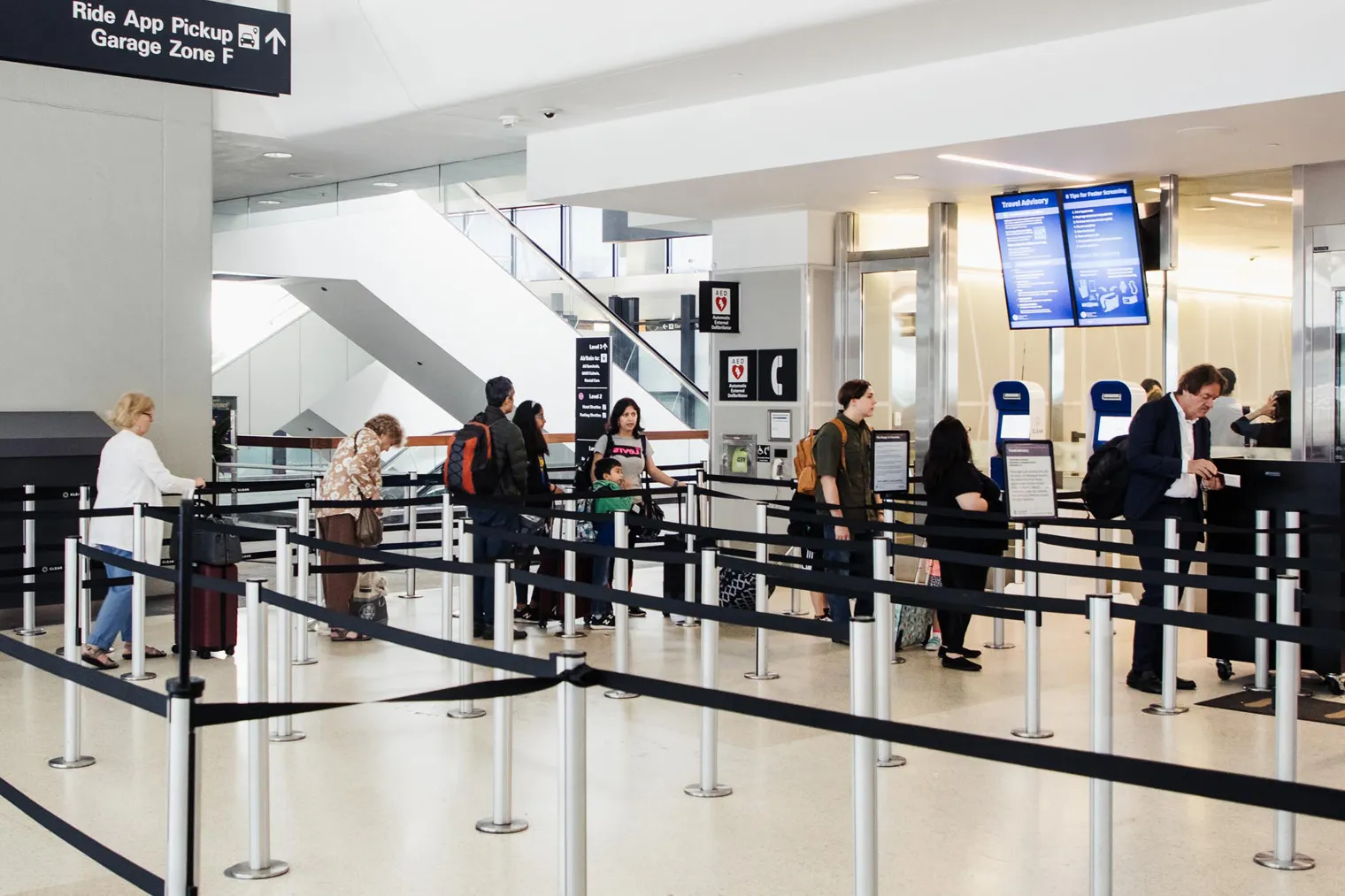
TSA Pay Crisis
The directive follows nearly three months of unpaid work for approximately 50,000 Transportation Security Administration officers. The wage backlog has crossed an estimated $1 billion since the partial government shutdown began in mid-February.
Many TSA officers have continued reporting for duty despite missing multiple pay cycles. However, financial strain has led to increased absenteeism, which has directly reduced staffing levels at airport checkpoints.
According to PYOK, Reports indicate that officers have taken on second jobs or faced severe financial hardship. This situation has further complicated efforts to maintain consistent security operations across major airports.
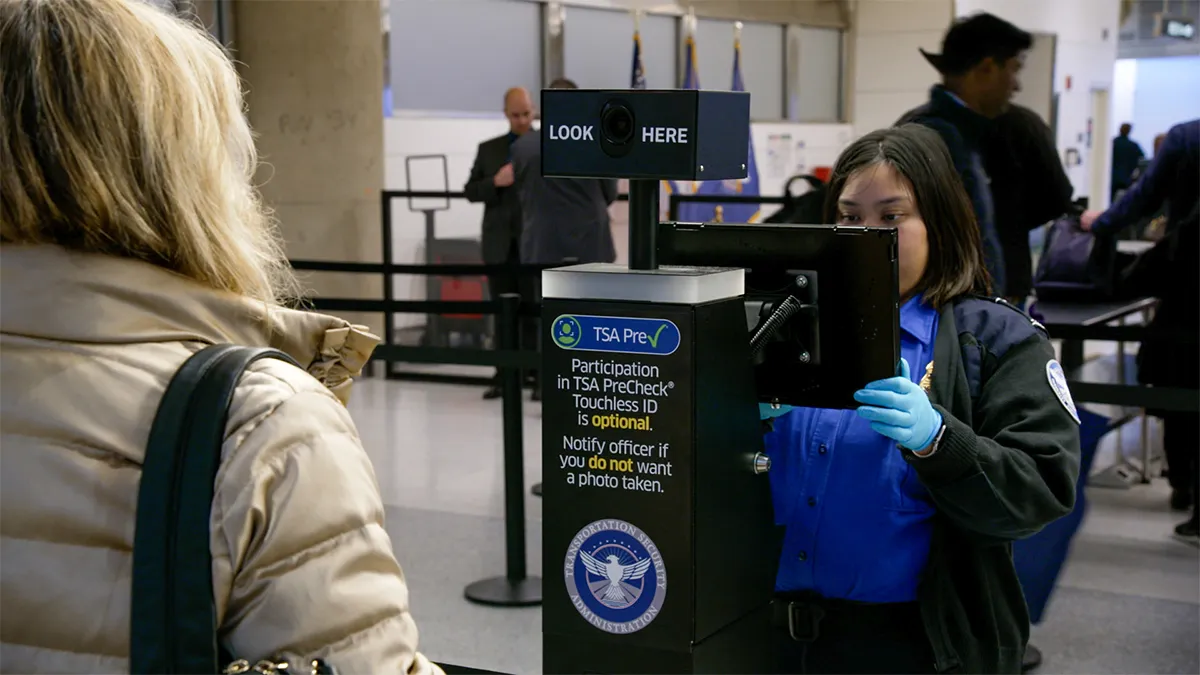
Airport Disruptions Across the US
Airports across the United States are witnessing growing passenger congestion due to reduced screening capacity. In Houston, officials warned that wait times could exceed four hours during peak travel periods.
Authorities have deployed additional personnel, including National Deployment Officers, to support overwhelmed checkpoints. Despite these efforts, the shortage of available staff continues to limit the effectiveness of mitigation measures.
Transportation officials have cautioned that conditions may worsen without immediate intervention. Smaller airports could face temporary closures if staffing levels decline further and resources are redirected to major hubs.
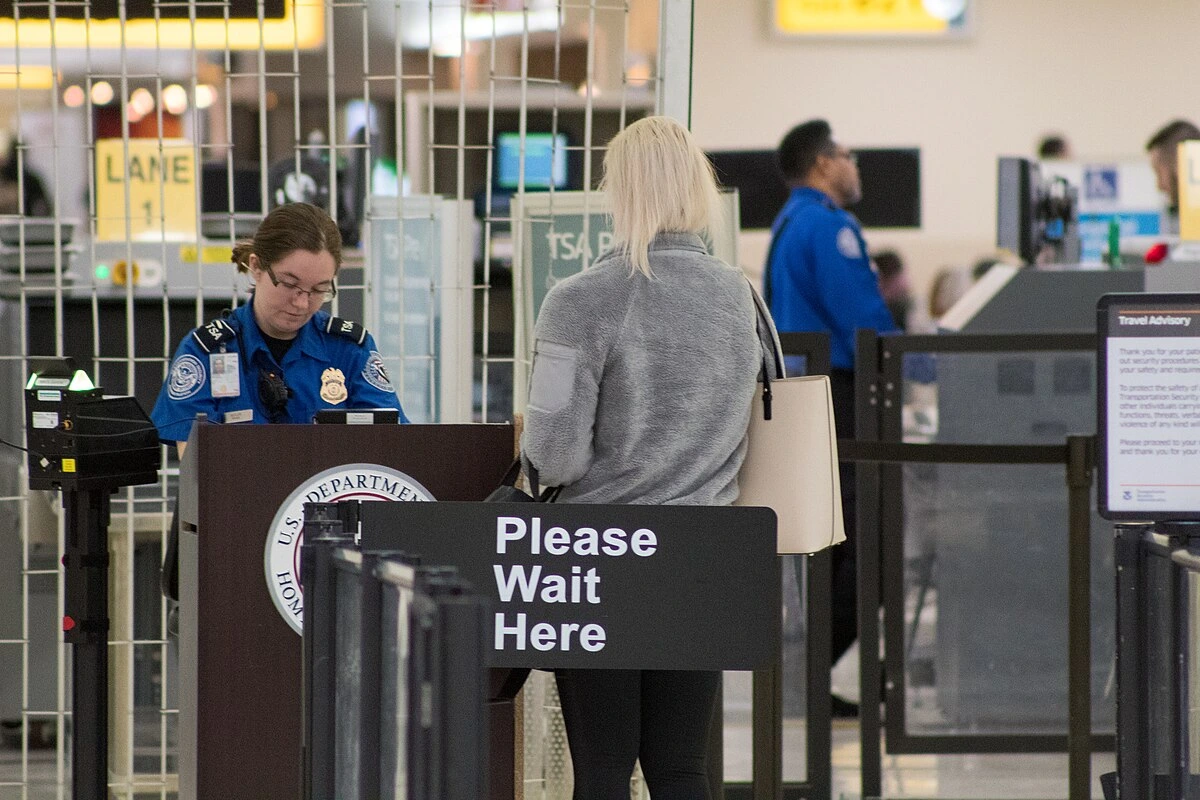
Government Response
President Trump has instructed DHS Secretary Markwayne Mullin to identify available funds and ensure immediate payment to TSA personnel.
The directive aims to stabilize the workforce and restore operational efficiency at airports.
The administration has framed the situation as a national emergency affecting critical infrastructure. At the same time, political disagreements in Congress have delayed broader funding legislation needed to resolve the shutdown.
Efforts to pass interim funding measures have faced repeated setbacks, leaving frontline workers caught in the middle. The prolonged impasse has also contributed to rising tensions and operational uncertainty within the aviation sector.
The current situation highlights the vulnerability of airport systems to workforce disruptions. Restoring timely compensation is expected to improve staffing levels and reduce delays, but long-term solutions will depend on broader policy agreements.
Stay tuned with us. Further, follow us on social media for the latest updates.
Join us on Telegram Group for the Latest Aviation Updates. Subsequently, follow us on Google News
