

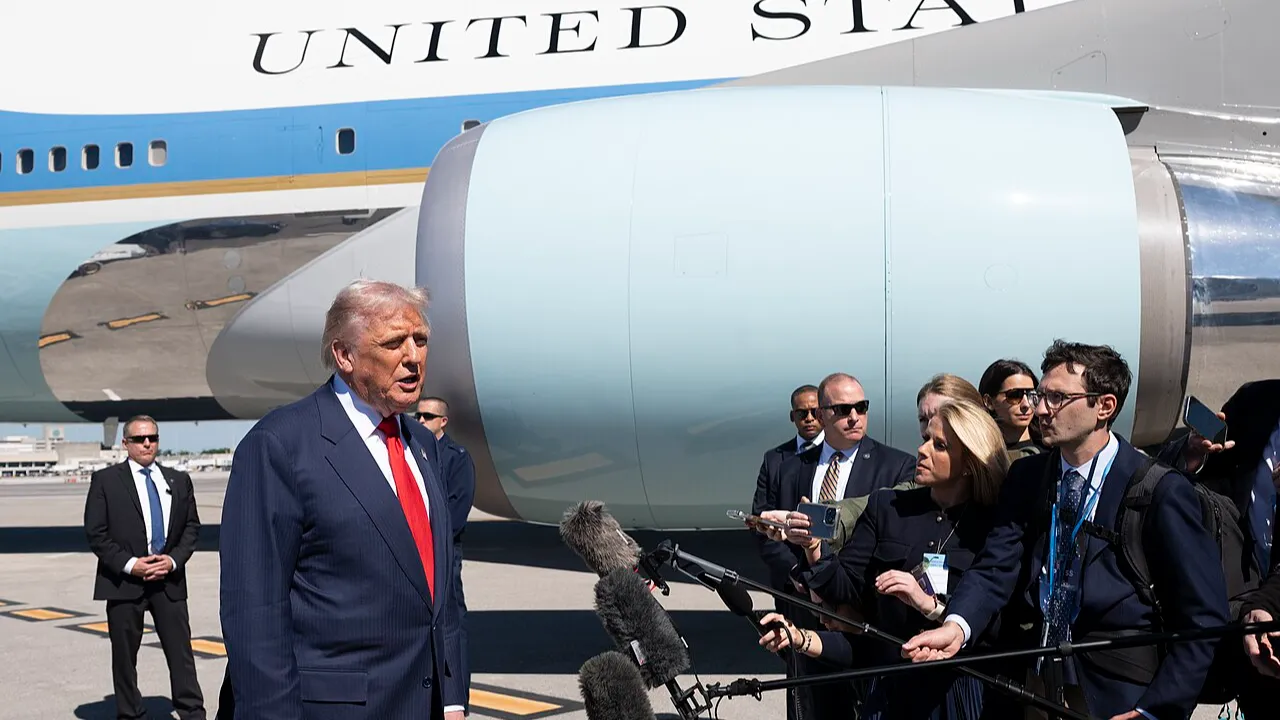
WASHINGTON D.C.- Airport security delays in the United States have worsened during the government shutdown, as TSA staff shortages disrupt screening operations. The situation has prompted a controversial proposal to deploy ICE agents at airport checkpoints.
The proposal raises immediate legal and operational concerns, with experts warning it cannot be implemented quickly and may weaken both aviation security and immigration enforcement.
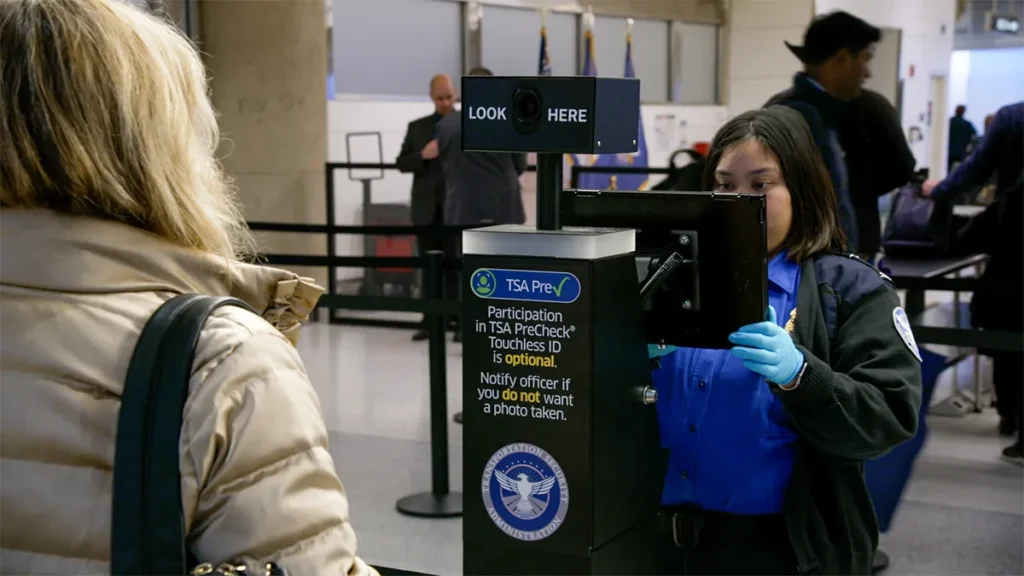
Proposal to Deploy ICE Agents at Airport Checkpoints
The proposal to replace absent TSA officers with ICE agents stems from rising absenteeism among federal workers who are not being paid during the shutdown. In some airports, absenteeism rates have exceeded 50%, resulting in long queues and operational strain.
However, U.S. law clearly assigns responsibility for passenger screening to the TSA. Under federal statute, all screening personnel must be trained, certified, and supervised by the TSA Administrator. This includes mandatory classroom instruction and practical training that typically takes several weeks.
ICE agents do not meet these requirements and cannot legally perform checkpoint screening unless they have completed the same certification process. Immediate deployment, especially within days, is not feasible under current regulations, View from the Wing reported.
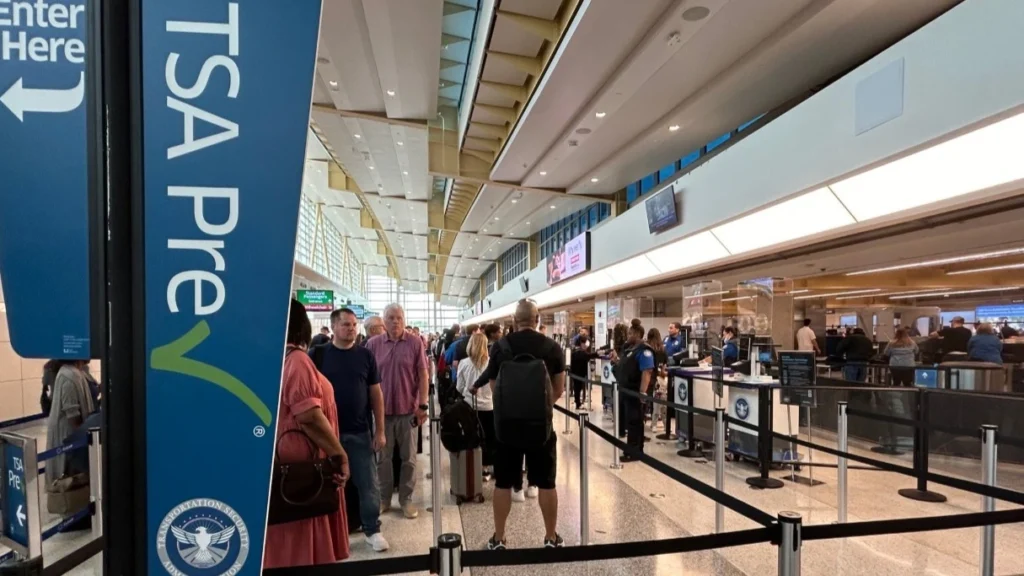
Legal and Operational Constraints
Federal law, under 49 USC § 44901, requires that only qualified TSA personnel conduct screening. Any attempt to redirect ICE agents into these roles would require formal reassignment, supervision under TSA authority, and completion of statutory training.
Beyond legal barriers, the scale of staffing shortages presents a logistical challenge. The TSA employs roughly 50,000 screeners, and a 10% absence rate translates to about 5,000 missing personnel. Replacing even a portion of this workforce would require a large, mobile reserve force, which ICE is not structured to provide.
Absenteeism also varies by airport, making deployment unpredictable. For example, airports like Houston Intercontinental (IAH) have reported significantly higher absence rates than the national average, complicating resource allocation.

Impact on National Security Functions
Redirecting ICE personnel to airports would affect broader homeland security operations.
ICE resources are already allocated to immigration enforcement, and diverting thousands of agents would reduce capacity in those areas.
Additionally, Homeland Security Investigations, which handles cases involving terrorism, trafficking, financial crimes, and cyber offenses, has already seen personnel reassigned. Further strain could weaken investigative capabilities across multiple domains.

Efficiency and Security Risks at Checkpoints
Checkpoint screening requires specialized training to identify prohibited items, manage passenger flow, and handle security protocols.
ICE agents are not trained for these functions, which could lead to slower processing, higher error rates, and increased conflict with travelers.
Introducing law enforcement personnel into screening roles may also alter perceptions of airport security, potentially creating confusion between immigration enforcement and routine passenger screening.
Alternative Approach to Airport Screening
Some policymakers have suggested structural reforms instead of temporary staffing fixes. One proposal involves separating regulatory oversight from screening operations, similar to models used in other developed countries.
The U.S. already has a limited privatization framework through the Screening Partnership Program. However, participation is restricted, and the TSA maintains significant control over contractor selection and operations, limiting flexibility.
Expanding this model could improve efficiency and funding stability, though it would require policy changes and stronger competitive processes.
Bottom Line
The proposal to deploy ICE agents at TSA checkpoints is not legally viable in the short term and presents operational and security risks. It would also divert critical resources from immigration enforcement and national security investigations.
Addressing airport security delays requires solutions that align with existing legal frameworks and maintain the integrity of aviation security systems.
Stay tuned with us. Further, follow us on social media for the latest updates.
Join us on Telegram Group for the Latest Aviation Updates. Subsequently, follow us on Google News
