


LONDON— The Global Combat Air Programme (GCAP), a joint sixth-generation fighter jet initiative involving the United Kingdom, Japan, and Italy, is facing uncertainty due to delays in British defense funding commitments.
The program, which aims to deliver a next-generation combat aircraft by 2035, is now under pressure as timelines risk slipping. The project, led by major defense players and supported by governments across Europe and Asia, has drawn global attention for its scale and ambition.
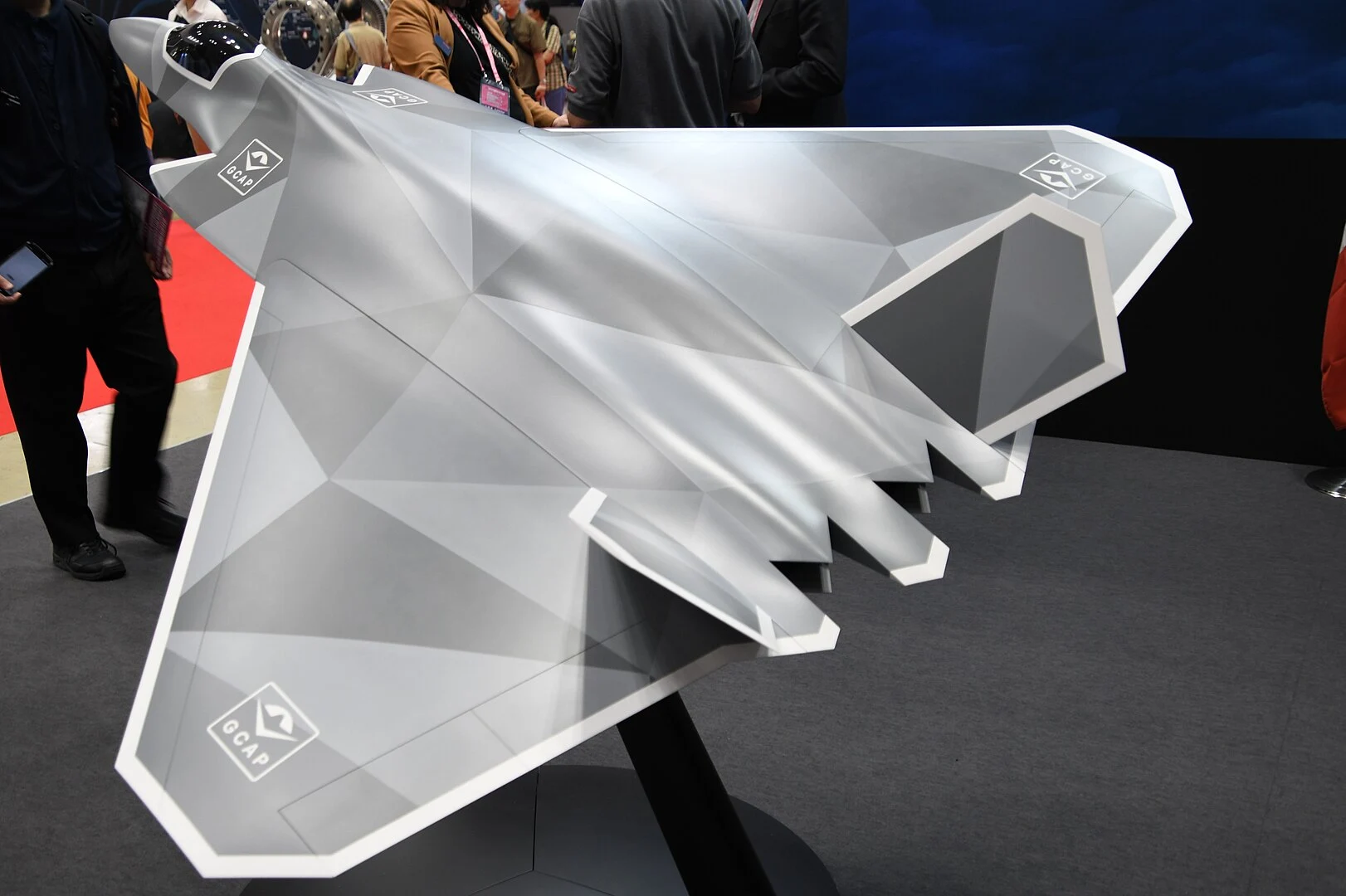
GCAP Program Delays
The GCAP initiative combines earlier national fighter programs into a unified development effort. It aims to produce an advanced aircraft capable of operating alongside drones as part of a broader combat system.
However, delays in the United Kingdom’s defense investment planning have slowed progress, reported Eurasian Times.
A key contract required to advance full-scale design and engineering work has not been finalized due to pending budget approvals.
This uncertainty has created concern among partner nations, particularly Japan. Officials have expressed dissatisfaction over the lack of financial clarity, which they believe could impact the project’s long-term timeline.
Industry sources indicate that ongoing engineering work continues under existing national funding. Still, without a coordinated financial commitment, the program risks missing its initial milestones.

https://commons.wikimedia.org/wiki/File:GCAP_concept_model_(delta_wing_type)_right_rear_view_in_GCAP_booth_of_JA2024_at_Tokyo_Big_Sight_October_19,_2024.jpg
Japan’s Concerns Over the Delays
Japan has emerged as the most vocal partner regarding delays. The country views the program as essential to maintaining its future air defense capabilities, especially amid rapid advancements by regional competitors.
Officials have warned that any delay could create capability gaps in the mid-2030s. This concern is heightened by reports of other nations already testing next-generation fighter prototypes.
Japan’s position emphasizes delivering a fully operational aircraft within the planned timeframe. In contrast, other partners appear more flexible, focusing on long-term system integration rather than strict deadlines.
Diplomatic efforts have attempted to reassure Japan of continued commitment. However, the absence of confirmed funding has limited the effectiveness of these assurances.

https://commons.wikimedia.org/wiki/File:GCAP_concept_model_(delta_wing_type)_front_low-angle_view_in_GCAP_booth_of_JA2024_at_Tokyo_Big_Sight_October_19,_2024_02.jpg
New Partners of the GCAP
Amid uncertainty, interest from additional countries is growing. Poland has initiated discussions regarding potential participation, signaling broader European interest in the program.
India is also evaluating the possibility of joining GCAP or similar next-generation fighter initiatives. Officials have indicated that collaboration is essential to keeping pace with global aerospace advancements.
The inclusion of new partners could provide financial and technological support. It may also help offset rising development costs, which have reportedly increased significantly since the program’s inception.
However, expanding the partnership introduces complexity. Existing members must balance the benefits of additional investment with concerns over technology sharing, program delays, and strategic alignment.
Stay tuned with us. Further, follow us on social media for the latest updates.
Join us on Telegram Group for the Latest Aviation Updates. Subsequently, follow us on Google News
