

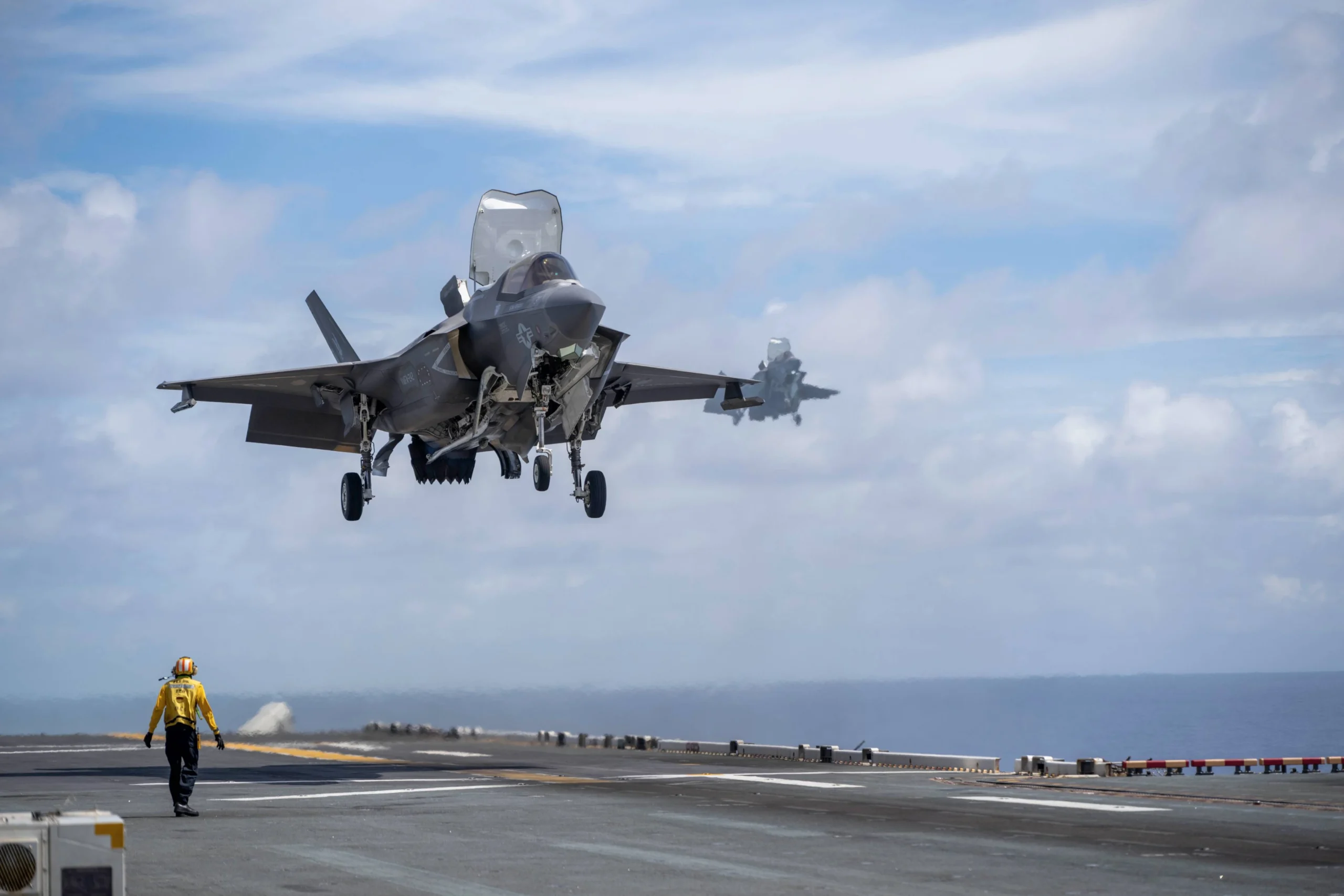
PERSIAN GULF— The United States is rapidly repositioning naval aviation assets toward the Middle East as tensions with Iran intersect with renewed diplomatic engagement. The deployment of USS Tripoli highlights a shift toward flexible, air-capable amphibious operations near one of the world’s most critical energy chokepoints.
While Washington signals progress in talks with Tehran, military planners continue to reinforce the region. Key transit hubs such as Dubai International Airport (DXB) and Doha Hamad International Airport (DOH) remain central to regional air logistics as strategic movements intensify.

USS Tripoli Deployment
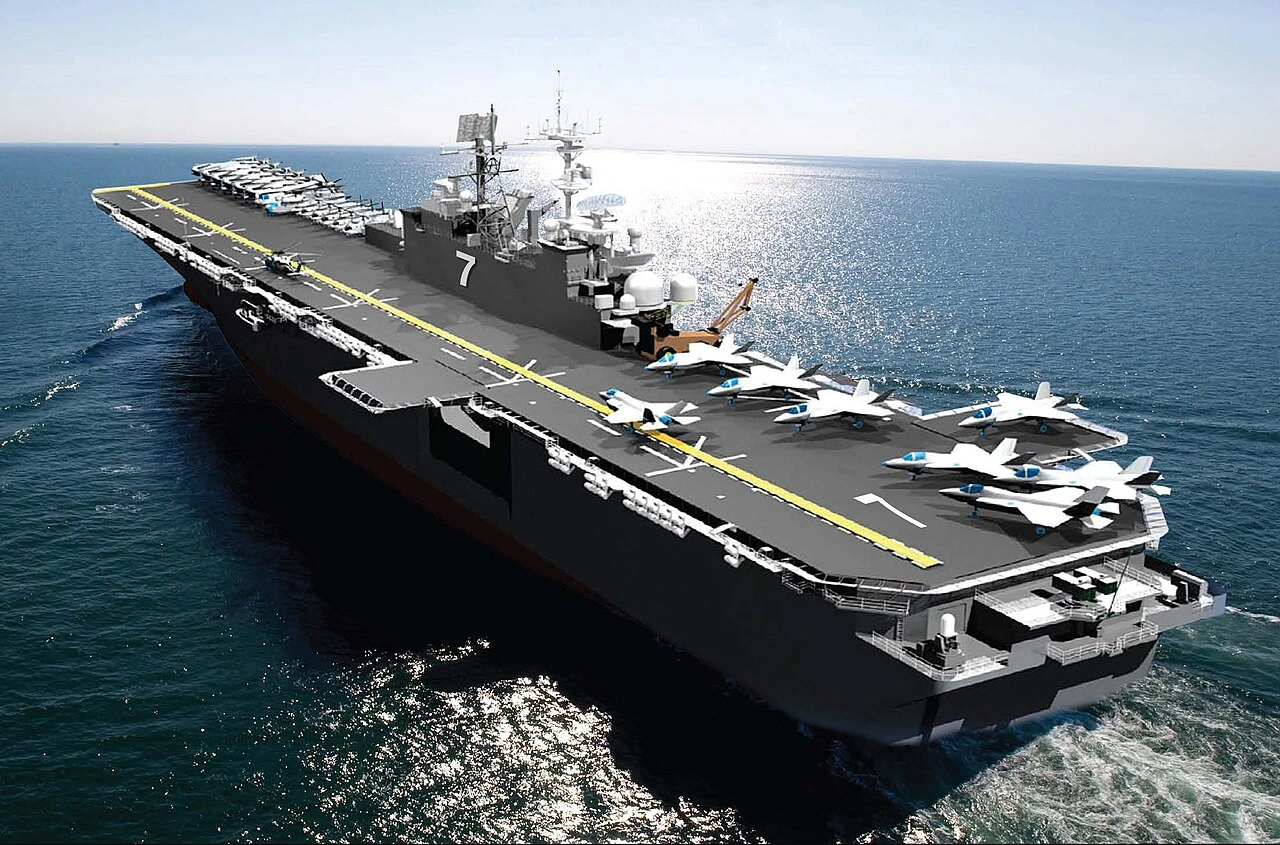
The USS Tripoli, an America-class amphibious assault ship, is now en route from Japan carrying approximately 2,200 to 2,500 Marines.
The vessel operates as a “lightning carrier,” prioritizing aviation operations with F-35B stealth fighters, MV-22 Ospreys, and attack helicopters.
This deployment follows a period of heightened conflict that began in late February 2026, when coordinated strikes triggered broader regional escalation. Iran responded with attacks on U.S. and allied positions while effectively restricting access to the Strait of Hormuz, a vital artery for global oil shipments.
The Tripoli Amphibious Ready Group may include additional support vessels, although their exact status remains unclear.
According to Eurasian Times, tracking data recently indicated U.S. naval movement through key maritime routes into the Indian Ocean.
Strait of Hormuz Crisis
The Strait of Hormuz remains partially closed, disrupting global energy markets and increasing geopolitical risk.
The U.S. administration has signaled that reopening the waterway is a top priority, even as diplomatic efforts continue.
Recent statements confirm that Washington has paused planned strikes on Iranian energy infrastructure for five days to allow negotiations to progress. However, contingency planning continues, including potential measures to secure strategic نقاط such as Kharg Island, Iran’s primary oil export hub.
Military analysts suggest that controlling or blockading this island could pressure Iran economically and restore maritime access.
Earlier strikes reportedly targeted military infrastructure on the island, though broader operational decisions remain under review.

Marine Expeditionary Role
The Marine Expeditionary Unit aboard USS Tripoli provides a rapid-response force capable of air, ground, and logistics operations.
These units specialize in amphibious assaults, evacuations, and securing forward positions in contested environments.
The ship’s aviation wing enhances its ability to conduct surveillance, precision strikes, and rapid troop deployment. This capability is critical in narrow maritime zones where conventional carrier groups face operational constraints.
Despite its flexibility, experts caution that an MEU alone cannot sustain prolonged territorial control, especially given Kharg Island’s proximity to mainland Iran. Any extended operation would require broader force integration and sustained support.
The deployment also raises concerns in the Indo-Pacific, as the repositioning of USS Tripoli reduces immediate U.S. amphibious readiness in that region.
Analysts note that this shift may temporarily alter deterrence dynamics, though overall military balance remains intact.
Stay tuned with us. Further, follow us on social media for the latest updates.
Join us on Telegram Group for the Latest Aviation Updates. Subsequently, follow us on Google News
