

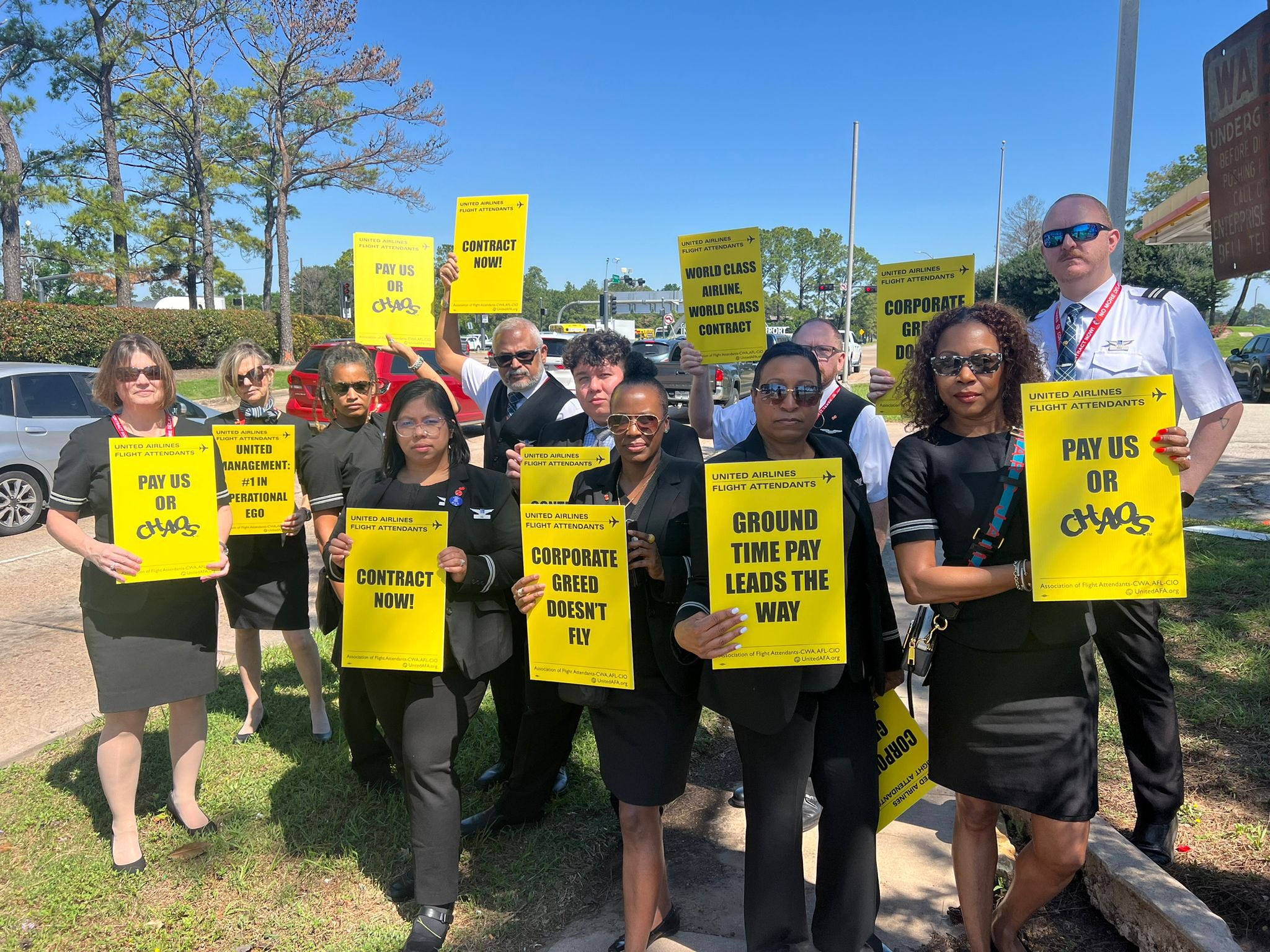
CHICAGO, IL— United Airlines (UA) and the Association of Flight Attendants-CWA (AFA-CWA) are entering what may be their final round of mediated bargaining this week, with more than 30,000 crew members waiting nearly six years for a new contract.
Four days of talks begin Tuesday in Washington, D.C. (DCA), with a potential tentative agreement expected by Friday. The outcome carries significant weight for flight attendants, the union, and the airline’s operational future.
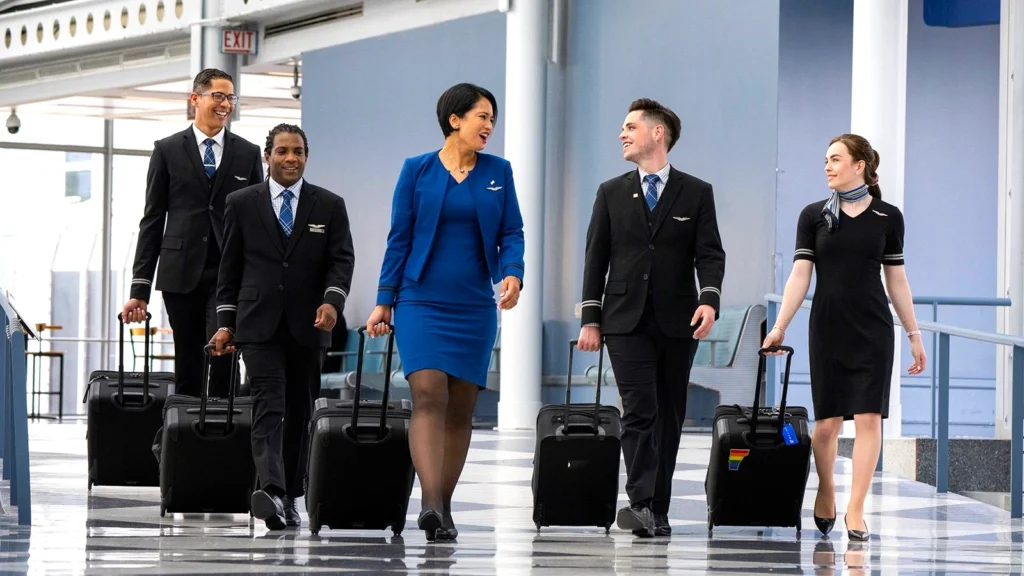
United Airlines Flight Attendants Push for Final Deal
As United Airlines heads into this pivotal bargaining session, the airline faces a difficult external environment.
Jet fuel prices are climbing, the carrier has already announced a 5% summer schedule reduction at Chicago O’Hare International Airport (ORD), pressure on the national airspace system continues due to the partial federal shutdown, and geopolitical uncertainty in the Middle East adds further complexity.
According to PYOK, this backdrop closely mirrors the scenario that AFA-CWA had cautioned its members about when a tentative agreement was first reached last summer.
The union warned then that the deal may have been the best achievable under a shifting political climate, and that rejection could lead to a less favorable outcome. Flight attendants did reject that agreement, and by a wide margin, pushing negotiators back to the table.
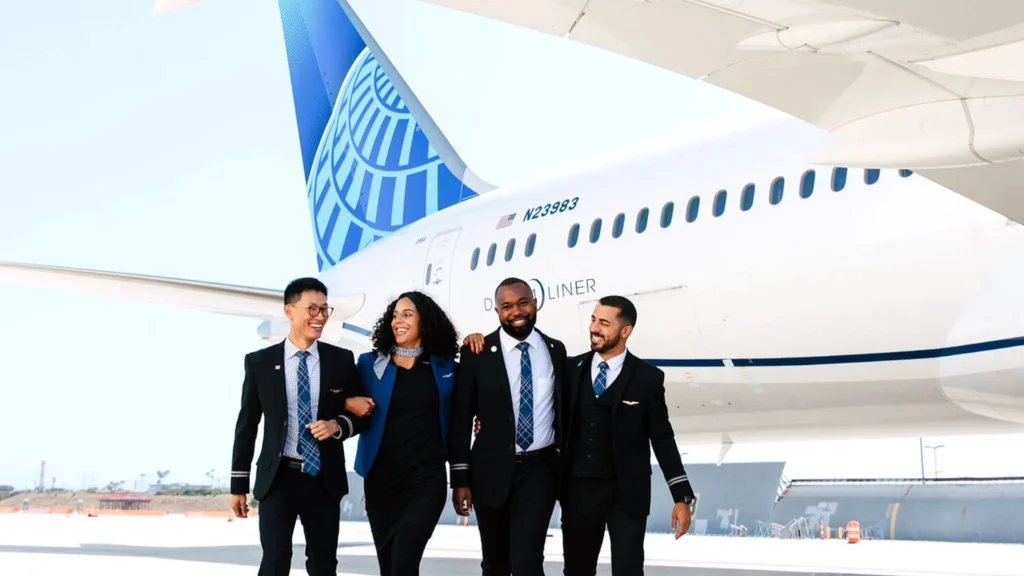
What United Airlines Has Offered
United has tabled a proposal it describes as the most competitive compensation package in U.S. aviation, promising to make its flight attendants the highest-paid in the industry regardless of seniority or tenure. However, the offer includes conditions.
Flight attendants would need to accept the elimination of personal time off provisions and agree to the adoption of a Preferential Bidding System (PBS), a new scheduling software, the airline argues, will improve operational efficiency and justify a higher pay structure.
The PBS would also introduce so-called “sit rig” pay for the first time, compensating crew members for certain ground time that was previously uncompensated. United argues the scheduling efficiencies PBS creates are what make the improved pay offer financially viable.
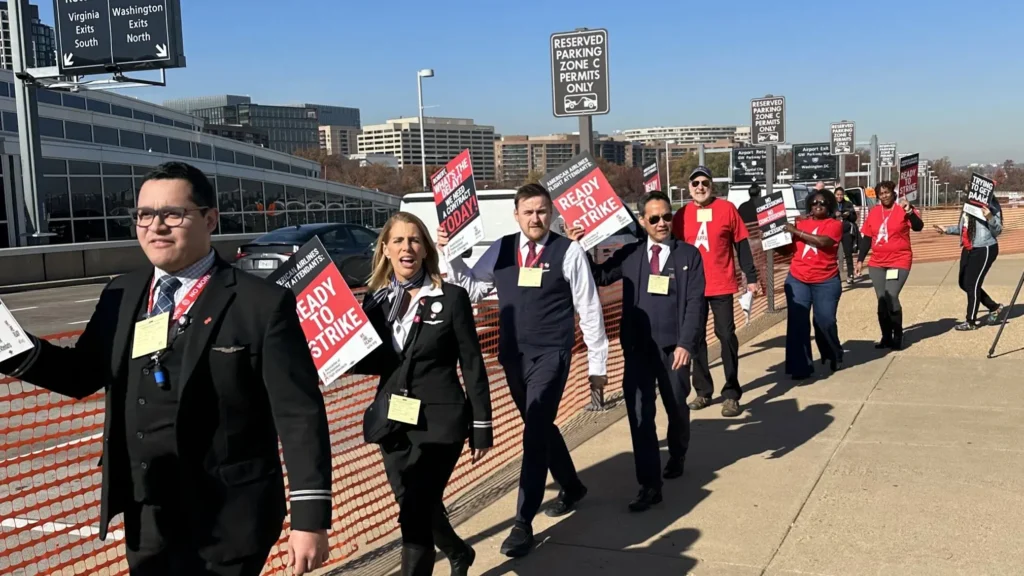
The Union’s Position
AFA-CWA has consistently opposed concessions in any form, maintaining that United’s financial performance and profitability leave the airline with no legitimate basis to attach conditions to better pay.
The union’s argument is straightforward: the airline has the means to offer more without requiring trade-offs in working conditions or scheduling flexibility.
In a message to members earlier this week, the union stated its intent to finalize the remaining details and secure an agreement that serves the long-term interests of its workforce. The tone reflected both determination and awareness of the challenges ahead.
What Happens If a Deal Is Reached
Should the two sides reach a tentative agreement by Friday, the union’s master executive council must first review and approve the deal before it is distributed to the broader membership for a ratification vote.
During the previous tentative agreement process last summer, this internal review took several days, with only top-line figures initially made available.
United chief executive Scott Kirby has stated the airline will not scale back its investment plans despite rising costs, though industry observers will be watching closely to see if that position influences the terms United presents at the table this week.
Stay tuned with us. Further, follow us on social media for the latest updates.
Join us on Telegram Group for the Latest Aviation Updates. Subsequently, follow us on Google News
