

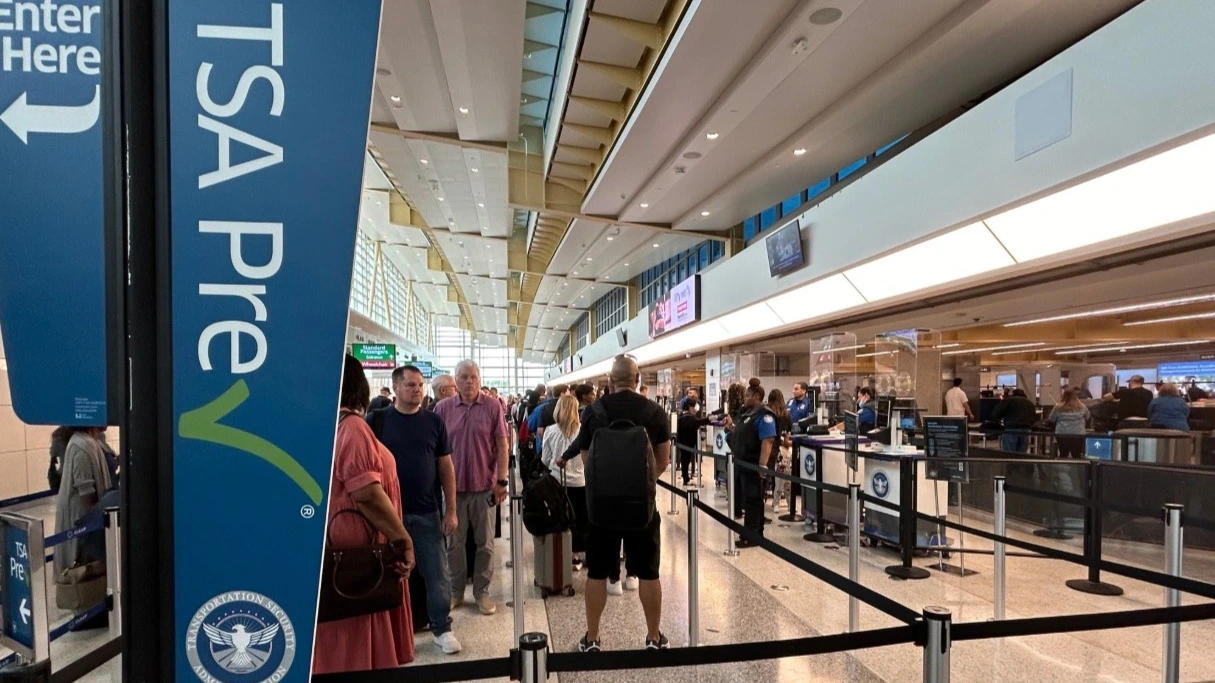
ATLANTA, USA- Atlanta Hartsfield-Jackson International Airport (ATL) saw the deployment of Immigration and Customs Enforcement agents as part of a federal response to record TSA delays. The move aimed to support operations but showed limited visible impact.
Passengers at Atlanta Hartsfield-Jackson International Airport (ATL) faced wait times stretching several hours, prompting officials to advise early arrivals. ICE agents were present but appeared largely inactive during peak congestion.

ICE Presence Fails to Address TSA Bottlenecks
Immigration and Customs Enforcement agents were deployed at Atlanta Hartsfield-Jackson International Airport (ATL) following directives tied to a federal effort to manage growing TSA checkpoint congestion. The initiative, linked to a broader emergency response plan, aimed to support Transportation Security Administration operations during a staffing shortfall.
However, early observations suggest minimal operational involvement from the deployed agents. Multiple reports indicated that ICE personnel were stationed within terminals but were not actively assisting with screening or passenger processing. Their role appeared limited to observation or standby support rather than direct intervention.
According to PYOK, the deployment was intended to assist with non-screening duties such as crowd management and exit monitoring. These responsibilities were expected to free trained TSA officers to focus on primary security screening tasks. Despite this intent, there was no immediate evidence that the presence of ICE agents improved throughput at checkpoints.
TSA Staffing Crisis Drives Operational Disruptions
The situation at ATL intensified due to a significant shortage of TSA personnel. Reports confirmed that a large portion of scheduled officers called in sick over the weekend, creating severe operational gaps. This led to unusually long queues, with some passengers reportedly waiting several hours and missing flights.
Airport authorities responded by advising travelers to arrive up to four hours before departure. Additionally, the airport temporarily disabled its TSA wait time tracking system to prevent uneven passenger distribution across checkpoints.
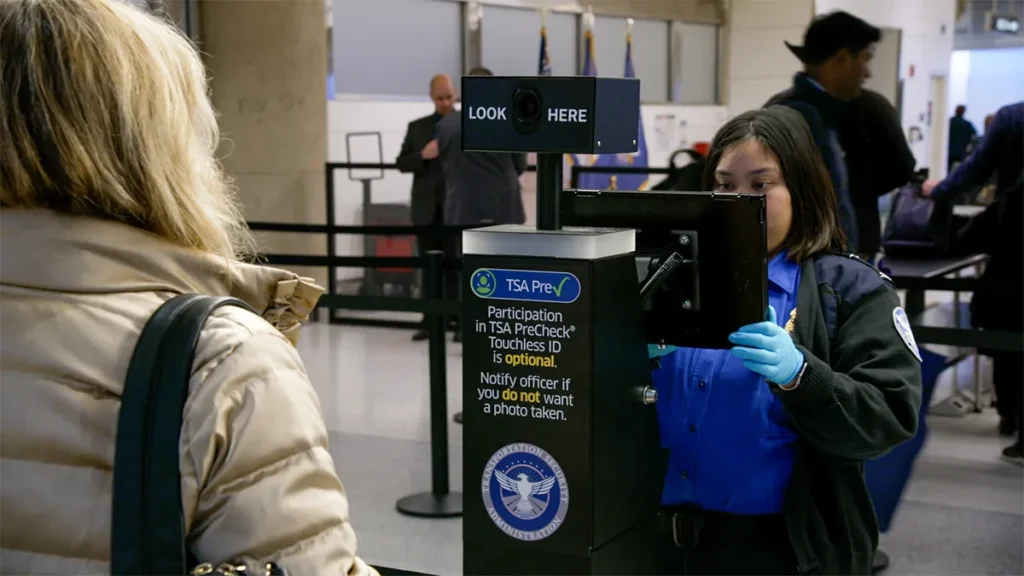
The shortage highlighted the reliance on trained Transportation Security Officers, who undergo approximately six months of specialized training. Their responsibilities include operating advanced screening equipment and identifying prohibited items, tasks that cannot be quickly reassigned to untrained personnel.

Policy Push Faces Strong Opposition from Aviation Unions
The deployment of ICE agents drew sharp criticism from aviation labor groups. Major unions representing flight attendants and TSA workers argued that introducing untrained personnel into airport security environments could undermine safety standards.
Union representatives emphasized that aviation security requires specialized expertise and continuous certification. They warned that substituting or supplementing trained officers with agents lacking relevant training could introduce operational risks rather than resolve existing issues.
Concerns were also raised about workforce morale and retention, particularly as many TSA employees were already working under strained conditions. Labor leaders called for immediate government action to address funding and staffing shortages instead of implementing temporary fixes.
Unclear Execution Raises Questions About Effectiveness
Federal officials indicated that ICE agents would not handle screening duties but would instead support peripheral functions. These include monitoring exits and assisting with general terminal management. However, the rapid rollout of the plan raised questions about preparedness and execution.
Statements from officials suggested that the deployment strategy was still being finalized shortly before implementation. This lack of clarity contributed to inconsistent expectations regarding the agents’ responsibilities and effectiveness.
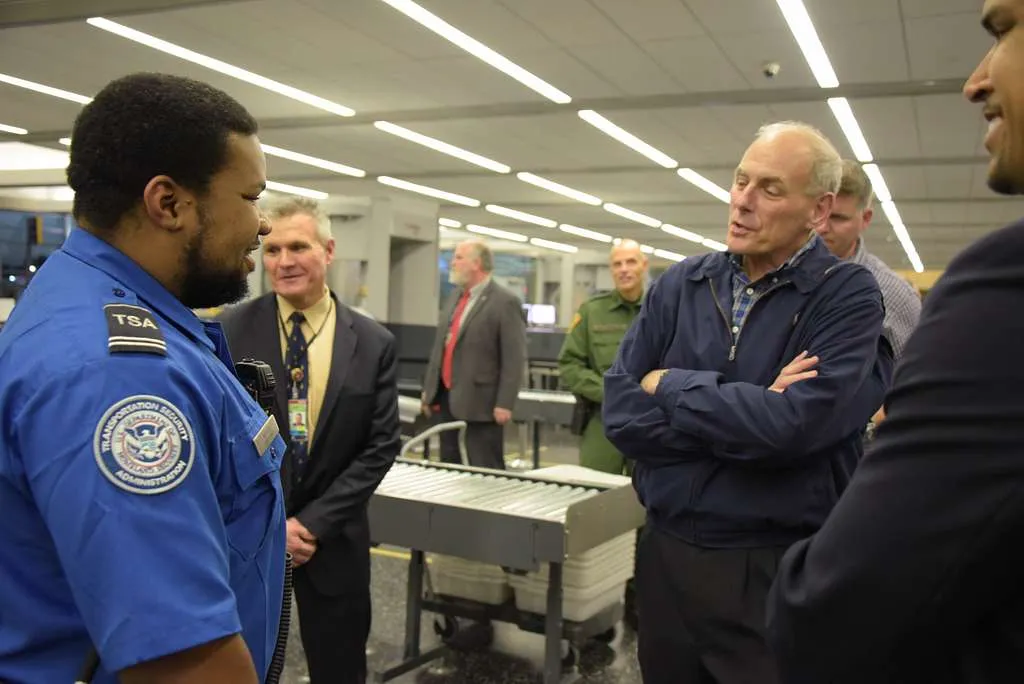
Visual evidence from the airport showed ICE agents present but not actively engaged in meaningful operational roles. This reinforced concerns that the initiative may not provide immediate relief to overwhelmed TSA checkpoints.
Stay tuned with us. Further, follow us on social media for the latest updates.
Join us on Telegram Group for the Latest Aviation Updates. Subsequently, follow us on Google News
