

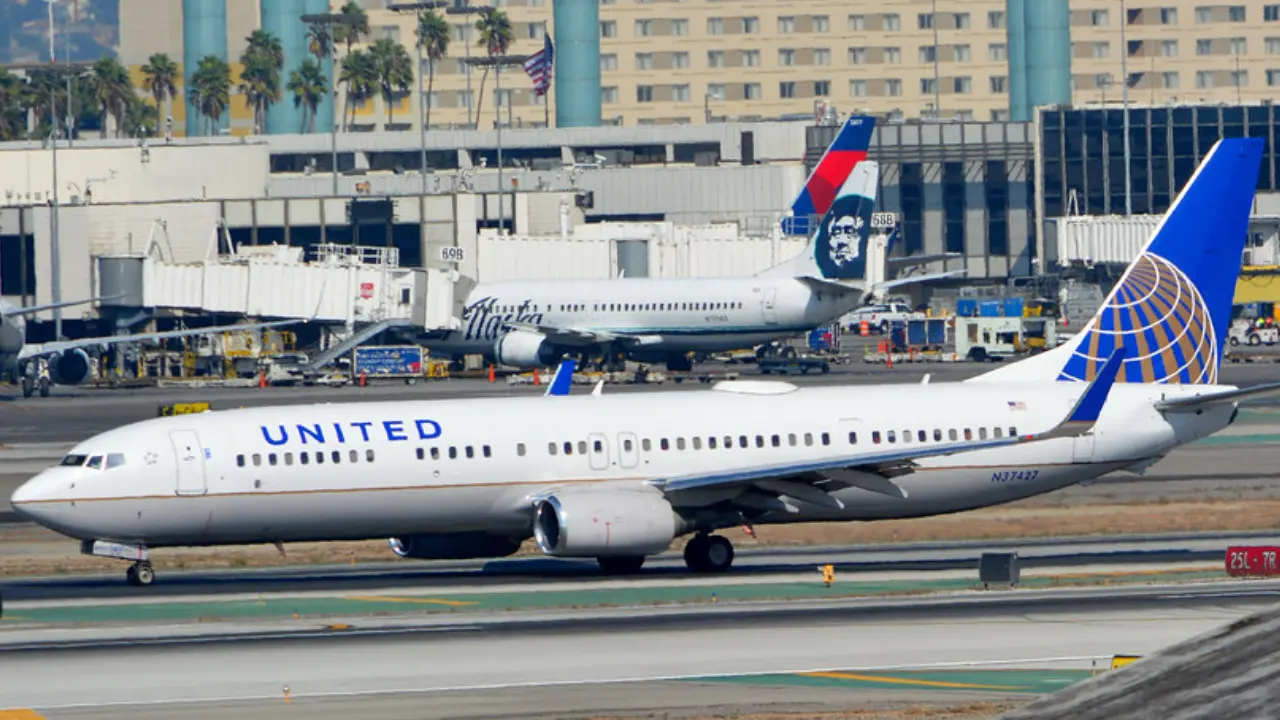
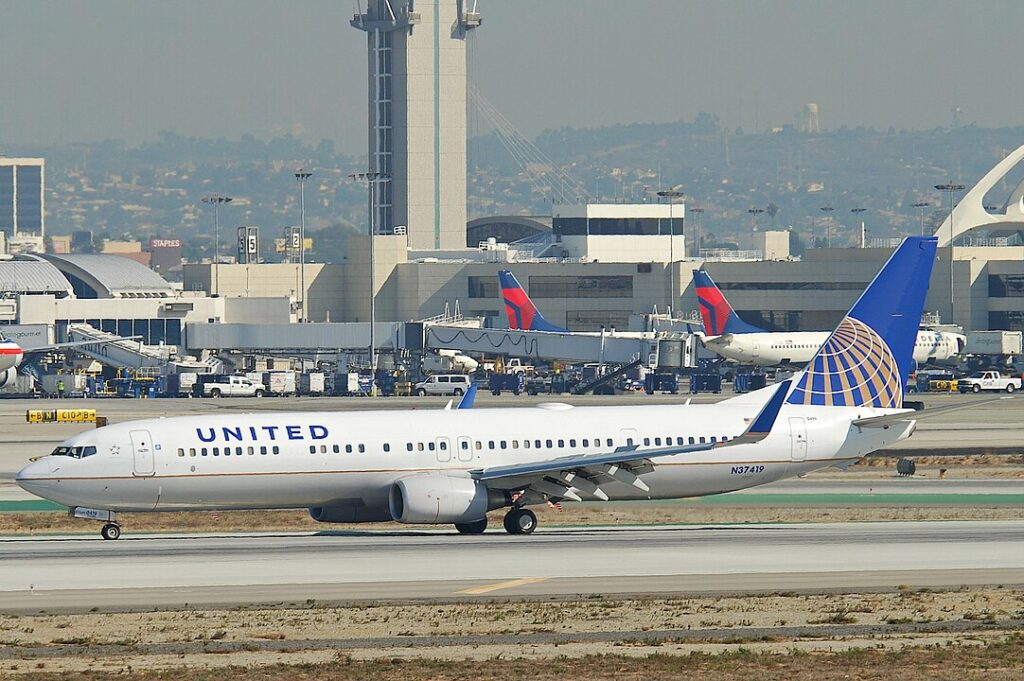
CHICAGO- United Airlines (UA) flight UA1394, operated by a Boeing 737-700, experienced a rejected takeoff at Chicago O’Hare International Airport (ORD) after lining up incorrectly on the runway edge. The aircraft later departed again without inspection and completed its journey to San Antonio International Airport (SAT).
The incident occurred on March 19, 2026, during a night departure from Chicago O’Hare (ORD) to San Antonio (SAT), raising questions about cockpit procedures and post-incident handling, Aviation Herald reported.
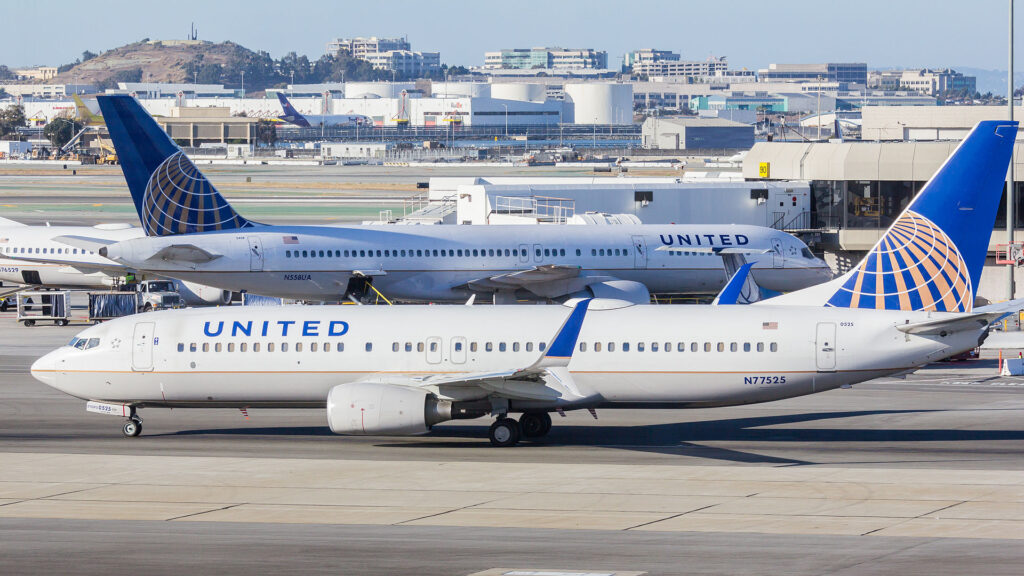
United 737 Pilots Reject Takeoff at Chicago
According to incident reports, the aircraft entered runway 10L via taxiway DD, approximately 3,000 feet down the runway, for a midfield departure. Instead of aligning with the runway centerline, the pilots positioned the aircraft along the left edge lights.
During the takeoff roll, the aircraft accelerated to about 60 knots before the crew identified the misalignment and rejected the takeoff. The aircraft continued for roughly 2,300 feet before exiting the runway via taxiway P4.
The Federal Aviation Administration (FAA) confirmed that the aircraft struck runway and taxiway lights while entering the runway. Despite this, the aircraft taxied back to the threshold and departed again within minutes. The flight landed in San Antonio (SAT) approximately 2 hours and 15 minutes later without further issues, OMAAT reported.
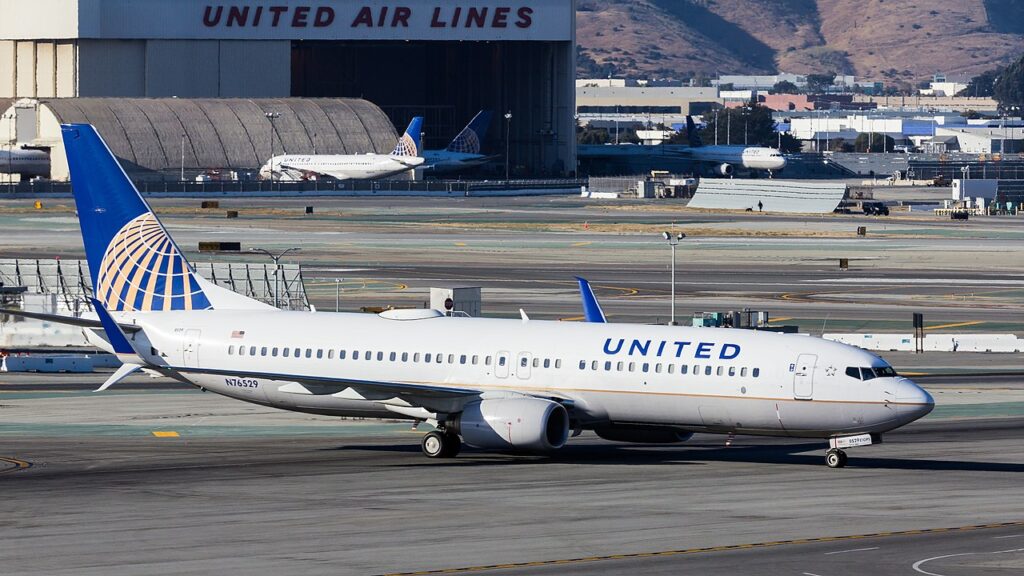
Questions Over Crew Decision-Making
The incident highlights a critical deviation from standard operating practices. Runway lighting systems use white centerline and edge lights, which require precise alignment during night operations. Proper positioning ensures that the aircraft is centered with visible lights on both sides.
The misalignment suggests either situational awareness issues or visual misinterpretation during taxi and lineup. While such errors can occur, the subsequent actions raise greater concern.
After a rejected takeoff involving potential contact with runway infrastructure, standard protocol typically includes inspection of the aircraft’s landing gear and a runway check for debris. These steps help prevent secondary risks such as foreign object damage.
In this case, the crew proceeded with departure without any reported inspection or delay. This decision stands out given the known safety risks associated with runway debris and undetected structural damage.
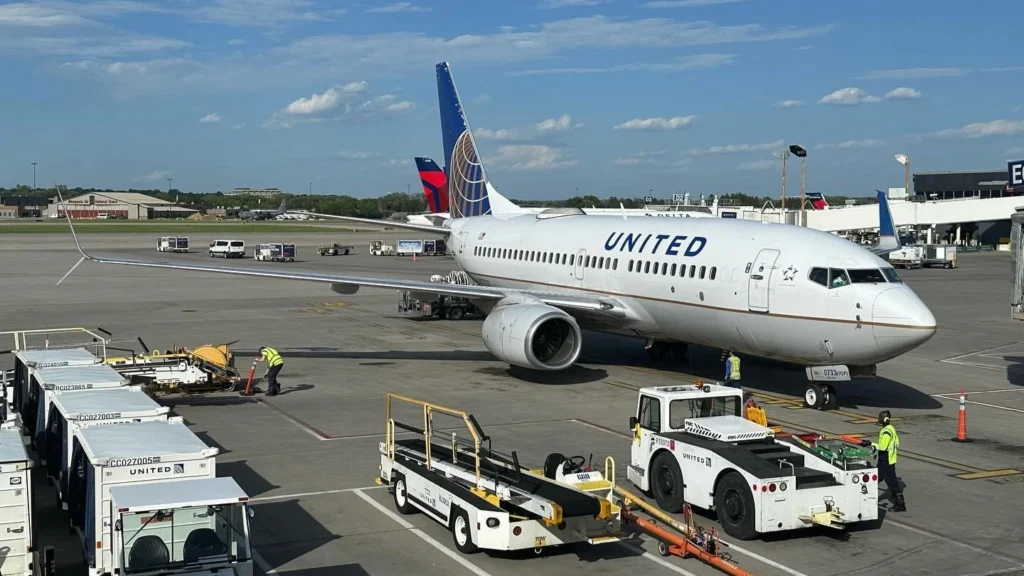
Safety Implications and Industry Context
Runway incursions and alignment errors remain a focus area for aviation safety authorities. Night operations, combined with complex airport layouts like Chicago O’Hare (ORD), increase the likelihood of visual confusion.
However, modern procedures and cockpit cross-checks are designed to minimize such risks. When deviations occur, adherence to post-incident protocols becomes essential.
The absence of a precautionary inspection in this case introduces concerns about risk assessment and cockpit resource management. Even minor ground impacts can have downstream safety implications if not properly evaluated.
Operational Outcome
Despite the initial error, the flight to San Antonio (SAT) concluded without further incident. No injuries were reported, and the aircraft completed its scheduled service.
The event remains under scrutiny as it reflects both a procedural lapse during the lineup and a questionable decision to resume operations without inspection.
Stay tuned with us. Further, follow us on social media for the latest updates.
Join us on Telegram Group for the Latest Aviation Updates. Subsequently, follow us on Google News
