

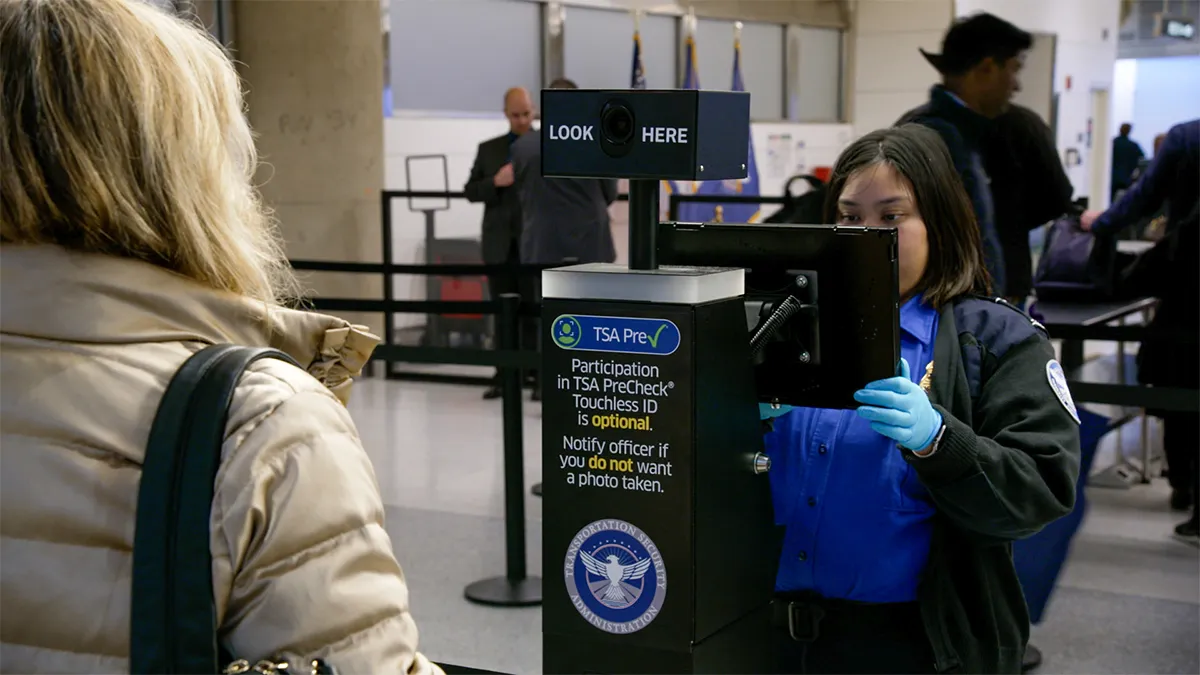
WASHINGTON D.C.- Elon Musk has proposed covering the salaries of Transportation Security Administration officers during the ongoing US government shutdown. The move comes as over 50,000 TSA workers continue to operate without pay, impacting airport operations nationwide.
The TSA workforce, critical to airport security at hubs like Los Angeles International Airport (LAX) and Hartsfield-Jackson Atlanta International Airport (ATL), faces mounting pressure as the shutdown stretches beyond six weeks. Musk’s offer highlights the growing strain on aviation infrastructure and passenger experience.
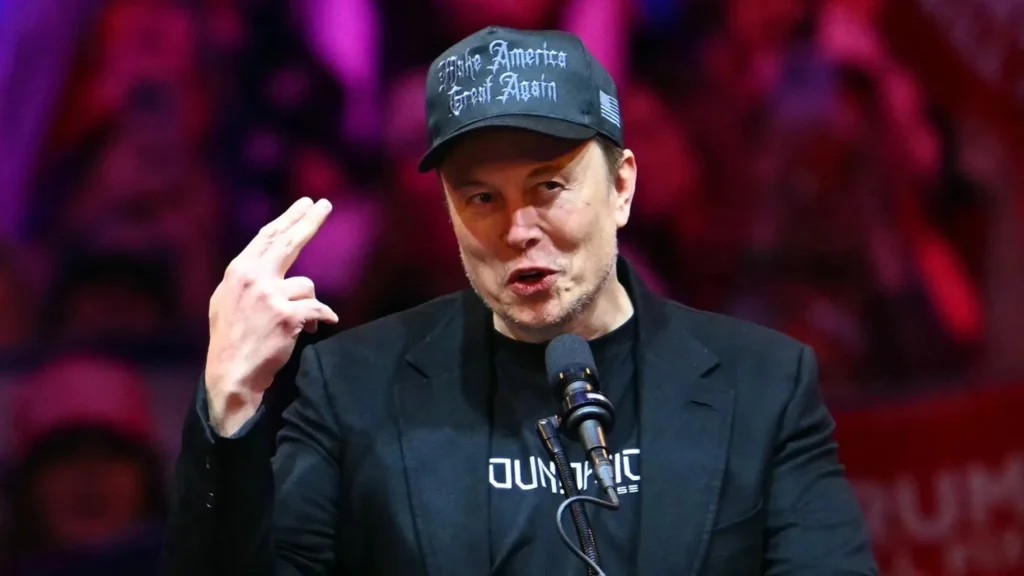
Elon Musk Offers to Fund TSA Salaries
Elon Musk publicly offered to fund TSA salaries through his social platform, stating his intention to support workers affected by the funding lapse.
With TSA’s annual workforce cost estimated at $8.6 billion, the daily expense exceeds $23 million. Over 44 days, unpaid wages have crossed $600 million.
Despite Musk’s financial capacity, the proposal remains symbolic. Federal agencies like the TSA cannot legally accept private funding to cover operational costs. Congressional approval is required to allocate funds, making private intervention unfeasible under current law.
According to PYOK, the situation underscores the structural limitations of federal funding during political deadlocks, even when external financial support is available.

Shutdown Impact on TSA Operations
The ongoing shutdown has left TSA officers working without pay since mid-February. Many officers are calling in sick or reducing shifts to take on additional jobs, leading to staff shortages at major airports.
Security wait times have increased significantly, especially during peak travel periods.
Airports such as Chicago O’Hare International Airport (ORD) and Dallas/Fort Worth International Airport (DFW) are already experiencing longer queues and operational strain.

Political Stalemate Behind the Crisis
The funding impasse stems from disagreements between Democratic and Republican lawmakers. Democrats have pushed for conditional funding tied to immigration policy changes, particularly concerning ICE. Republicans have rejected partial funding bills, insisting on comprehensive agreements.
This deadlock has stalled financial relief for agencies, including the TSA, FEMA, and the Coast Guard. Until a bipartisan agreement is reached, affected workers remain in limbo.
Transportation Secretary Sean Duffy has warned that current delays could worsen significantly if the shutdown continues. Extended wait times and reduced staffing levels risk disrupting travel plans across the country.
Passengers and TSA personnel remain caught in a prolonged political dispute, with no immediate resolution in sight. The longer the shutdown persists, the greater the operational and economic impact on the aviation sector.
Mounting Pressure on TSA Workforce Amid Funding Deadlock
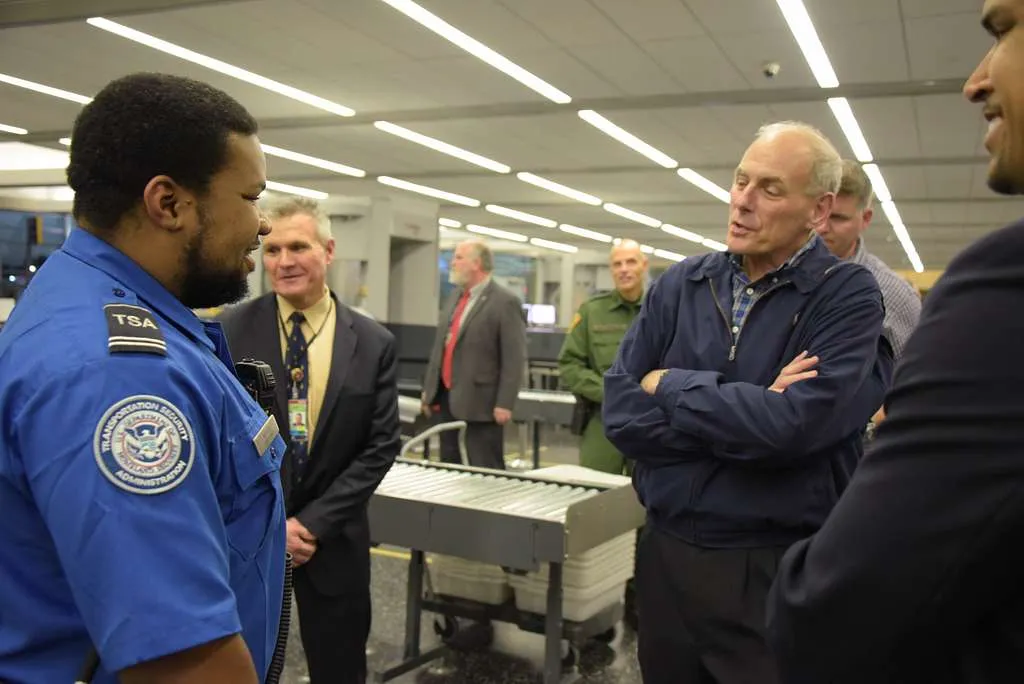
TSA staffing shortages are worsening across major US airports such as New York JFK (JFK) and Atlanta (ATL) as unpaid workers struggle to cope with financial pressure.
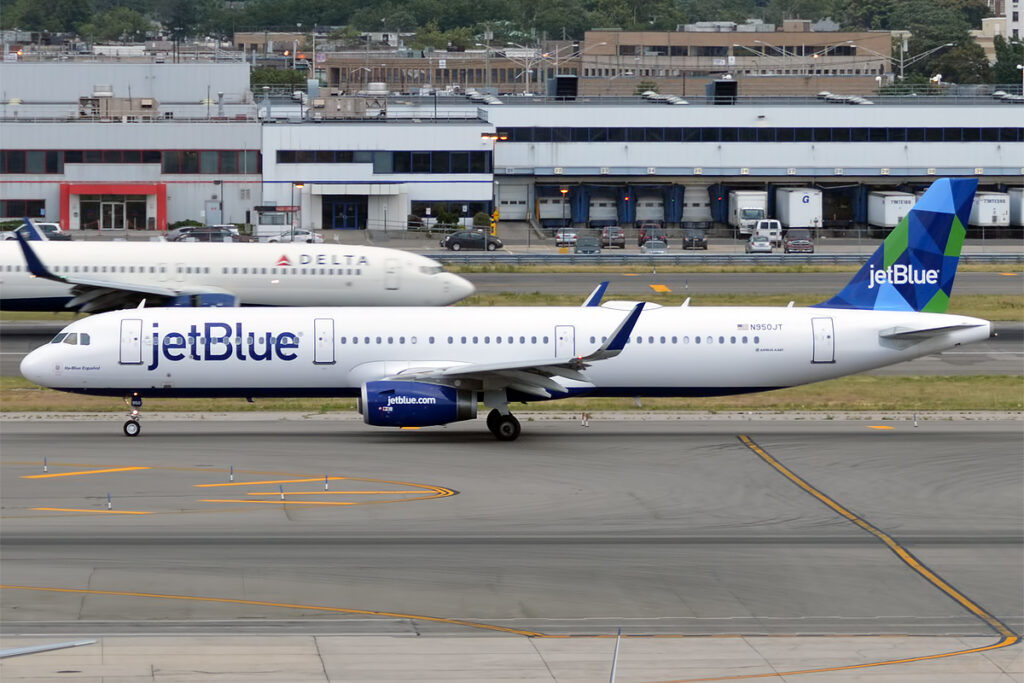
Airlines, including Delta Air Lines (DL) and JetBlue (B6), face growing operational strain as long security lines disrupt passenger flow nationwide.
A prolonged federal funding lapse has left thousands of Transportation Security Administration officers without pay since February 14, triggering widespread staffing shortages across US airports.
Many TSA officers are now calling out of duty to secure alternative income. Some are driving for ride-hailing platforms, while others are delivering food through gig services. In extreme cases, workers have reportedly turned to selling blood plasma through plasmapheresis, earning about $100 per session.
According to PYOK, the American Federation of Government Employees has raised serious concerns in a letter to lawmakers, highlighting the financial distress faced by nearly 47,000 TSA officers. The union reports that many affected families are relying on food banks and seeking financial relief from lenders and landlords.
The funding impasse continues to stall in Congress, with both political parties blaming each other. The disagreement centers on immigration enforcement funding, particularly related to ICE policies. Meanwhile, TSA officers are expected to miss additional paychecks if no resolution is reached.
Airport Operations Disrupted Nationwide
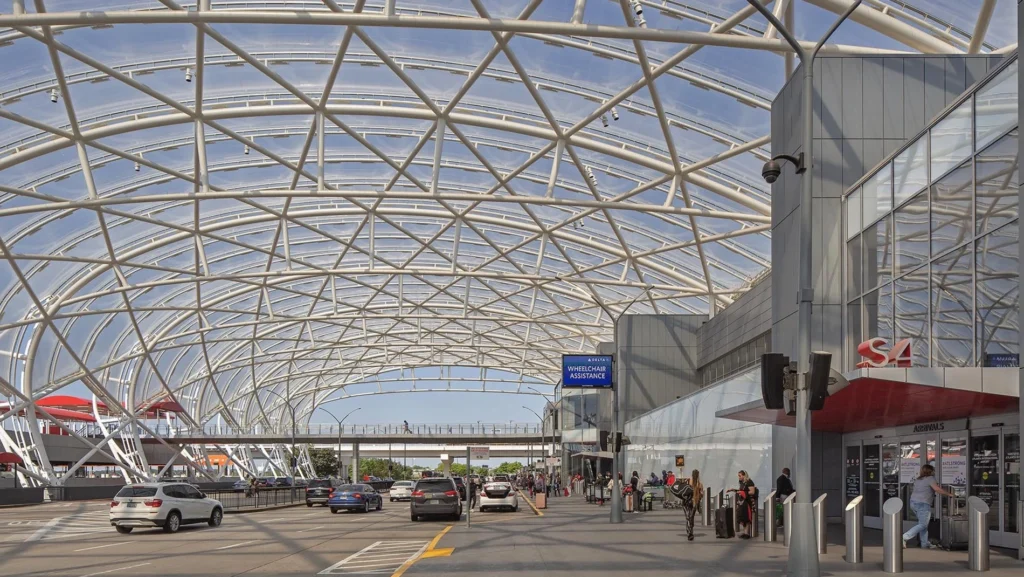
Major US airports are already experiencing operational strain due to reduced staffing at security checkpoints. Long lines and extended wait times have become common, especially during peak travel periods.
Airports such as Houston Hobby (HOU), Atlanta Hartsfield-Jackson (ATL), and New York JFK (JFK) have reported significant congestion. Officials warn that conditions may deteriorate further if the shutdown persists.
Transportation Secretary Sean Duffy has cautioned that current disruptions could escalate sharply, describing the situation as likely to worsen beyond current levels in the coming days.
Security Risks and Public Impact
Analysts indicate that prolonged staffing shortages may begin to affect aviation security standards. Reduced workforce availability can lead to slower screening processes and increased pressure on remaining staff.
The ongoing crisis places both TSA workers and travelers in a difficult position. While officers face financial hardship, passengers encounter delays and uncertainty during travel.
Union leadership has strongly criticized the situation, calling it a systemic failure. The growing strain highlights the broader impact of political deadlock on critical national infrastructure.
Stay tuned with us. Further, follow us on social media for the latest updates.
Join us on Telegram Group for the Latest Aviation Updates. Subsequently, follow us on Google News
