

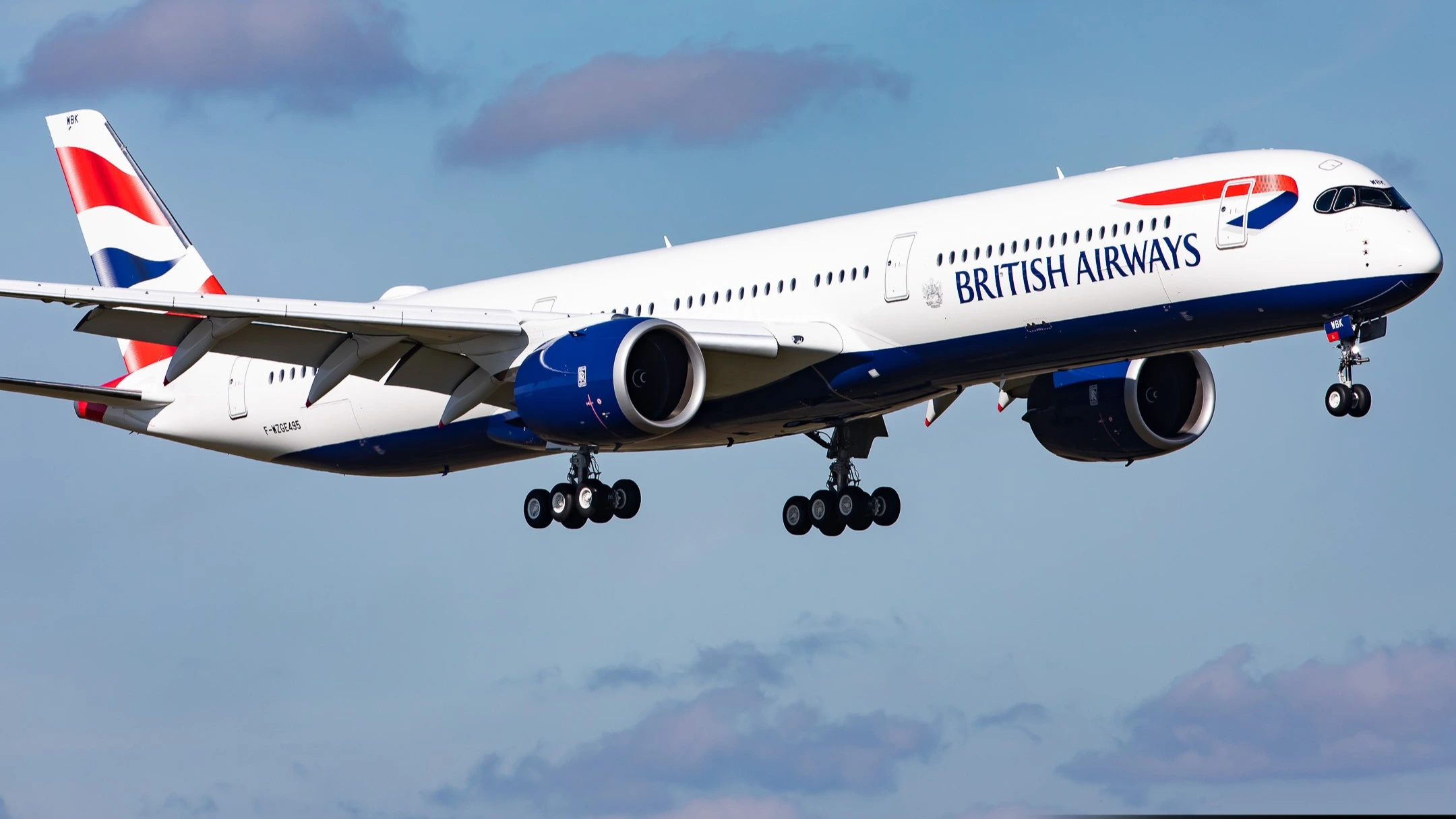
LONDON- A British Airways (BA) flight from Hong Kong International Airport (HKG) to London Heathrow Airport (LHR) continued its journey after a passenger died shortly after takeoff.
The body remained onboard for more than 13 hours, raising concerns about in-flight handling procedures.
The deceased passenger, a woman in her 60s, passed away within an hour of departure on British Airways. Despite passenger concerns and early discussions, the flight continued to London Heathrow without diversion.
British Airways Passenger Death Mid-Flight
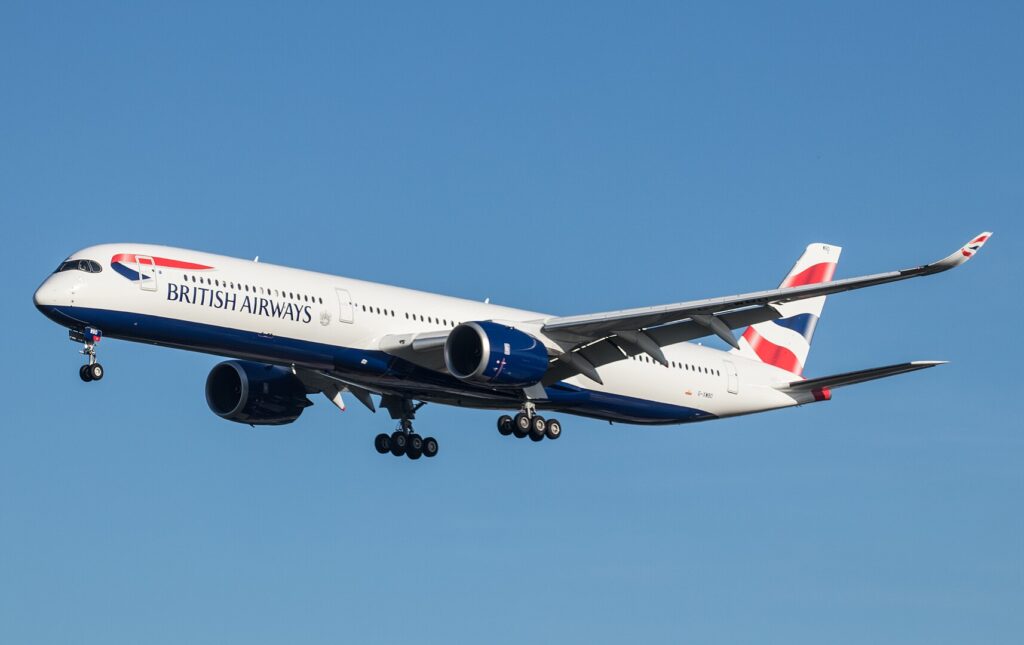
The incident occurred on a British Airways (BA) Airbus A350-1000 operating from Hong Kong International Airport (HKG) to London Heathrow Airport (LHR).
The passenger died early in the flight, prompting immediate internal discussions among the crew.
Several passengers reportedly wanted the aircraft to return to Hong Kong. However, aviation practice does not always classify a confirmed death as an emergency.
A source involved in the situation stated that once a passenger has died, it is not typically treated as a reason for diversion.
Reported by Metro.co.uk, the crew proceeded with the flight while managing both operational requirements and passenger sensitivity.
Following the death, the cabin crew discussed how to manage the situation onboard. After deliberation, they decided to isolate the body, wrap it appropriately, and move it to a rear galley area to reduce visibility to passengers.
However, a critical detail was overlooked. The selected galley had a heated floor system. The body remained in this area for more than 13 hours during the long-haul journey.
Toward the latter part of the flight, passengers seated near the rear reported a foul smell coming from that section of the aircraft. This issue highlighted the unintended consequences of the storage decision.
Crew members were described as distraught while handling the situation, reflecting the emotional strain of managing a death in a confined cabin environment.
Passenger Experience and Arrival at Heathrow
The flight was carrying more than 300 passengers, many of whom became aware of the situation later in the journey. Complaints about the smell added to the discomfort among those seated nearby.
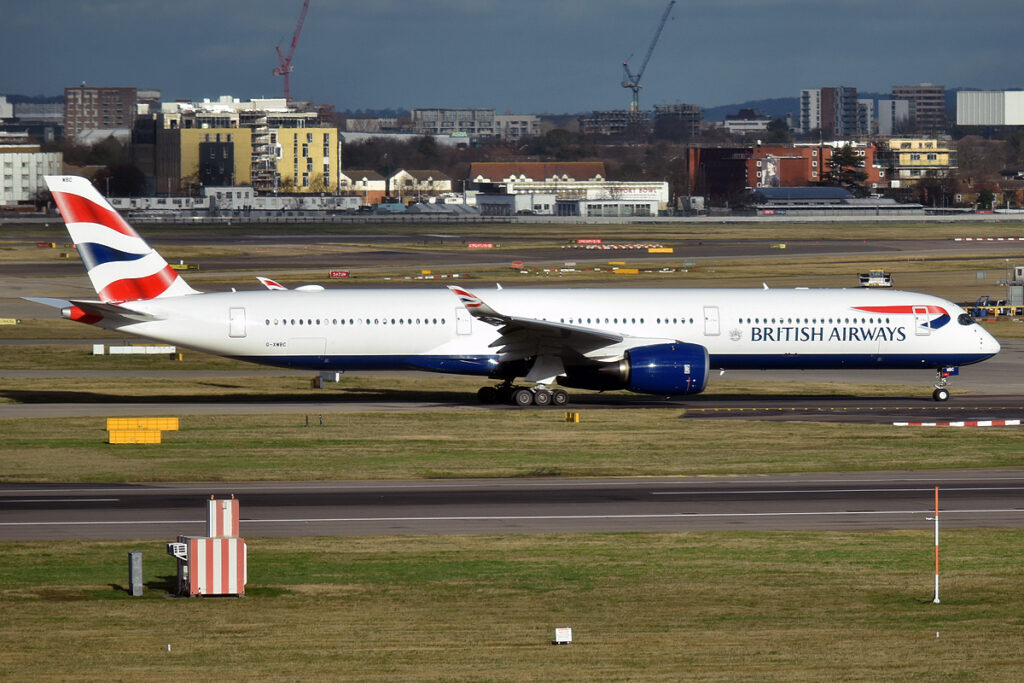
Upon arrival at London Heathrow Airport (LHR), police were already waiting on the tarmac.
Passengers were instructed to remain seated for approximately 45 minutes while authorities conducted initial checks and procedures.
This delay is standard in such cases, allowing officials to assess the situation before passengers disembark.

Airline Response and Crew Support
British Airways (BA) issued a statement expressing condolences to the passenger’s family and confirmed that procedures were followed.
The airline clarified that there is no single fixed protocol for handling deaths during flights.
Crew members rely on training and situational judgment when responding to such events. Support services were offered to the affected crew following the incident, acknowledging the psychological impact.

Aviation Guidelines for Onboard Fatalities
Airlines follow general operational principles when dealing with mid-flight deaths:
- Confirming death using available medical support
- Maintaining the dignity of the deceased
- Minimizing disruption to passengers
- Continuing flight operations when safe and practical
Diversion decisions depend on multiple operational factors. In many long-haul cases, continuing to the destination remains the standard approach.
Stay tuned with us. Further, follow us on social media for the latest updates.
Join us on Telegram Group for the Latest Aviation Updates. Subsequently, follow us on Google News
