


Airplane Wi-Fi has transformed how passengers travel, allowing them to work, stream entertainment, and communicate during flights. However, cybersecurity experts say the convenience of staying connected at 35,000 feet also brings potential security risks that travelers should not ignore.
While airlines implement various protections, security professionals emphasize that airplane Wi-Fi functions much like any other public network.
Passengers often connect to these networks without thinking about cybersecurity threats. Experts say that although in-flight Wi-Fi is not inherently unsafe, travelers should understand how the technology works and take precautions before transmitting sensitive information online.
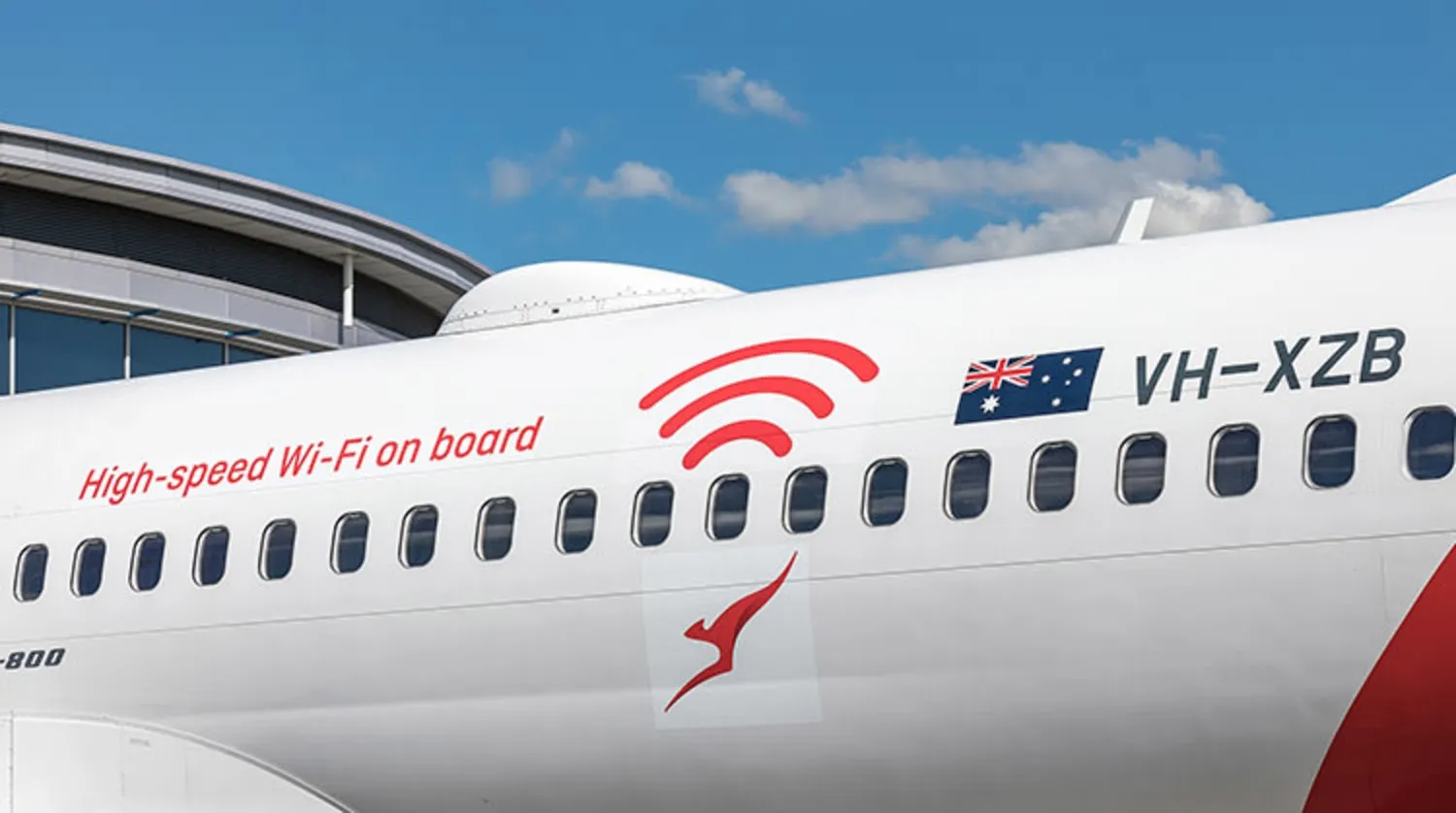
In-Flight Wi-Fi Security
Most airlines rely on third-party providers to deliver onboard internet connectivity. Companies such as satellite and air-to-ground network providers supply the infrastructure that connects aircraft to the internet while flying.
Airlines generally deploy enterprise-grade networking systems that isolate passenger internet traffic from aircraft control systems. This network segmentation prevents customer devices from interacting with flight-critical avionics or airline operational systems.
Cybersecurity analysts explain that these networks typically include firewalls, encryption, and monitoring tools designed to detect unusual activity. However, passengers cannot directly verify the strength of these protections because airlines and connectivity providers manage the system architecture.
Security specialists note that in-flight Wi-Fi often carries fewer risks than crowded public hotspots found in airports or cafes. The limited number of users on a flight can reduce the likelihood of a malicious actor operating on the same network.
Despite these protections, experts warn that attackers can still exploit weak user behavior. For example, a malicious passenger could create a fake wireless network that mimics the official onboard connection and trick travelers into connecting.
If a user unknowingly joins such a network, attackers may attempt to intercept data or redirect them to fraudulent login pages. Although modern encryption protocols help prevent many attacks, passengers should always verify the correct network name before connecting.

Cybersecurity Measures Adopted by Airlines
Airlines emphasize that their onboard internet systems are designed with multiple security layers. These protections separate passenger internet traffic from internal airline systems and prevent unauthorized access to flight controls.
Airlines also treat passenger devices as untrusted connections by default. This approach ensures that every device connecting to the network remains isolated from critical systems onboard the aircraft.
Connectivity providers continuously monitor these networks for suspicious activity. They also apply international cybersecurity frameworks that guide how aviation organizations protect digital infrastructure.
Industry experts say these safeguards significantly reduce the risk of aviation systems being compromised. However, they acknowledge that airlines cannot fully control how passengers use the internet once they connect.
Another key factor involves third-party technology partners. Many airlines rely on external providers to operate satellite connectivity services, which means overall security depends on both the airline and its technology partners maintaining strong protections.
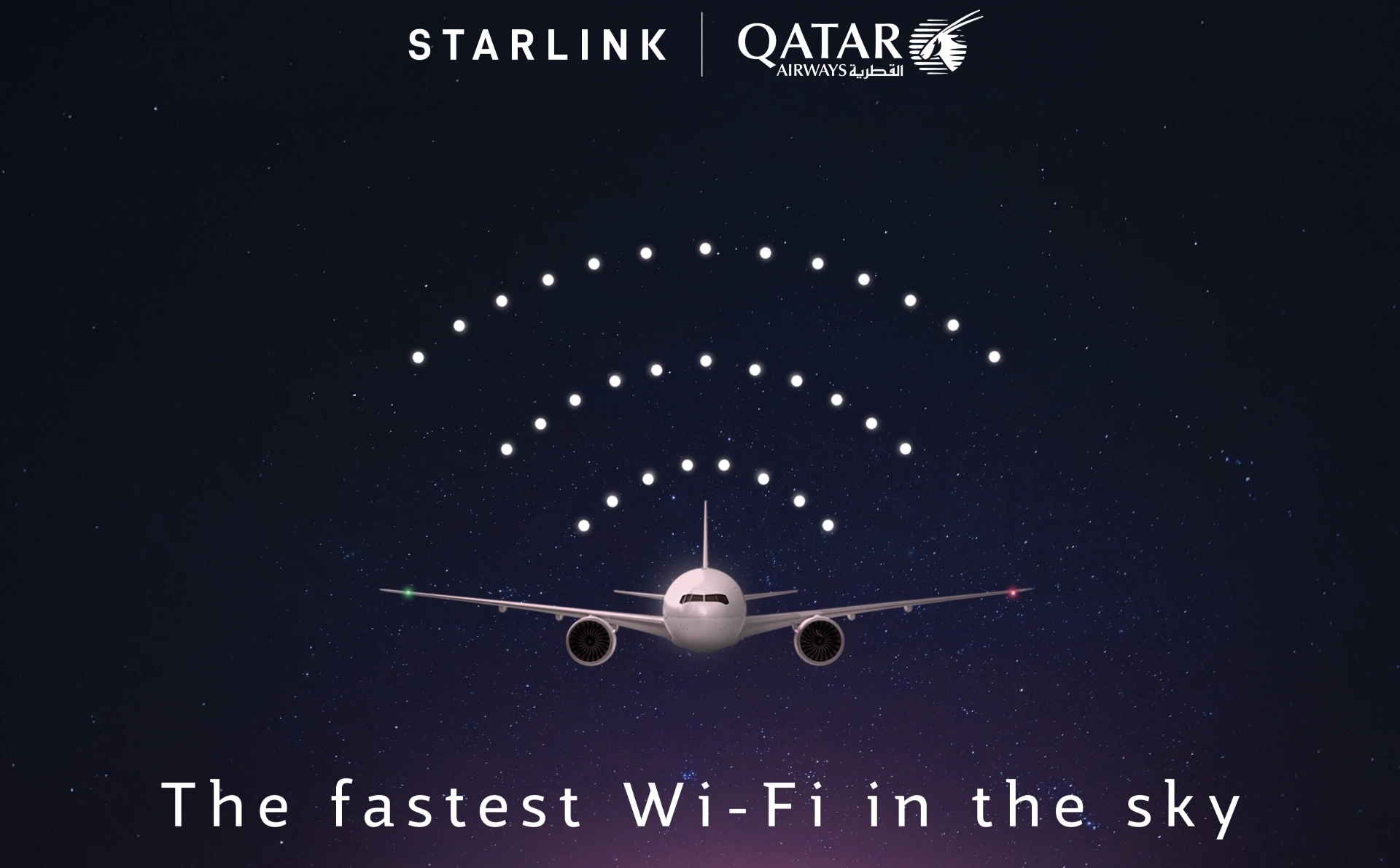
As in-flight internet speeds increase due to new satellite networks, experts believe the volume of passenger data transmitted during flights will continue to grow.
This increased usage may encourage passengers to treat onboard internet as they would their home or office network, which can increase exposure to digital threats.

Passenger Safety Tips
Cybersecurity professionals recommend several steps travelers can take to protect their data when using airplane Wi-Fi. The most important precaution involves avoiding sensitive transactions while connected to public networks.
Passengers should avoid logging into banking services, corporate systems, or financial accounts unless they use a secure virtual private network (VPN). A VPN encrypts internet traffic and prevents others on the same network from intercepting data.
Experts also recommend verifying that websites use HTTPS encryption before entering any information. Encrypted connections significantly reduce the risk of data interception during transmission.
According to Travel and Leisure, another useful step is disabling automatic Wi-Fi connections and file-sharing features on devices. These settings prevent smartphones or laptops from connecting to unknown networks without the user’s knowledge.
Keeping operating systems and applications updated also improves security. Software updates often include patches that fix vulnerabilities that hackers could otherwise exploit.
Multi-factor authentication provides an additional layer of protection for online accounts. Even if login credentials become compromised, attackers cannot access accounts without the secondary verification step.
Device choice can also influence risk levels. Laptops often store more sensitive files and corporate information, which can make them more attractive targets for cybercriminals.
Bottom Line
Smartphones usually benefit from stronger built-in security features, including app sandboxing and device encryption.
However, users frequently perform quick financial or personal transactions on mobile apps, which can still expose sensitive data on unsecured networks.
As in-flight connectivity becomes faster and more widely available, cybersecurity experts expect passengers to rely on it even more.
Understanding the risks and adopting safe browsing habits can help travelers stay connected without compromising their digital security.
Stay tuned with us. Further, follow us on social media for the latest updates.
Join us on Telegram Group for the Latest Aviation Updates. Subsequently, follow us on Google News
