

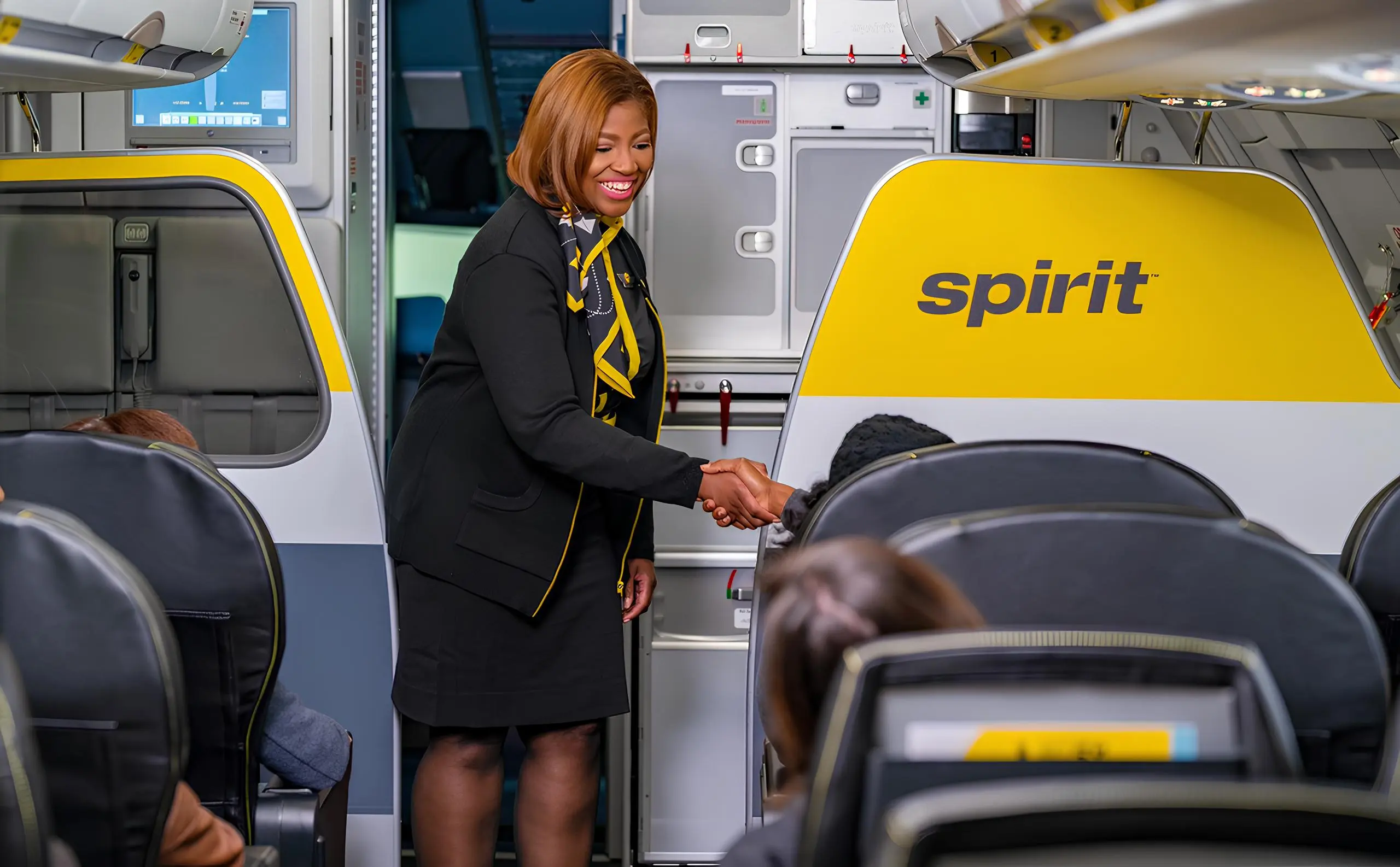
Flying often begins with excitement — a new destination, a long-awaited vacation, or a reunion with people you love. Yet between packing, airport security, boarding queues, and cramped overhead bins, that excitement can quickly turn into stress.
The good news? The people who spend the most time in the air have mastered the art of smooth travel. Flight attendants handle hundreds of passengers on every trip and know exactly what separates a chaotic flight from a comfortable one.
If you want your next journey to feel less rushed and far more enjoyable, these nine smart strategies — inspired by advice from experienced cabin crew — can make all the difference.
1. Know Your Aircraft Before You Fly
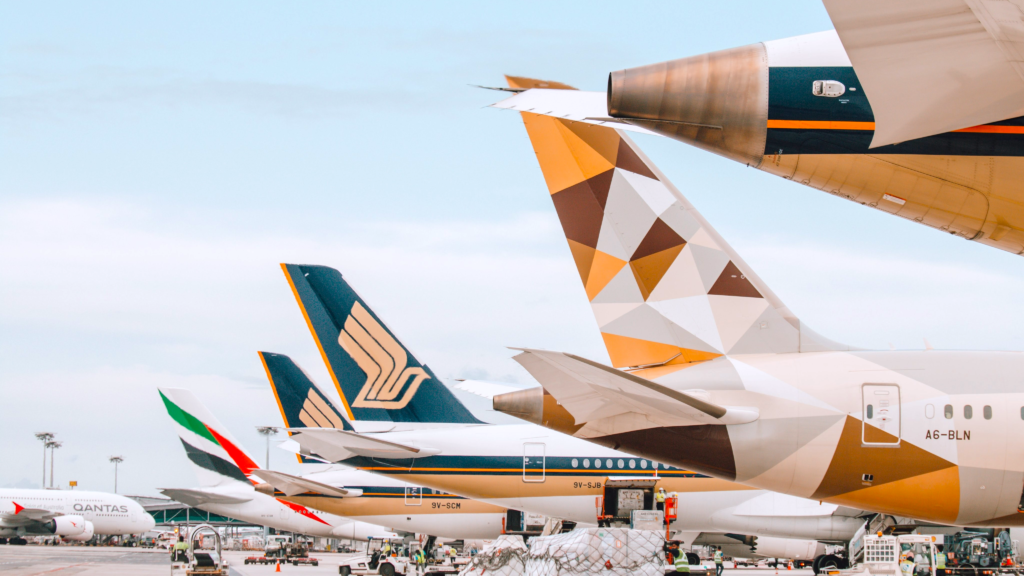
Most travelers check their departure time and gate number, but few take a moment to see which aircraft they’ll actually be flying on. That small step can dramatically improve your expectations.
Different planes offer very different experiences — seat layouts, legroom, entertainment systems, and even overhead bin space can vary widely. A quick search of your aircraft model helps you understand what to expect and lets you choose the most comfortable seat available.
It’s also a helpful way to compare cabin classes so you can decide whether an upgrade might be worth it for a longer flight.

2. Double-Check Your Airline’s Baggage Rules
Airline baggage policies change frequently, and each carrier has its own rules regarding weight limits, dimensions, and the number of bags allowed.
Before packing, review both carry-on and checked luggage requirements. Doing this early prevents unpleasant surprises at the airport, such as last-minute fees for overweight bags or carry-ons that exceed size limits.
Taking a few minutes to verify these policies can save money and eliminate unnecessary stress at check-in.
3. Pack Your Carry-On with Strategy
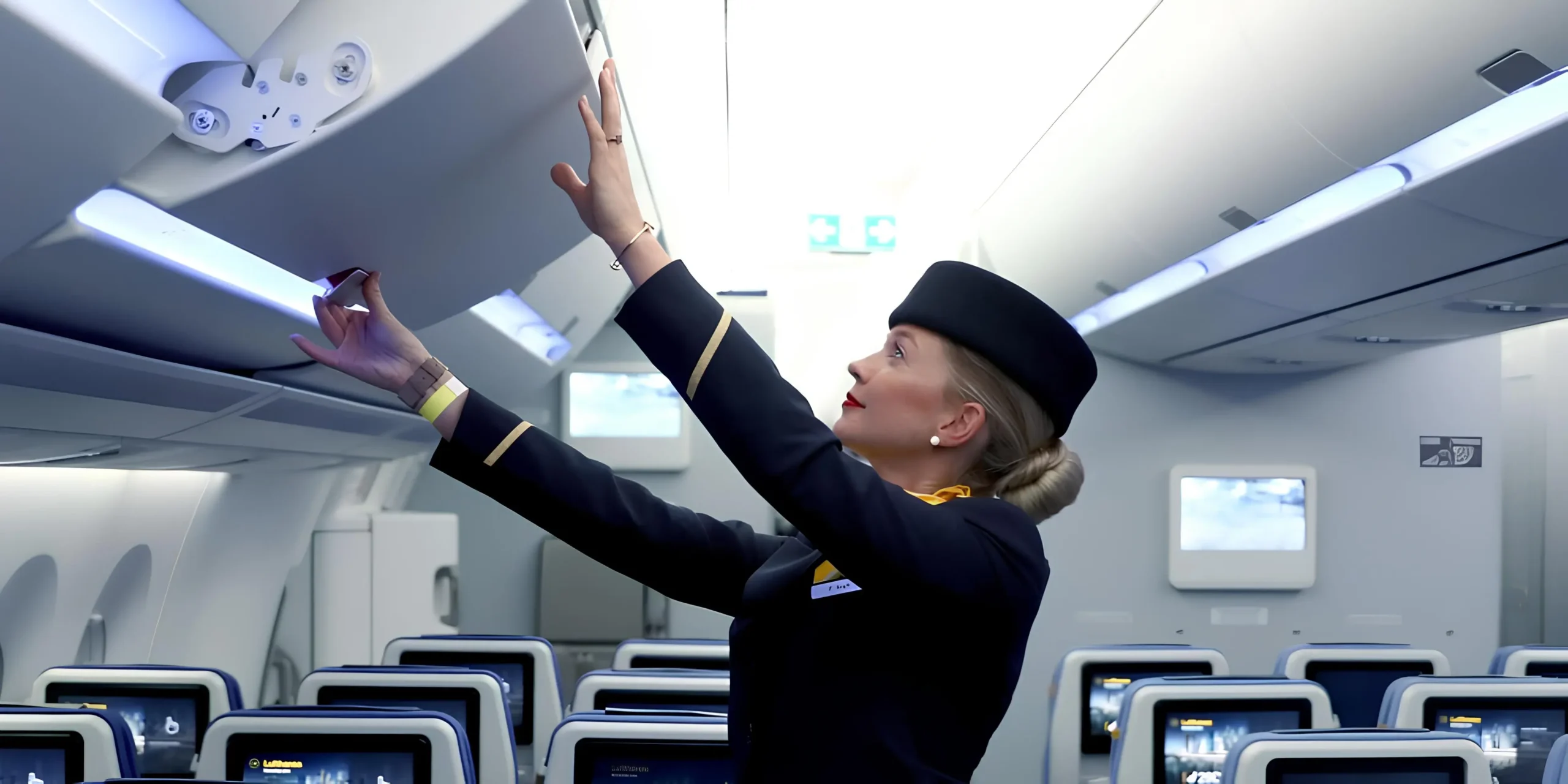
A well-packed carry-on bag can make your entire trip easier. The key is organizing items in a way that maximizes space while keeping essentials easy to access.
Flight attendants, as reported in Travel and Leisure, often recommend placing heavier or bulkier items at the bottom of your suitcase and layering lighter clothing on top. Rolling softer garments like T-shirts instead of folding them also saves space and helps prevent wrinkles.
Packing cubes are another useful trick. They allow you to separate outfits, organize by category, and keep everything neat throughout the trip.

4. Keep Small Essentials Contained
Loose cords, headphones, and charging cables tend to create clutter in carry-ons. A simple solution is to store them inside a small pouch or toiletry bag.
Folding cables neatly and securing them with small straps or Velcro ties keeps everything tangle-free and easy to find. When you’re settling into your seat mid-flight, the last thing you want is to dig through your bag searching for your charger.
5. Choose Luggage That Prioritizes Function
Stylish suitcases might look great in photos, but durability and functionality matter far more when you travel frequently.
Look for luggage with features that genuinely improve the experience, such as:
- Smooth spinner wheels for easy airport navigation
- Lightweight but durable materials
- Sturdy handles and reinforced corners
- Built-in weight indicators
Hard-shell luggage is particularly popular among airline crew because it keeps its shape, protects fragile items, and helps compress clothing efficiently.
6. Prepare Your Body for the Flight
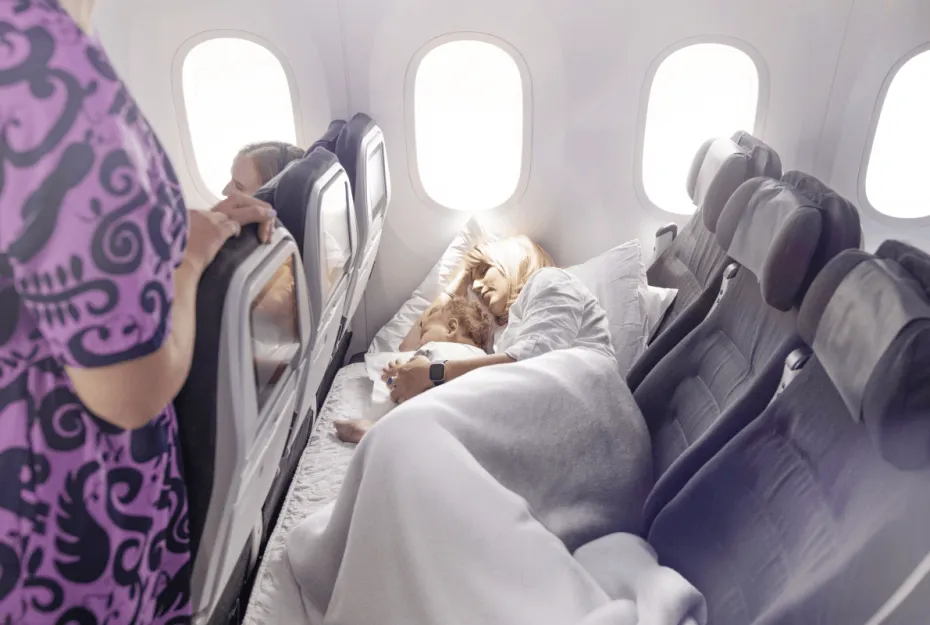
Air travel places your body in a dry, high-altitude environment for hours at a time. That’s why hydration and nutrition matter more than most travelers realize.
Starting your travel day with a balanced breakfast and drinking plenty of water can help prevent fatigue and dehydration during the flight. Many flight attendants aim to drink a glass of water roughly every hour while in the air.
Reducing excessive sugar and salty foods before boarding can also help your body stay balanced throughout the journey.
7. Don’t Forget to Care for Your Skin
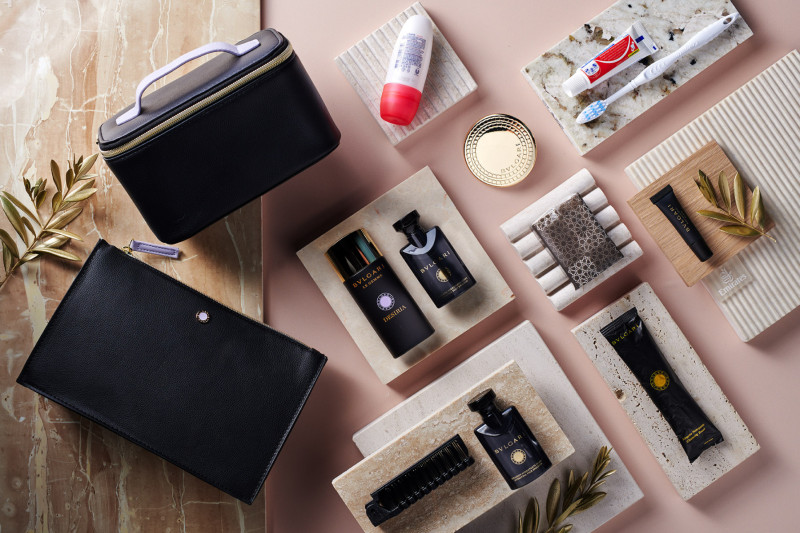
The low humidity inside airplane cabins can quickly dry out your skin, especially during long flights.
Keeping a small travel-size moisturizer and lip balm in your carry-on can help combat dryness. Applying moisturizer every few hours during a flight helps maintain hydration and comfort.
Some experienced travelers even apply lotion to their feet and wear socks during overnight flights — a surprisingly effective trick for staying comfortable while sleeping in the air.
8. Use Your Airline’s Mobile App
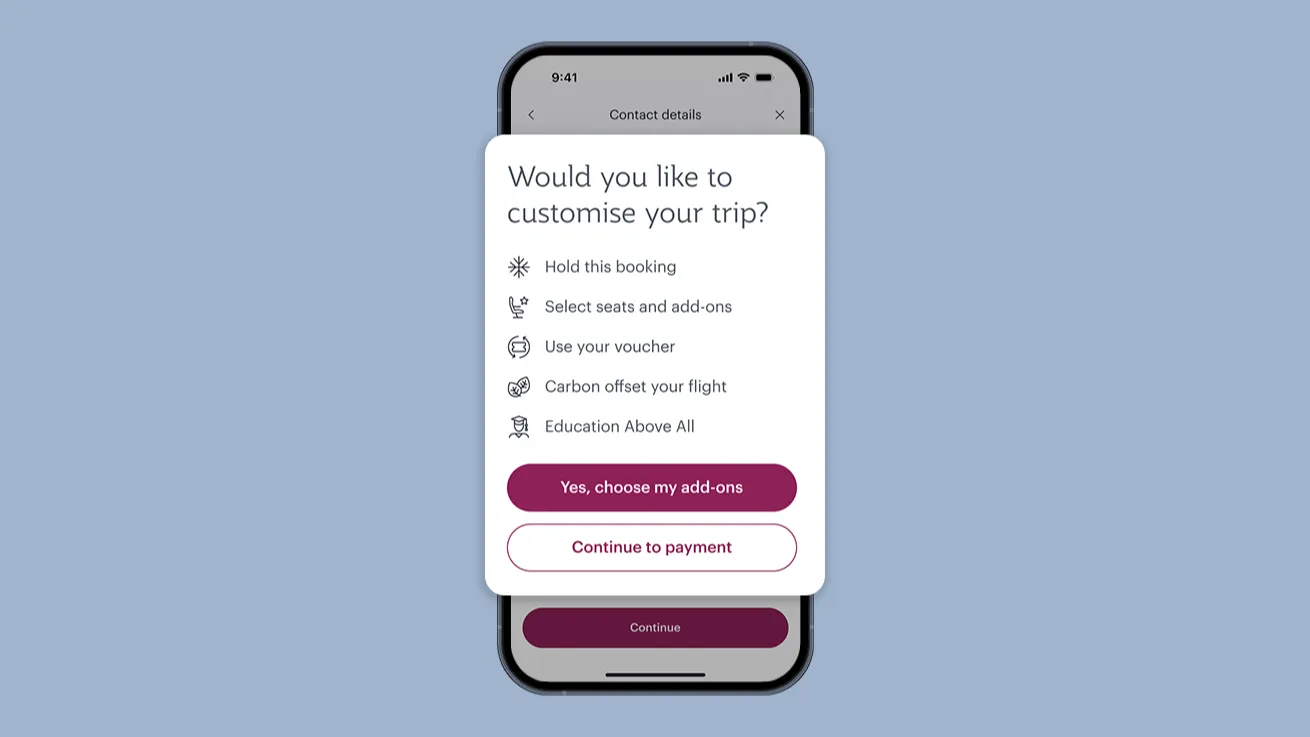
Airline apps have evolved into powerful travel tools that many passengers overlook.
Downloading your airline’s app can help you:
- Access digital boarding passes
- Receive gate change alerts
- Track luggage
- Manage seat selections
- Pre-order meals or entertainment
Having this information in one place streamlines the airport experience and reduces the need for printed documents.

9. Make Your Suitcase Easy to Identify
After a long flight, standing at baggage claim staring at a conveyor belt full of identical black suitcases is never fun.
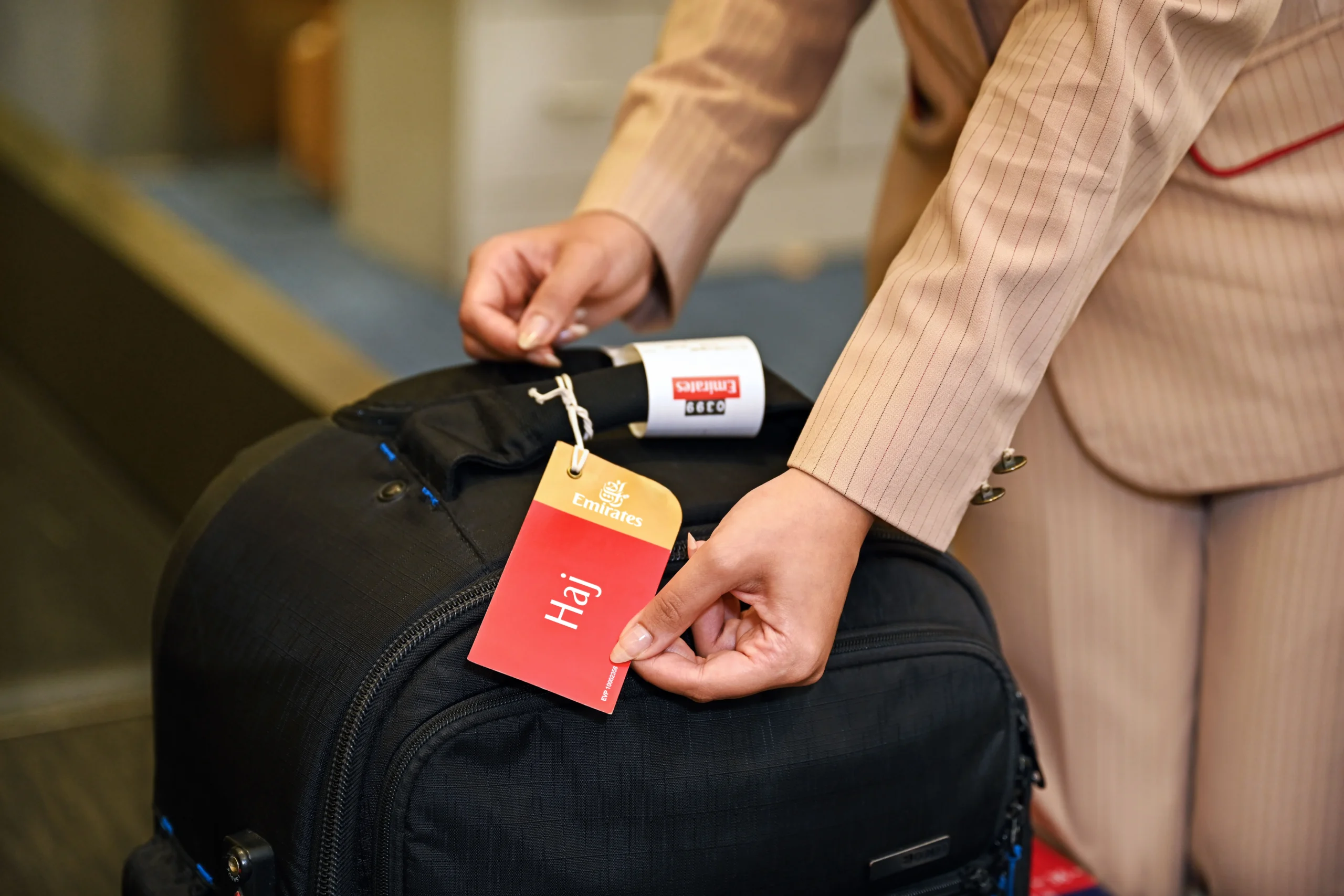
Adding a distinctive luggage tag, colorful ribbon, or unique strap helps your bag stand out immediately. It also reduces the risk of someone accidentally grabbing your suitcase.
A simple visual marker can save time and frustration at the end of your journey.
Bottom Line
A better flight experience rarely comes down to luck. More often, it’s the result of small decisions made before you even step onto the plane — from how you pack your bag to how well you prepare your body for travel.
By following these simple habits used by experienced flight attendants, you can turn your next trip into a smoother, more comfortable journey from check-in to baggage claim.
Stay tuned with us. Further, follow us on social media for the latest updates.
Join us on Telegram Group for the Latest Aviation Updates. Subsequently, follow us on Google News
