

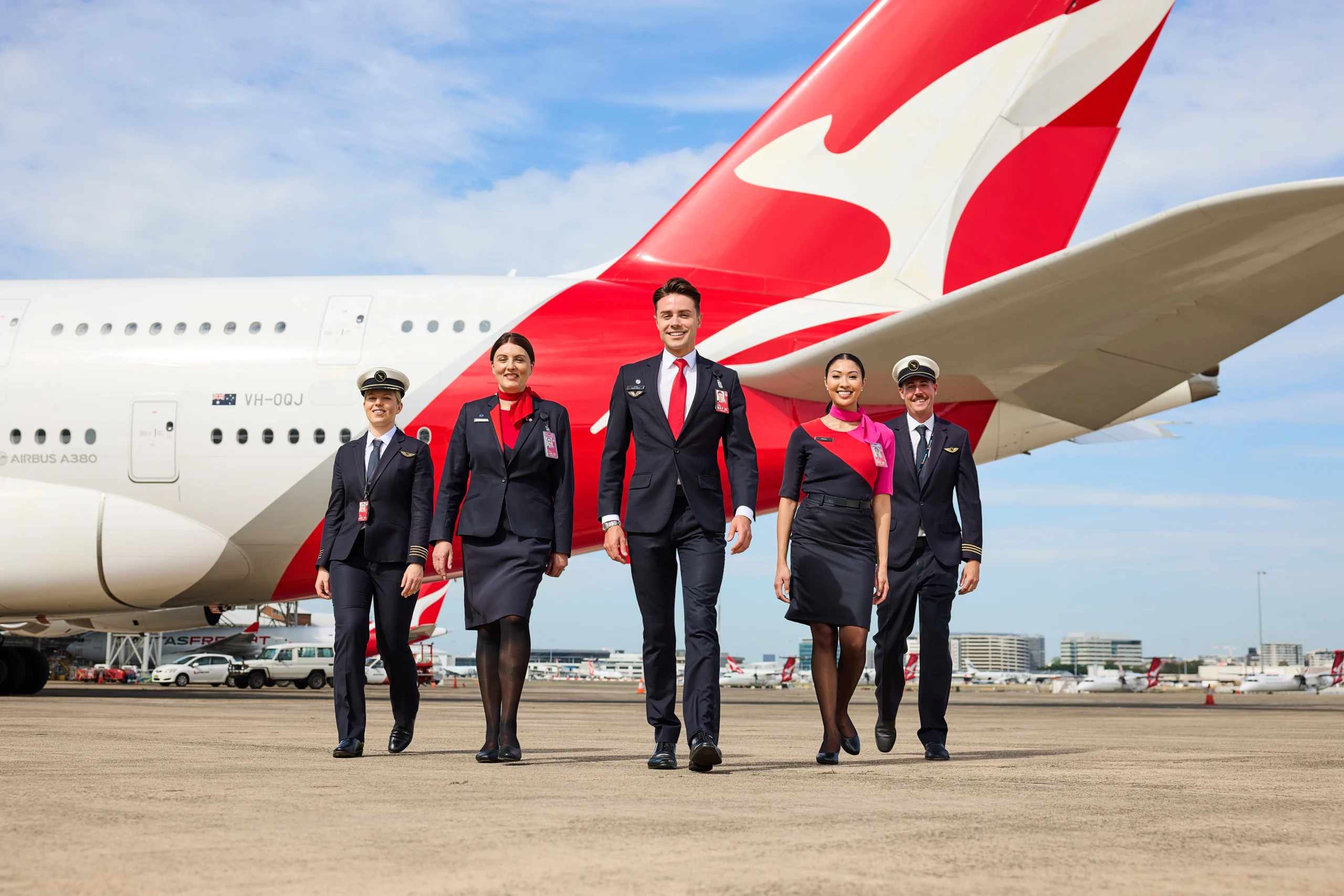
SYDNEY— Qantas Airways (QF) announced plans to increase international airfares this week after a sharp rise in jet fuel prices triggered by escalating conflict in the Middle East. The airline said higher fuel costs are placing pressure on operating expenses and forcing adjustments to ticket pricing across its long-haul network.
The Australian flag carrier, which operates major international services from Sydney Kingsford Smith Airport (SYD), stated that demand for long-haul travel remains strong despite rising fares. The airline also confirmed it is evaluating options to expand capacity on existing European routes in response to growing passenger demand.
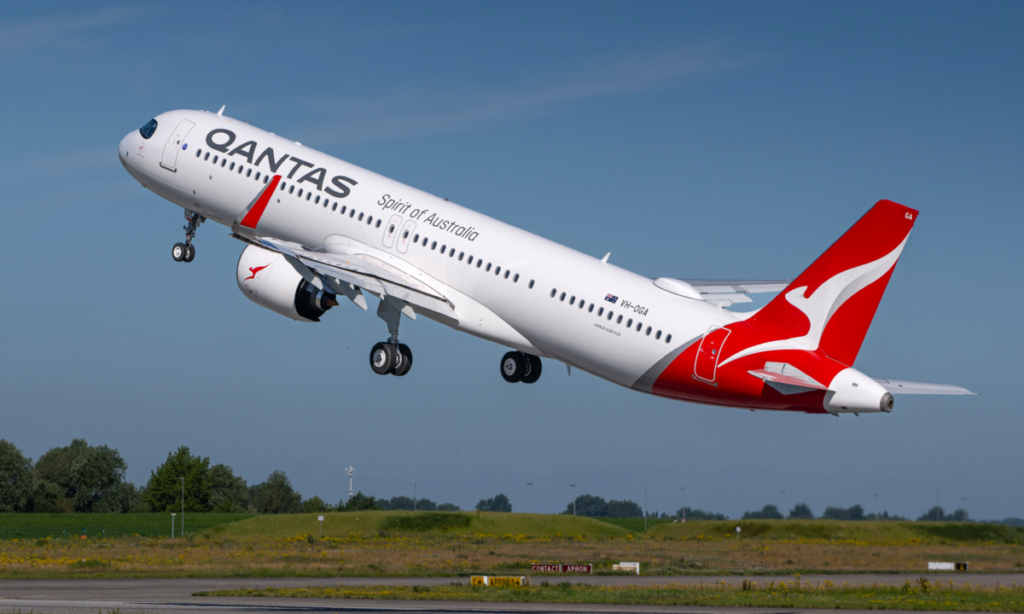
Qantas Increases Ticket Prices
Airlines around the world closely monitor jet fuel prices because fuel remains one of the largest operational expenses in aviation.
Qantas said the recent surge in fuel costs is linked to geopolitical tensions in the Middle East that have driven global oil prices higher.
When oil prices rise, airlines often adjust fares to maintain financial stability. Fuel expenses can represent a large portion of an airline’s operating costs, particularly on long-haul international routes where aircraft consume large amounts of fuel.
Qantas indicated that the price adjustments will apply primarily to its international flights. The airline aims to offset rising fuel costs while continuing to operate its global network without significant disruption.
The aviation industry has historically responded to energy price fluctuations by modifying ticket pricing, introducing fuel surcharges, or optimizing flight operations.
Europe Route Demand
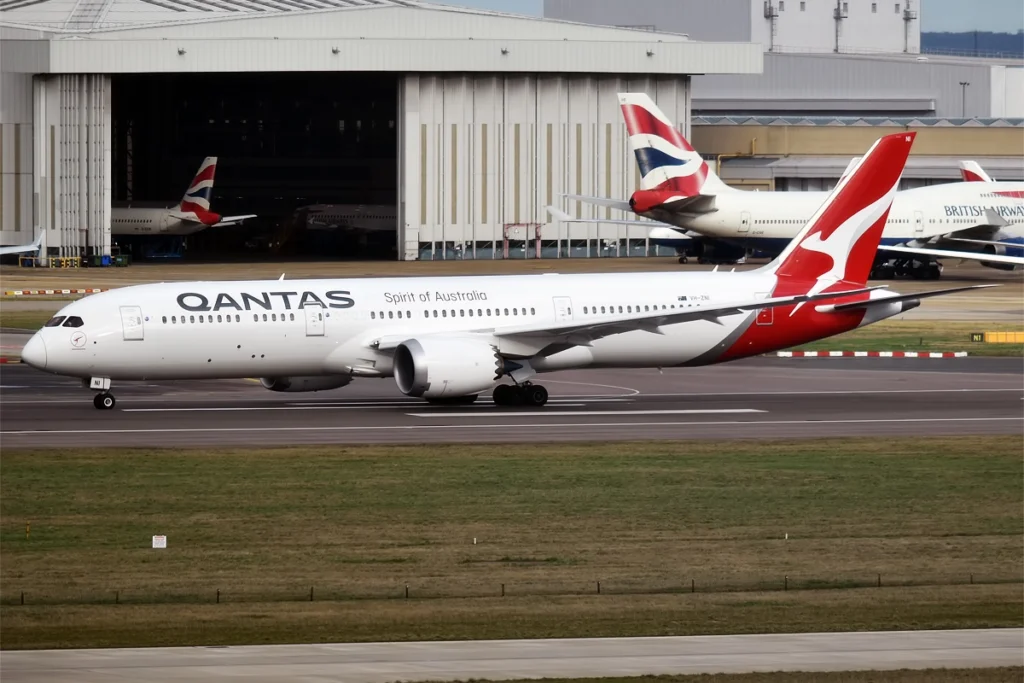
Despite rising fares, Qantas reported strong demand for flights to Europe.
The airline said its European routes were operating at high capacity, with average load factors exceeding 90 percent in March.
This figure is significantly higher than the typical seasonal average and reflects strong travel demand from Australian passengers heading to Europe. Airlines measure load factor as the percentage of available seats that are filled on a flight.
Qantas noted that many passengers are also choosing alternative connections to reach Europe. Travelers are increasingly flying via the United States, Asian cities, or Johannesburg through the airline’s partner network.
These routing options allow the airline to maintain flexibility while accommodating growing travel demand across multiple global hubs.
Qantas’ Capacity Expansion Plans
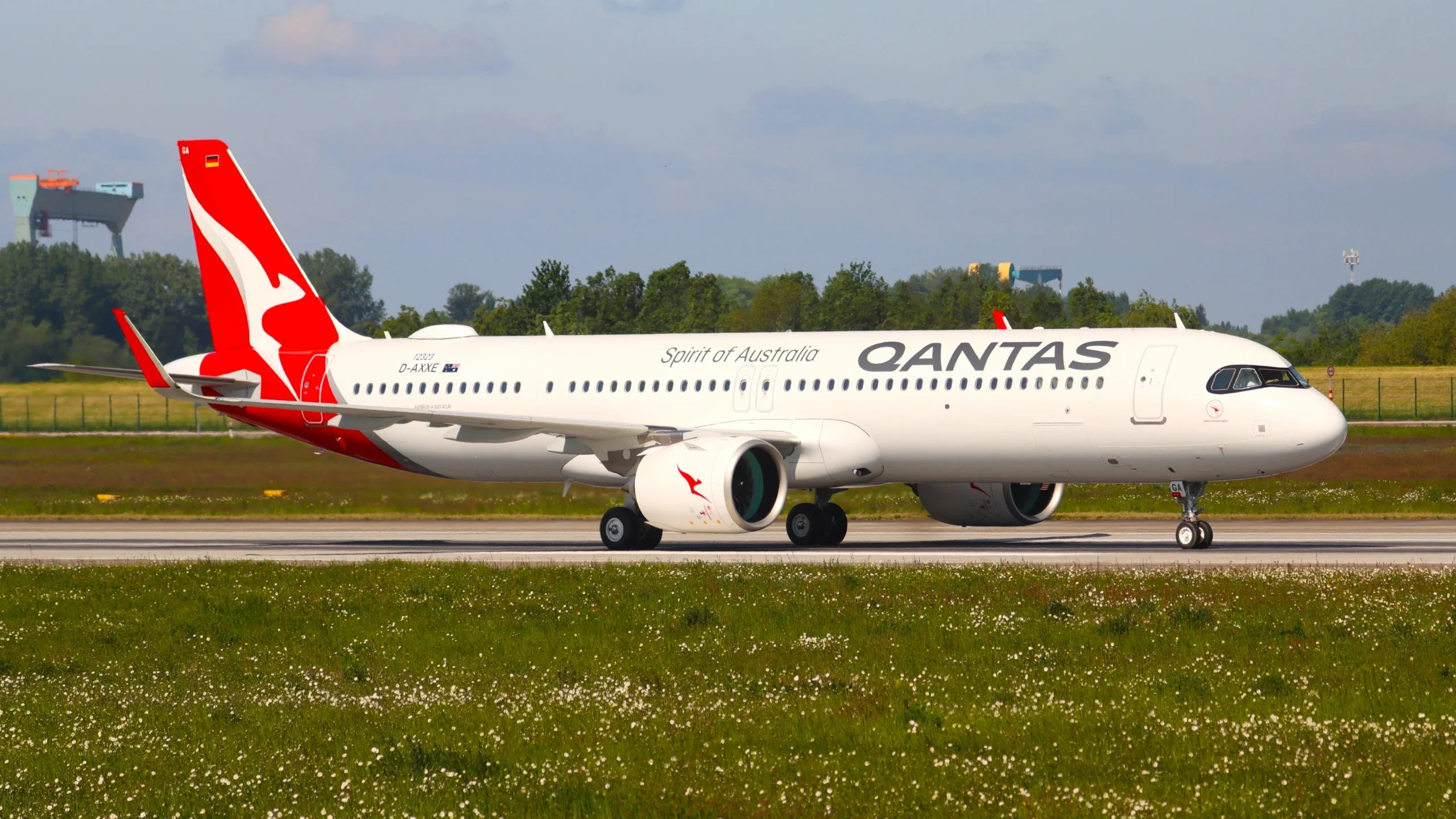
The airline confirmed that it is studying options to increase seat availability on certain European routes in the coming months.
Rather than launching entirely new routes, Qantas may redeploy aircraft capacity on existing services to meet demand.
Capacity adjustments can include adding extra frequencies or using larger aircraft on high-demand routes. Such strategies help airlines respond to market conditions while maintaining operational efficiency.
Meanwhile, other airlines have also begun adjusting ticket prices due to rising fuel costs. Air New Zealand announced broader airfare increases earlier the same day, reflecting the wider impact of global energy market volatility.
Stay tuned with us. Further, follow us on social media for the latest updates.
Join us on Telegram Group for the Latest Aviation Updates. Subsequently, follow us on Google News
