

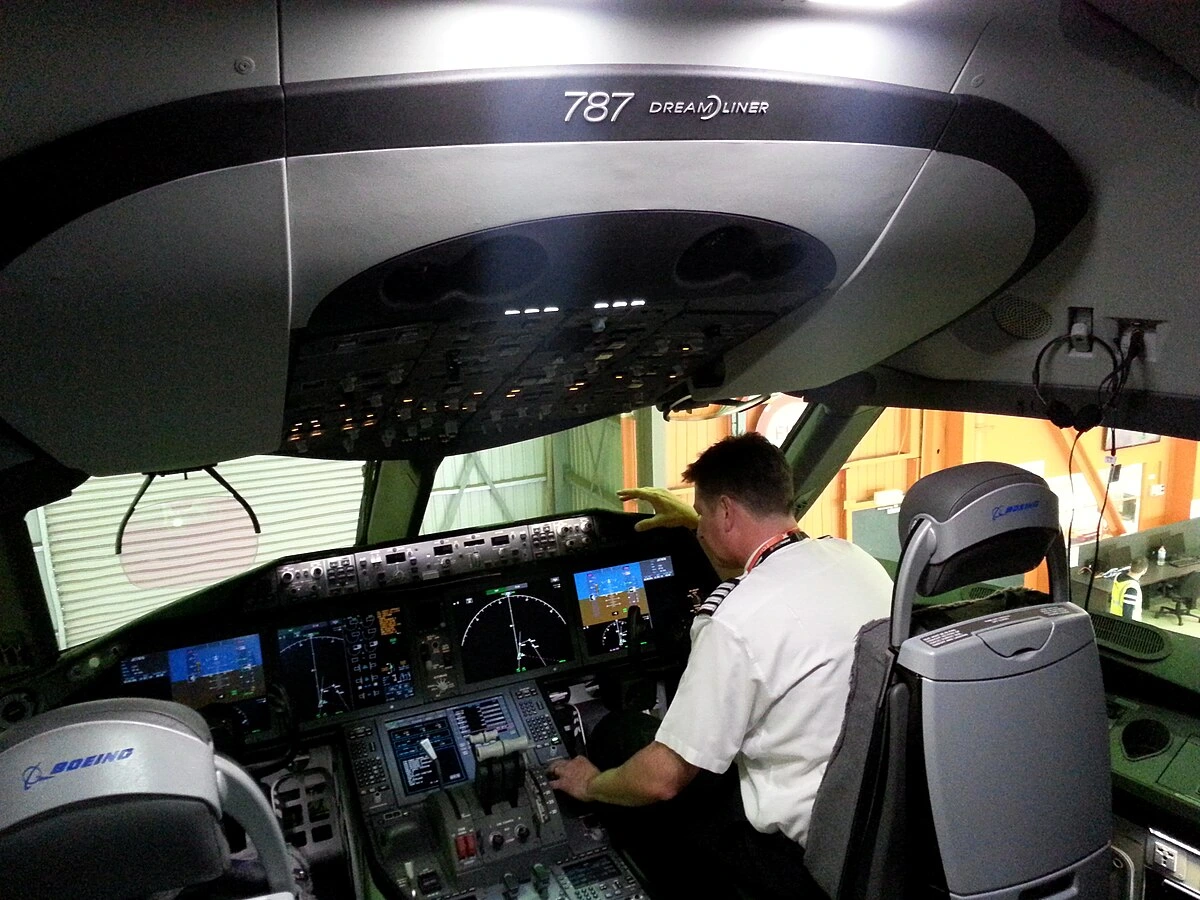
A flight delay can create problems that extend beyond an aircraft’s departure schedule. When weather disruptions, technical issues, or air traffic control restrictions keep an aircraft on the ground, pilots and flight attendants may eventually reach their legally permitted working limits, a situation known in aviation as “timing out.”
The issue affects airlines across the United States, where the Bureau of Transportation Statistics (BTS) reported that approximately 23% of flights experienced delays during the referenced reporting period. Under Federal Aviation Administration (FAA) regulations, crew members cannot continue operating indefinitely, even when an aircraft is ready to depart, and passengers are waiting onboard.
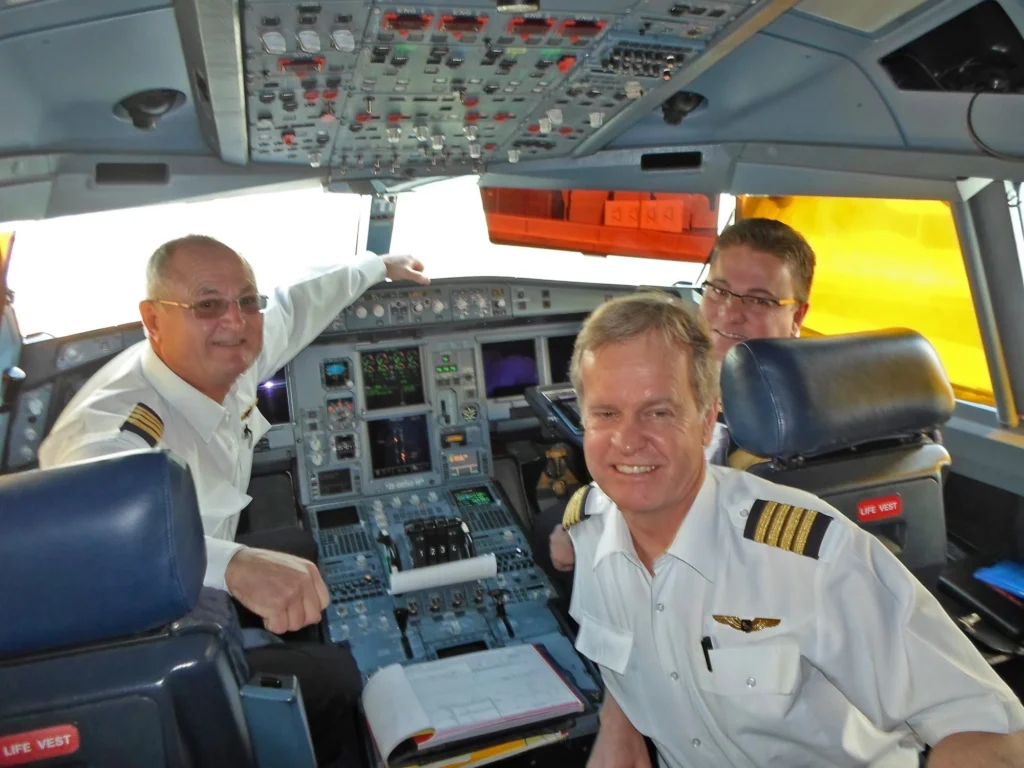
Pilot Duty Limits Under FAA Regulations
The term “timing out” describes a situation in which a flight crew member reaches the maximum permitted duty period and cannot legally continue working on an assigned flight.
Importantly, the duty clock starts when the crew reports for work, rather than when the aircraft leaves the gate or takes off.
Under FAA Part 117, pilots operating without additional flight crew members generally have a maximum flight duty period ranging from nine to 14 hours.
The permitted duration depends on the scheduled reporting time and the number of flight segments, while actual flight time is generally limited to eight or nine hours.
For example, a pilot reporting early in the morning may have a different duty allowance from one starting an evening shift. These restrictions account for fatigue, working hours, and the demands of operating multiple flights during one duty period.
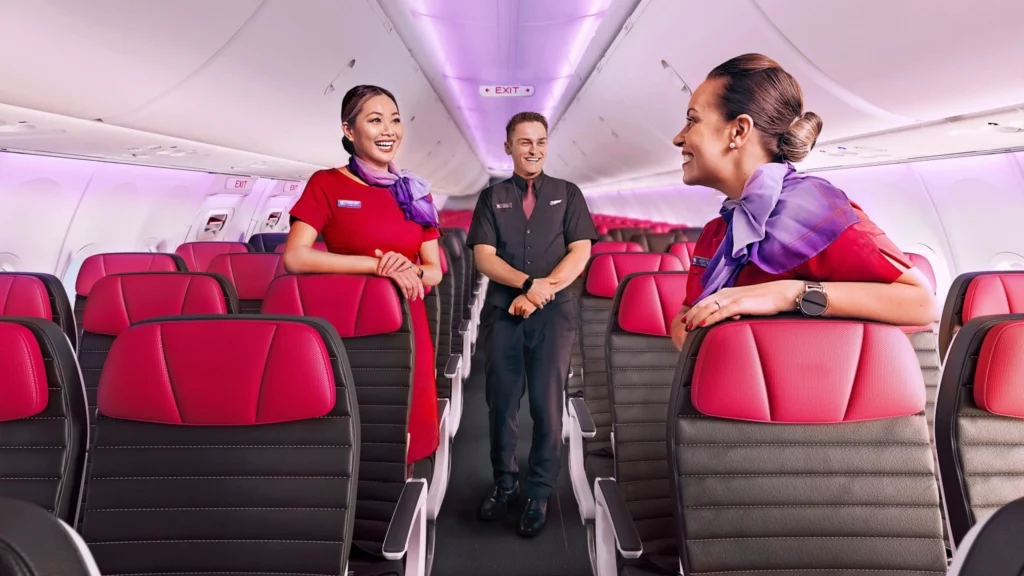
Flight attendants also face strict working-hour requirements under FAA regulations.
Their scheduled duty periods generally cannot exceed 14 hours, although certain operations permit extensions to 16, 18 or 20 hours when airlines provide additional crew members and meet specific regulatory conditions.
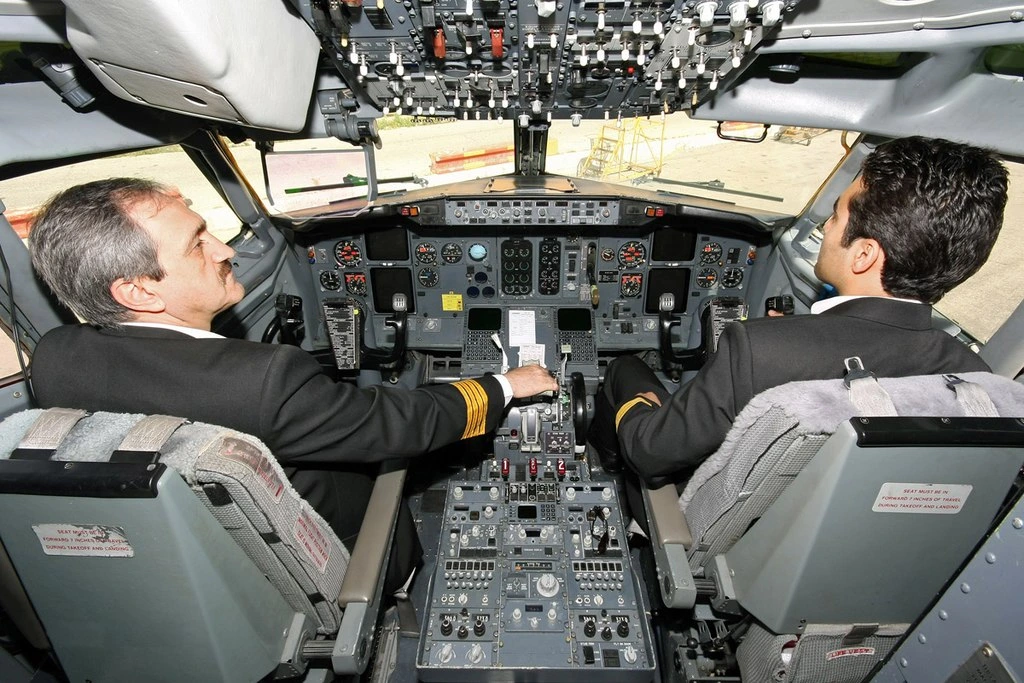
Why Flight Crews Time Out
Airlines prepare crew schedules around legal duty limits, but operational disruptions can quickly change those plans. Weather-related delays, aircraft maintenance, airport congestion, and air traffic control restrictions can push departures beyond their original schedules.
Justin Crabbe, CEO of private jet charter broker Jettly and a commercially rated pilot, explains that an early delay can trigger a chain reaction throughout the day. When an aircraft operates several consecutive flights, a late departure on the first sector can affect every subsequent assignment.
Smaller airports may face additional challenges because replacement pilots and flight attendants are not always available locally. Late-night departures can also become vulnerable when crews have already completed several hours of duty, and airlines have fewer backup personnel available.
Safety remains the central reason behind these restrictions. Aviation professor and experienced pilot Chad Kendall of Metropolitan State University of Denver explains that operating an aircraft requires sustained concentration, while fatigue can affect a crew member’s ability to perform essential duties.
Impact On Passengers During Flight Delays
When a crew times out before departure, the airline must arrange replacement personnel who meet its operational and regulatory requirements.
If suitable replacements are unavailable, the airline may delay or cancel the flight, leaving passengers waiting at the airport or searching for alternative connections.
FAA rules provide limited flexibility in certain unforeseen circumstances, allowing eligible pilots to receive an extension when operational conditions require it. However, such provisions do not give airlines unlimited authority to extend working hours.
Crew rest requirements also influence the airline’s next operating schedule. Pilots generally need at least 10 consecutive hours of rest between duty periods, including an opportunity for eight uninterrupted hours of sleep, Travel and Leisure reported.
Consequently, extending one duty period can affect the availability of that crew for an early departure the following day.
Passengers cannot easily determine whether their assigned crew is approaching its duty limit because flight-tracking applications show aircraft movements rather than individual crew schedules.
However, widespread delays, airport ground stops and late-night departures can indicate a greater risk of disruption.
Kendall recommends booking early-morning flights, allowing sufficient time between connecting flights, and preparing alternative travel arrangements. These steps cannot prevent crew-related cancellations, but they can reduce the impact of unexpected disruptions.
Ultimately, a flight timing out is not simply an airline scheduling problem. It reflects aviation’s safety requirements, which prevent fatigued pilots and flight attendants from continuing duties beyond permitted limits.
Stay tuned with us. Further, follow us on social media for the latest updates.
Join us on Telegram Group for the Latest Aviation Updates. Subsequently, follow us on Google News
