


WASHINGTON– The United States Air Force (USAF) has announced major changes to two of its most significant nuclear modernization efforts.
The programs include the development of the B-21 Raider stealth bomber and the LGM-35A Sentinel intercontinental ballistic missile, both central to the future of the country’s strategic deterrence.
Officials confirmed that production plans for the B-21 are expanding while the Sentinel missile program is undergoing restructuring after rising costs and technical challenges. The updated approach aims to maintain long-term nuclear readiness while addressing infrastructure and budget concerns across both initiatives.
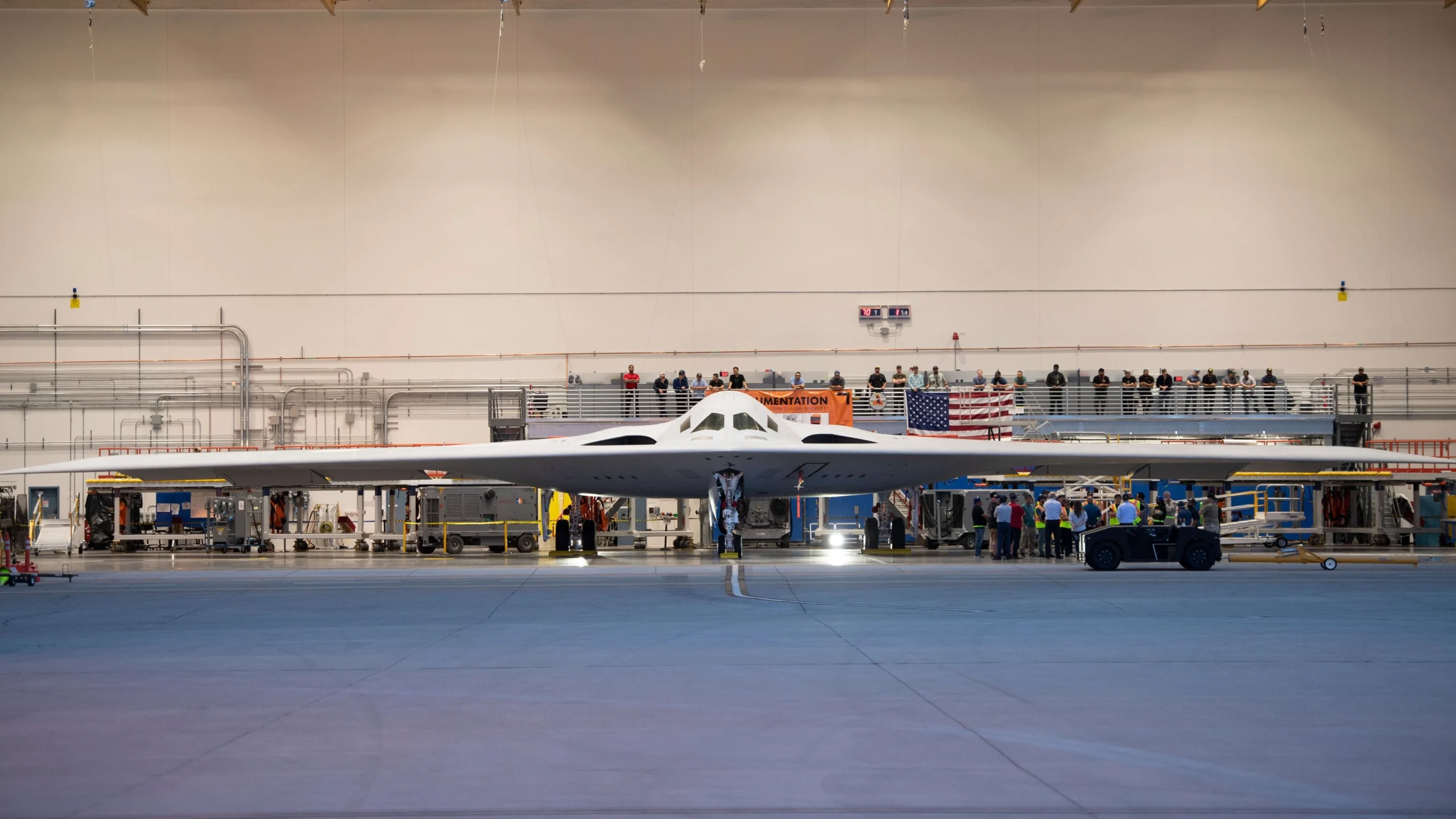
B-21 Production Expansion
The U.S. Air Force plans to increase production capacity for the B-21 Raider stealth bomber. The expansion follows a new agreement with defense contractor Northrop Grumman to boost manufacturing capability by roughly 25 percent.
According to Aviation Week, Funding for the increase comes from a $4.5 billion allocation approved in a recent federal spending package. The investment will focus on strengthening production infrastructure, securing parts supply chains, and hiring additional skilled workers.
The Air Force has maintained a program goal of acquiring at least 100 B-21 aircraft. Military leaders and officials from U.S. Strategic Command have also suggested that the fleet could expand beyond that number in the future.
Currently, Northrop Grumman has received orders for 21 aircraft across several low-rate initial production batches. Analysts believe current production rates are about eight aircraft per year, which could rise to around ten annually if the expansion moves forward.
The B-21 Raider is expected to enter operational service in 2027. The first operational aircraft will be delivered to Ellsworth Air Force Base in South Dakota.
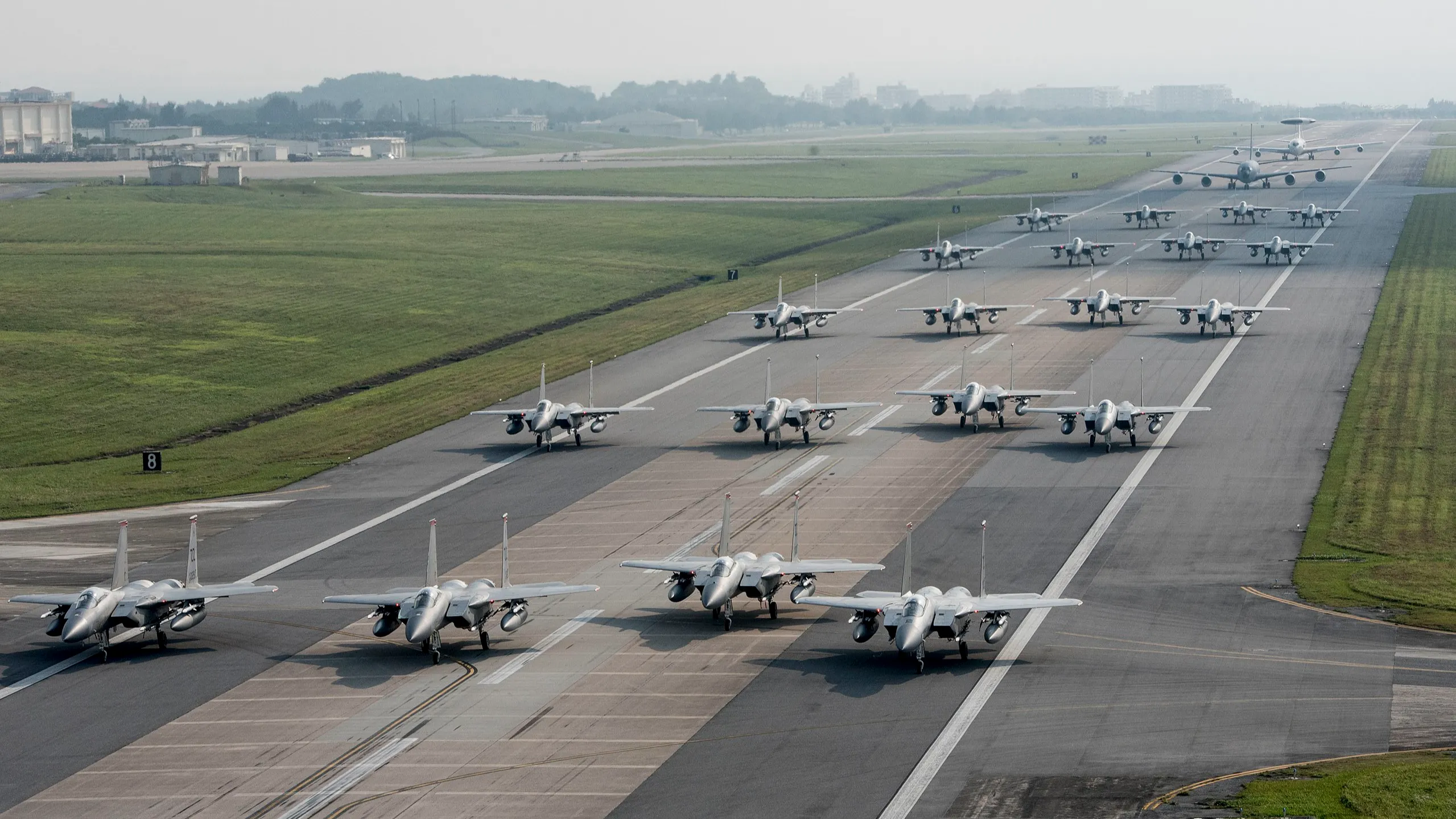
Changes to the Sentinel Program
The Air Force is also restructuring the Sentinel intercontinental ballistic missile program, which will replace the aging Minuteman III missile system.
The program was paused after costs significantly exceeded original projections, triggering a review under federal defense acquisition rules.
Officials are now developing a revised cost estimate and program plan, which they expect to finalize before the end of the year. A new acquisition milestone will also be established to restart the project with updated timelines.
One of the largest challenges involves the missile silo infrastructure. Initial plans aimed to reuse existing Minuteman III silos, but assessments revealed that many structures require complete replacement due to structural deterioration.
The updated plan may involve constructing approximately 450 new silos across the western United States. These facilities would support the larger and heavier Sentinel missile design while improving long-term reliability.
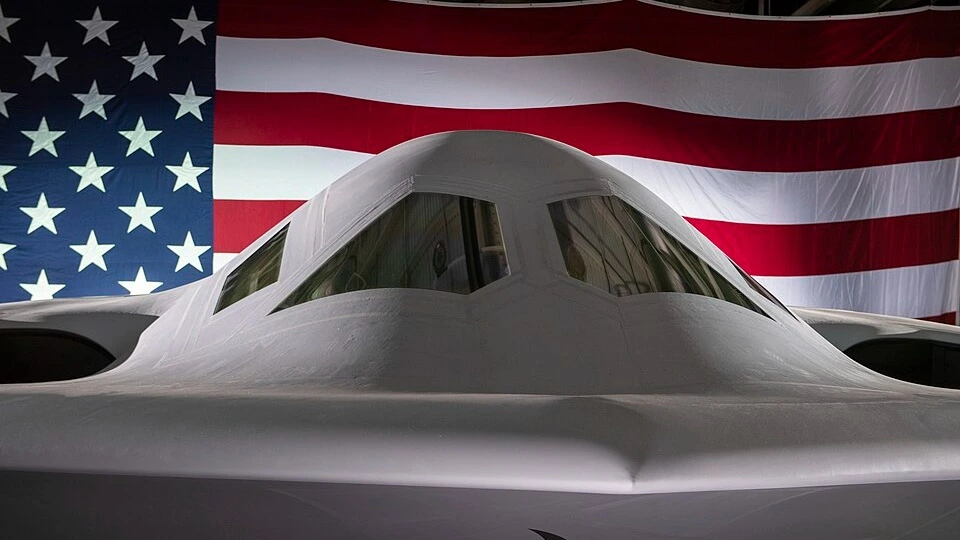
| Wikimedia Commons
https://commons.wikimedia.org/wiki/File:B-21_Raider_cockpit_detail.jpg
Infrastructure Challenges for the Sentinel Program
The Sentinel program includes far more than missile production alone. It requires a large network of support facilities, command centers, and communications infrastructure.
Engineers must also build thousands of miles of fiber-optic cable linking missile fields and operational centers. Much of this work will take place across both government and privately owned land, adding complexity to the project.
Rising infrastructure costs have contributed significantly to the program’s budget increase. Officials estimate the program’s expenses could rise more than 80 percent compared with initial projections, though a final cost estimate is still under review.
Despite the challenges, the Air Force expects the Sentinel system to enter service in the early 2030s. The first base scheduled to host the new missile system is Francis E. Warren Air Force Base in Wyoming.
Until Sentinel becomes fully operational, the Minuteman III system will remain active. Current plans indicate the aging missile system will continue operating into the 2050s to maintain the United States’ strategic nuclear deterrent.
Stay tuned with us. Further, follow us on social media for the latest updates.
Join us on Telegram Group for the Latest Aviation Updates. Subsequently, follow us on Google News
