

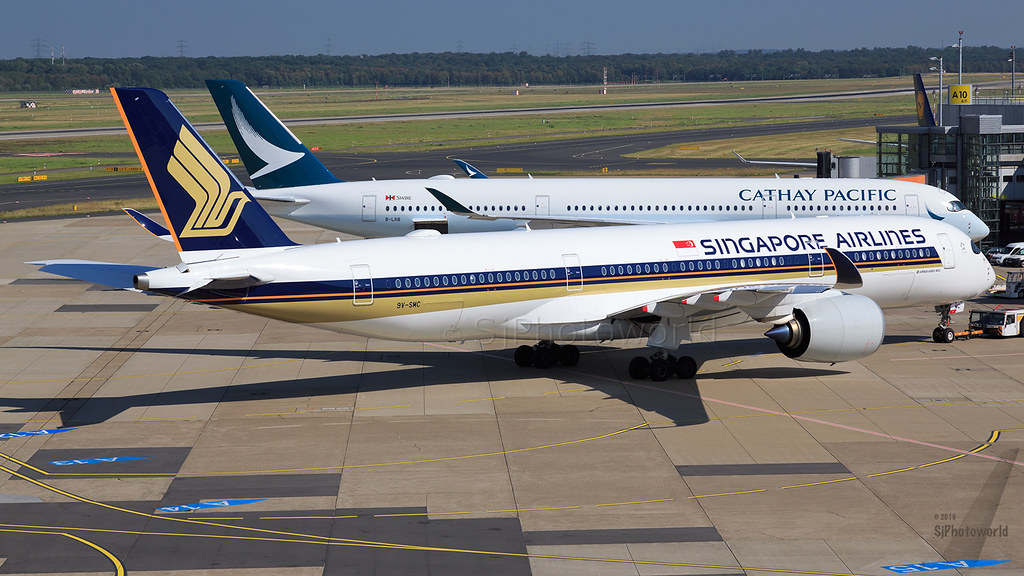
HONG KONG– Singapore Airlines (SQ) and Cathay Pacific (CX) could see short-term gains as Middle East airspace closures disrupt major Gulf hubs and reroute global traffic flows. The sudden suspension of civilian operations across several countries has forced airlines to cancel flights and redesign long-haul routes between Asia and Europe.
The impact is most visible at key connecting airports such as Dubai (DXB), Doha (DOH), and Abu Dhabi (AUH), which traditionally link Asia-Pacific travelers to European destinations. As Gulf carriers scale back operations, airlines with strong nonstop networks between Asia and Europe may temporarily benefit from shifting passenger demand.
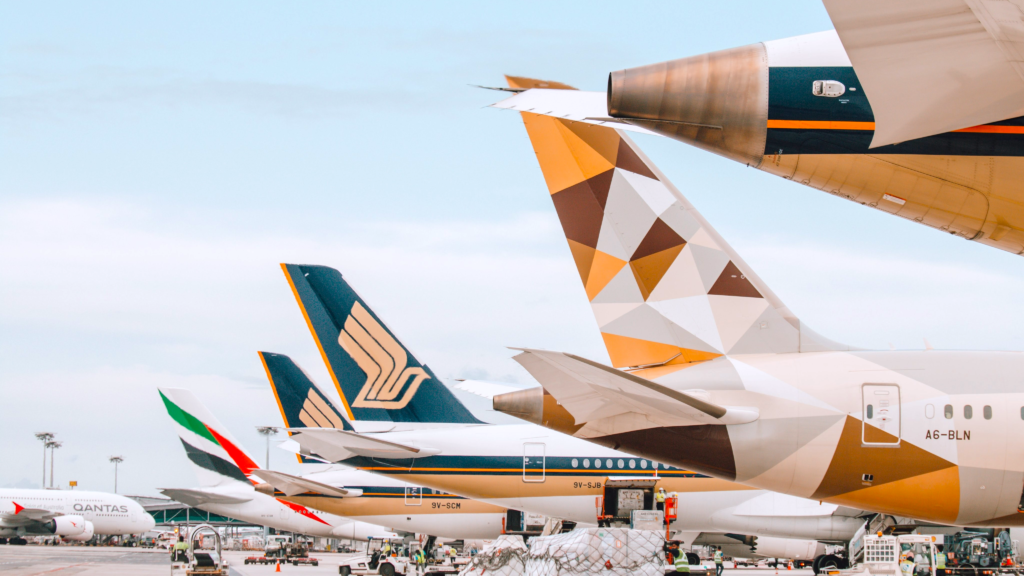
Asia-Europe Demand Shift
Airspace closures across parts of Iran, Iraq, Israel, Qatar, Kuwait, Bahrain, and Syria have significantly disrupted regional aviation.
Major Gulf carriers, including Qatar Airways, Emirates, and Etihad Airways, have cancelled or delayed thousands of flights due to restricted air corridors and airport shutdowns.
Industry analysts note that Asia-Pacific airlines with established nonstop services to Europe stand to gain incremental traffic.
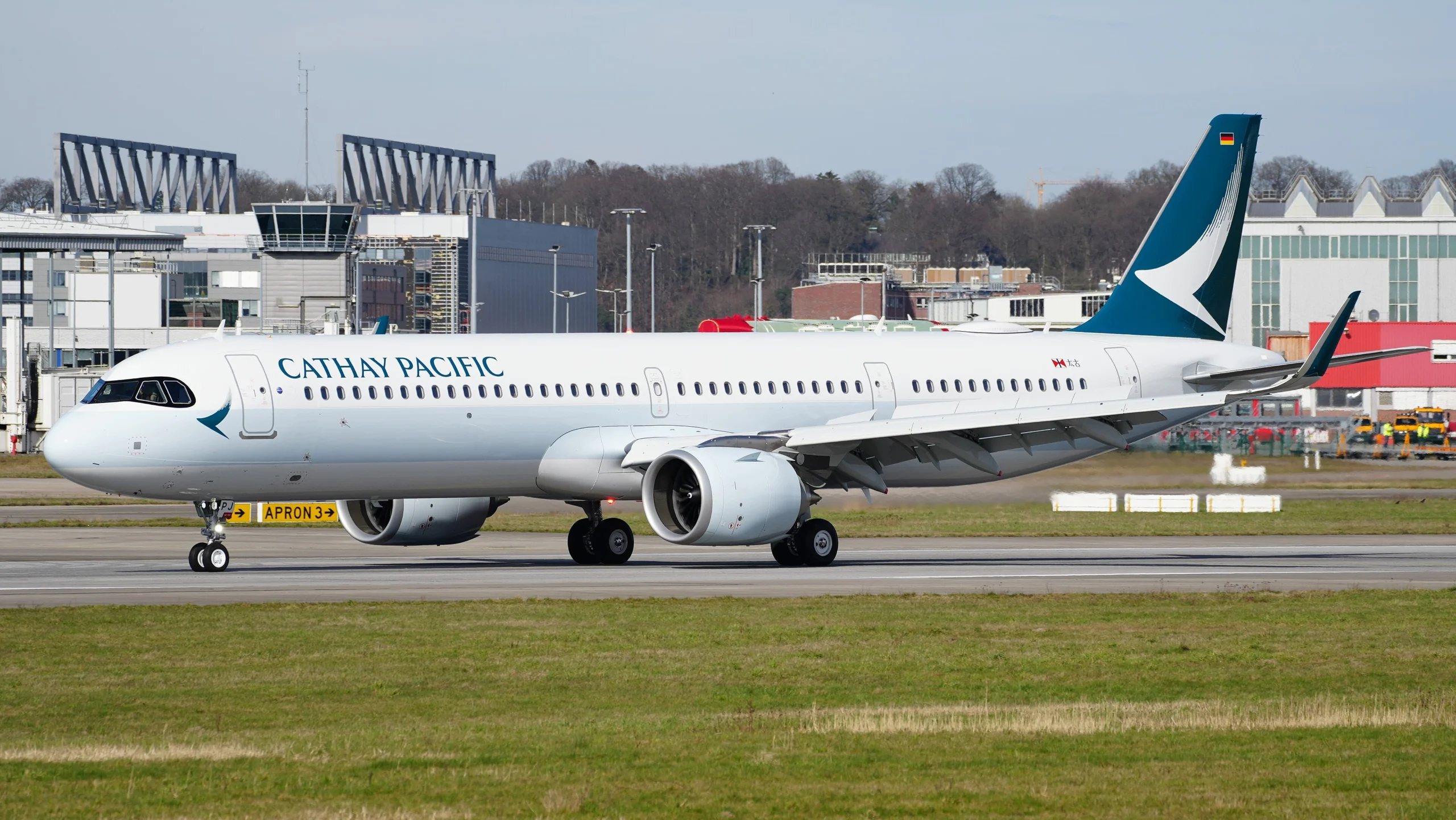
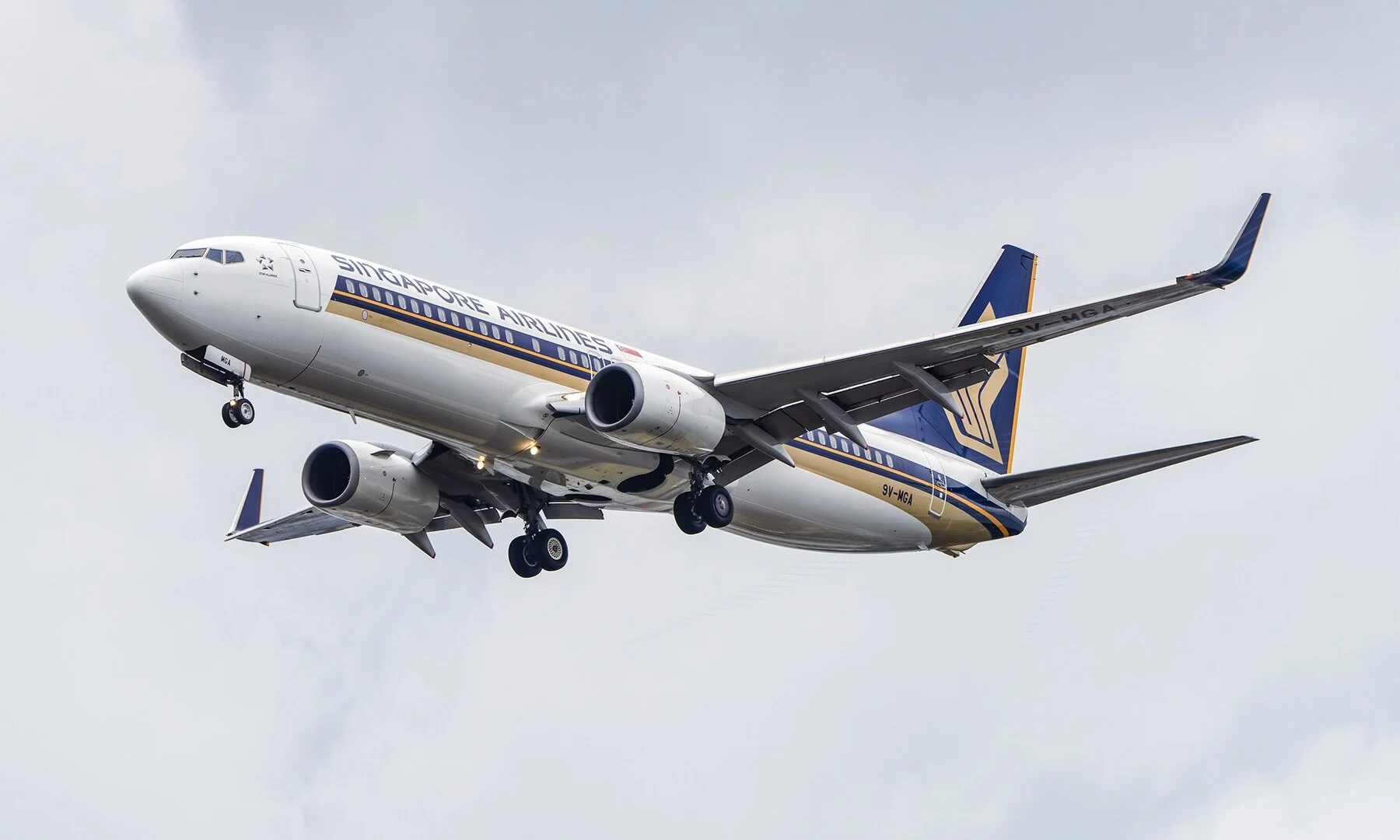
Singapore Airlines and Cathay Pacific operate multiple direct routes to major European cities, giving them a structural advantage when Gulf hubs become inaccessible.
However, experts caution that any uplift in demand will likely remain selective. Fleet availability and airport slot constraints limit how quickly airlines can add extra frequencies or deploy larger aircraft to capture displaced passengers.
Operational Cost Pressures
While rerouted demand may support yields, longer flight paths are increasing operating costs for all carriers. Airlines must avoid closed airspace, and alternative routes can add 15 to 60 minutes of flying time depending on the sector.
Extended flight times increase fuel burn and crew expenses. In some cases, airlines may need to impose payload restrictions to carry additional fuel, which reduces available cargo capacity and affects revenue streams.
According to Business Times, consultants estimate that total operating costs per long-haul flight could rise between 3 and 8 percent, depending on fuel price movements and routing complexity.
Carriers may introduce modest fare adjustments on selected routes rather than broad price hikes.
The Asia-Pacific region also faces indirect exposure. Airports such as Singapore, Bangkok, Kuala Lumpur, and Hong Kong rely partly on connectivity through Gulf hubs, and prolonged disruption could reduce network flexibility.
Aviation Fuel and Fare Outlook
Jet fuel remains the most critical variable. Aviation fuel derives from crude oil, and any sustained geopolitical escalation in the Gulf region could trigger upward pressure on oil benchmarks.
Airlines typically hedge 30 to 60 percent of near-term fuel requirements for three to 12 months. This strategy offers temporary insulation from sudden oil spikes but does not eliminate long-term exposure if prices remain elevated.
A sustained reduction in Asia-Europe capacity, combined with higher fuel costs and longer routings, could gradually lift both passenger fares and air freight rates. Cargo operators may also face tighter payload limits as airlines prioritize fuel reserves over freight volume.
Despite these risks, analysts emphasize that current oil prices remain below previous peaks seen in 2023 and 2024. If tensions ease quickly, airlines may absorb short-term disruptions without severe financial damage.
For now, Asia-Pacific carriers may benefit from redirected passenger flows. Over the longer term, however, persistent instability in the Gulf could reshape cost structures and place renewed pressure on ticket pricing across intercontinental routes.
Stay tuned with us. Further, follow us on social media for the latest updates.
Join us on Telegram Group for the Latest Aviation Updates. Subsequently, follow us on Google News
