


Singapore will acquire Gulfstream G550 Maritime Surveillance Aircraft to strengthen maritime domain awareness. The move adds a new surveillance layer alongside Boeing P-8A Poseidon jets.
The Republic of Singapore Air Force will integrate the G550-MSA with its planned fleet of four Boeing P-8A Poseidon aircraft, enhancing protection of critical sea lines of communication.
Singapore Expands Maritime Surveillance
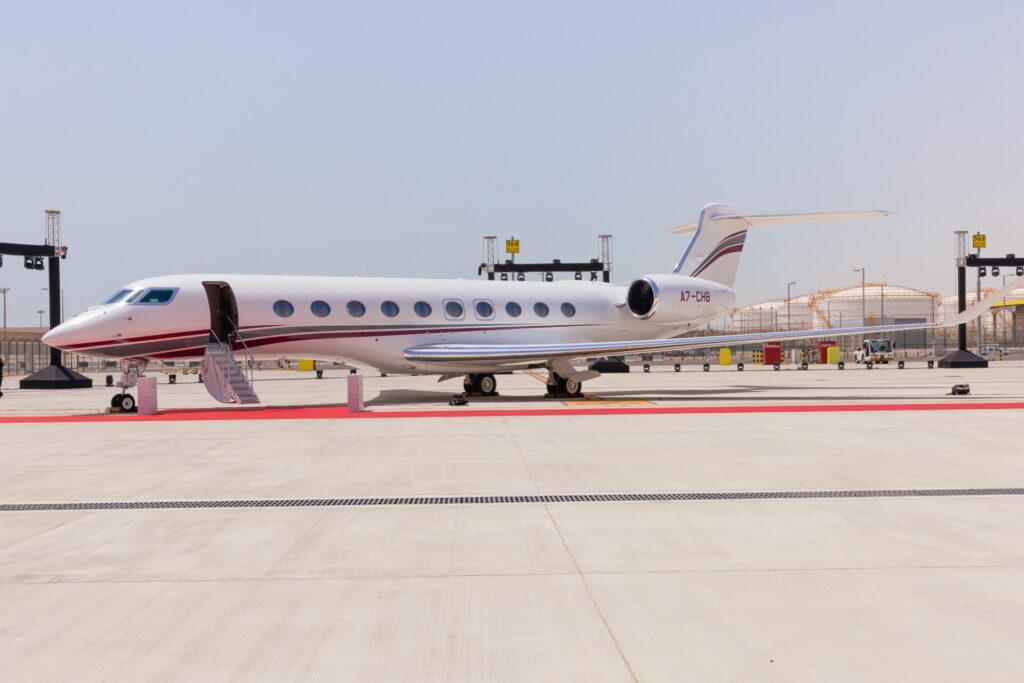
Singapore’s Ministry of Defence confirmed on 27 February that it will acquire the Gulfstream G550 Maritime Surveillance Aircraft. The platform is designed to provide early warning of maritime threats and improve situational awareness across busy regional waters.
The G550-MSA will operate alongside the Boeing P-8A Poseidon, creating a multi-layered maritime security network. While the ministry did not disclose the number of aircraft to be procured, it stated that the new fleet will complement the four P-8As already planned for acquisition.
Each G550-MSA will be equipped with a maritime search radar, electro-optical and infrared sensors, and advanced communication and identification systems. The aircraft will be operated by a crew of two pilots and six systems officers, enabling simultaneous detection, identification, and tracking of multiple targets.
Unlike the P-8A, there is no indication that the G550-MSA will carry anti-submarine warfare weapons. Its primary role will focus on surveillance and intelligence gathering rather than direct engagement.
Integration with Existing G550 Fleet
The Republic of Singapore Air Force already operates four G550 aircraft configured for airborne early warning and control missions. The addition of the maritime surveillance variant builds on established operational experience with the G550 platform.
Using a common airframe simplifies training, maintenance, and logistics. It also allows Singapore to leverage existing sustainment infrastructure while expanding mission capabilities.
Global Trend Toward Mixed Maritime Patrol Fleets
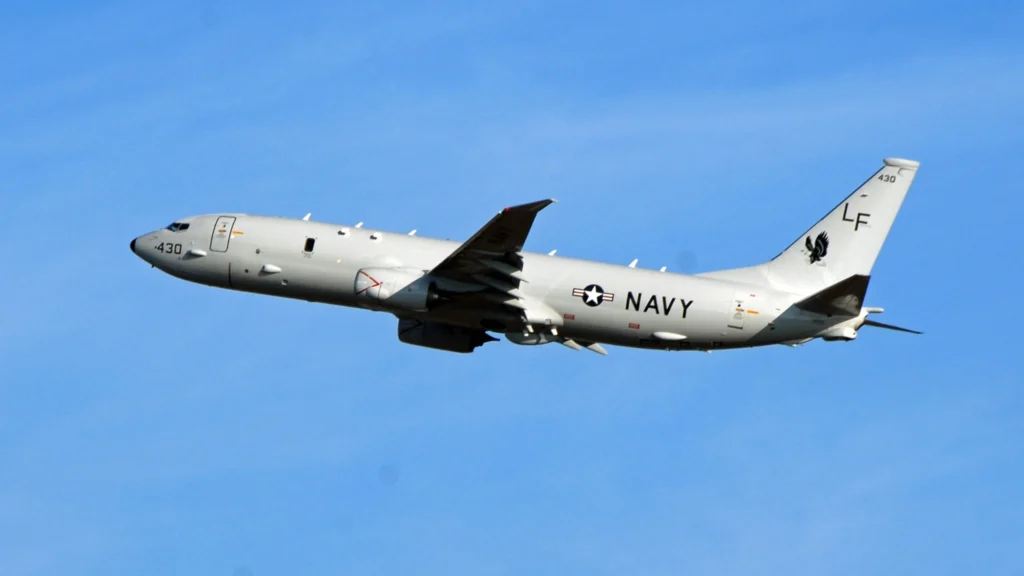
Singapore’s approach reflects a broader shift among P-8A operators. Countries are pairing crewed maritime patrol aircraft with long-endurance surveillance platforms to increase coverage and flexibility.
Canada plans to operate 16 P-8As alongside 11 General Atomics Aeronautical Systems MQ-9B SeaGuardian unmanned aircraft. The uncrewed systems will handle extended patrol missions, freeing the P-8A fleet to respond to identified threats.
The United States Navy follows a similar model, combining the Boeing P-8A with the Northrop Grumman MQ-4C Triton for persistent maritime surveillance.
Business Jets in Special Mission Roles
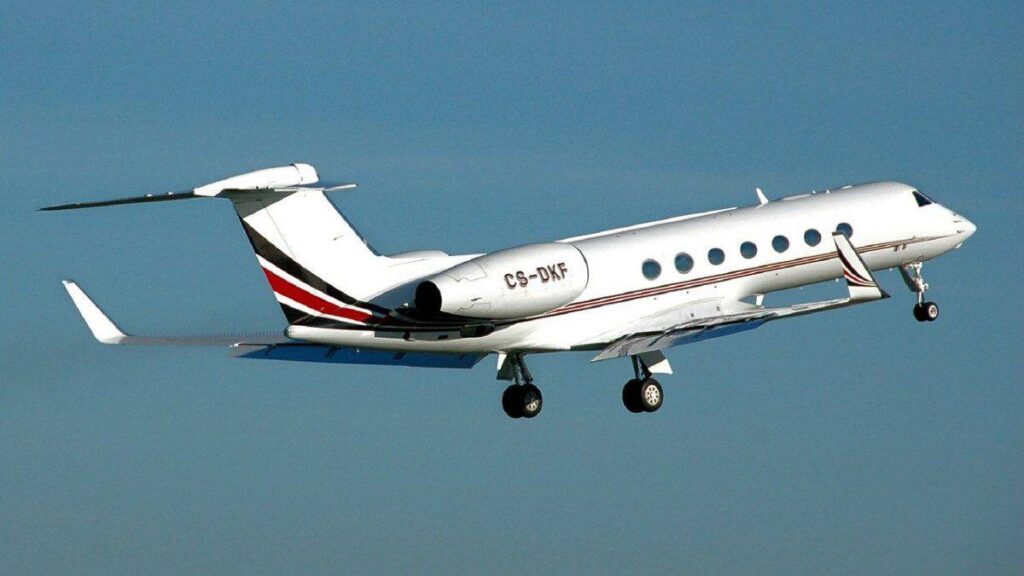
The use of business jets for military special missions has grown steadily. These platforms offer higher speed, longer range, and better altitude performance compared to traditional turboprop maritime patrol aircraft.
Gulfstream’s G550 has proven adaptable for multiple missions. The US Air Force and Italy are acquiring the EA-37B Compass Call electronic warfare aircraft based on the G550. L3Harris serves as the systems integrator, while BAE Systems provides electronic warfare and communications equipment.
Australia’s MC-55 Peregrine long-range surveillance aircraft is also based on the G550. Meanwhile, the US Army is developing long-range intelligence and surveillance aircraft using the Bombardier Global 6500 airframe.
Most business jet conversions require structural modifications to accommodate specialized sensor packages and mission systems. These changes allow operators to tailor aircraft to specific operational requirements while benefiting from commercial production and global support networks.
Strategic Importance for Singapore
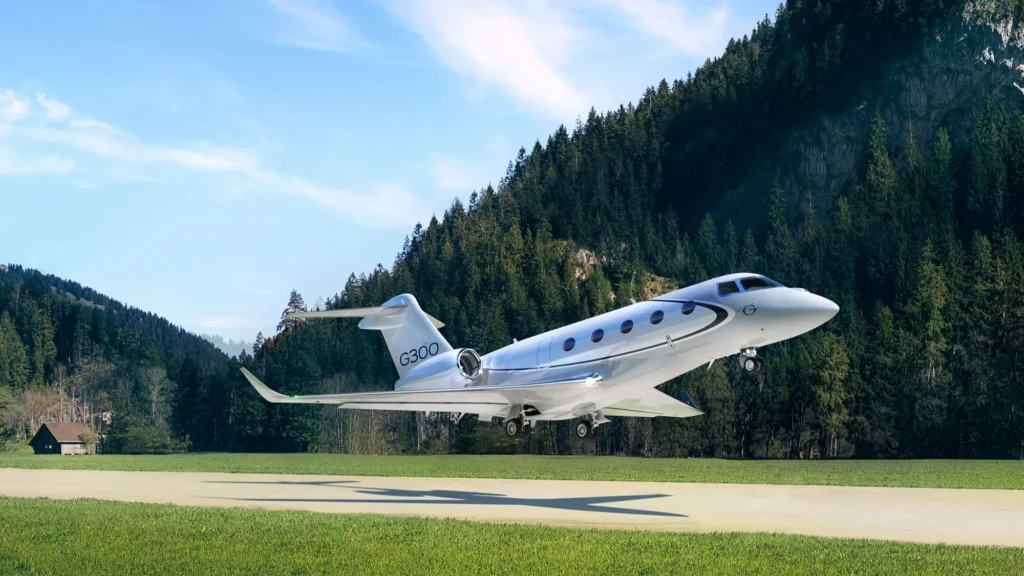
Singapore sits along some of the world’s busiest shipping lanes. Enhancing maritime domain awareness is critical for safeguarding trade routes and national security.
By adding the G550-MSA to its fleet, Singapore strengthens its ability to monitor regional waters, detect emerging threats, and coordinate responses across air and naval forces.
Stay tuned with us. Further, follow us on social media for the latest updates.
Join us on Telegram Group for the Latest Aviation Updates. Subsequently, follow us on Google News
