

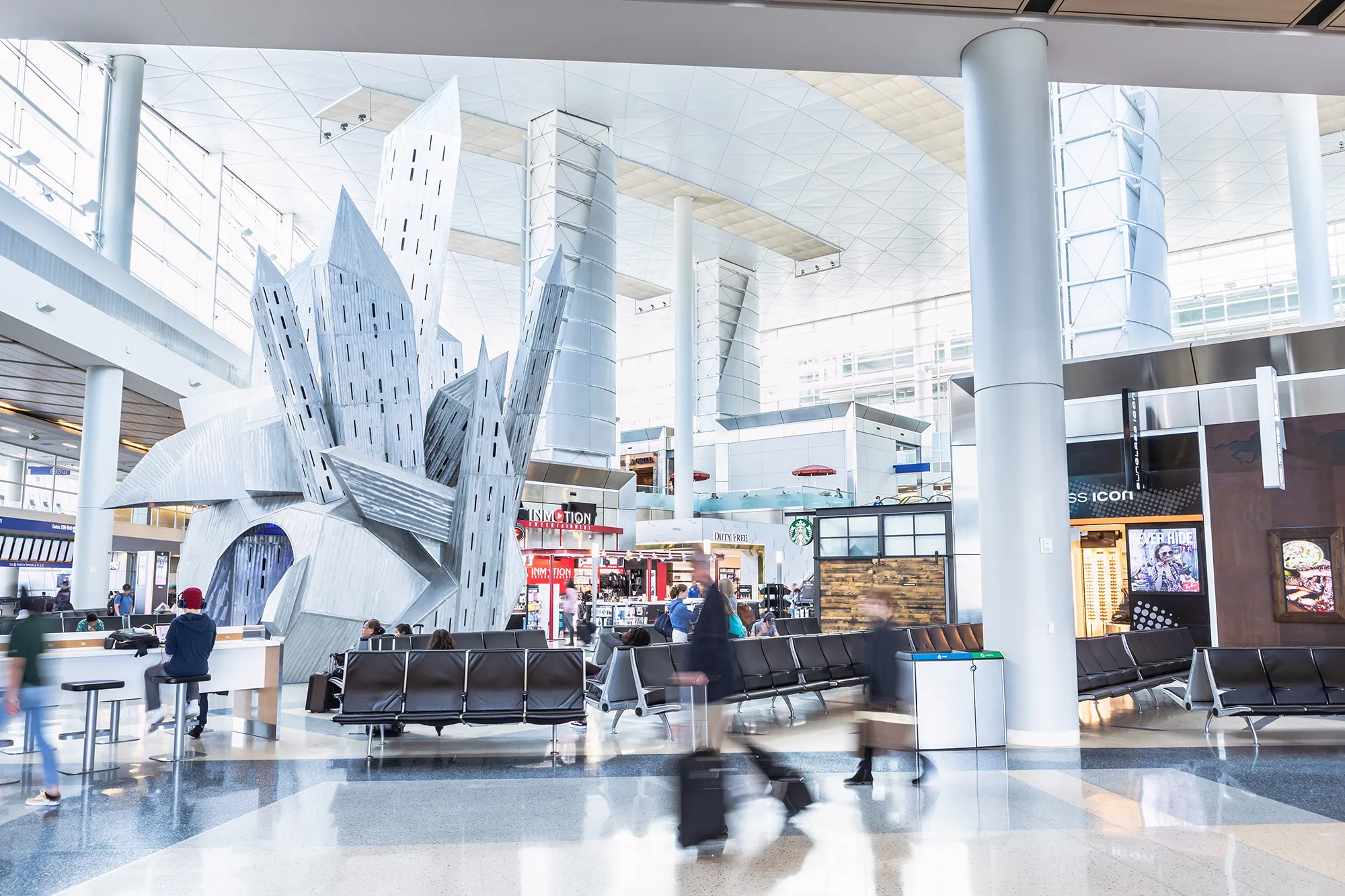
WASHINGTON— The latest 2025 aviation capacity data confirms that Hartsfield-Jackson Atlanta International Airport (ATL) remains the busiest airport in the country, offering 63,100,437 scheduled seats this year. The Atlanta hub continues to dominate the domestic market, supported heavily by operations from Delta Air Lines (DL).
The rankings place Dallas Fort Worth International Airport (DFW) second with 51,215,128 seats, followed closely by O’Hare International Airport (ORD), which recorded 50,568,521 seats. These figures highlight the scale of airline capacity concentrated at major U.S. hubs.
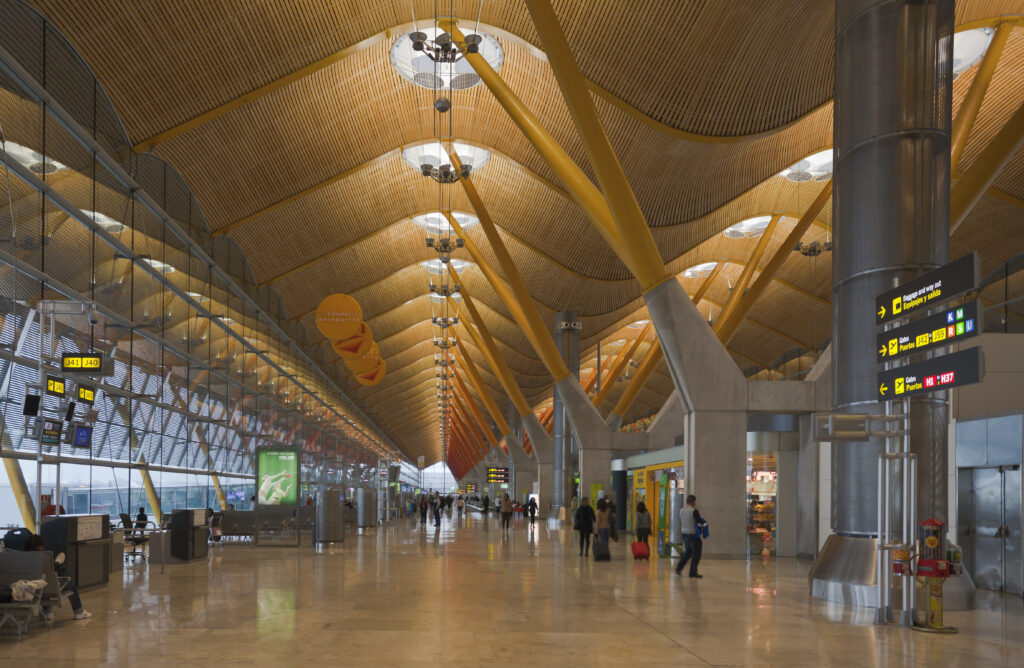
Top Busiest US Airports
Atlanta leads the national rankings by a margin of nearly 12 million seats over Dallas/Fort Worth. Its strong domestic connectivity and hub operations continue to drive consistent growth year after year.
Dallas/Fort Worth secures second place with 51.2 million seats, reflecting its strategic role as a connecting hub between the East and West coasts. Chicago O’Hare ranks third with 50.6 million seats, marking an 8 percent increase compared to 2024 capacity levels.
Denver International Airport (DEN) stands fourth with 49,485,982 seats, supported by expanding domestic and transcontinental routes. Los Angeles International Airport (LAX) completes the top five with 45,082,586 seats, maintaining its position as the leading West Coast gateway.
Domestic Market Strength
The data underscores the dominance of domestic travel in the United States aviation sector. Unlike global hubs that rely heavily on international transit traffic, U.S. airports generate the majority of their capacity from domestic networks.
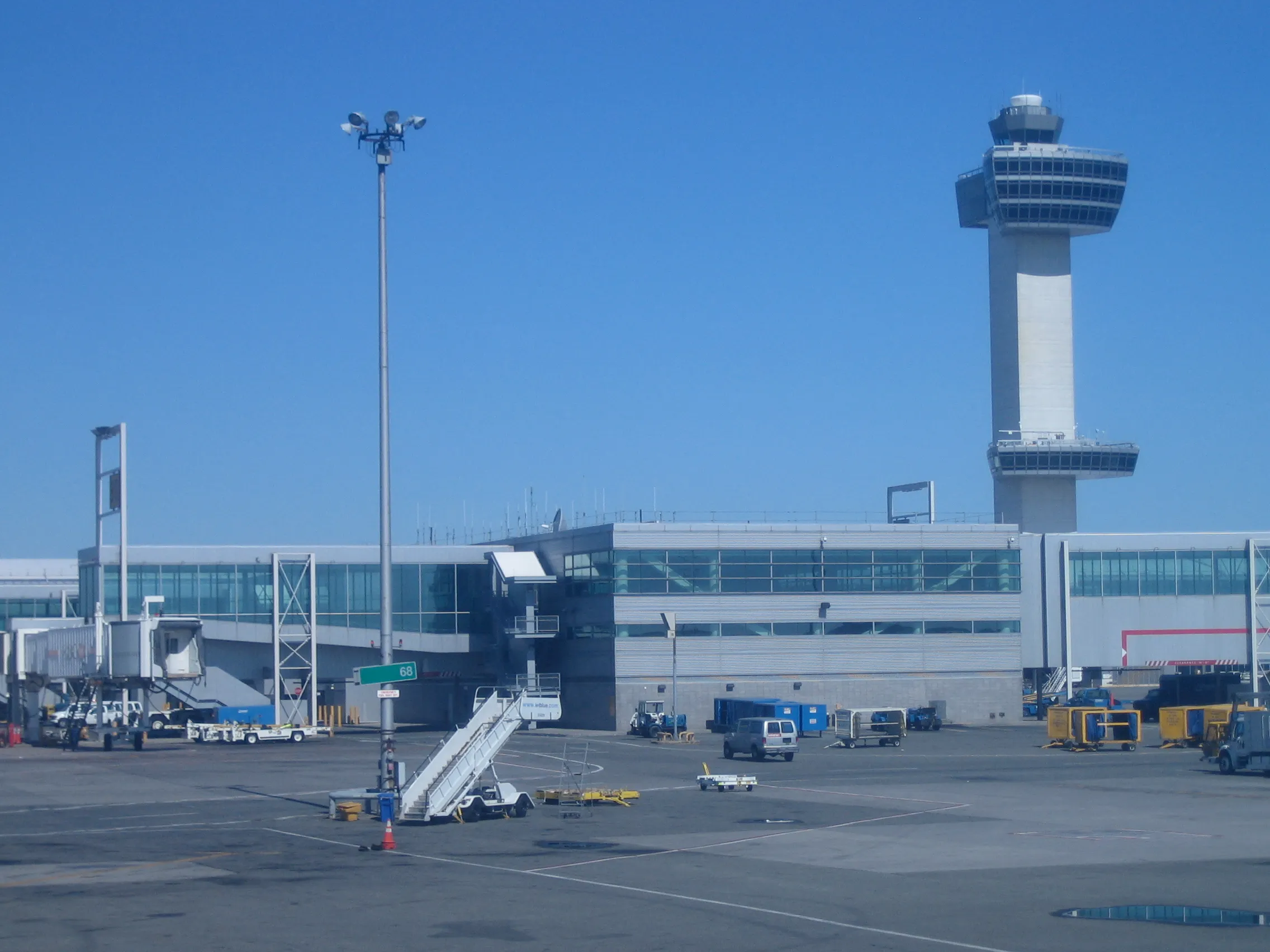
John F. Kennedy International Airport (JFK) ranks sixth nationally with 38,572,589 seats, followed by Orlando International Airport (MCO) at 34,805,618 seats. Leisure-driven airports such as Harry Reid International Airport (LAS) also perform strongly, offering 34,348,589 seats in 2025.
Further down the list, Charlotte Douglas International Airport (CLT) records 32,879,001 seats, narrowly ahead of Miami International Airport (MIA) with 32,806,479 seats. These airports serve as major hubs for both domestic and select international markets.
Notably, no U.S. airport ranks among the world’s top ten busiest international airports. This contrast highlights the scale and resilience of the domestic aviation market, which continues to anchor overall seat capacity.
| Rank | Airport | IATA Code | 2025 Seat Capacity |
|---|---|---|---|
| 1 | Hartsfield-Jackson Atlanta International Airport | ATL | 63,100,437 |
| 2 | Dallas Fort Worth International Airport | DFW | 51,215,128 |
| 3 | O’Hare International Airport | ORD | 50,568,521 |
| 4 | Denver International Airport | DEN | 49,485,982 |
| 5 | Los Angeles International Airport | LAX | 45,082,586 |
| 6 | John F. Kennedy International Airport | JFK | 38,572,589 |
| 7 | Orlando International Airport | MCO | 34,805,618 |
| 8 | Harry Reid International Airport | LAS | 34,348,589 |
| 9 | Charlotte Douglas International Airport | CLT | 32,879,001 |
| 10 | Miami International Airport | MIA | 32,806,479 |
Data: OAG
Global Comparison
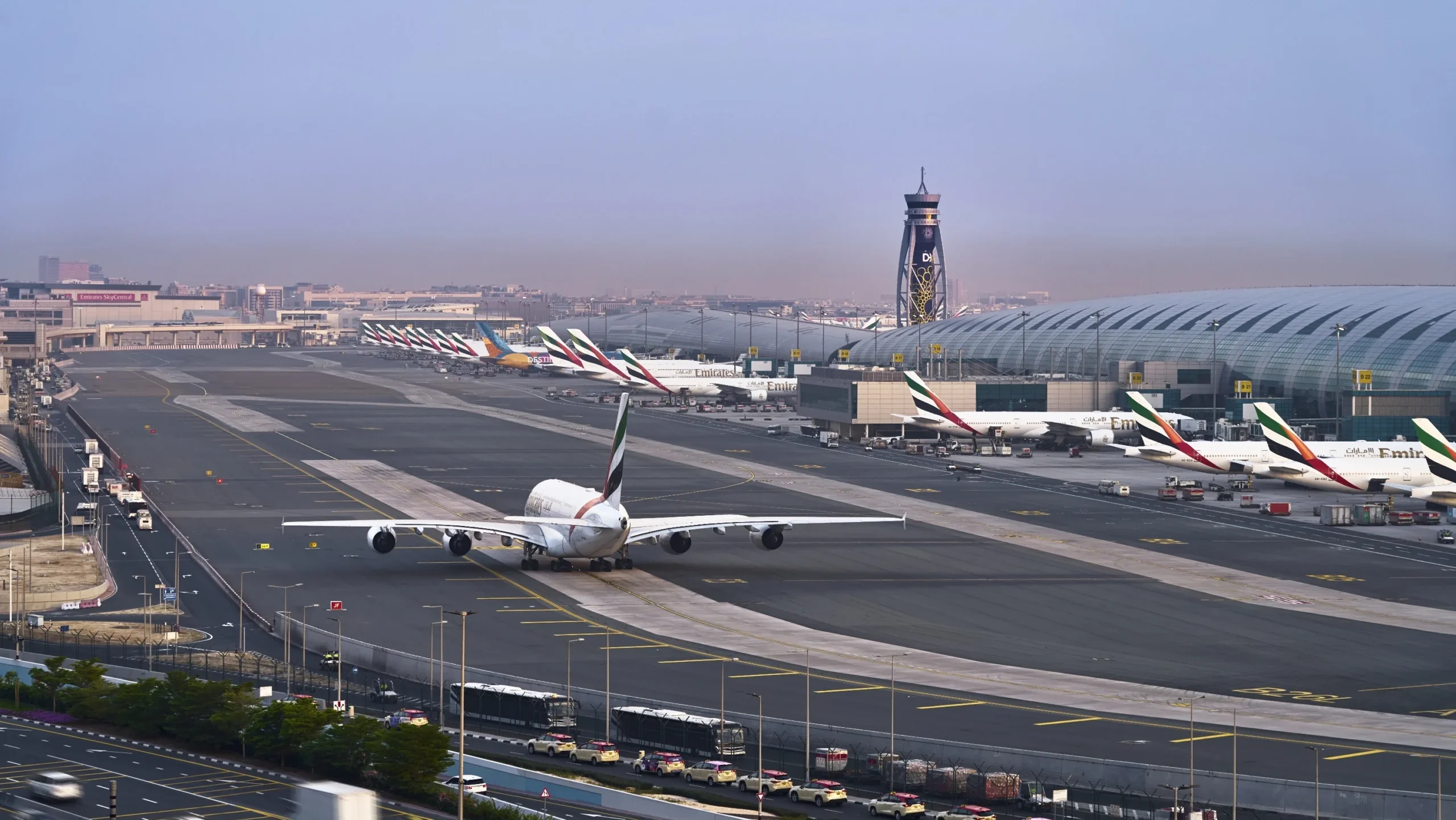
On a global scale, Atlanta retains the top position in total scheduled capacity for 2025. However, Dubai International Airport (DXB) is closing the gap with 62.4 million seats scheduled this year.
Dallas/Fort Worth and Chicago O’Hare also rank among the top ten busiest airports worldwide in overall capacity. Denver appears in the global top ten as well, reflecting sustained growth in both network expansion and airline base development.
The absence of U.S. airports in the top ten for international-only capacity reinforces a key industry trend.
American hubs depend primarily on extensive domestic connectivity, while airports in Europe and the Middle East rely more heavily on intercontinental transfer traffic.
Stay tuned with us. Further, follow us on social media for the latest updates.
Join us on Telegram Group for the Latest Aviation Updates. Subsequently, follow us on Google News
