

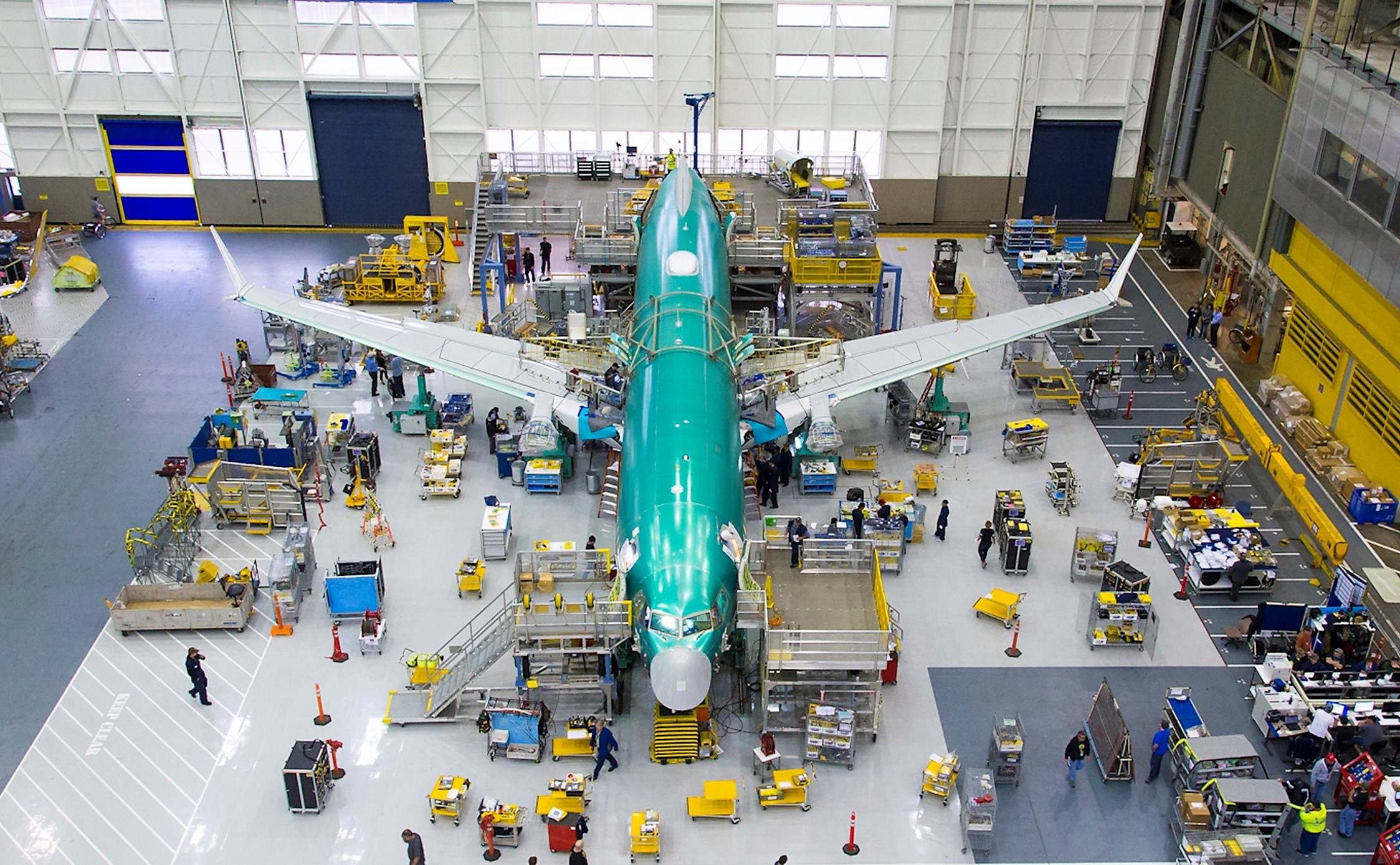
WASHINGTON, D.C.- The Federal Aviation Administration (FAA) has issued an immediate Airworthiness Directive for all Boeing 737 MAX aircraft operating in the United States following reports of uncontrolled cockpit and cabin heat.
The directive applies to Boeing 737 MAX 8, MAX 9, and MAX 8-200 aircraft and affects 771 US-registered jets. Airlines operating the Boeing 737 MAX (7M8/7M9) from major hubs such as Dallas Fort Worth International Airport (DFW) and New York John F. Kennedy International Airport (JFK) must comply within 30 days.
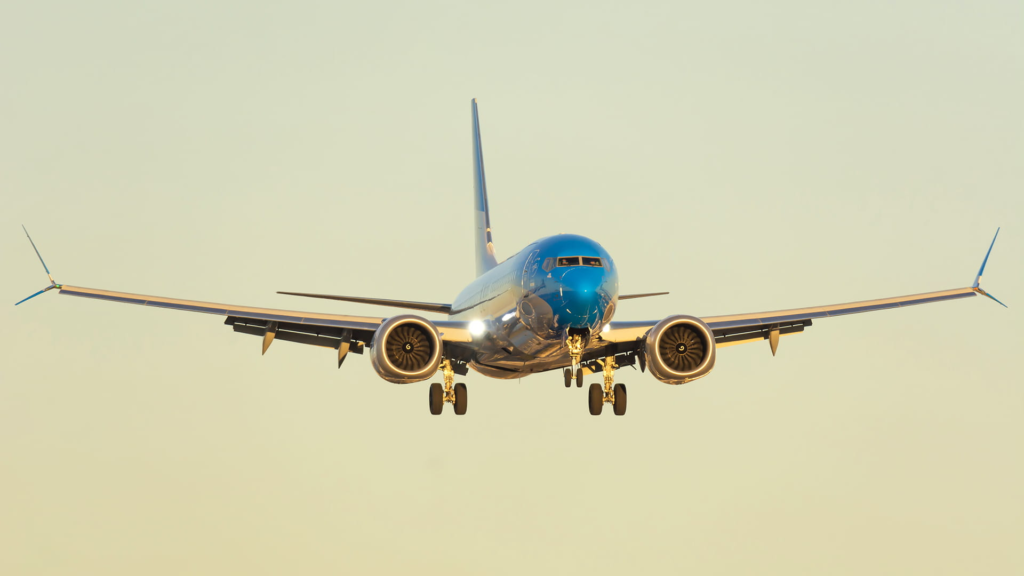
FAA Directive on Boeing 737 MAX Overheating Risk
The Federal Aviation Administration issued the Airworthiness Directive on February 24, making it effective the same day. While the agency is accepting public comments, compliance is mandatory without delay.
The action follows two reported incidents in which flight crews experienced excessively high temperatures in both the cockpit and passenger cabin during flight. In both cases, the crew could not control the heat using existing procedures.
The FAA identified the root cause as the tripping of a circuit breaker identified as CB3062. This breaker is part of the Standby Power Control Unit within the aircraft’s electrical system. It is linked to the BAT BUS SECT 2 circuit, which supports air conditioning, cabin pressurization, and overheating protection systems.
When the circuit breaker trips, it generates an unintended electrical signal. That signal causes two valves to close, reducing cooling airflow to the air conditioning system’s heat exchangers. As a result, hot bleed air from the engines is not sufficiently cooled before entering the cockpit and cabin. This can lead to rapidly rising and potentially dangerous temperatures.
The FAA warned that prolonged exposure to excessive heat could cause injuries or impair crew performance. If crew members become unfit to operate the aircraft safely, flight continuation and landing could be compromised, AeroTelegraph reported.
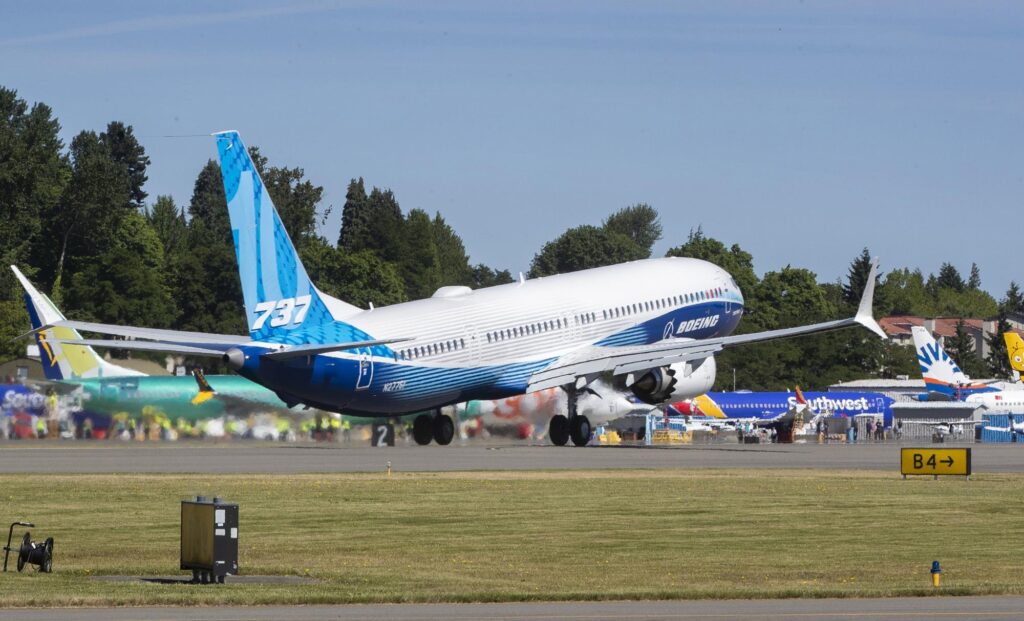
Required Operational Changes Within 30 Days
Operators must revise aircraft flight manuals within 30 days of the directive’s effective date. The update includes three new or modified emergency procedures.
First, crews must initiate a controlled descent if the relevant circuit breaker has tripped. The guidance instructs pilots to plan a landing at the nearest suitable airport.
Second, crews may attempt a single reset of the CB3062 circuit breaker, located in the cockpit behind the right seat. If the reset fails, pilots must stop the bleed air supply to prevent further overheating.
The procedures outline additional mitigation steps depending on conditions. These include reducing cabin and cockpit lighting, opening the cockpit door to improve airflow, turning off the in-flight entertainment system, and descending to the lowest safe altitude or 10,000 feet, whichever is higher.
If necessary, pilots may deploy airbrakes to increase the aircraft’s rate of descent. A faster descent can help lower cabin temperatures by reducing engine bleed air heat and improving environmental control system performance.
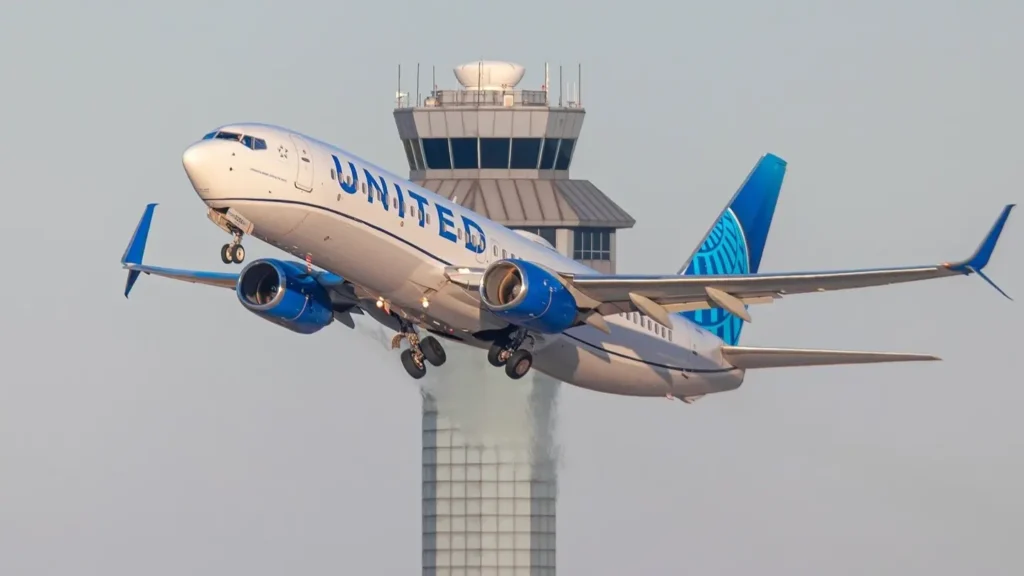
Potential Expansion of Regulatory Measures
The FAA stated that the current directive is an interim measure. A broader system review identified two additional downstream circuit breakers within the environmental control system that could also trip under certain conditions.
The agency is evaluating whether further regulatory action is required to address those components and provide additional crew procedures.
Boeing is developing a technical modification to correct the unsafe condition described in the directive. Once the modification is finalized, approved, and made available, the FAA will assess whether additional mandatory actions are necessary.
Stay tuned with us. Further, follow us on social media for the latest updates.
Join us on Telegram Group for the Latest Aviation Updates. Subsequently, follow us on Google News
