


Asia Pacific’s aviation market continues to expand at scale, with several mega-hubs competing for dominance in 2025. New annual capacity data based on total scheduled airline seats highlights the region’s strongest performers across East Asia, South Asia, and Southeast Asia.
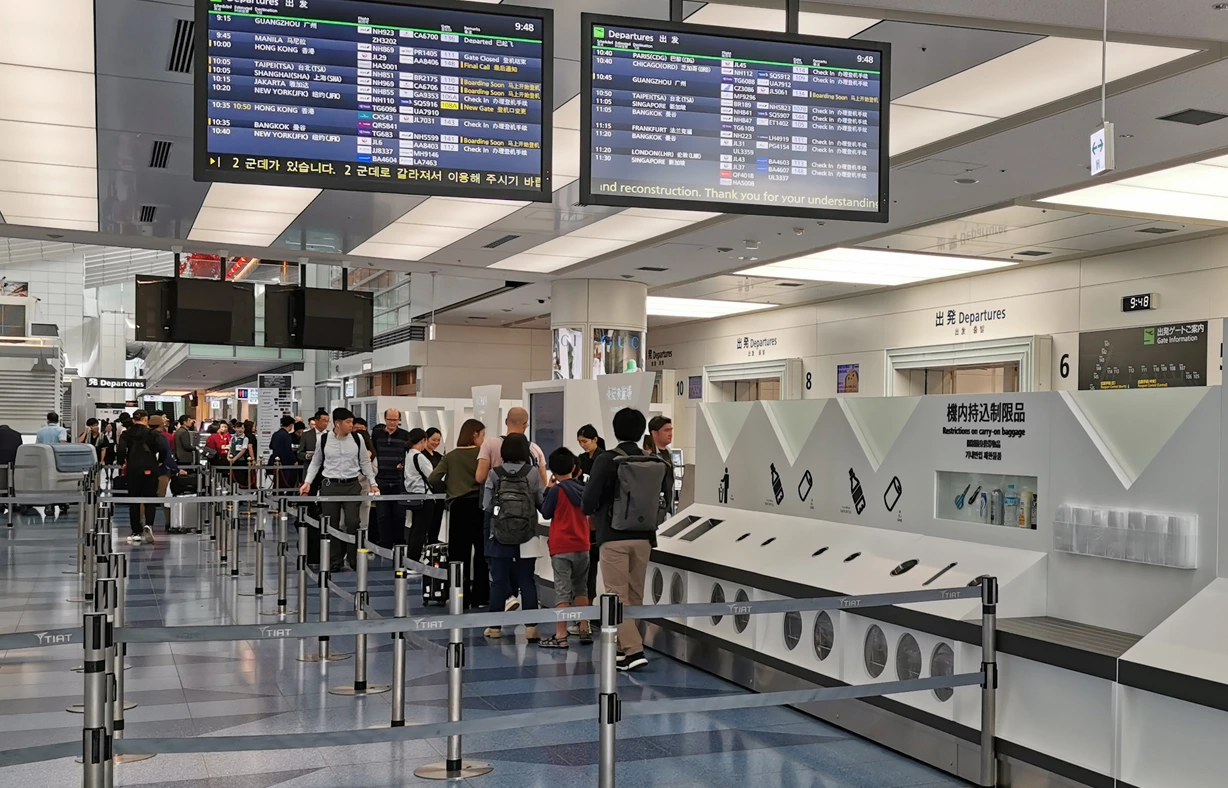
The rankings confirm that Tokyo International Airport (HND) leads the region, while major Chinese, Indian, and Southeast Asian hubs maintain strong positions. The data reflects shifting traffic patterns, post-pandemic recovery momentum, and growing domestic demand across key aviation markets.
China and India’s Airports Dominate
Shanghai Pudong ranks second with 51.1 million seats, reinforcing its role as mainland China’s primary international gateway. Guangzhou Baiyun follows closely in third place, trailing Pudong by less than one million seats.
China dominates the top ten with four airports: Shanghai Pudong, Guangzhou Baiyun, Beijing Capital, and Shenzhen Bao’an. This presence underlines the scale of China’s domestic network and the steady recovery of international traffic.
Beijing Capital, once the region’s busiest airport, now ranks fourth with 46.2 million seats. Traffic redistribution following the opening of Beijing Daxing International Airport continues to shape capacity allocation in the Chinese capital.
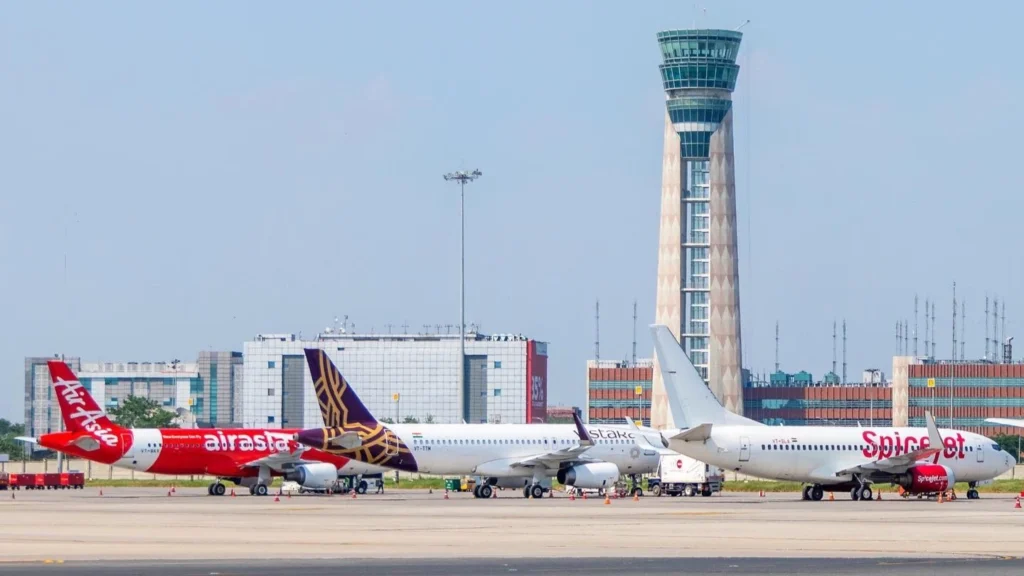
Delhi’s Indira Gandhi International Airport stands out as one of the fastest risers in the region. With 46.2 million seats, Delhi ranks fifth and trails Beijing Capital by only around 31,000 seats, signaling India’s accelerating aviation expansion.
India’s domestic market growth, driven by rising middle-class demand and aggressive airline capacity additions, positions Delhi as a long-term contender for higher rankings.
Southeast Asia Performance
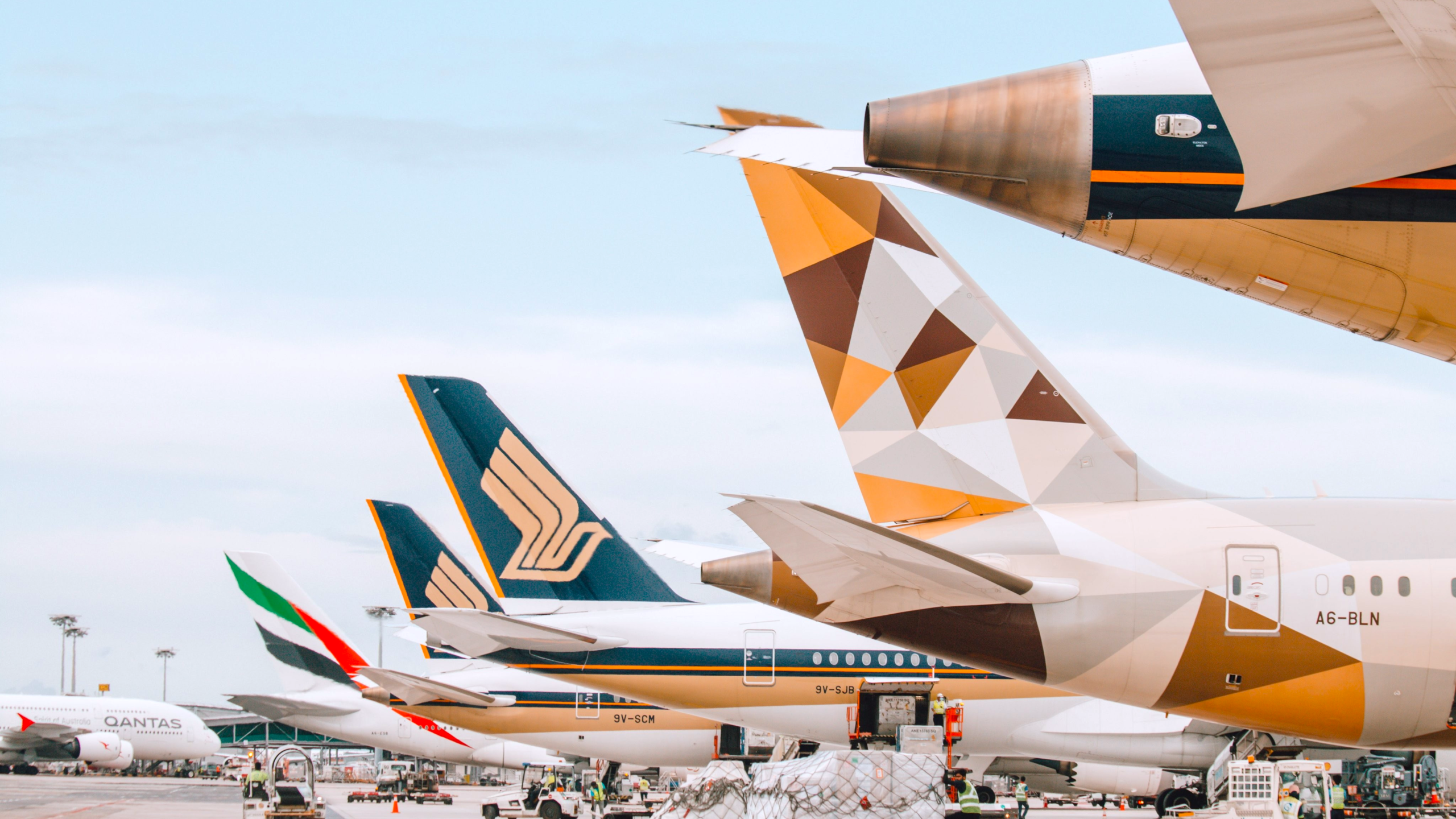
Incheon International Airport and Singapore Changi Airport retain sixth and seventh positions, respectively. Both hubs remain critical global connectors, serving as major transfer points between Asia, Europe, and North America.
Shenzhen Bao’an climbs into eighth place with 40.4 million seats, reflecting southern China’s economic and technology-driven growth. Kuala Lumpur International Airport ranks ninth, supported by Malaysia’s push to strengthen its role as a regional aviation hub.
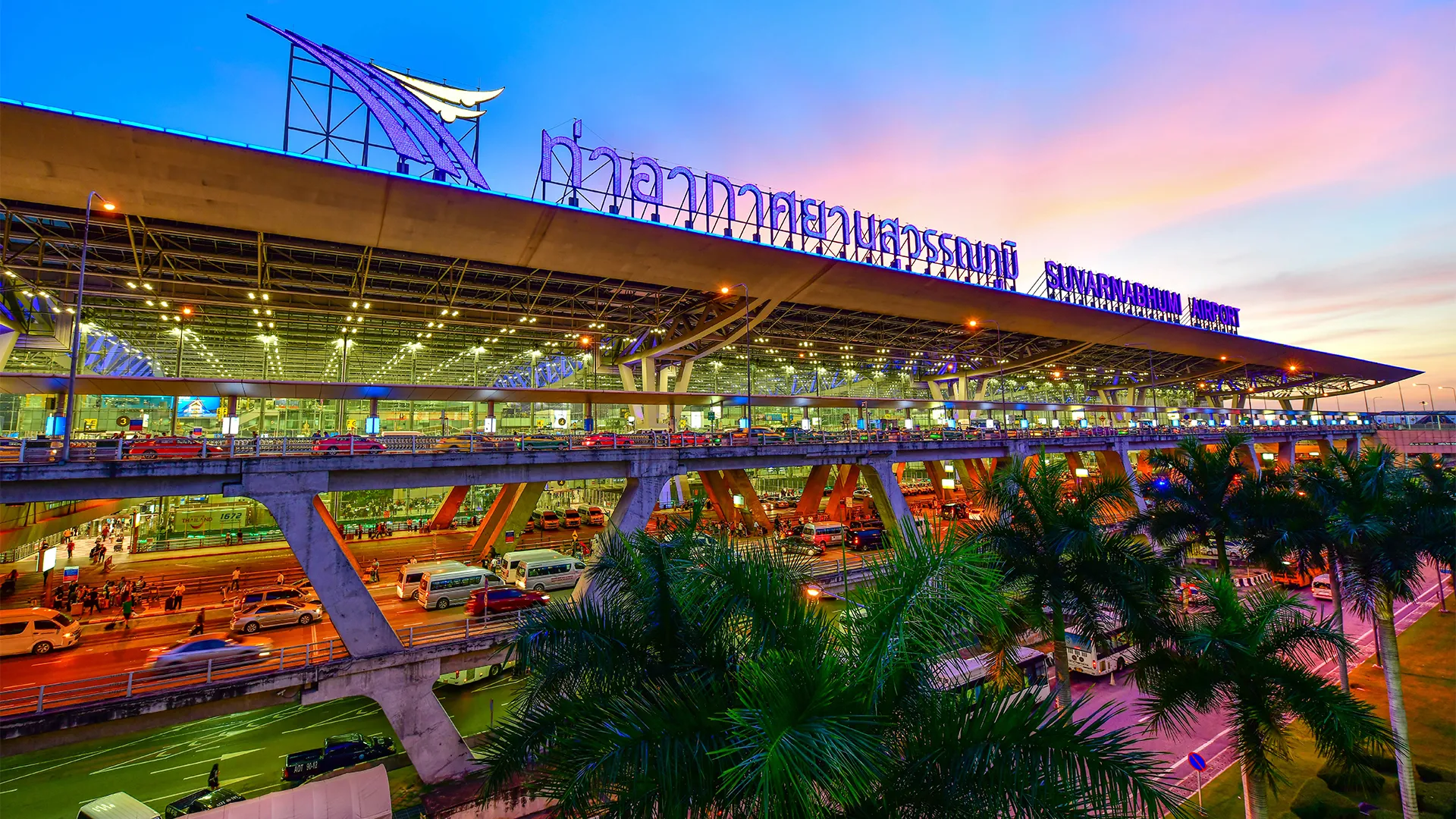
Bangkok’s Suvarnabhumi Airport rounds out the top ten with 38.9 million seats. While it has slipped slightly compared to pre-2019 standings, Thailand’s tourism rebound continues to support steady capacity increases.
Overall, the 2025 rankings reveal three key trends: China’s continued dominance, India’s rapid ascent, and the resilience of established hubs like Tokyo, Incheon, and Singapore. The Asia Pacific region remains one of the most dynamic aviation markets globally, with three airports ranking among the world’s top ten by total capacity.
2025: Asia Pacific’s Busiest Airport Rankings
- Tokyo International Airport (HND) – 55,357,501 seats
- Shanghai Pudong International Airport (PVG) – 51,073,166 seats
- Guangzhou Baiyun International Airport (CAN) – 50,177,572 seats
- Beijing Capital International Airport (PEK) – 46,218,654 seats
- Indira Gandhi International Airport, Delhi (DEL) – 46,187,658 seats
- Incheon International Airport (ICN) – 43,400,991 seats
- Singapore Changi Airport (SIN) – 42,570,250 seats
- Shenzhen Bao’an International Airport (SZX) – 40,406,220 seats
- Kuala Lumpur International Airport (KUL) – 39,497,119 seats
- Suvarnabhumi Airport Bangkok (BKK) – 38,943,700 seats
Data: OAG
Bottom Line
The 2025 rankings confirm that Asia Pacific remains a powerhouse in global aviation, with Tokyo Haneda leading at 55.4 million scheduled seats.
China’s four-airport presence in the top ten highlights the scale of its domestic and international network, while Delhi’s near parity with Beijing Capital signals India’s accelerating market expansion.
As capacity continues to rise across East and Southeast Asia, the competition among major hubs is expected to intensify in the coming years.
Stay tuned with us. Further, follow us on social media for the latest updates.
Join us on Telegram Group for the Latest Aviation Updates. Subsequently, follow us on Google News
