


When people think of expensive aircraft, private jets like the Gulfstream G700 or Boeing Business Jets often come to mind. In reality, those aircraft barely scratch the surface. The most expensive aircraft ever built are not designed for comfort or status, but for military dominance, strategic deterrence, and technological supremacy.
Their costs reflect decades of research, classified systems, and engineering challenges that push the limits of what aviation can achieve.
Unlike commercial airplanes, where unit cost drops as production increases, many military aircraft are built in small numbers.
Each airframe often carries a price tag that includes not just materials and labor, but also development programs that run into tens or even hundreds of billions of dollars. When those costs are spread across limited fleets, the result is aircraft that redefine the meaning of “expensive.”
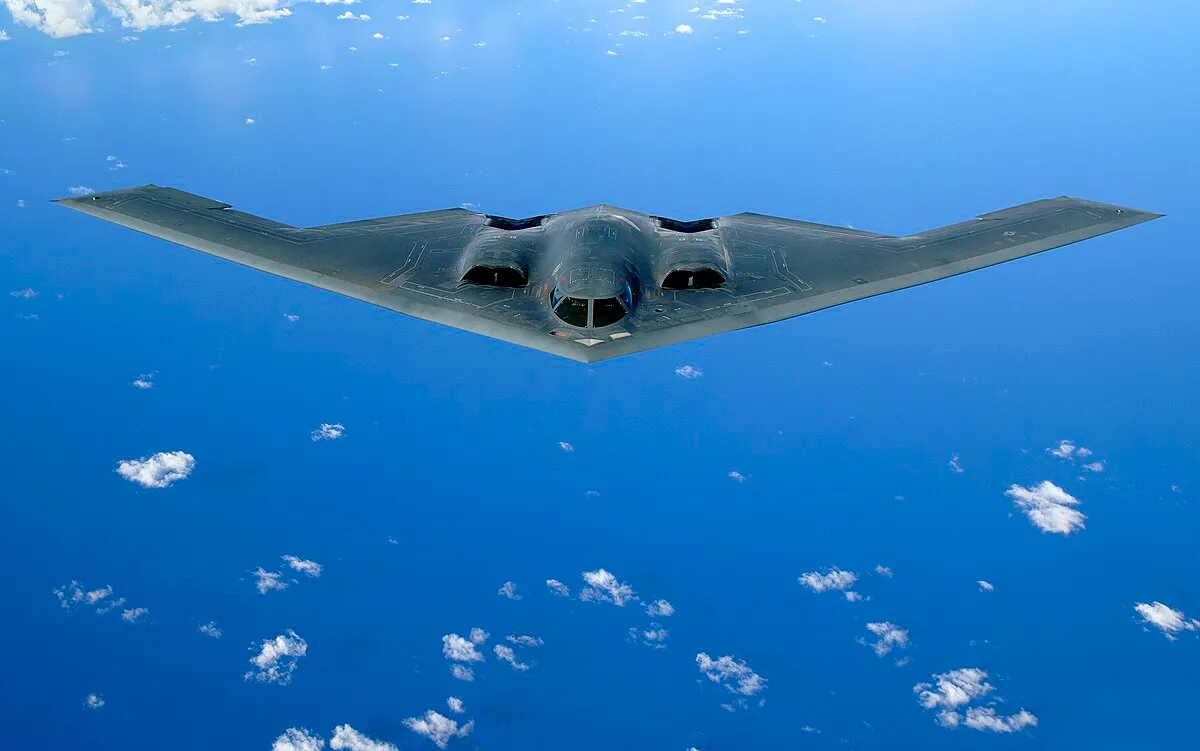
What Makes an Aircraft So Expensive
The cost of an aircraft is driven by far more than its size. Advanced propulsion systems, stealth shaping, radar-absorbent materials, secure communications, and sensor fusion all add layers of complexity.
Military aircraft also require extensive testing, certification, and long-term sustainment planning, which is built into their overall cost.
Another major factor is research and development. Some aircraft programs take 20 to 30 years from concept to operational service.
During that time, technologies evolve, requirements change, and budgets expand. By the time the aircraft enters service, its per-unit cost reflects not just the jet itself, but the entire journey that led to its creation.
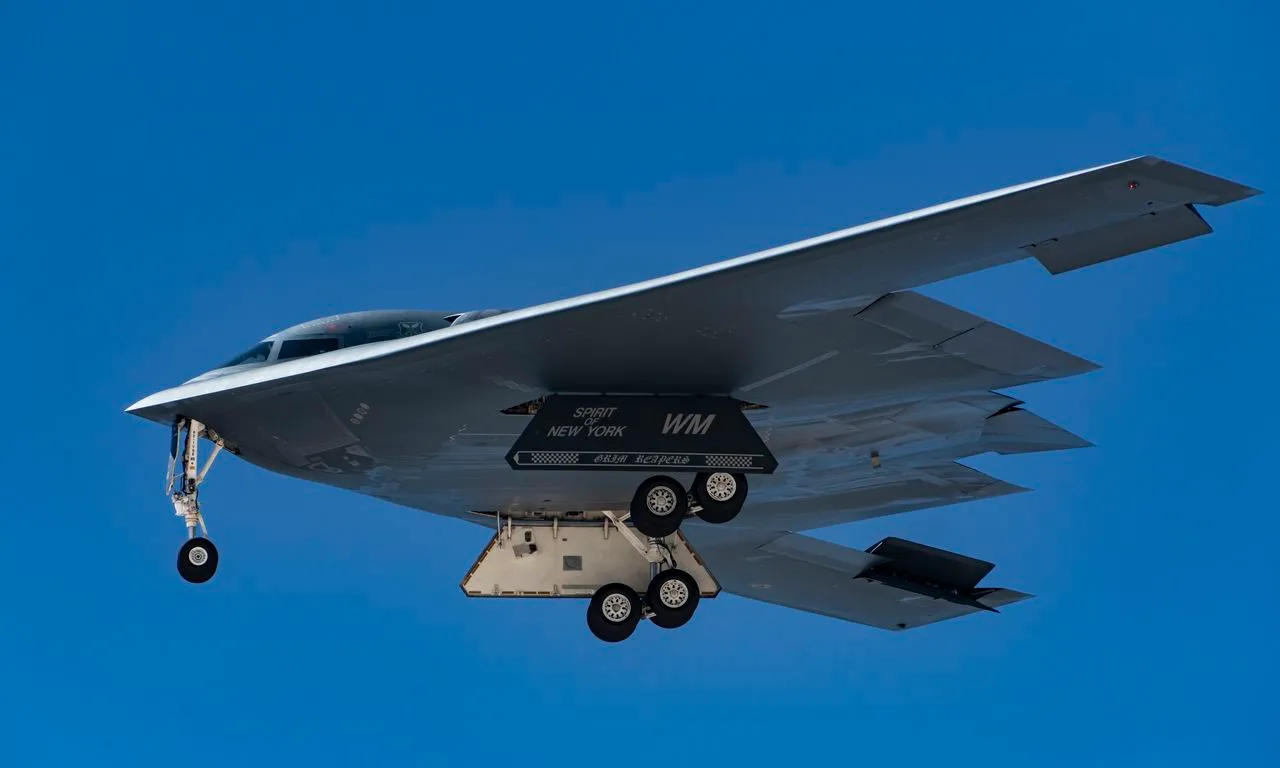
The B-2 Spirit: A $2 Billion Bomber
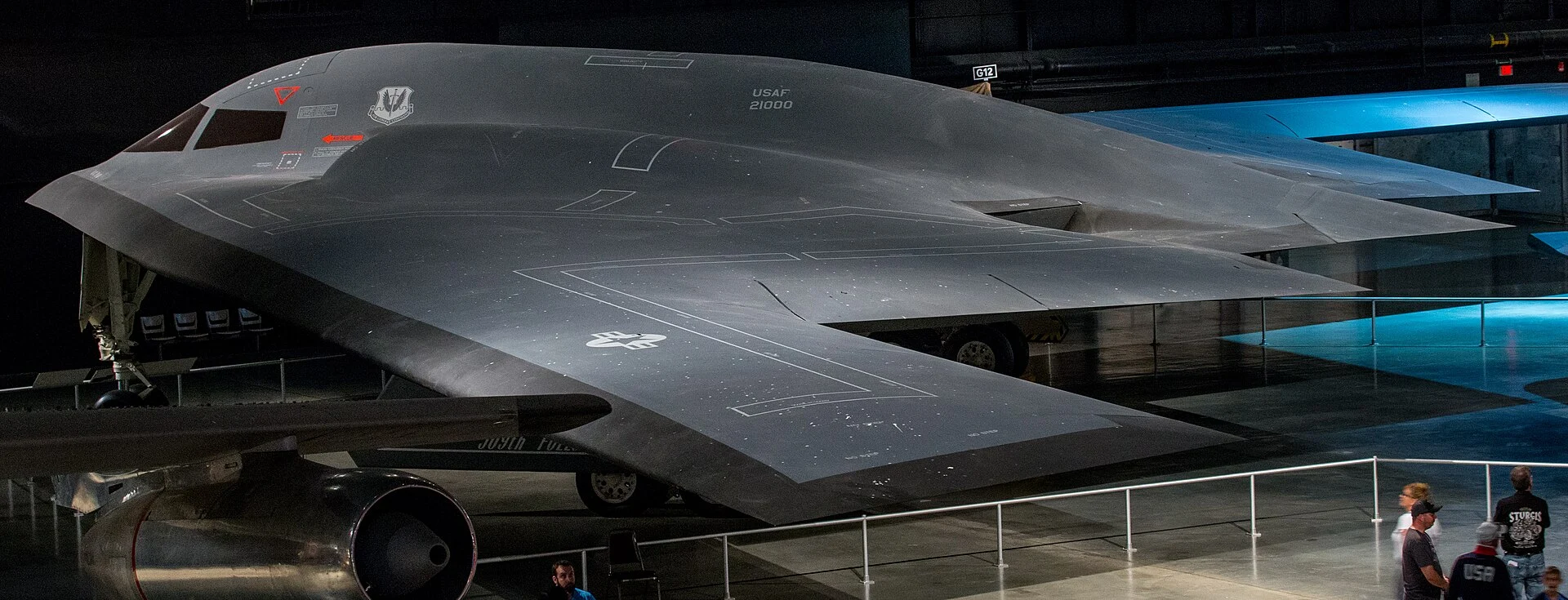
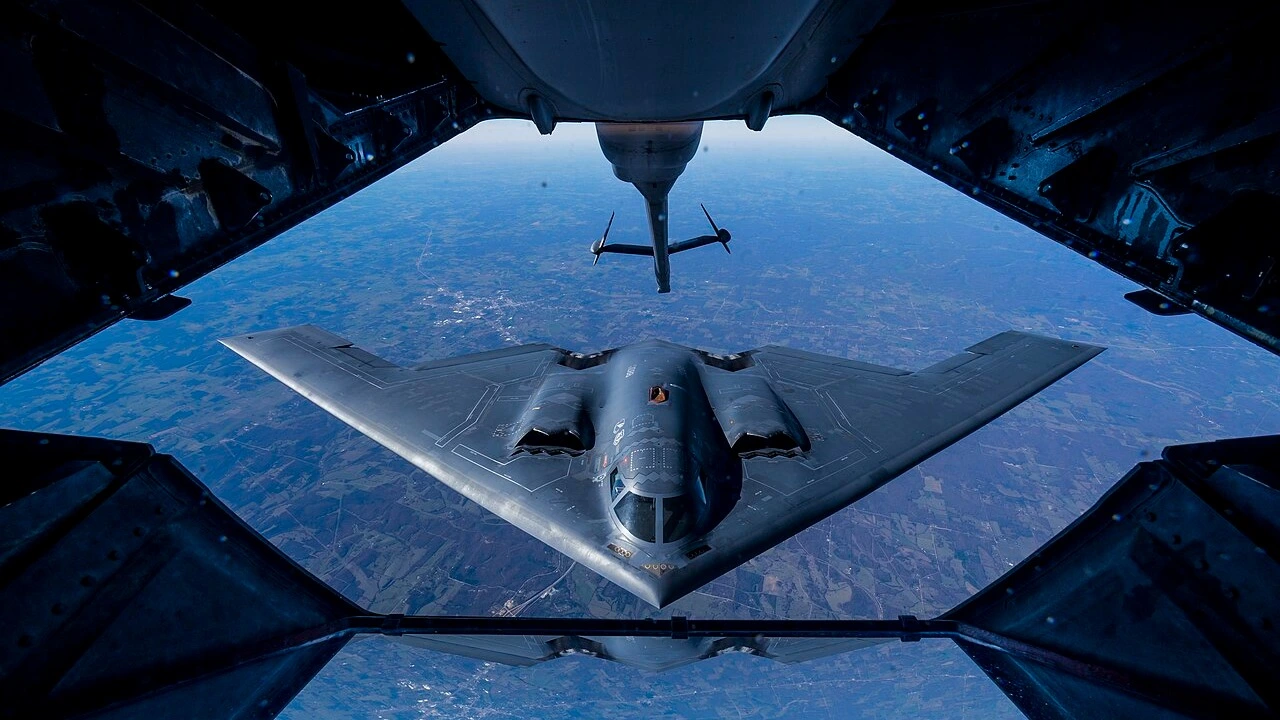
The Northrop Grumman B-2 Spirit is widely recognized as the most expensive aircraft ever built on a per-unit basis. Each aircraft is estimated to cost over $2 billion when development expenses are included. Only 21 B-2 bombers were produced, making economies of scale virtually impossible.
The B-2’s flying-wing design and stealth capabilities were revolutionary when it entered service in the late 1990s.
It can penetrate heavily defended airspace, carry both conventional and nuclear weapons, and strike targets anywhere in the world with aerial refueling. Its radar-evading shape, specialized coatings, and mission systems require meticulous maintenance, further driving up lifetime costs.
The B-2 Spirit incorporates advanced technologies that extend beyond stealth shaping, enhancing survivability and mission flexibility.
- Integrated radar-absorbent materials built into the airframe to reduce radar signature and maintenance demands
- Advanced defensive management system providing real-time threat detection and electronic countermeasures
- Fused avionics architecture that combines navigation, sensors, and mission data into a single pilot interface
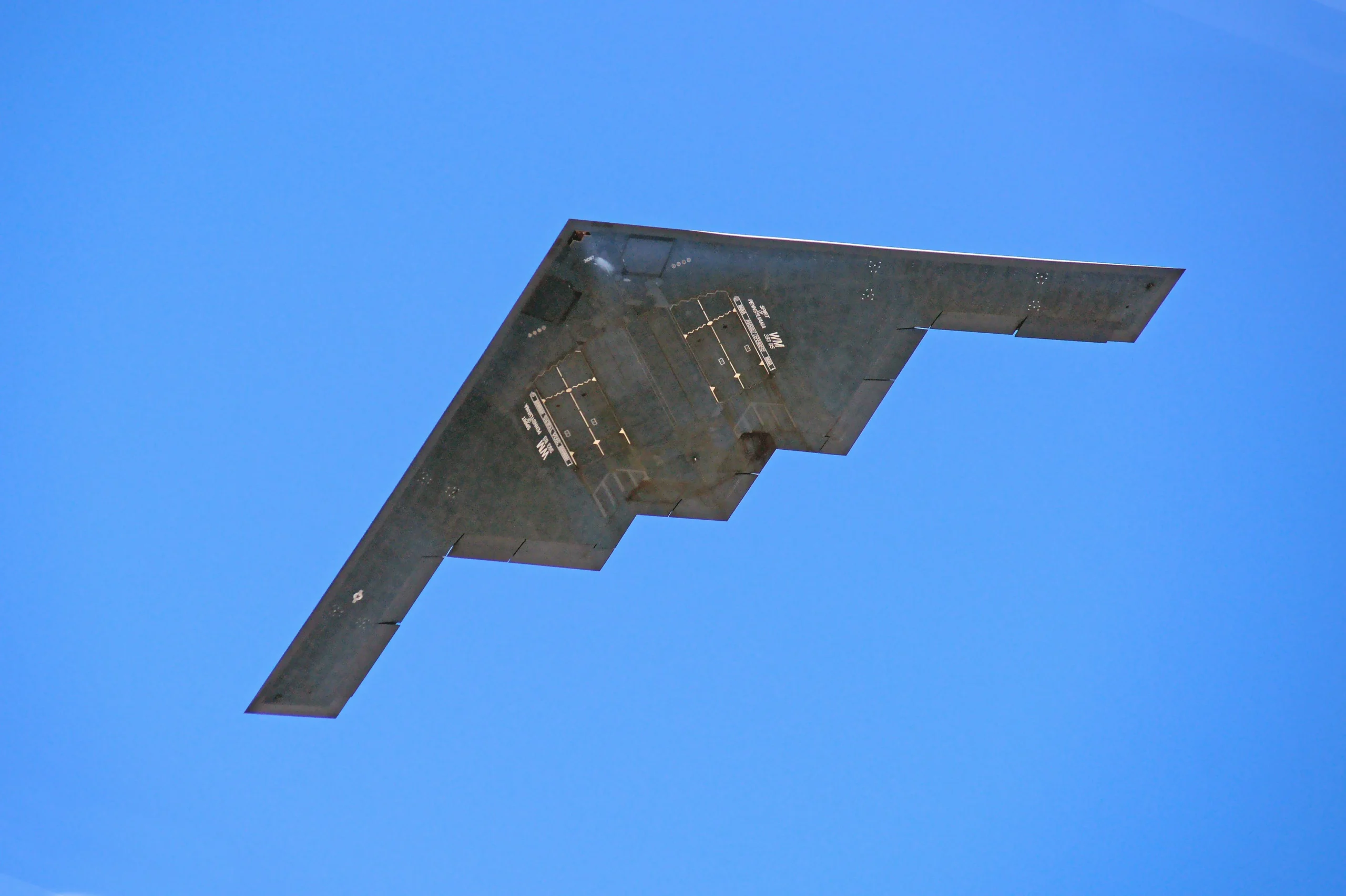
- Internal weapons bays that preserve stealth while supporting conventional and nuclear payloads
- Aerial refueling capability enabling ultra-long-range missions exceeding 40 hours
These features make the B-2 a cornerstone of long-range strategic airpower.
Despite its expense, the B-2 remains a cornerstone of strategic airpower. Its ability to deliver precision strikes from intercontinental distances gives it a unique role that few other platforms can replicate.

The F-35 Lightning II Program
The Lockheed Martin F-35 Lightning II is not the most expensive aircraft per unit, but it is the most expensive aircraft program in history. The total lifecycle cost of the program is estimated at over $1.7 trillion, covering development, production, and decades of operation.
Each F-35 incorporates advanced stealth, sensor fusion, and network-centric warfare capabilities.
The aircraft acts as a flying data hub, sharing information with other aircraft, ships, and ground forces in real time. This level of integration requires sophisticated software, which has been one of the program’s most costly and challenging aspects.
The F-35’s expense reflects a shift in military aviation, where software and systems integration are as critical as airframes and engines. It represents a new era where aircraft are platforms for information dominance, not just weapons delivery.

The B-21 Raider: The Next Cost Giant
The Northrop Grumman B-21 Raider is poised to become one of the most expensive aircraft programs ever undertaken.
While exact figures remain classified, estimates suggest each aircraft could cost hundreds of millions of dollars, with total program costs reaching well into the tens of billions.
The B-21 is designed to replace both the B-1 and B-2 bombers, incorporating next-generation stealth, open-system architecture, and adaptability for future technologies. Unlike the B-2, the B-21 is intended to be produced in larger numbers, which may help control unit costs.
Even so, the Raider underscores a consistent pattern in aviation history. As threats evolve, aircraft become more complex, more capable, and more expensive to design and operate.
Why Civil Aircraft are Rarely So Expensive?
Commercial aircraft, even the largest and most advanced, rarely approach the costs of military platforms. A Boeing 777X or Airbus A380 may cost hundreds of millions of dollars, but these programs benefit from large production runs and shared development costs.
Civil aircraft also operate under very different requirements. They do not need stealth, electronic warfare systems, or hardened communications. Their value lies in efficiency, reliability, and passenger comfort, not survivability in hostile environments.
This distinction explains why the title of “most expensive aircraft ever built” almost always belongs to military or government platforms rather than airliners or private jets.
The True Cost of Airpower
When evaluating the most expensive aircraft ever built, it becomes clear that cost is a reflection of ambition.
These aircraft are designed to achieve objectives that no other tools can accomplish, from global strike capability to national command and control.
Their price tags often spark debate, but they also represent decades of technological advancement that eventually filter into civilian aviation.
Composite materials, fly-by-wire systems, and advanced avionics all began in military programs before becoming industry standards.
Final Thoughts
The most expensive aircraft ever built are not defined by luxury or size, but by their strategic importance and technological complexity.
From the B-2 Spirit’s unmatched stealth to the VC-25B’s role as a flying seat of power, these aircraft embody the extreme end of aviation engineering.
As new programs like the B-21 Raider move forward, the record for cost may continue to be challenged.
What remains constant is that these aircraft serve as symbols of how far nations are willing to go and spend to maintain control of the skies.
Stay tuned with us. Further, follow us on social media for the latest updates.
Join us on Telegram Group for the Latest Aviation Updates. Subsequently, follow us on Google News
