


JAKARTA– A passenger narrowly avoided serious injury after a full row of seats detached during takeoff on a Boeing 737 operated by Batik Air (ID). The incident occurred shortly after departure, as the aircraft accelerated down the runway with passengers secured for climb.
According to initial reports, the affected flight departed from Sultan Mahmud Badaruddin II International Airport (PLM) bound for Soekarno-Hatta International Airport (CGK). Cabin crew responded immediately after the three-seat row shifted backward when it reportedly came loose from the seat track mechanism.
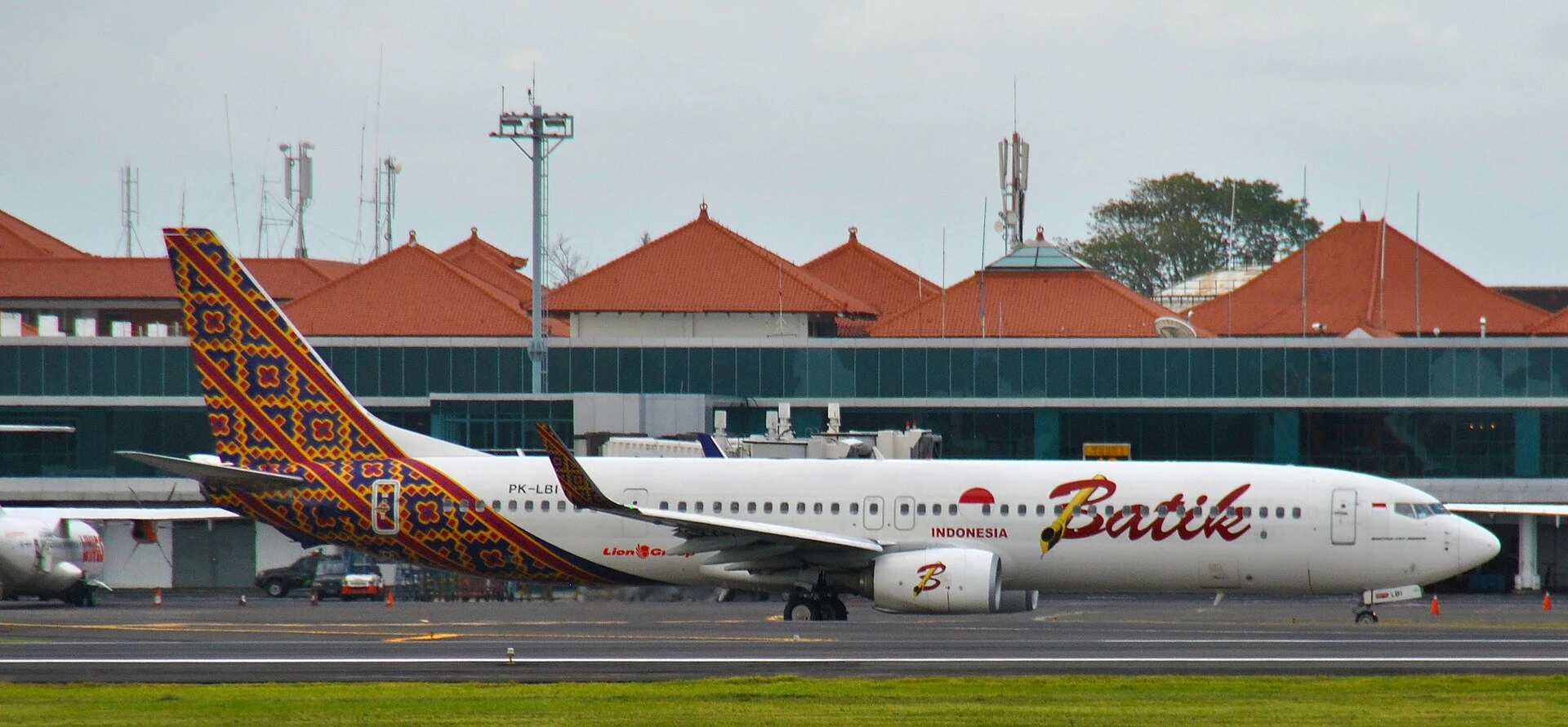
Batik Air 737 Seat Track Failed
Preliminary information indicates that the entire row of three seats was separated from the seat track system rather than experiencing a routine recline malfunction. Aircraft seats are bolted into floor-mounted tracks designed to withstand significant forward and rearward forces, particularly during takeoff and landing.
A failure of this nature is rare because seat tracks form part of the aircraft’s certified cabin safety structure. These components must meet strict regulatory standards to ensure passenger protection during acceleration, turbulence, and potential emergency landings.
Cabin crew quickly assessed the situation and relocated the passenger to another seat, as spare seating was available on the flight. The crew ensured that the dislodged row did not obstruct the aisle or emergency access paths.
The aircraft continued its departure safely, and no injuries were reported. The airline has launched an internal investigation to determine the technical cause.
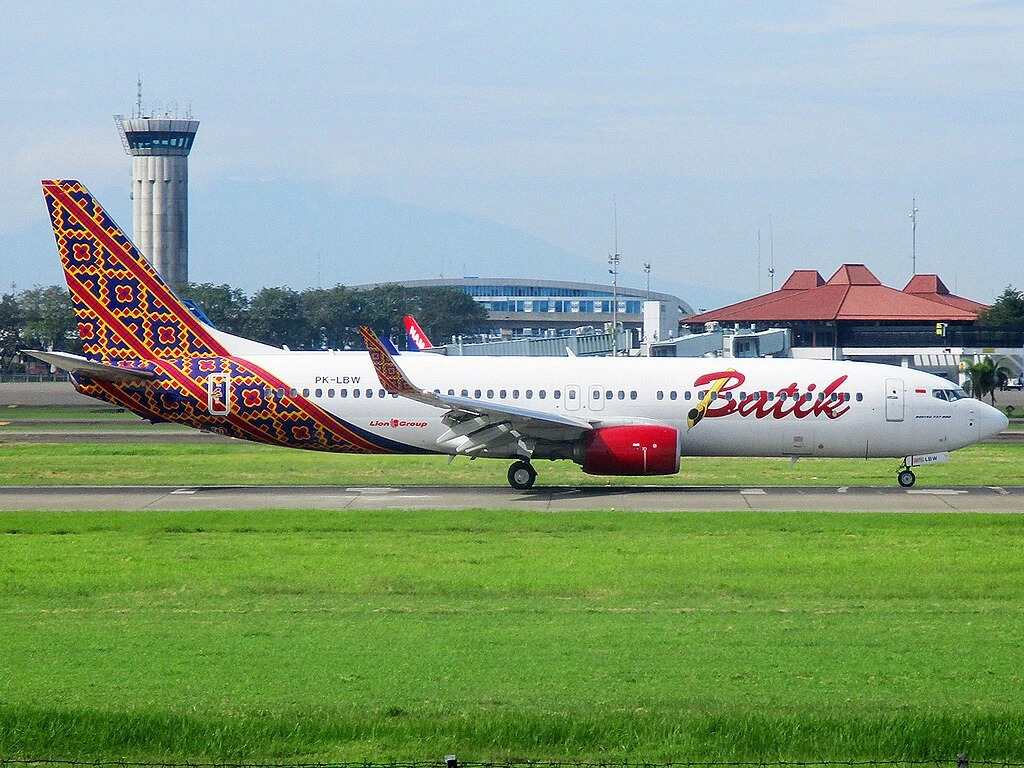
Batik’s Crew Response Protocol
Flight attendants are trained to manage a wide range of cabin equipment issues, including malfunctioning seat reclines, broken tray tables, or inoperative in-flight entertainment screens.
However, a complete seat row detachment presents a more serious structural concern that requires immediate attention.
According to PYOK, the crew prioritized passenger safety and stabilized the affected area before continuing normal cabin procedures. Standard operating procedures require crew members to document the issue and report it to maintenance teams upon arrival.
The airline has not disclosed whether the aircraft was withdrawn from service for inspection following the event. Maintenance teams are expected to examine the seat track assembly, mounting bolts, and surrounding floor panels.

Batik Air’s Safety Record
Batik Air operates more than 100 narrowbody aircraft, including Boeing 737 and Airbus A320 family jets, across domestic and regional routes. The airline forms part of Indonesia’s Lion Air Group and has previously faced scrutiny over operational incidents.
In January 2024, two pilots on a separate Batik Air Airbus A320 flight fell asleep during cruise, prompting regulatory review.
The airline also made headlines after authorities arrested a passenger who impersonated a flight attendant using a counterfeit uniform and identification badge.
While these events are unrelated, they have increased public attention on the airline’s operational oversight. Aviation safety experts note that seat track inspections are part of routine aircraft maintenance programs, particularly on high-cycle short-haul aircraft.
Regulators typically require airlines to conduct periodic cabin safety inspections to verify seat security and structural integrity. The outcome of Batik Air’s investigation will determine whether the issue resulted from improper installation, wear and tear, or another technical factor.
The aircraft involved in the seat incident completed its flight without further disruption. Authorities have not reported any additional safety concerns at this stage.
Stay tuned with us. Further, follow us on social media for the latest updates.
Join us on Telegram Group for the Latest Aviation Updates. Subsequently, follow us on Google News
