

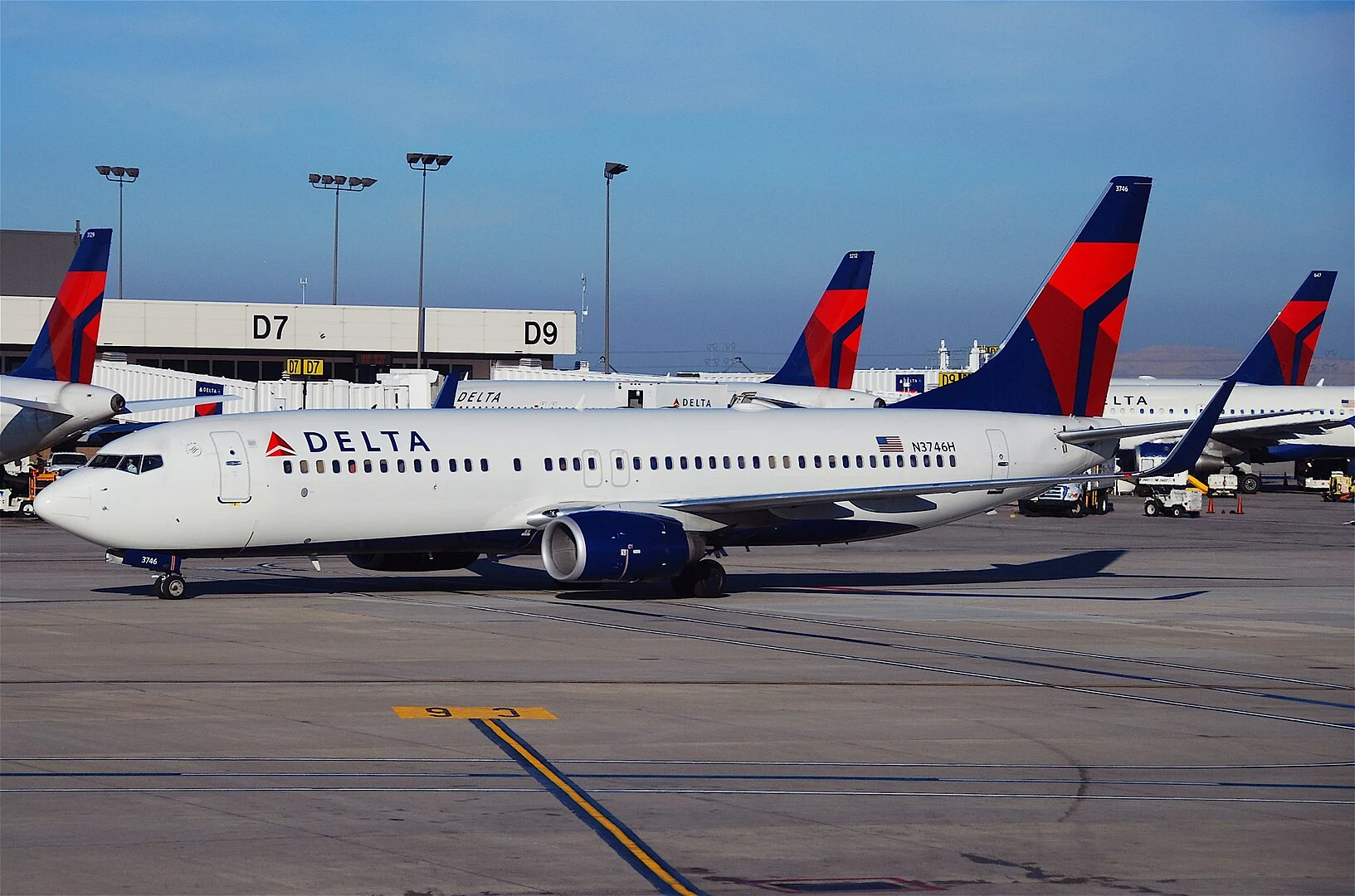
SAVANNAH– A Delta Air Lines (DL) Boeing 737-900 experienced an engine failure during takeoff at Savannah/Hilton Head International Airport (SAV) on February 22, triggering a wild grass fire and forcing an emergency landing. The aircraft, operating as Flight DL1067 to Atlanta, returned safely within minutes after flames were seen coming from one of its engines.
The incident occurred at approximately 6:45 pm as the aircraft accelerated down the runway for departure. Strong winds and dry ground conditions contributed to the rapid spread of flames in the grass adjacent to the runway, prompting a swift emergency response from airport fire crews.
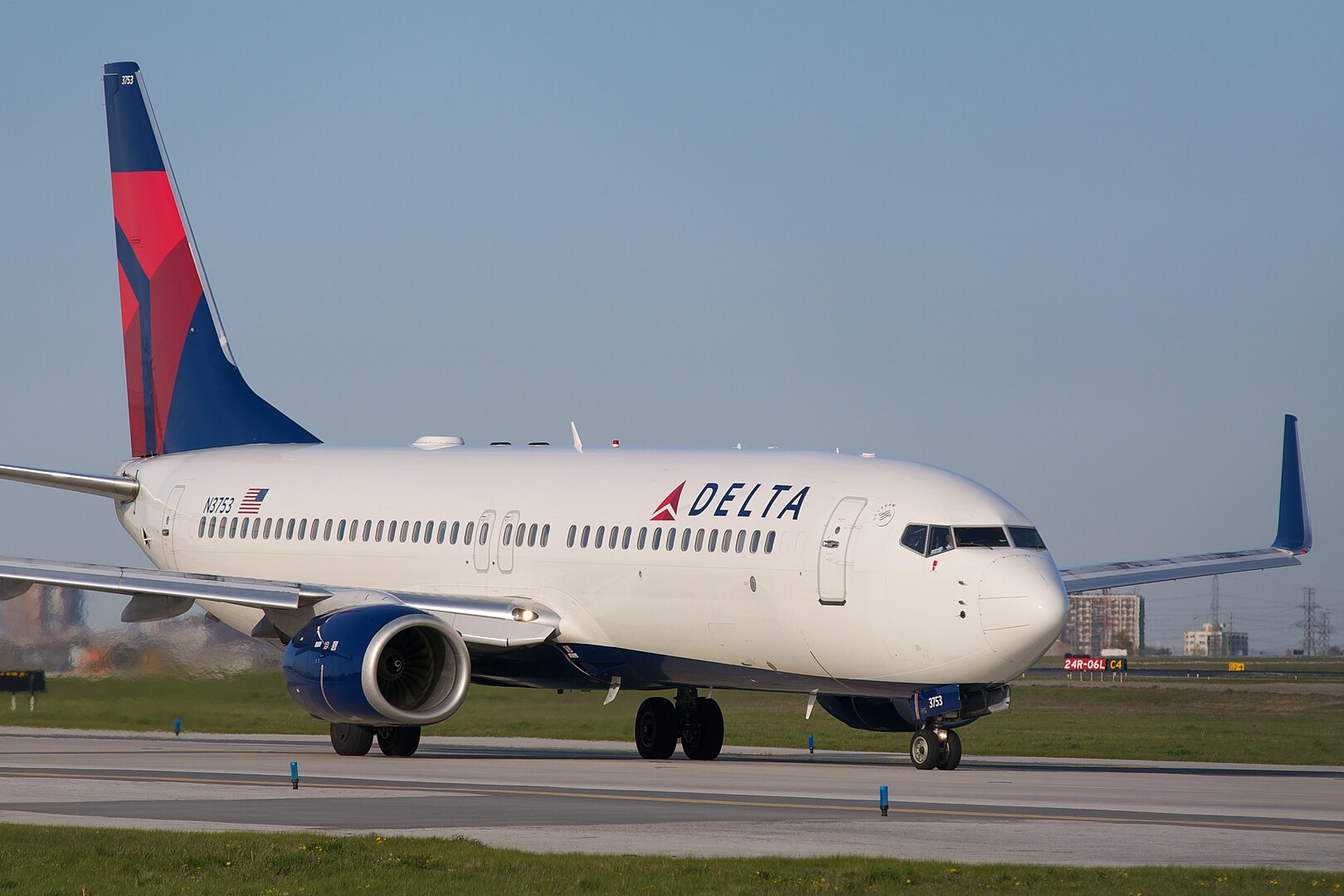
Delta’s Engine Failure Incident
According to passenger accounts, one of the aircraft’s CFM56 turbofan engines emitted a loud blast during takeoff, followed by visible flames. The aircraft had just begun its initial climb when the malfunction occurred.
Flight-tracking data indicate the jet climbed to just under 3,000 feet before the pilots initiated a return to Savannah. The crew executed a controlled loop and aligned the aircraft for an immediate landing back at SAV.
Passengers on board captured video footage showing flames spreading across the grassy area near the runway as the aircraft descended.
Despite the alarming visuals, the flight crew maintained calm communication and followed standard emergency procedures.
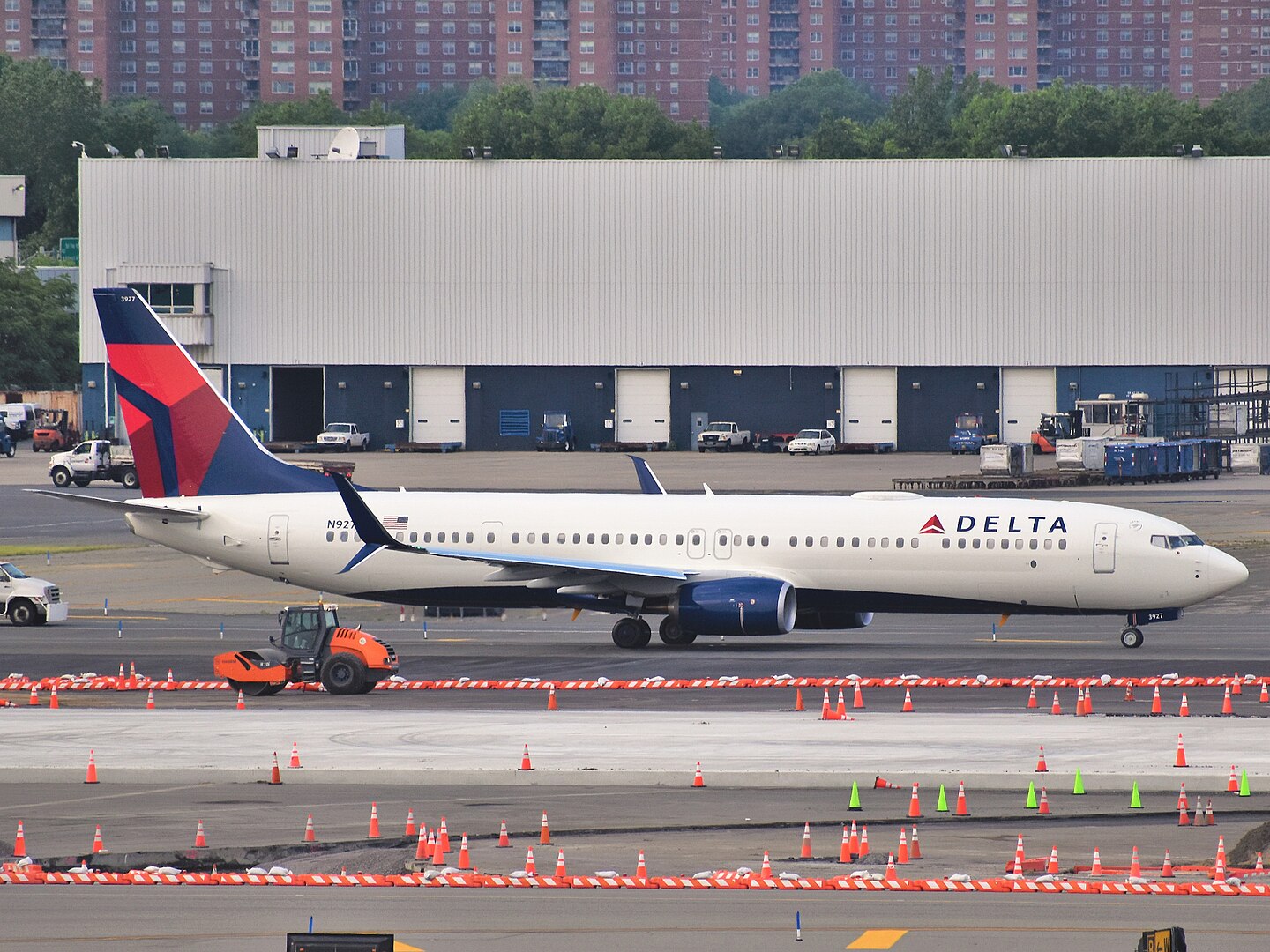
DL1067 Emergency Landing Response
The Boeing 737-900 landed safely only minutes after departure and was met by airport fire and rescue teams. Emergency vehicles positioned themselves along the runway as a precaution while the aircraft taxied back to the gate.
Delta confirmed that the aircraft experienced a mechanical issue involving its left engine. The airline stated that passengers deplaned normally at the gate and no injuries were reported.
The airline reiterated that safety remains its highest priority and said it was working to reaccommodate affected customers on alternative flights.
The return to the gate allowed maintenance teams to begin inspecting the aircraft promptly.
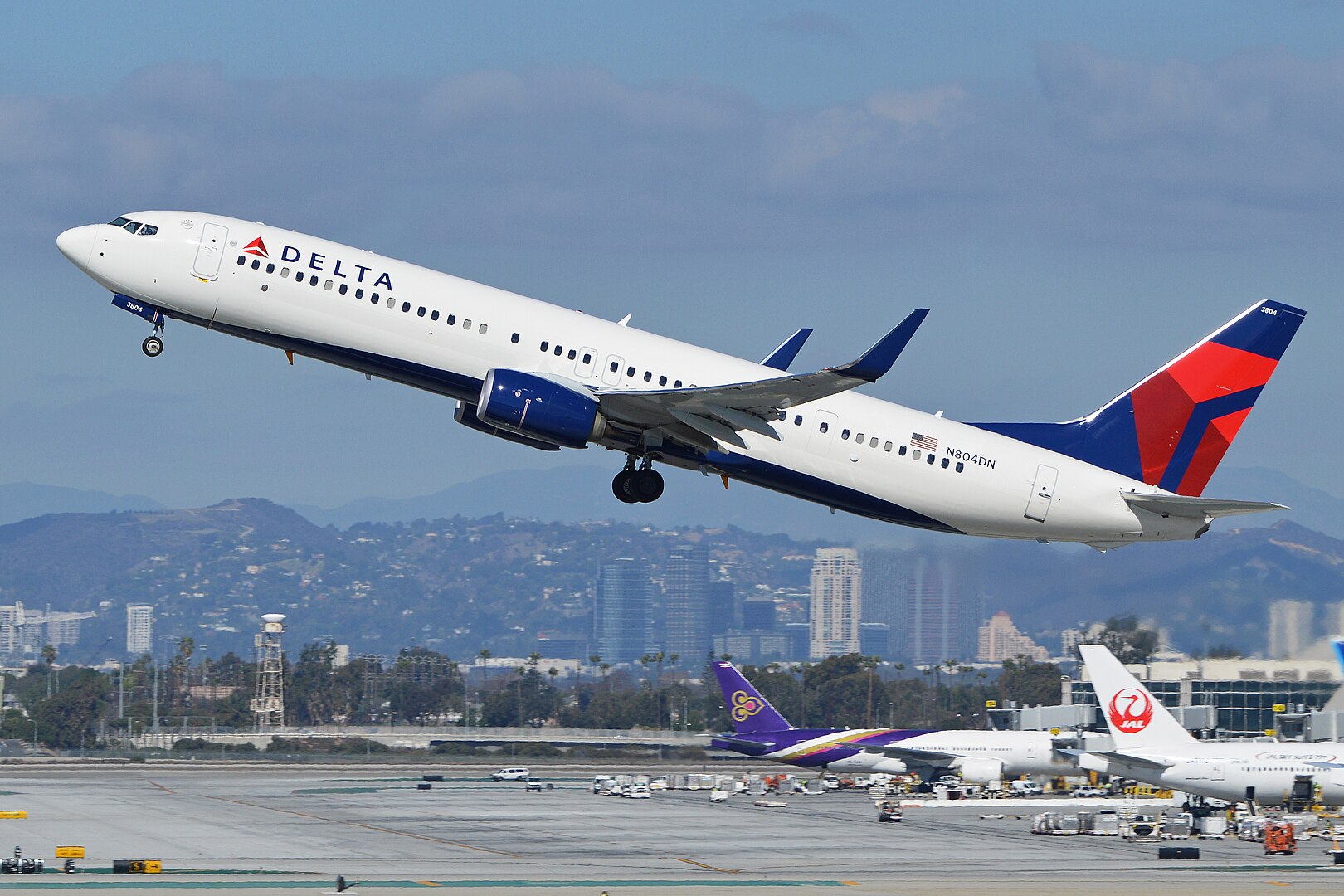
Delta’s Operational Disruptions
The emergency landing occurred amid broader operational challenges for Delta. Severe winter weather in the northeastern United States disrupted parts of the airline’s network on the same day.
Additionally, Delta experienced intermittent IT connectivity issues that affected check-in systems at certain airport gates and departure concourses. Gate agents in some locations manually processed passengers while systems were restored.
By the end of Sunday, flight tracking data showed 651 delayed flights across Delta’s network, representing approximately 19 percent of its scheduled operations, PYOK reported.
Around 45 flights were canceled, though the airline confirmed that the Savannah incident itself did not result in injuries or further operational escalation at the airport.
Airport authorities continued monitoring the grass fire, which was fueled by gusty winds. Fire crews worked to contain the blaze quickly to prevent further spread across the airfield property.
Stay tuned with us. Further, follow us on social media for the latest updates.
Join us on Telegram Group for the Latest Aviation Updates. Subsequently, follow us on Google News
