

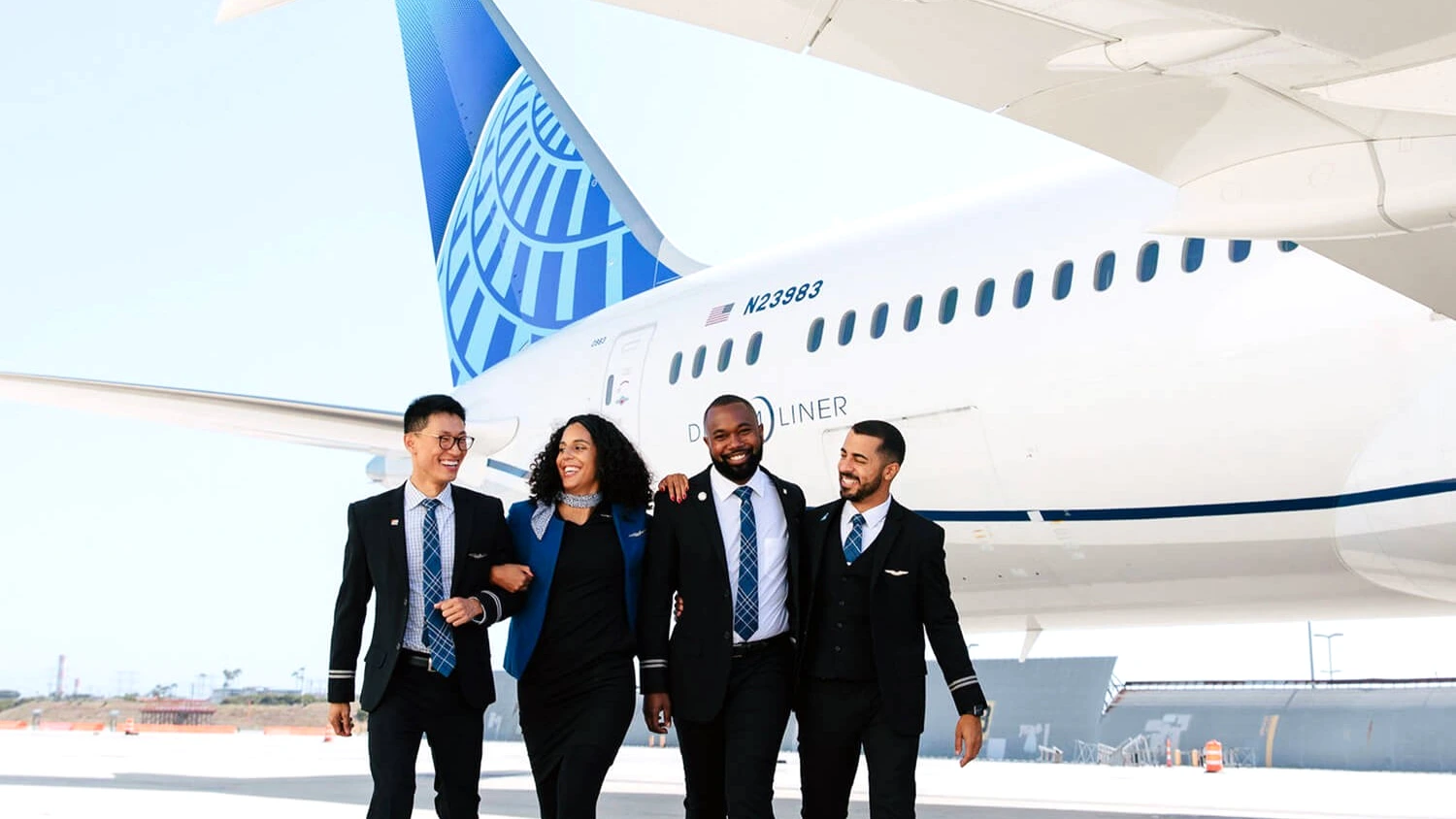
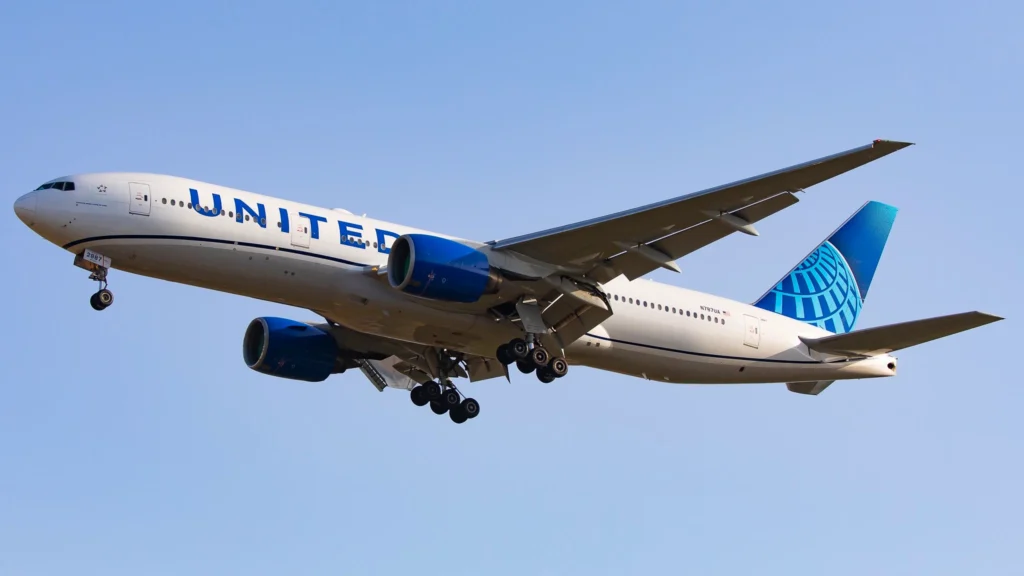
CHICAGO- United Airlines (UA) is using data analytics to target suspected sick leave abuse among flight attendants aggressively.
At O’Hare International Airport (ORD), crew members have been warned that digital activity patterns can lead to investigation and termination.
Sick leave abuse, alongside inappropriate social media posts, has become the number one reason for flight attendant terminations at the airline.
According to PYOK, management relies on internal systems to connect the dots between scheduling activity and subsequent sick calls.
How United Airlines Connects Sick Leave Patterns
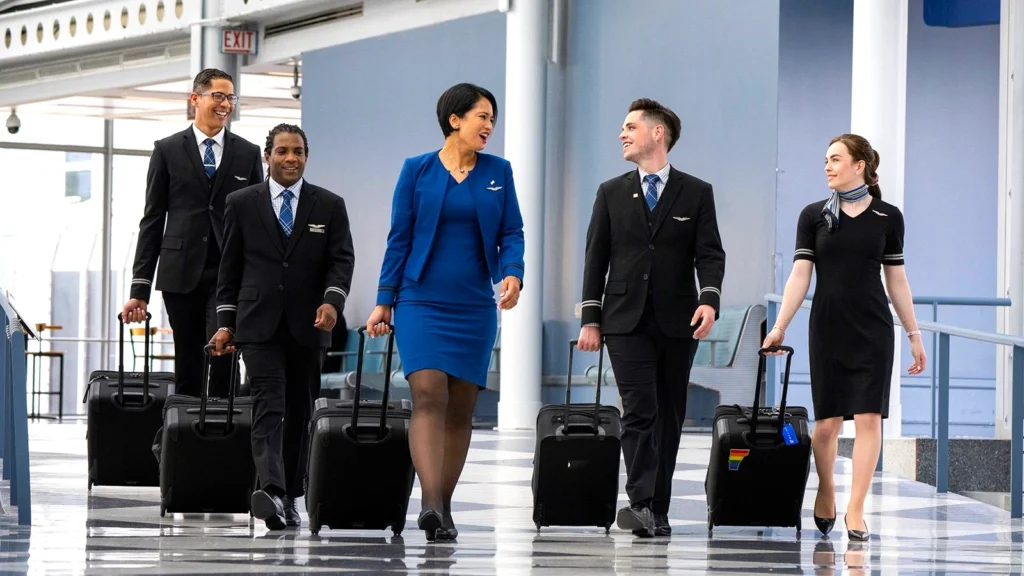
United Airlines reviews operational data generated through its crew scheduling systems to identify potential misuse of sick leave.
The airline does not rely on external surveillance. Instead, managers analyze trends that may indicate an attempt to avoid assigned duties.
For example, if a flight attendant attempts to swap a trip, requests time off that is later denied, and then calls in sick for that same duty period, the sequence may be flagged. The airline views such patterns as potential red flags.
Flight attendants have been warned that even legitimate attempts to adjust schedules before a sick call can be reviewed.
Management’s approach focuses on correlating internal data points to determine whether leave was misused.
The Association of Flight Attendants-CWA, which represents United’s cabin crew, argues that digital footprints do not always reflect intent to abuse sick leave.
The union states that legitimate medical events can create patterns that appear suspicious when viewed solely through data.
One example involves a crew member who takes a legitimate vacation but becomes ill with stomach flu and cannot fly home in time for his next assignment.
In such a case, the airline could interpret the sick call as an attempt to fraudulently extend time off.
Another scenario involves a flight attendant who disputes a trip assignment with crew scheduling and later suffers an injury, such as cutting herself, that prevents her from working.
If the sick call follows the dispute, the system may flag it as suspicious even though the injury is genuine.
The union maintains that context and medical evidence must be considered before disciplinary action is taken.
Doctor’s Notes, Arbitration, and Weekend Policies
In July 2024, United faced criticism after requiring flight attendants to obtain a doctor’s note for weekend sick calls.
The policy followed a surge in weekend sick reports. The union described the requirement as reprehensible and filed an official grievance.
An independent arbitrator ultimately ruled in favor of the airline. The arbitrator determined that United has the authority to require medical documentation when there is evidence of “abuse or misuse of sick leave.”
United advises crew members to seek professional medical care and secure documentation whenever illness prevents them from working.
Proper documentation may reduce the risk of termination when data patterns raise concerns.
FMLA Documentation and Notice Requirements
United has also faced allegations of intimidating flight attendants from using federally protected leave under the Family and Medical Leave Act. Critics claim the airline demanded “substantial medical facts” to support FMLA applications.
Even when leave qualifies as legitimate, United requires at least eight hours’ notice for a sick call when possible.
Failure to provide adequate notice can result in a performance warning that may potentially end a career.
The airline maintains that attendance reliability is critical to maintaining safe and efficient operations.
Industry Context and Operational Reality
Strict sick leave monitoring is common across the aviation sector and in other industries. Airlines operate within tight scheduling networks where unexpected crew absences can disrupt multiple flights.
Unlike office employees, flight attendants cannot work remotely. Reliability standards are therefore enforced more strictly. Many airlines apply additional scrutiny during major holidays or peak travel periods.
For comparison, Emirates (EK), headquartered in Dubai, requires flight attendants who report sick to attend its in house medical center for verification.
While United’s approach aligns with broader industry practices, the scale of data driven oversight and the resulting terminations have intensified labor tensions.
Balancing Analytics and Fairness
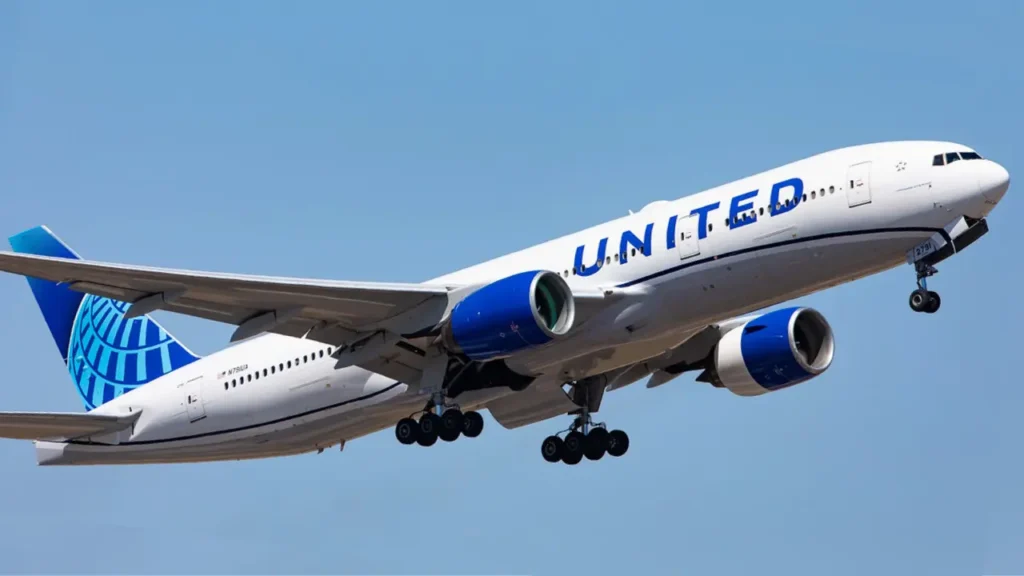
United Airlines asserts that data analytics help protect operational integrity by identifying misuse patterns. The union argues that a rigid interpretation of digital records can misclassify legitimate illness.
The central issue involves balancing operational reliability with fair treatment of employees. As technology plays a larger role in workforce oversight, the debate over sick leave enforcement is likely to remain a defining labor issue within the airline.
Stay tuned with us. Further, follow us on social media for the latest updates.
Join us on Telegram Group for the Latest Aviation Updates. Subsequently, follow us on Google News
