

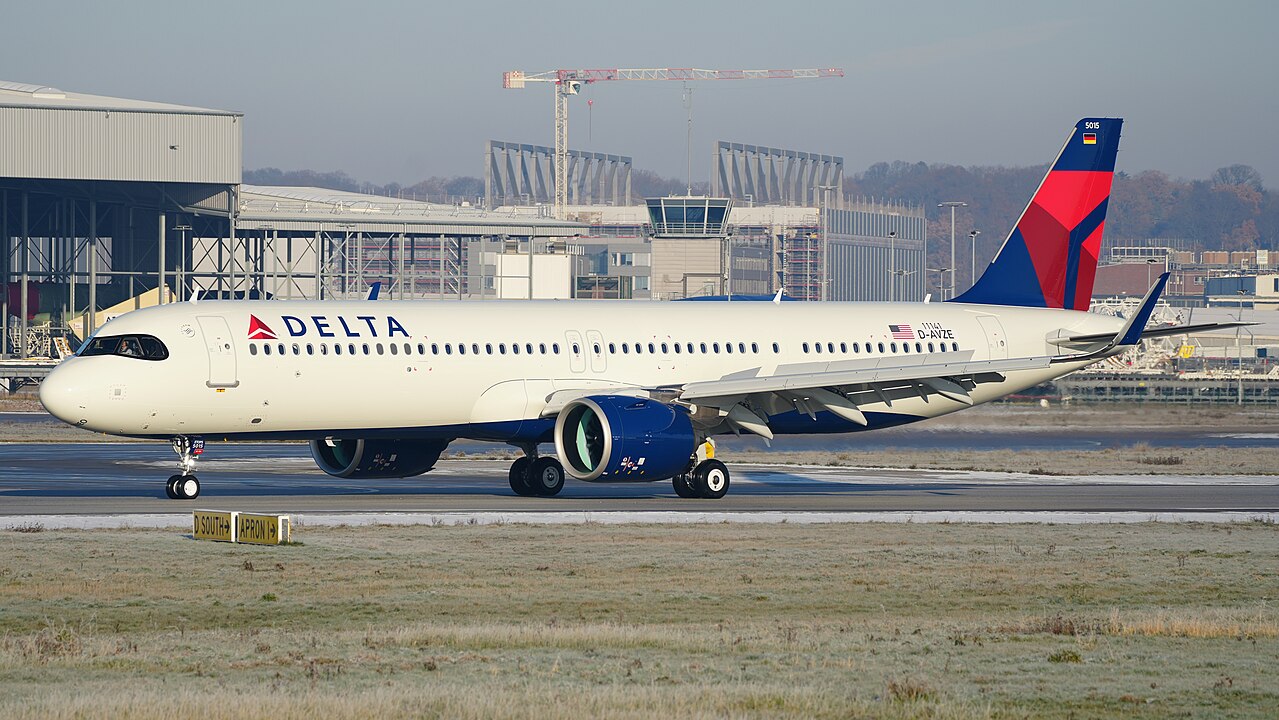
ATLANTA- A tense radio exchange occurred at New York Airport (JFK) between Delta Air Lines (DL) and tower control after a taxiway error.
The incident involved Delta Air Lines flight DL806 operating from New York JFK to Las Vegas (LAS).
The disagreement followed a wrong turn during the taxi and quickly escalated in frequency. The audio, published by the YouTube channel ATC AUDIO and reported by OMAAT, drew attention within the aviation community.
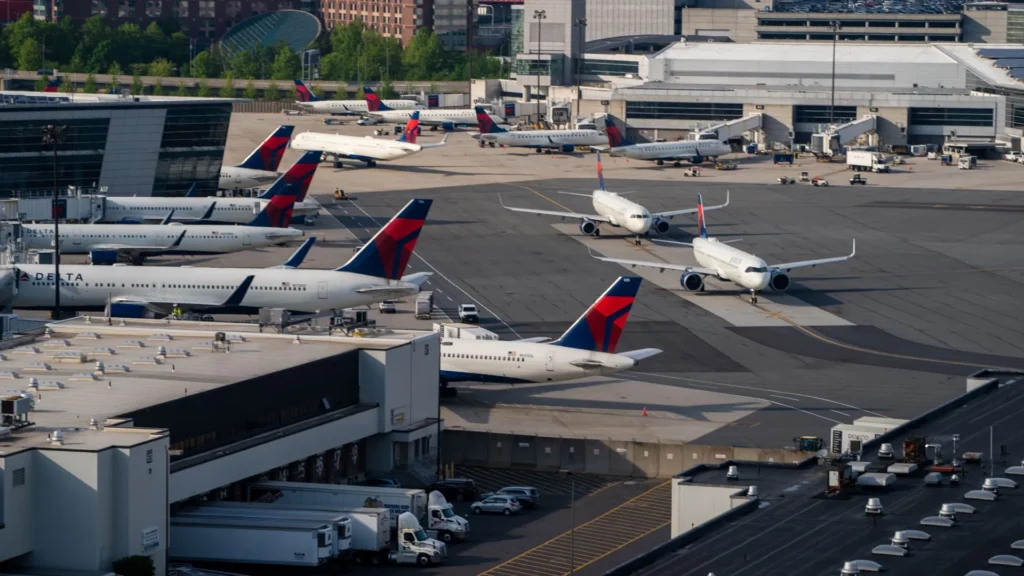
Delta Air Lines JFK ATC Exchange
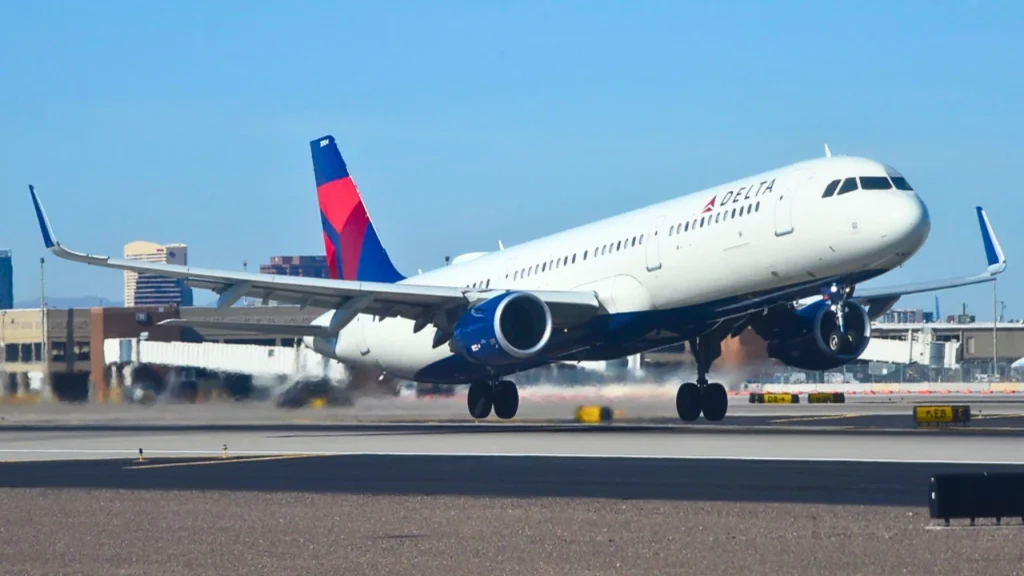
On February 19, 2026, Delta Air Lines (DL) flight DL806, operated by an Airbus A321neo, was preparing for departure from New York JFK to Las Vegas.
Ground control instructed the crew: “Delta 806, behind the second JetBlue off your left, you can taxi to 4L via right on Bravo and hold short of Juliet.”
The flight crew read back the clearance correctly, confirming the right turn onto Bravo and the hold short instruction. Moments later, the aircraft mistakenly turned right onto taxiway Alpha instead of Bravo.
Both taxiways were aligned in the same direction, and no conflicting traffic was present. While the deviation did not create an immediate hazard, it required correction under standard surface movement procedures.
The controller responded sharply: “Delta 806, that’s crazy, hold your position.” The pilot complied and acknowledged the error, replying, “Delta 806, I made a mistake, don’t freak out on me. If you want, I can make the U-turn and go wherever you want. I make mistakes.”
The controller rejected that suggestion and escalated the tone: “Oh no, no, no, we’re not gonna do that.
You’re not gonna play the victim here when nobody has started crashing out. Delta 806, continue Alpha, hold short of Kilo Echo.”
The aircraft taxied as instructed. After reaching the hold point, the pilot added, “Delta 806, are we just sitting here until we miss our EDCT, cause you’re so mad at me?” EDCT refers to Expect Departure Clearance Time, which is the assigned slot time for departure under traffic flow management programs.
Missing an EDCT can cause operational delays and require re-sequencing.
The controller responded firmly: “Delta 806, one more comment from you that has nothing to do with air traffic, you’re gonna get a phone number to the tower and my supervisor.
Do not be doing this on this frequency, do you understand me?” The aircraft departed a few minutes later without further incident.
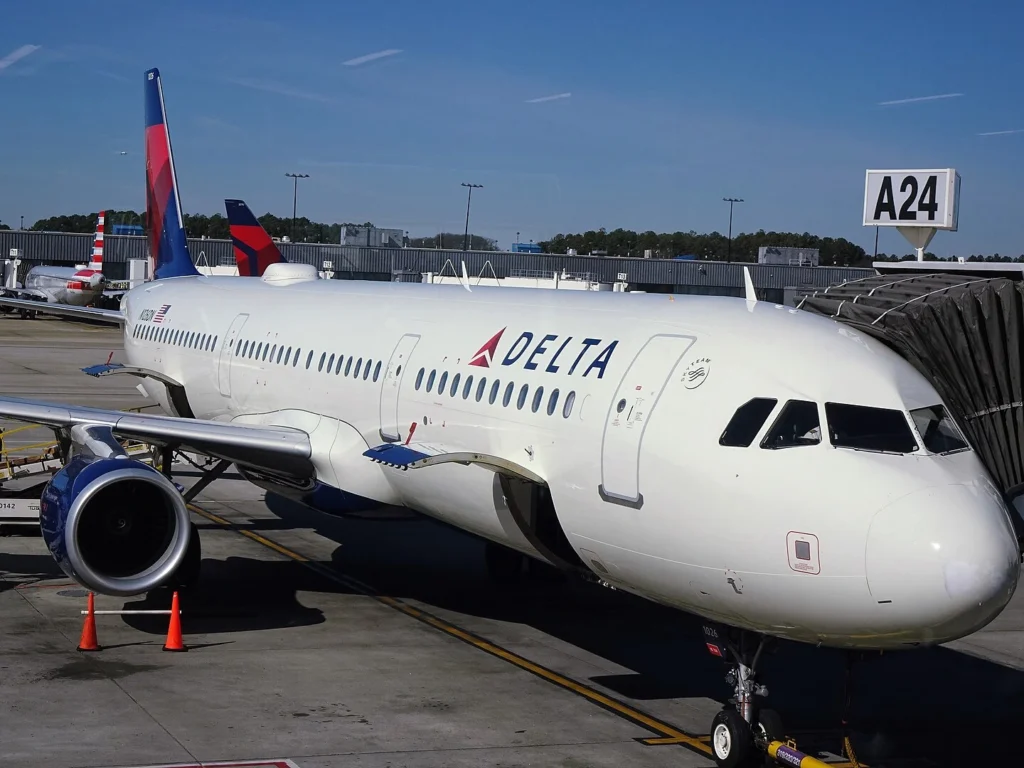
Communication Standards
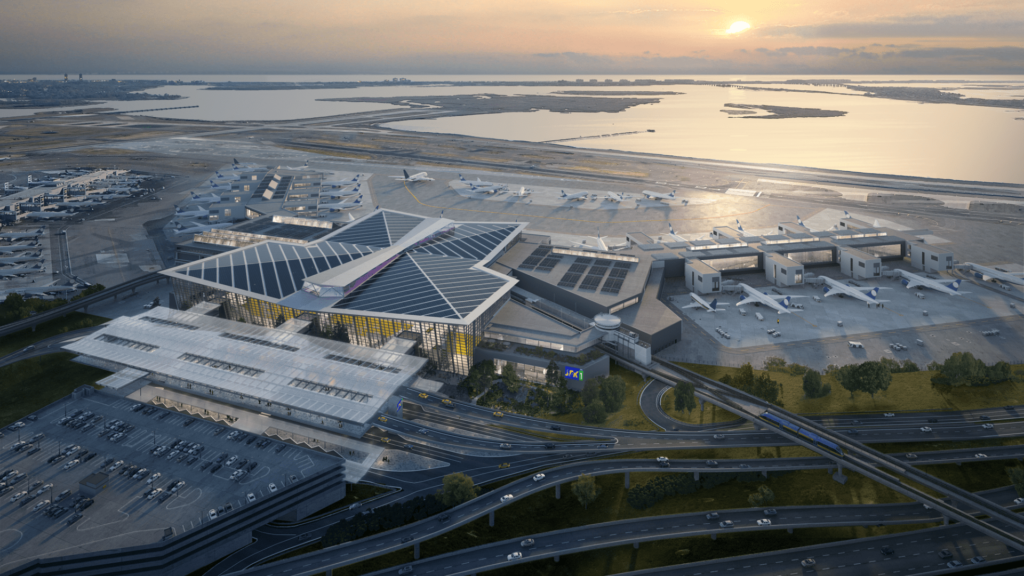
John F. Kennedy International Airport (JFK) operates in one of the most complex airspace environments in the United States.
Controllers manage heavy departure banks, intersecting taxiways, and runway crossings. Taxi instructions are delivered rapidly to maintain traffic flow.
Pilots are required to follow clearances precisely and confirm via accurate readback. A wrong turn, even without traffic conflict, increases controller workload and can disrupt sequencing. Immediate correction is standard practice.
However, aviation communication standards emphasize calm, concise, and professional phraseology. Emotional commentary on frequency can distract other crews monitoring the channel.
Both Air Traffic Resource Management and Crew Resource Management frameworks stress disciplined communication to preserve situational awareness.
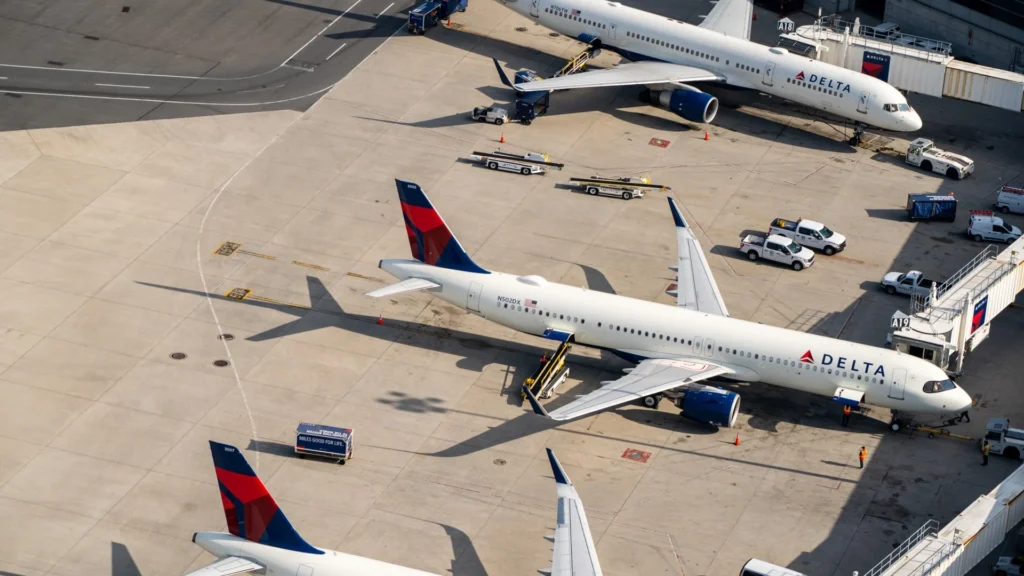
Reputation of the JFK Controller
The controller involved in this exchange has appeared in numerous widely circulated recordings. JFK controllers are known for direct and fast-paced communication, yet this individual has gained particular notoriety for sharp remarks.
Many viral clips involve foreign carriers navigating JFK’s complex taxi layout, sometimes with language barriers.
Controllers work the same airfield daily and develop deep familiarity with every taxiway and hold short point.
Pilots operate at many airports worldwide and may encounter unfamiliar layouts. This difference in perspective can contribute to minor ground navigation errors.
In this case, the pilot admitted the mistake immediately. The initial operational correction could have ended the exchange. Instead, tone and defensive remarks prolonged the interaction.
Operational Outcome and Safety Assessment
No runway incursion or traffic conflict occurred. The aircraft remained separated from other traffic and complied with revised instructions. The departure proceeded shortly afterward within the active flow.
The incident illustrates how minor deviations can escalate when communication shifts from operational correction to personal reaction.
High workload environments require precision, but professionalism remains central to aviation safety.
Conclusion
The exchange between Delta Air Lines (DL) flight DL806 and a JFK controller began with a taxiway error and evolved into a tense on-frequency dispute. The pilot acknowledged the wrong turn, and the controller corrected the deviation.
Emotional phrasing from both sides extended the exchange beyond operational necessity. The aircraft ultimately departed safely, reinforcing that disciplined communication is essential in complex airport environments.
Stay tuned with us. Further, follow us on social media for the latest updates.
Join us on Telegram Group for the Latest Aviation Updates. Subsequently, follow us on Google News
