

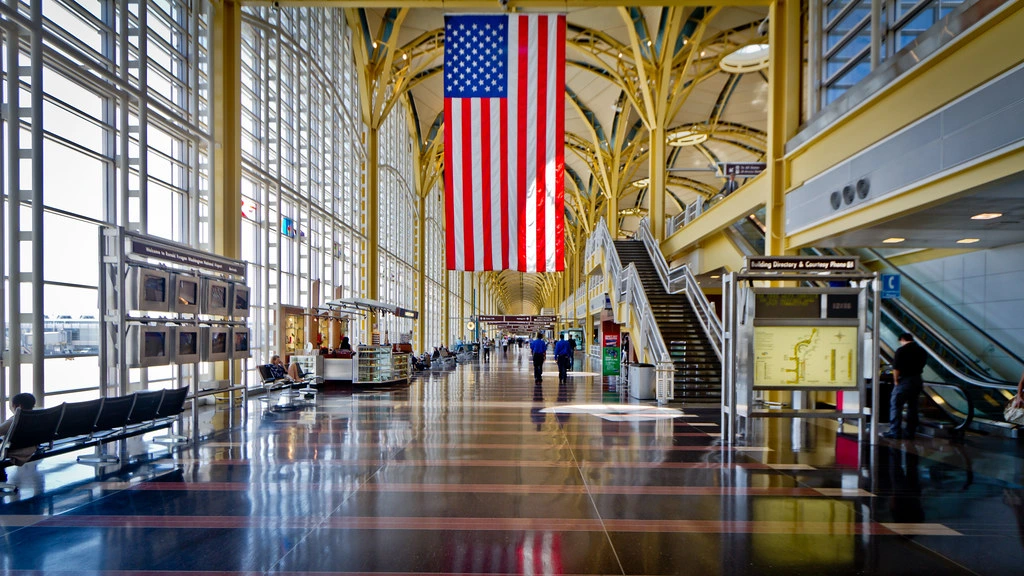
WASHINGTON- The Trump administration has suspended the TSA PreCheck and Global Entry programs nationwide, citing staffing concerns during a partial government shutdown.
The decision affects expedited screening at major hubs such as American Airlines (AA) at Dallas Fort Worth International Airport (DFW) and Delta Air Lines (DL) at Hartsfield-Jackson Atlanta International Airport (ATL), disrupting travel for pre-approved passengers.
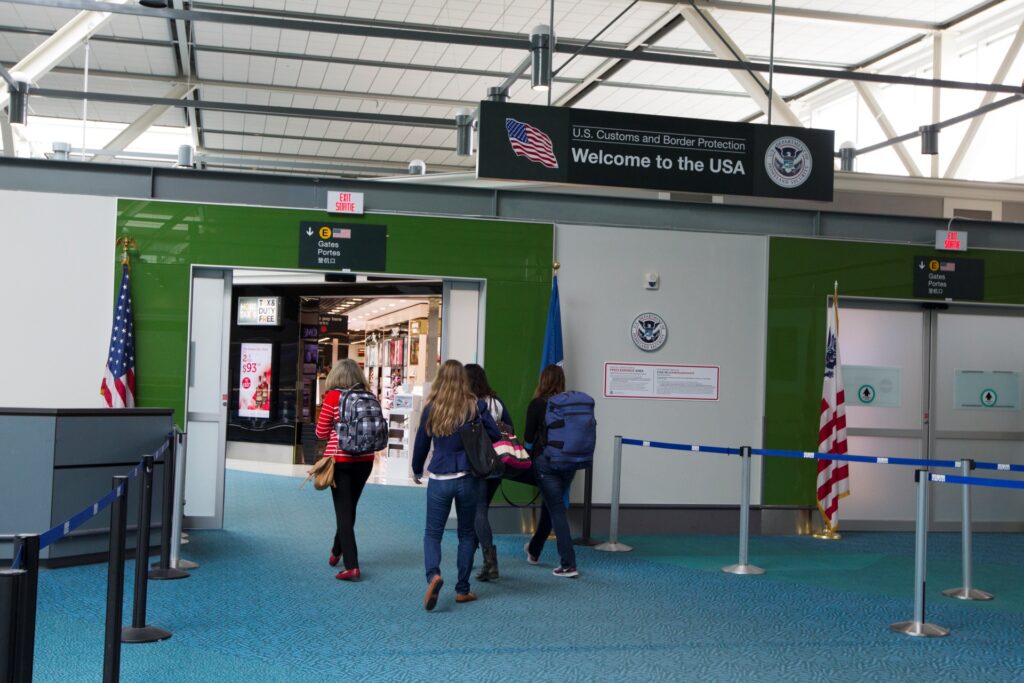
TSA PreCheck and Global Entry Suspended
The United States Department of Homeland Security (DHS) confirmed that TSA PreCheck and Global Entry were suspended effective 6:00 AM ET on February 22, 2026. The suspension applies not only to new enrollments but also to active use of both programs.
The move comes amid a partial government shutdown linked to a funding dispute between the White House and congressional Democrats over immigration policy and broader DHS operations. During shutdowns, some federal employees work without pay, which can lead to staffing shortages and operational strain.
Homeland Security Secretary Kristi Noem stated that shutdowns have serious real-world consequences and that TSA and Customs and Border Protection are prioritizing the general traveling public by suspending special privilege escorts.
Democratic members of the House Committee on Homeland Security criticized the decision, arguing that the administration is undermining programs designed to enhance both efficiency and security, OMAAT reported.
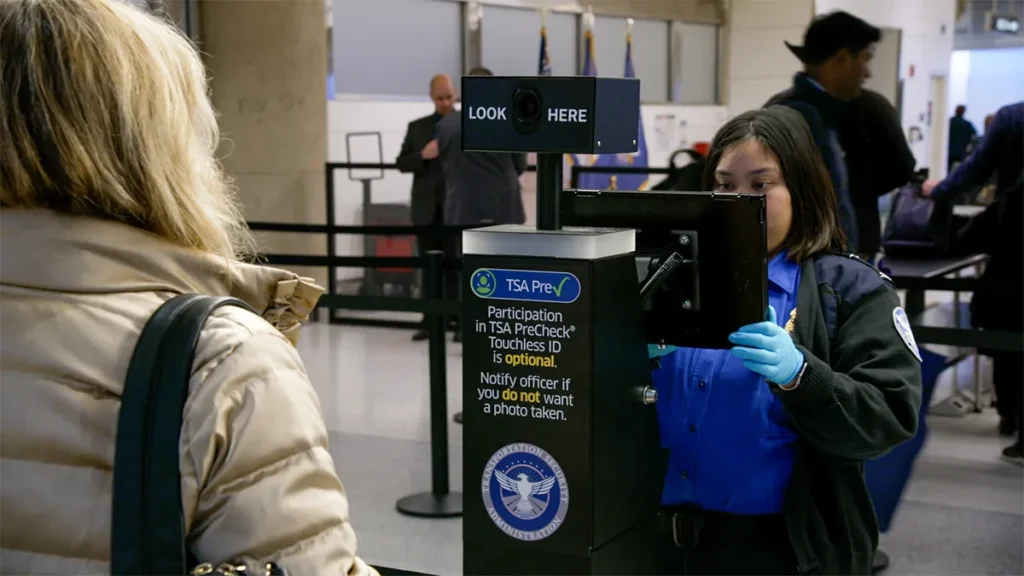
Operational Impact on Airport Screening
TSA PreCheck allows pre-screened travelers to move through dedicated lanes with reduced screening requirements. Participants typically keep shoes and light jackets on and leave approved electronics and liquids in their bags. These adjustments significantly reduce processing time per passenger.
Global Entry provides expedited immigration clearance for approved low-risk international travelers. Most of the inspection process is automated through kiosks, limiting the need for direct officer interaction.
From an operational standpoint, both programs improve throughput. PreCheck lanes process more passengers per hour than standard lanes because screening procedures are simplified. Global Entry kiosks similarly reduce officer workload at passport control.
If staffing levels are constrained, removing faster screening channels increases the average processing time per traveler. A system where all passengers undergo full screening requires more labor hours than one where a portion of travelers move through expedited lanes. The suspension, therefore, concentrates the workload rather than easing it.

Political Context and Administrative Rationale
The administration attributes the suspension to the partial shutdown and related staffing uncertainties. Officials argue that resources must be focused on the general traveling population.
Critics counter that expedited programs are not luxury services but efficiency tools embedded in airport operations.
PreCheck and Global Entry are funded in part by user fees, and participants undergo background checks before approval. Their structured risk-based model was designed to allocate security resources more effectively, not divert them.
The broader dispute centers on DHS funding and immigration enforcement priorities. However, the immediate effect is operational. Travelers who paid for trusted traveler status temporarily lose access to the time-saving benefits associated with these programs.
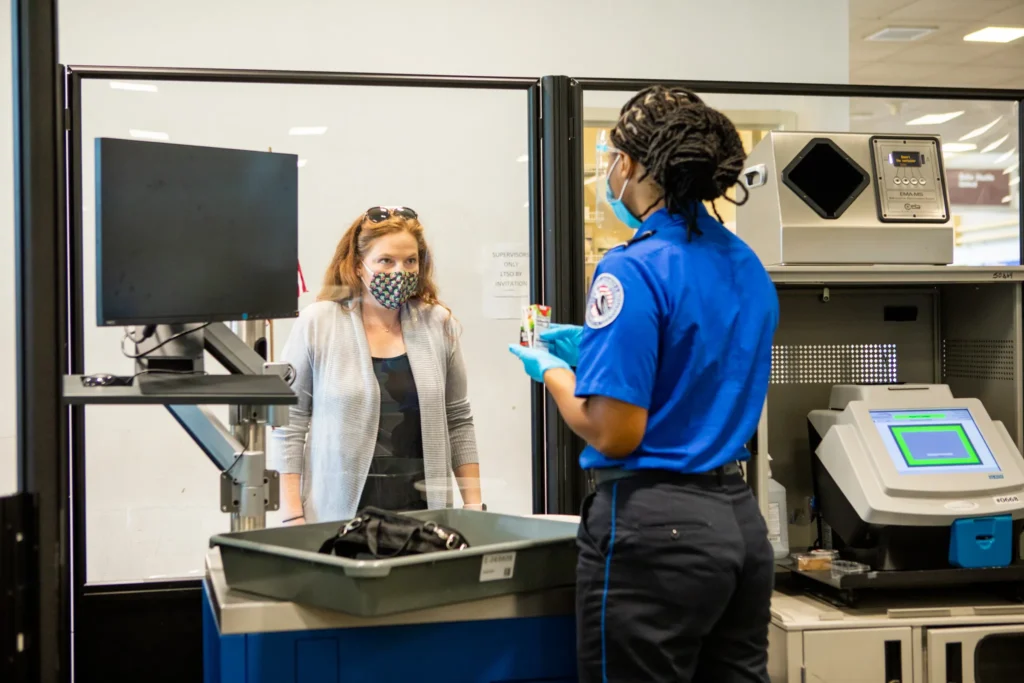
Implications for Travelers
The suspension increases wait times at airport security checkpoints and international arrivals halls. Airports with high enrollment rates in PreCheck and Global Entry may experience the most noticeable congestion.
Airlines and airports must adjust staffing models and passenger flow management. Peak travel periods could see extended queues, especially at large hubs where expedited lanes handle a significant share of throughput.
The situation remains subject to change depending on federal budget negotiations. Until funding issues are resolved, expedited screening services remain inactive nationwide.

Bottom Line
The Trump administration suspended TSA PreCheck and Global Entry during a partial government shutdown, citing staffing priorities.
Operational data suggests these programs reduce screening time and improve efficiency, meaning their removal may increase congestion rather than relieve it.
Stay tuned with us. Further, follow us on social media for the latest updates.
Join us on Telegram Group for the Latest Aviation Updates. Subsequently, follow us on Google News
