

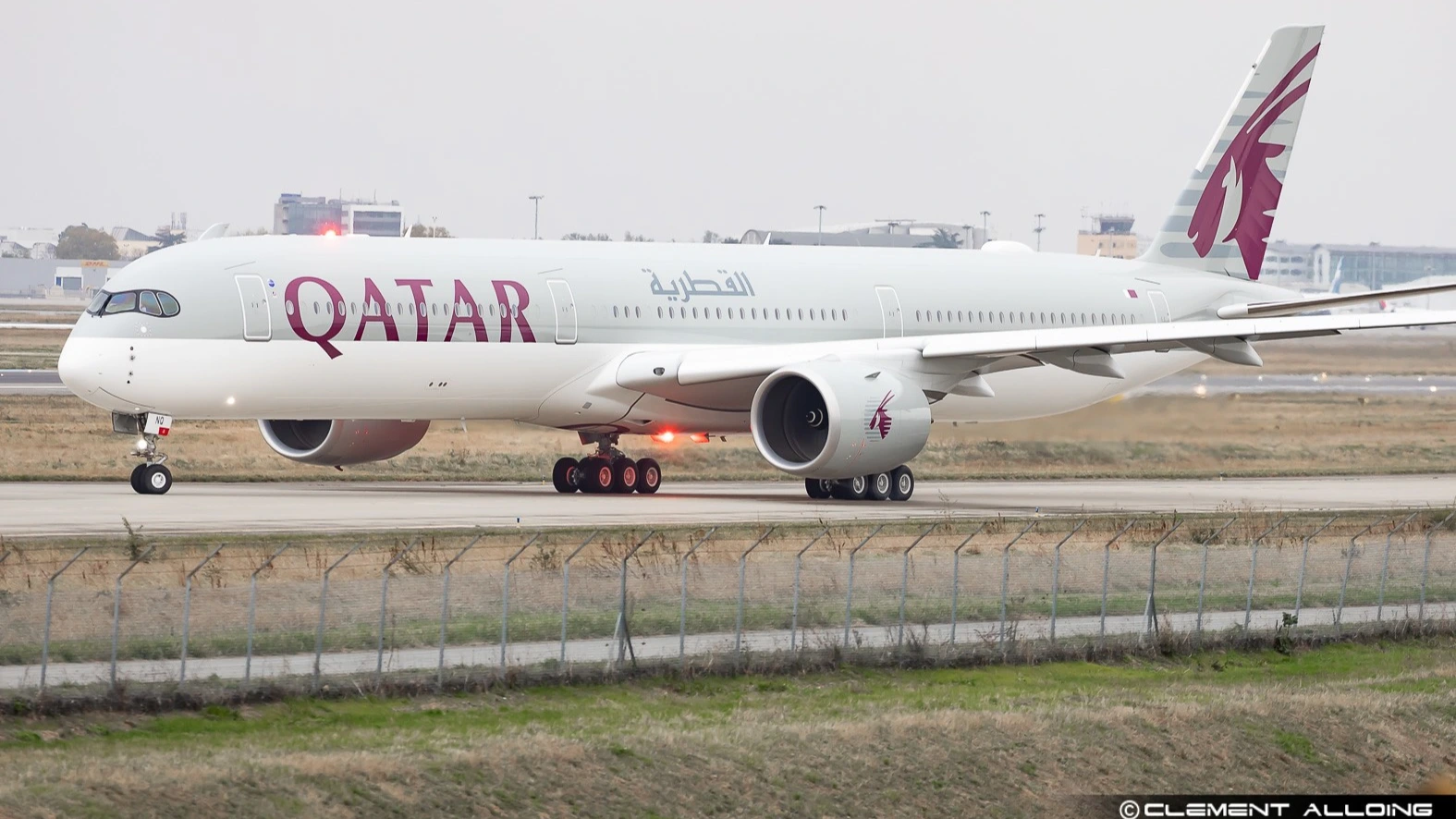
DOHA- Qatar Airways (QR) operates from Hamad International Airport (DOH) and is repositioning its fleet strategy under new Chief Executive Hamad Al-Khater, 40.
Appointed in December as the airline’s second CEO in three years, Al-Khater made restoring ties with Airbus SE a top priority.
In his first interview since taking office, Al-Khater confirmed that his first overseas trip was to Airbus headquarters in Toulouse, France.
According to Bloomberg, the January meeting with Airbus CEO Guillaume Faury focused on delivery schedules, technical coordination, and long-term partnership stability.
Rebuilding a Critical Aircraft Partnership
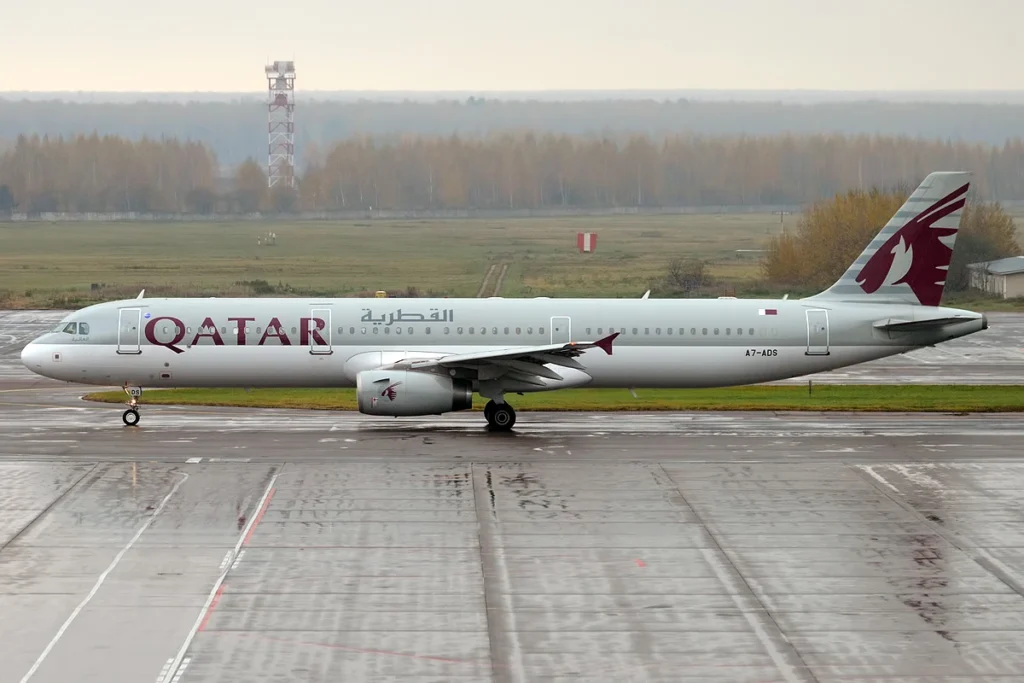
Airbus aircraft were among the first to enter Qatar Airways’ (QR) fleet and now represent roughly half of its total aircraft.
The airline has more than 60 Airbus jets on order and expects deliveries of additional A350 widebodies and A321LR narrowbodies this year.
The relationship deteriorated in 2022 when Qatar Airways raised concerns about flaking paint on its A350 aircraft.
Airbus disputed responsibility for the surface degradation. The conflict escalated into legal action, and Airbus retaliated by canceling Qatar’s orders for the sold-out A321 program.
The dispute drew political attention. Emmanuel Macron discussed the issue with Tamim bin Hamad Al Thani during a visit to Doha.
The disagreement strained commercial and diplomatic channels before both parties reached a settlement in 2023. The A321 orders were reinstated following the agreement.
Al-Khater described his meeting with Faury as “brilliant” and “fantastic.” Faury later accompanied German Chancellor Friedrich Merz to Qatar, where the two executives held a follow-up lunch, reinforcing renewed cooperation.
Although Qatar Airways has not placed additional Airbus orders since the settlement, it continues to rely heavily on Airbus aircraft for both narrowbody and widebody operations.
A321LR Deliveries and Network Impact
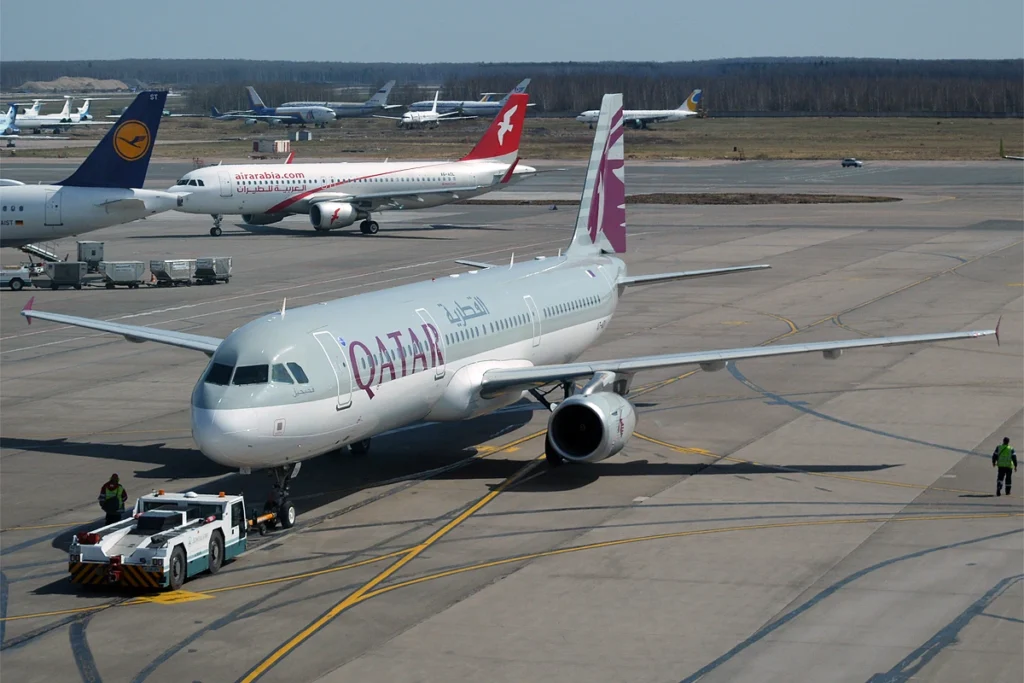
The airline expects the first batch of A321 aircraft to arrive in the fourth quarter. These narrowbody jets will feature new business and economy cabin configurations.
Al-Khater described the aircraft as a “game changer” for network strategy. The A321LR will allow Qatar Airways to serve secondary European destinations and emerging cities in China more efficiently while preserving widebody capacity for long-haul routes.
Fleet harmonization remains a priority. The airline maintains an average fleet age of about 10 years.
Older aircraft are considered outliers and will be phased out gradually as the carrier expands toward nearly 400 aircraft by 2040. Management continues a continuous evaluation of aircraft orders to align supply with demand.
Engine Reliability and Manufacturer Coordination
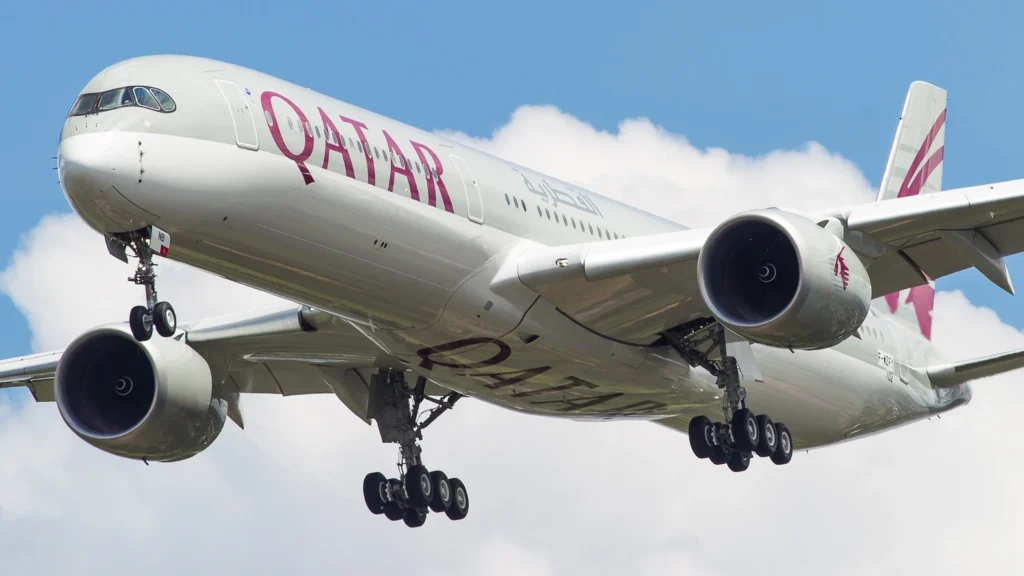
The Airbus A350-1000 fleet operates with XWB-97 engines produced by Rolls-Royce Holdings. The engine variant has faced durability criticism within the industry.
Tim Clark, president of Emirates, publicly criticized the engine’s performance and declined to order Airbus’s largest production aircraft because of reliability concerns.
Rolls-Royce representatives recently visited Doha to review performance data and reassure Qatar Airways.
Al-Khater acknowledged a “slightly acute challenge” with the engine but stated that the airline remains in a safe operational position. Ongoing technical collaboration continues to address durability improvements.
Expanding Boeing Commitments
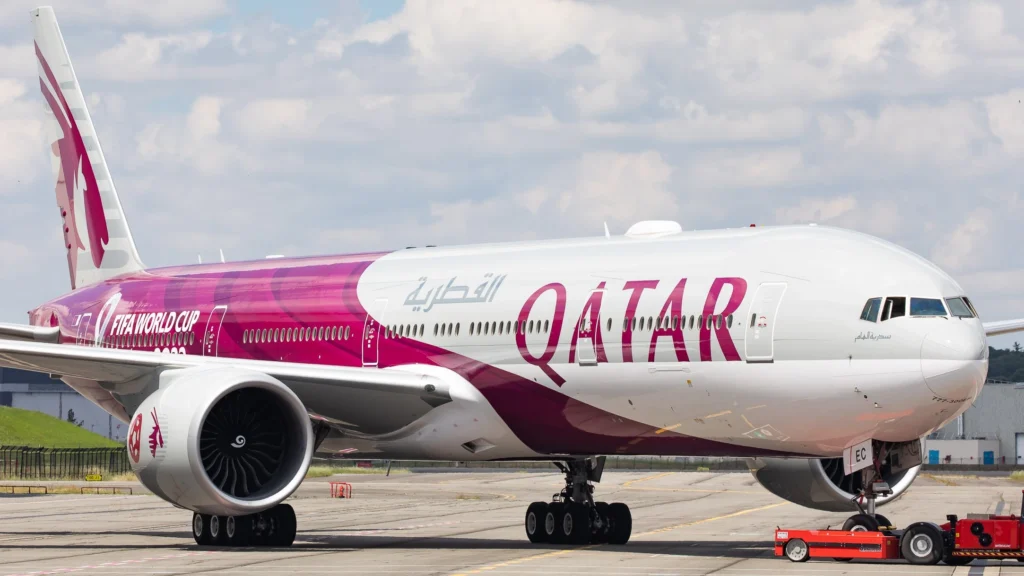
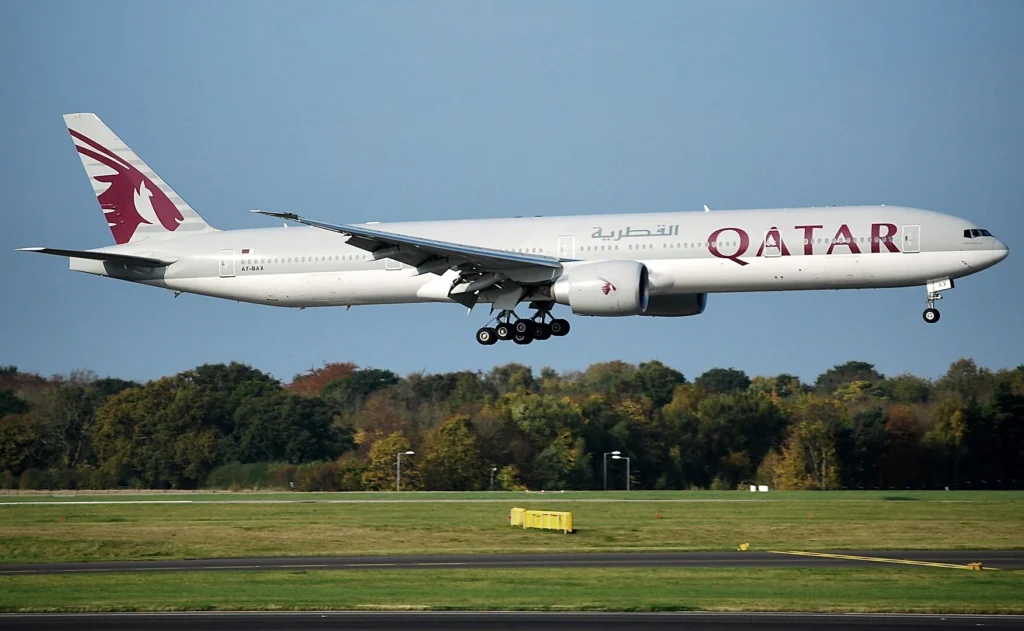
While stabilizing Airbus relations, Qatar Airways expanded its partnership with Boeing. During US President Donald Trump’s Middle East visit in May last year, the airline placed a record order for 210 twin-aisle aircraft, including the 777X program.
The carrier expects the first batch of Boeing 777X jets next year. Al-Khater cited improved leadership under Boeing CEO Kelly Ortberg as providing stronger assurances on delivery reliability.
Strategic Outlook
Before becoming CEO, Al-Khater served as Chief Operating Officer at Hamad International Airport and previously worked for more than eight years at QatarEnergy on large national and global projects.
Doha handled 55 million passengers last year, reflecting sustained demand through its hub. The airline identifies India, described by leadership as insatiable in demand growth, along with Australia, Africa, and Gulf states, as priority markets.
Governments across the Gulf are investing billions of dollars to diversify economies away from oil dependency and develop tourism, commercial, and financial hubs.
Qatar Airways positions its fleet expansion to capture premium transit and point-to-point demand generated by this transformation.
Under Al-Khater’s leadership, the airline is balancing aircraft manufacturer relationships, delivery timelines, and disciplined capacity growth to secure long-term competitive strength.
Stay tuned with us. Further, follow us on social media for the latest updates.
Join us on Telegram Group for the Latest Aviation Updates. Subsequently, follow us on Google News
