

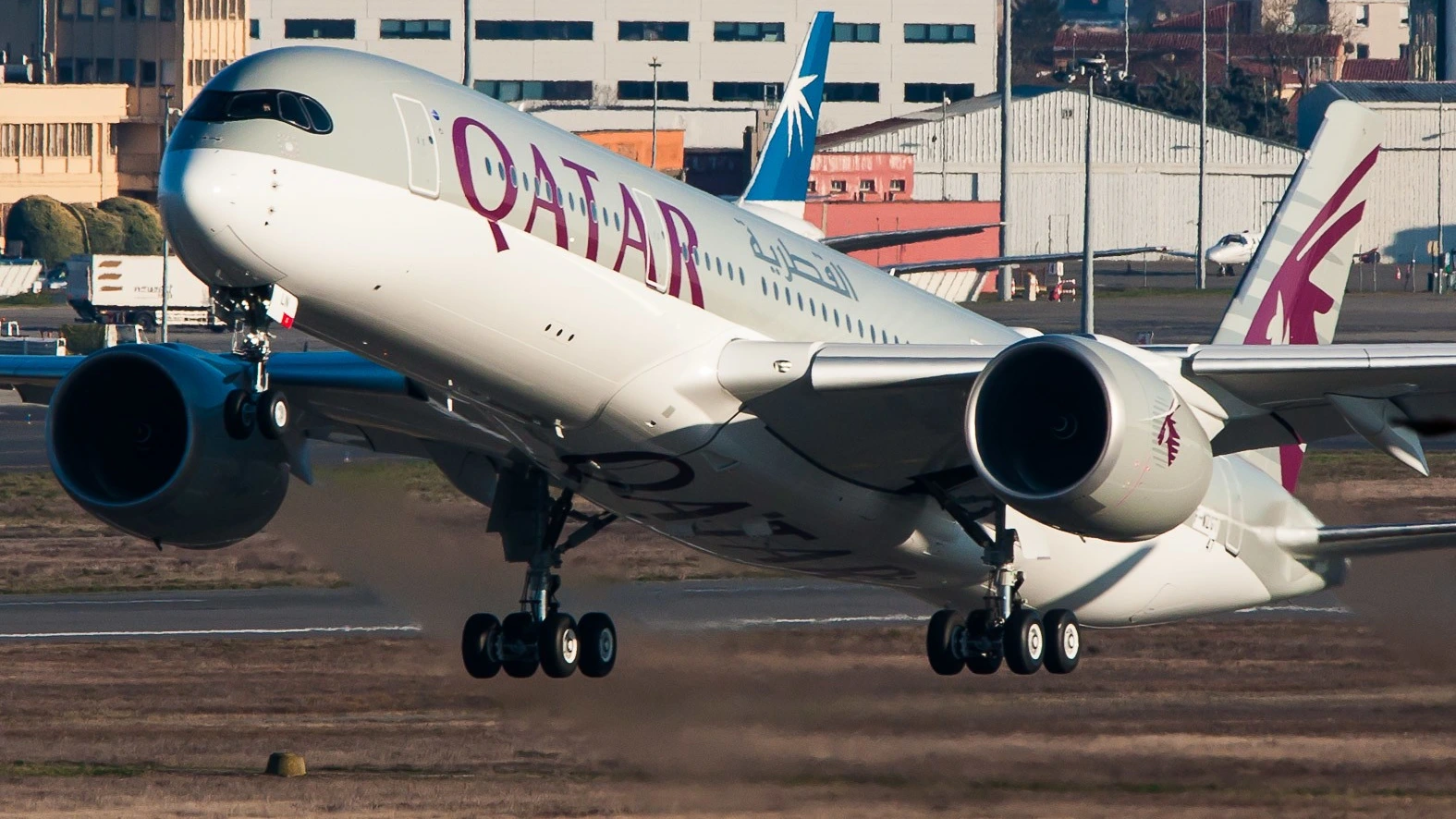
DOHA- European aviation unions are pushing the European Union (EU) to suspend its air transport agreement with Qatar after ethics violations surfaced involving a senior negotiator.
The controversy centers on claims that free business class flights were accepted while negotiations granting Qatar broader EU market access were underway.
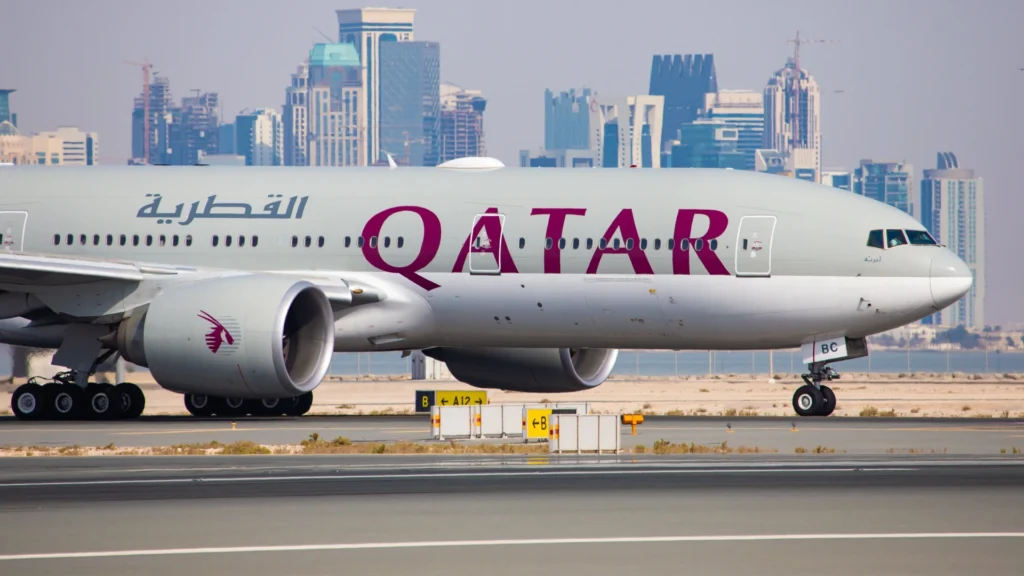
EU-Qatar Aviation Pact Under Scrutiny
The EU and Qatar finalized a Comprehensive Air Transport Agreement in 2019, making Qatar the first country to secure a region-wide aviation deal with the bloc. The agreement allows airlines from both sides to operate freely across markets, subject only to airport slot availability.
However, the deal is widely viewed as benefiting Qatar Airways (QR) more than European carriers. Qatar Airways gained open access to all 27 EU member states, while European airlines have limited incentive to expand operations to Doha due to smaller passenger demand compared to Europe-bound traffic.
According to PYOK, growing concerns now center on whether negotiations were conducted fairly after revelations emerged about ethics breaches involving a senior EU official linked to the agreement.
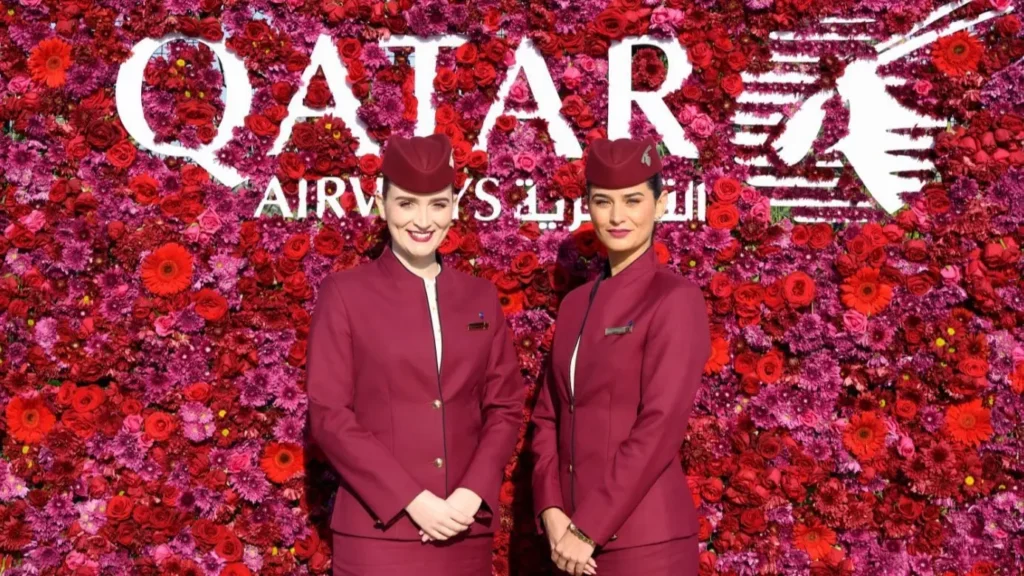
Ethics Investigation and Official Departure
European Commission Vice President Henna Virkkunen confirmed that a senior official left his post after violating ethics rules. Sources identified the official as Henrik Hololei, who served as Director-General of the Commission’s transport department during negotiations.
The European Anti-Fraud Office launched an investigation in 2023 after allegations surfaced that business-class flights and hotel stays funded by third parties were accepted while talks with Qatar were ongoing.
Unions argue that unrestricted access to EU markets cannot result from negotiations influenced by possible conflicts of interest, and they demand suspension until investigations conclude.
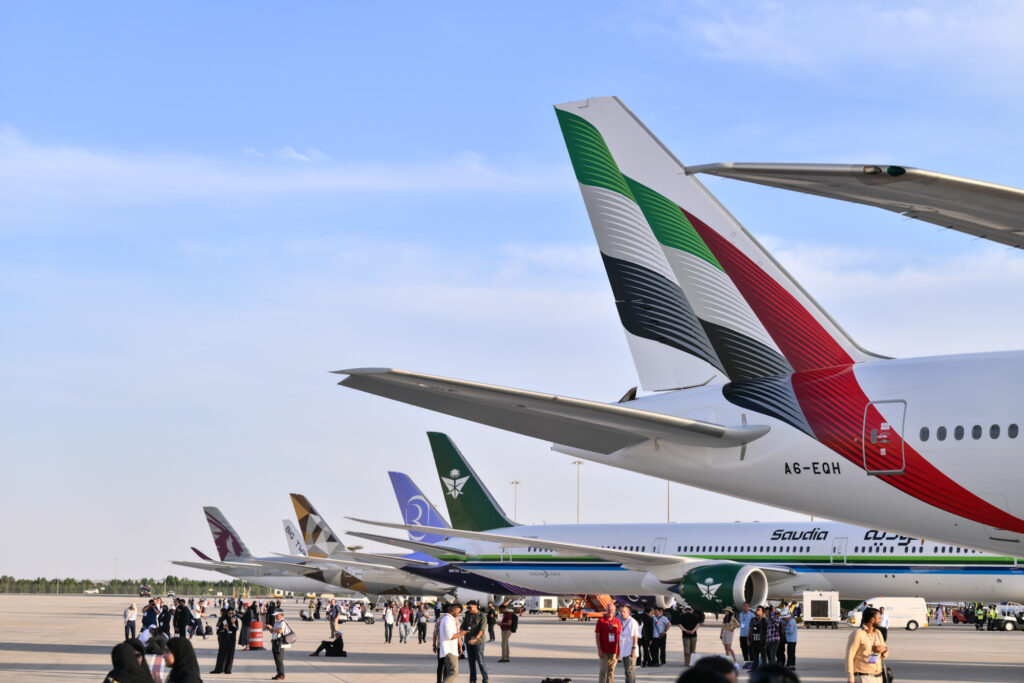
Market Access Gap Between Airlines
The agreement sharply contrasts with bilateral deals that still limit other Middle Eastern carriers in Europe. Emirates Airline (EK), for example, remains restricted to serving only four German cities due to older country-specific agreements.
Qatar Airways faces no such restrictions because the EU-wide pact overrides national limitations. As a result, it already operates flights to Berlin alongside Frankfurt, Munich, Düsseldorf, and Hamburg.
This difference has raised concerns among European airlines and aviation workers who believe the agreement creates an uneven competitive environment.
Industry and Labor Groups Raise Concerns
The European Cockpit Association and several aviation unions argue that the deal threatens fair competition and employment stability in Europe’s aviation sector.
They also link the issue to wider scrutiny of EU-Qatar relations following corruption investigations in the European Parliament in 2022, widely referred to as Qatargate.
The air services agreement currently remains provisionally applied, but unions are urging EU member states to withdraw support until transparency concerns are resolved.

What Happens Next
The European Commission has not indicated whether the agreement will be formally reviewed. However, pressure continues to grow from labor groups and airline stakeholders demanding suspension pending investigation outcomes.
The future of EU-Qatar aviation cooperation now depends on regulatory and political decisions across member states, alongside findings from ongoing investigations.
Stay tuned with us. Further, follow us on social media for the latest updates.
Join us on Telegram Group for the Latest Aviation Updates. Subsequently, follow us on Google News
