

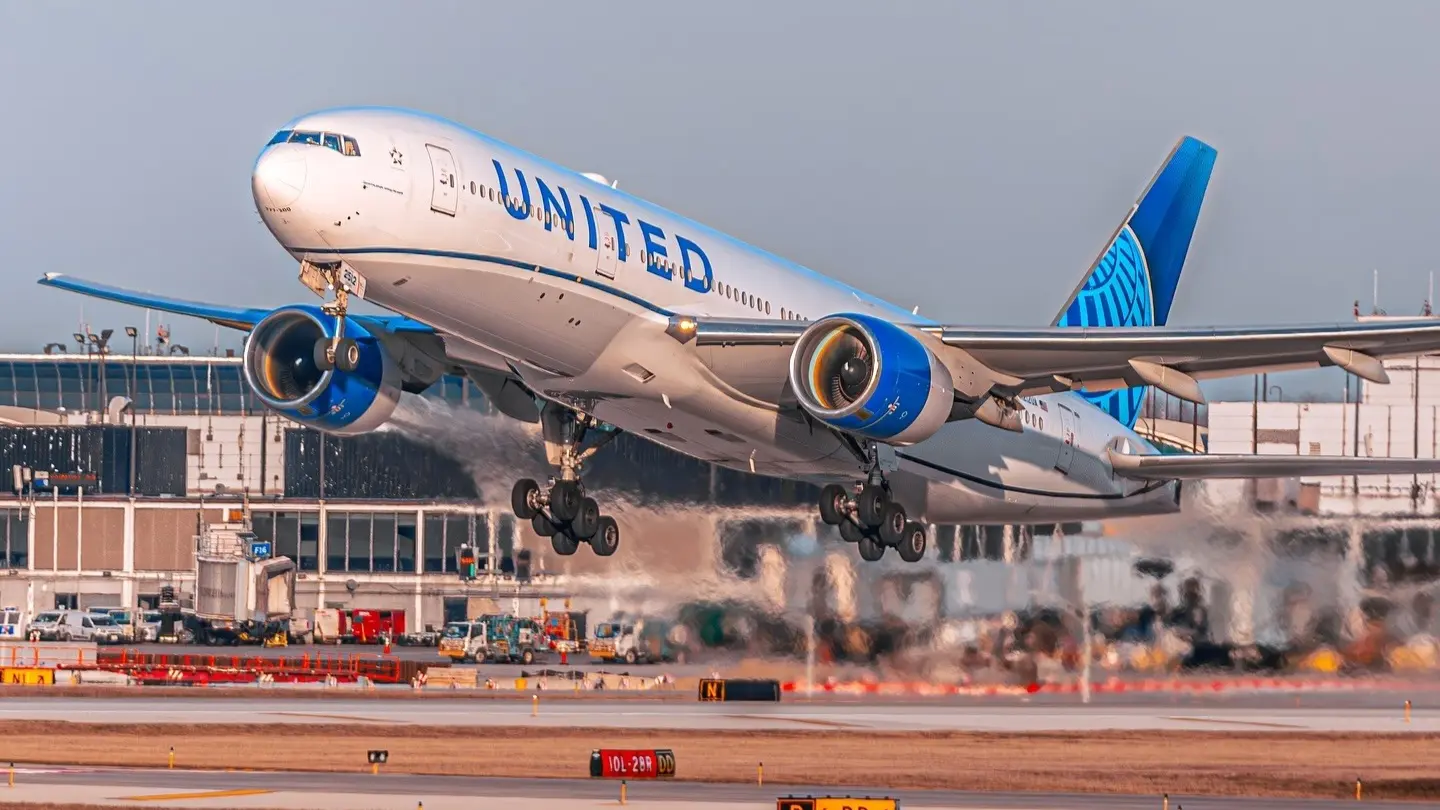
CHICAGO- A National Transportation Safety Board (NTSB) investigation found that three United Airlines (UA) flight attendants suffered serious injuries after unexpected turbulence struck during descent into Newark in February 2024.
The report concluded that air traffic control failed to pass along a recent turbulence report, limiting the crew’s ability to prepare the cabin before the aircraft encountered severe vertical movement.
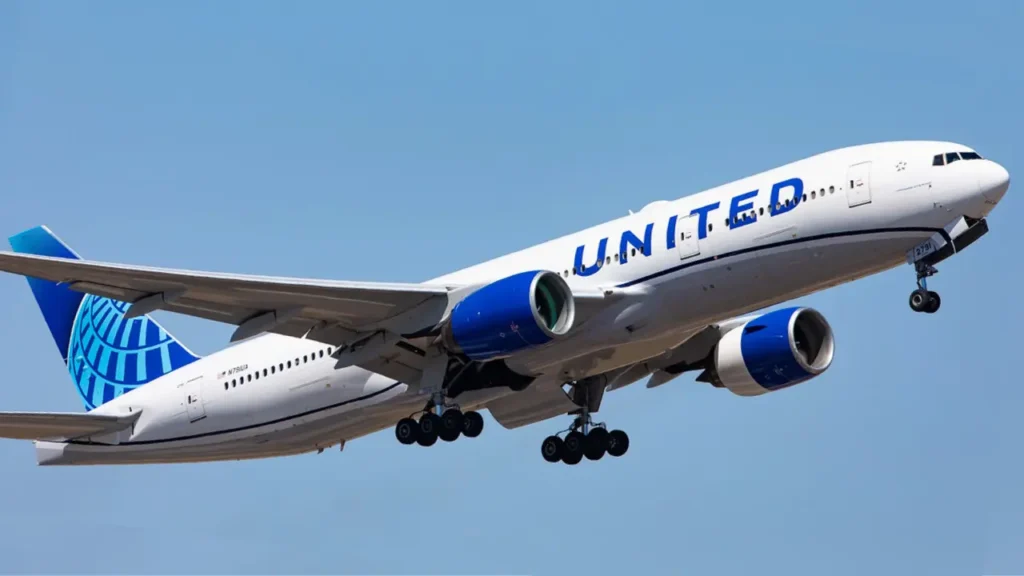
United Airlines Attendants Injured Over Failure: NTSB
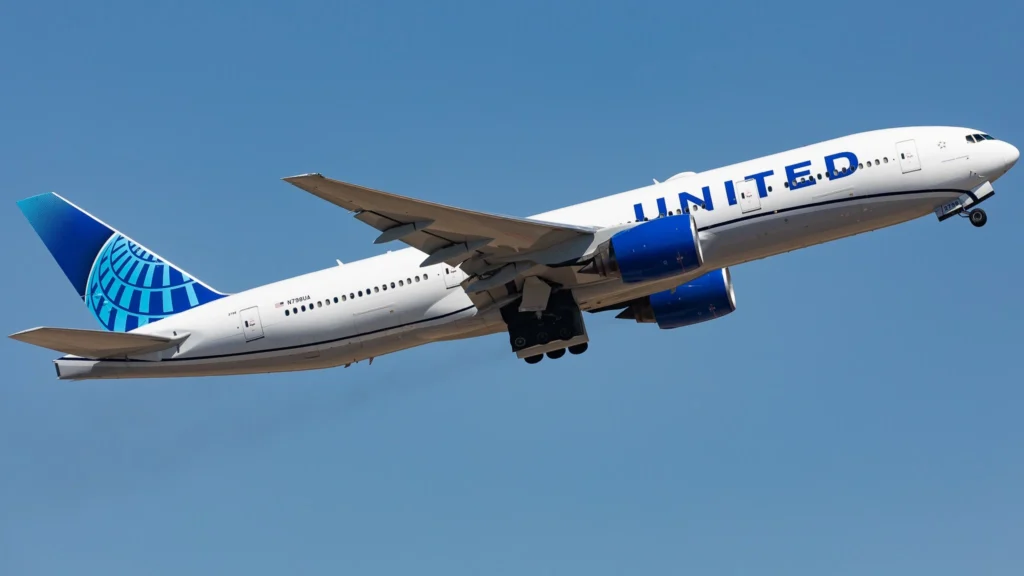
United flight UA1890 was nearing the end of a routine transcontinental flight from Los Angeles to Newark on February 10, 2024. The Boeing 777-200 was descending through about 21,000 feet while cabin crew conducted standard landing checks after the seatbelt sign was switched on.
The aircraft suddenly encountered a pocket of turbulence lasting several seconds. Flight data showed rapid vertical acceleration changes between negative and positive g-forces, causing violent cabin movement.
Three flight attendants and multiple passengers were thrown upward. One crew member briefly lost consciousness after hitting the ceiling, then landed on service equipment and suffered a shattered femur and spinal injuries. Another crew member suffered crushed vertebrae, while a third sustained serious head injuries.
Despite these injuries, the crew members returned to their jumpseats and secured their assigned doors before landing in Newark.
Cabin Impact and Passenger Injuries
Although passengers had been instructed to fasten seatbelts, one passenger seated in 8G was lifted from the seat and struck the cabin ceiling. Another passenger standing in the lavatory suffered neck and head injuries.
Investigators also confirmed that an infant was thrown upward during the event and struck the ceiling. The incident again raised concerns about infant safety rules on US flights.
The FAA currently bans infant extension seatbelts attached to adult seatbelts. Instead, parents are allowed to hold infants under two years old. Safety officials continue to recommend purchasing a separate seat and using approved child restraint systems.
ATC Missed Critical Turbulence Report
Flight planning tools available to the pilots showed no serious turbulence risk before departure. However, five minutes before the event, another aircraft reported moderate turbulence in the same area.
According to the NTSB, the air traffic controller handling the sector did not acknowledge or relay the turbulence report to other aircraft as required by FAA procedures. The controller later stated he did not hear the transmission.
The United crew also received a written ACARS cockpit message warning of turbulence, but investigators could not confirm whether pilots had time to read it before the encounter.
The NTSB concluded that the lack of communication reduced situational awareness and prevented adequate cabin preparation.
Infant Safety Rules Remain Under Scrutiny
The NTSB has repeatedly criticized current FAA policy allowing lap infants, stating it places young children at a lower safety standard than seated passengers wearing seatbelts.
Safety experts argue that severe turbulence events, though rare, can create dangerous conditions where holding an infant is not sufficient protection.
The investigation renews debate over whether mandatory child restraint systems should become standard practice.
Operational Lessons for Airlines and Regulators
The incident highlights the importance of rapid turbulence reporting and effective information sharing between pilots and air traffic controllers. Even short delays in communication can leave crews with little time to secure cabins.
Airlines continue investing in turbulence forecasting tools, but investigators stress that human communication remains critical in ensuring flight safety.
Stay tuned with us. Further, follow us on social media for the latest updates.
Join us on Telegram Group for the Latest Aviation Updates. Subsequently, follow us on Google News
