

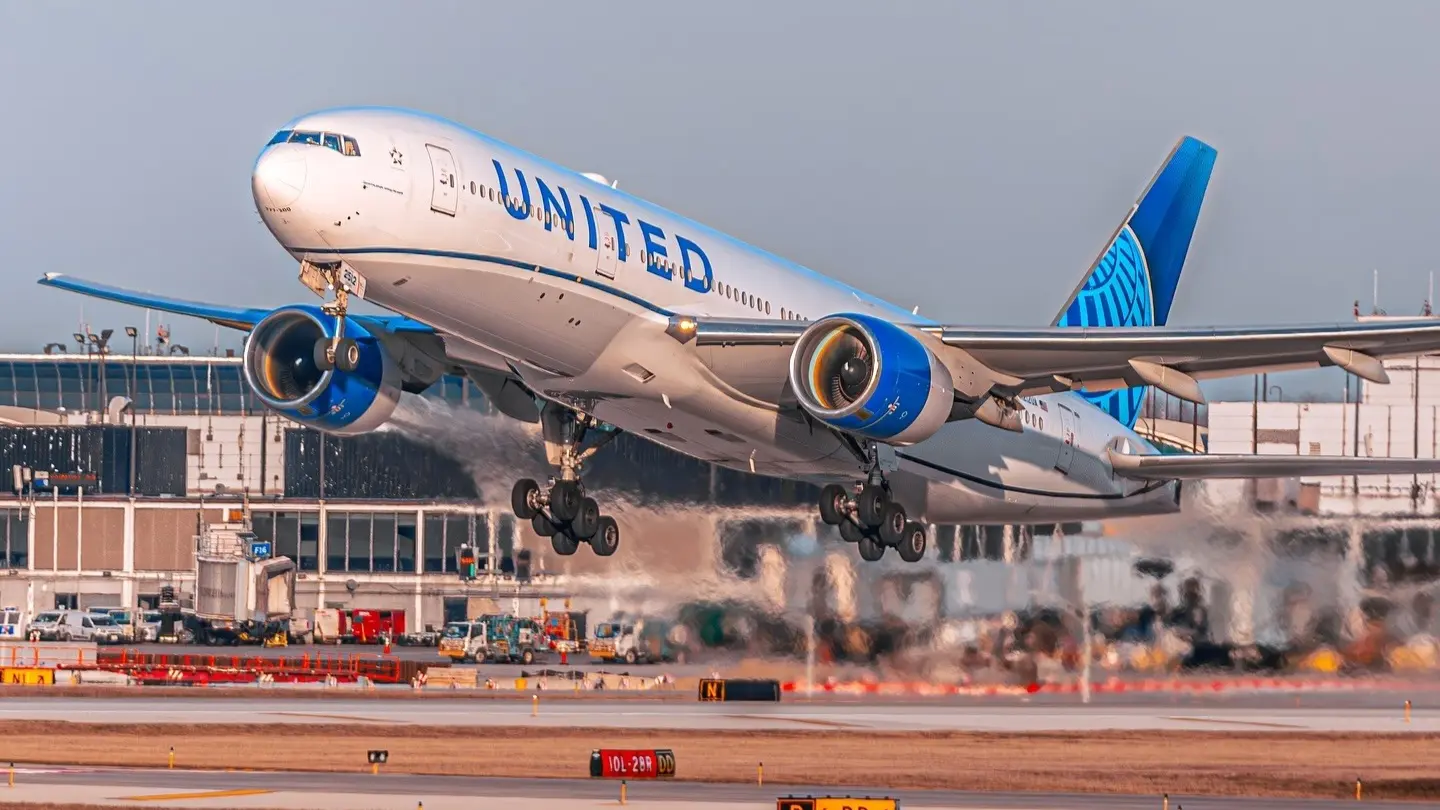
SAN FRANCISCO— A late-night controller error at San Francisco International led two United Airlines (UA) flights to begin takeoff almost simultaneously on parallel runways, creating a temporary loss of standard departure spacing.
The incident involved operations at San Francisco International Airport (SFO), where one aircraft was still taxiing into position when another received takeoff clearance on a parallel runway, resulting in overlapping departures.
SFO ATC Clears Two United Planes at the Same Time
Shortly after midnight on January 24, 2026, two United flights prepared for departure from SFO on parallel runways.
The flights involved were:
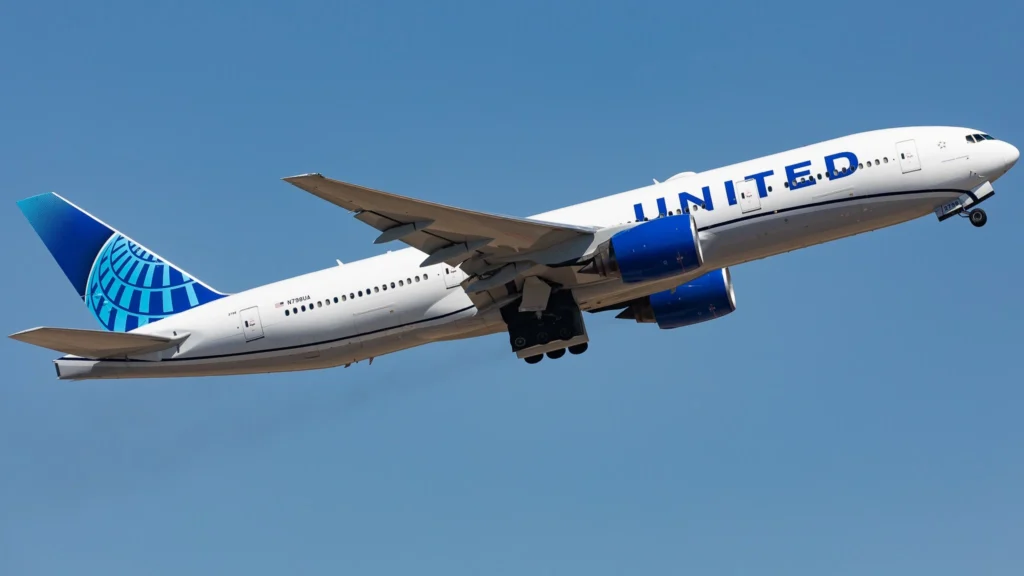
• United flight UA2621, operated by a Boeing 777-200ER, scheduled to Houston (IAH)
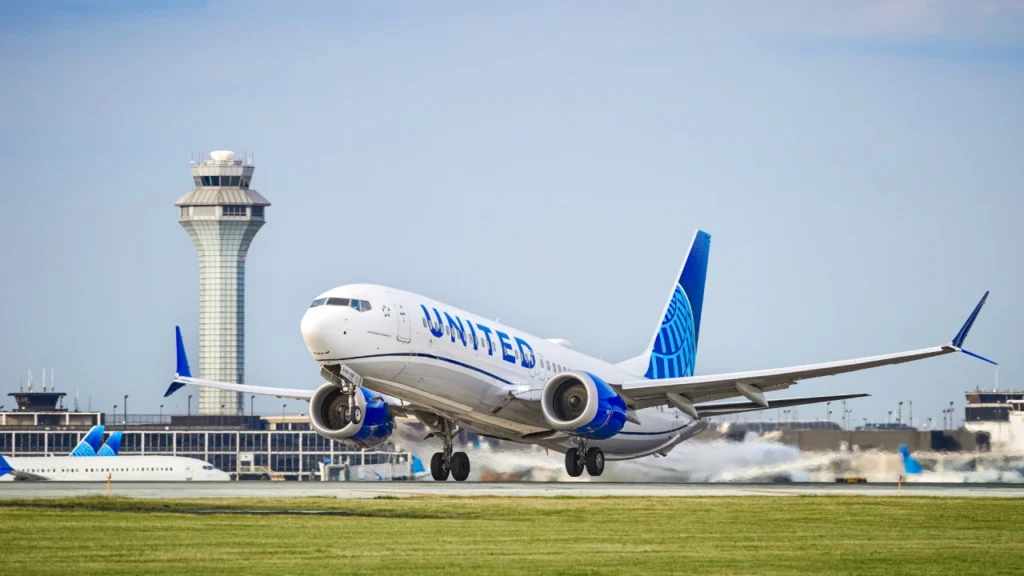
• United flight UA2312, operated by a Boeing 737 MAX, scheduled to San Jose, Costa Rica (SJO)
UA2621 received clearance to depart from Runway 1R. However, due to taxiway geometry, the widebody aircraft required additional time to enter the runway and begin its takeoff roll.
Moments later, UA2312 was instructed to line up and wait on Runway 1L, which runs parallel to 1R. Roughly 30 seconds afterward, the controller cleared that aircraft for takeoff as well.
Because the 777 was still moving into position, both aircraft ended up starting their takeoff rolls nearly at the same time, creating reduced spacing between departures with identical routing instructions.
Controller Response and Immediate Separation Measures
Once both aircraft became airborne, the controller quickly realized that the departure spacing was insufficient. He issued new vectors to ensure safe separation between the two aircraft.
However, the situation drew attention when the controller later expressed confusion over how both flights received takeoff clearance, despite having issued those clearances himself.
After switching to departure control, one of the pilots sought clarification regarding the unexpected heading assignment instead of the planned SSTIK departure route. Departure control confirmed that spacing concerns required immediate routing adjustments.
According to OMAAT, cockpit communication suggested that pilots noticed urgency in the controller’s instructions but continued operations calmly and professionally.
Why the Situation Developed
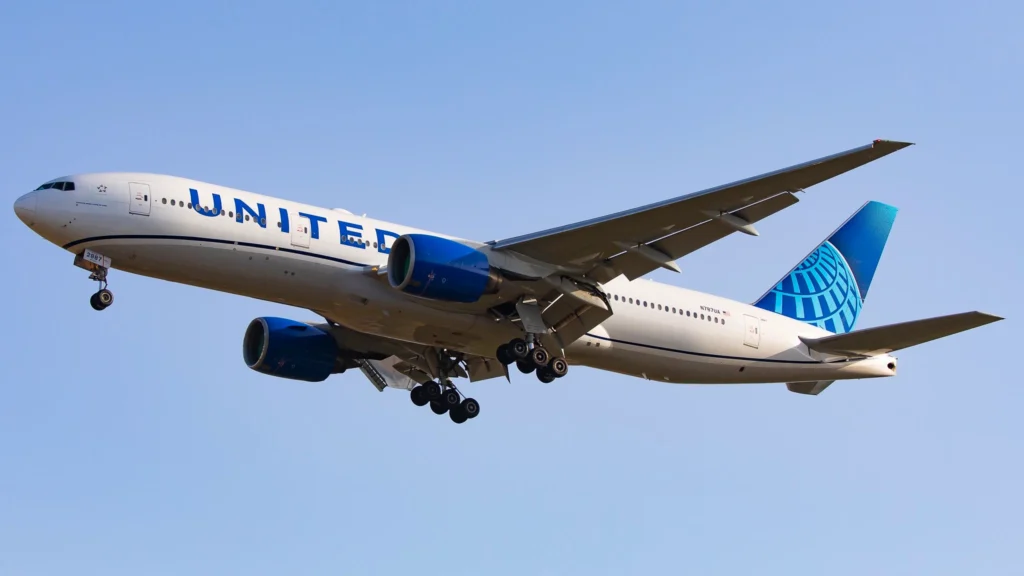
Parallel runway operations depend on precise timing and tracking of aircraft movement. In this case, the controller appears to have underestimated how long the Boeing 777 would take to line up on Runway 1R.
Meanwhile, the Boeing 737 was already in position on Runway 1L, allowing it to begin takeoff almost immediately after receiving clearance.
The result was two aircraft departing almost together with identical routing, requiring quick corrective action after liftoff.
Human Factors in Air Traffic Control
Air traffic control operations still rely heavily on human judgment and coordination. Controllers must constantly track aircraft positions, taxi speeds, and runway occupancy while managing multiple flights.
Midnight operations, reduced staffing, and fatigue can increase the chance of oversight. However, the key safety factor in this case was the rapid recognition of the developing conflict and swift corrective instructions.
Both flight crews and controllers handled the situation professionally once the issue became clear.
No collision risk ultimately materialized, and the required separation was quickly restored after departure. Flights continued safely to their destinations with minimal disruption.
The event stands out primarily because of the unusual sequence where simultaneous clearances were issued and later denied by the controller, rather than because of lasting operational danger.
Bottom Line
Two United flights at SFO began nearly simultaneous departures after a controller misjudged runway entry timing on a parallel runway operation.
Quick corrective action ensured safe separation, demonstrating both the importance and challenges of human-centered air traffic control.
Stay tuned with us. Further, follow us on social media for the latest updates.
Join us on Telegram Group for the Latest Aviation Updates. Subsequently, follow us on Google News
