

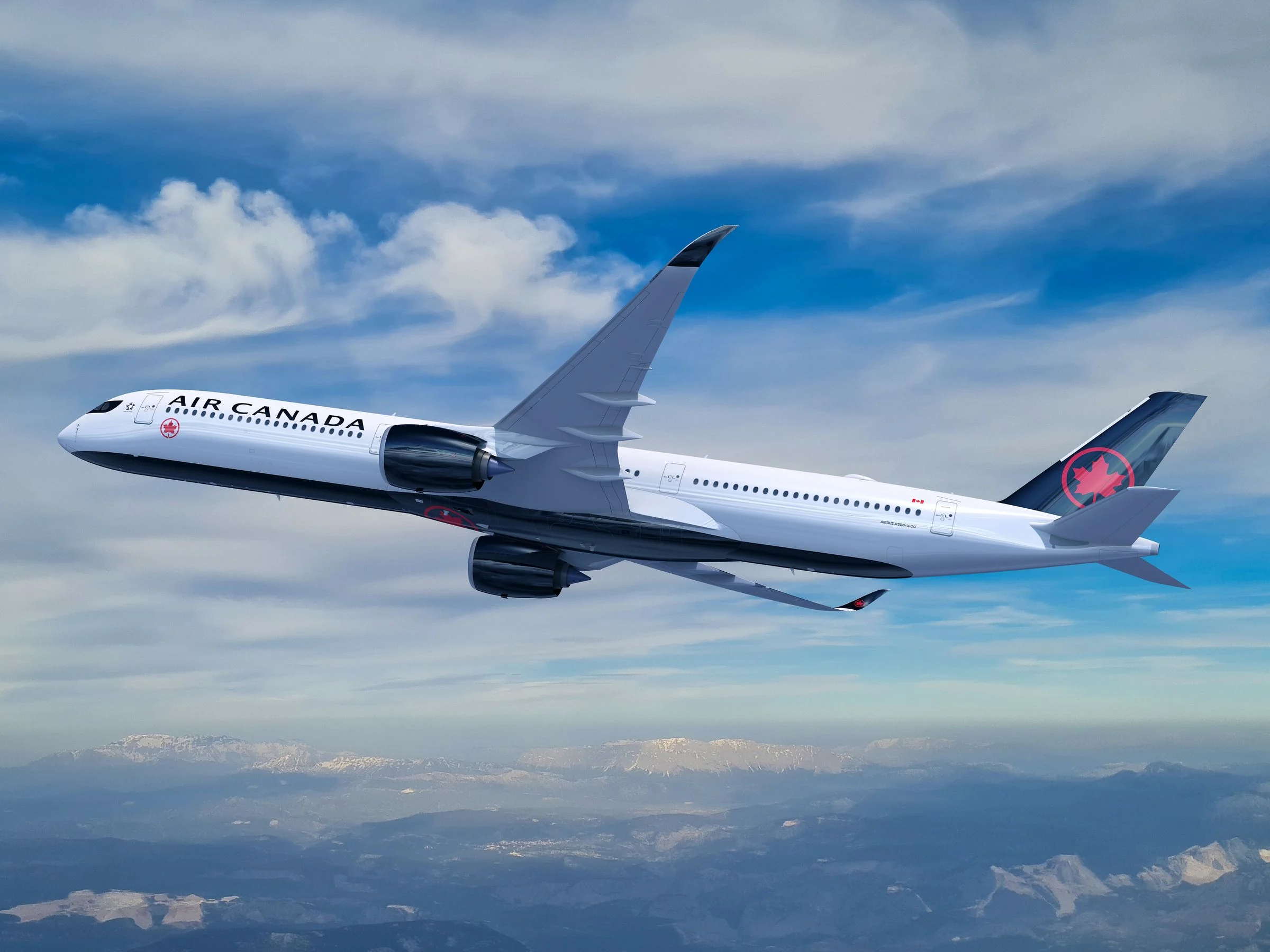
MONTREAL- Air Canada (AC) has placed a firm order for 8 Airbus A350-1000 aircraft, with rights to purchase eight more, marking a pivotal upgrade to its long-haul fleet strategy and additional commitment to Airbus widebody aircraft.
This order, listed as undisclosed in November 2025, unlocks a new generation of long-haul capabilities with first deliveries expected in the second half of 2030.
The A350-1000’s impressive range, enhanced payload, and proven economics provide significant competitive advantages through lower operating costs, enabling seamless non-stop connectivity from Canada to high-growth markets in the Indian subcontinent, Southeast Asia, and Australia.

Air Canada Orders 8 Airbus A350-1000
Air Canada advances its long-haul strategy with the Airbus A350-1000, which offers a potential range of approximately 9,000 nautical miles.
This enables efficient connections to distant markets and delivers a 25 percent reduction in fuel consumption and emissions compared to previous-generation competitor aircraft, as estimated by Airbus.
The aircraft integrates lightweight materials, state-of-the-art technologies, aerodynamics, and Rolls-Royce XWB97 engines for unmatched efficiency and comfort.
Executives note this acquisition complements the existing fleet by providing flexibility to support a growing, resilient, and diversified future network.
The decision reflects Air Canada’s ambition to set new standards in range, performance, and customer satisfaction.
Superior Passenger Comfort
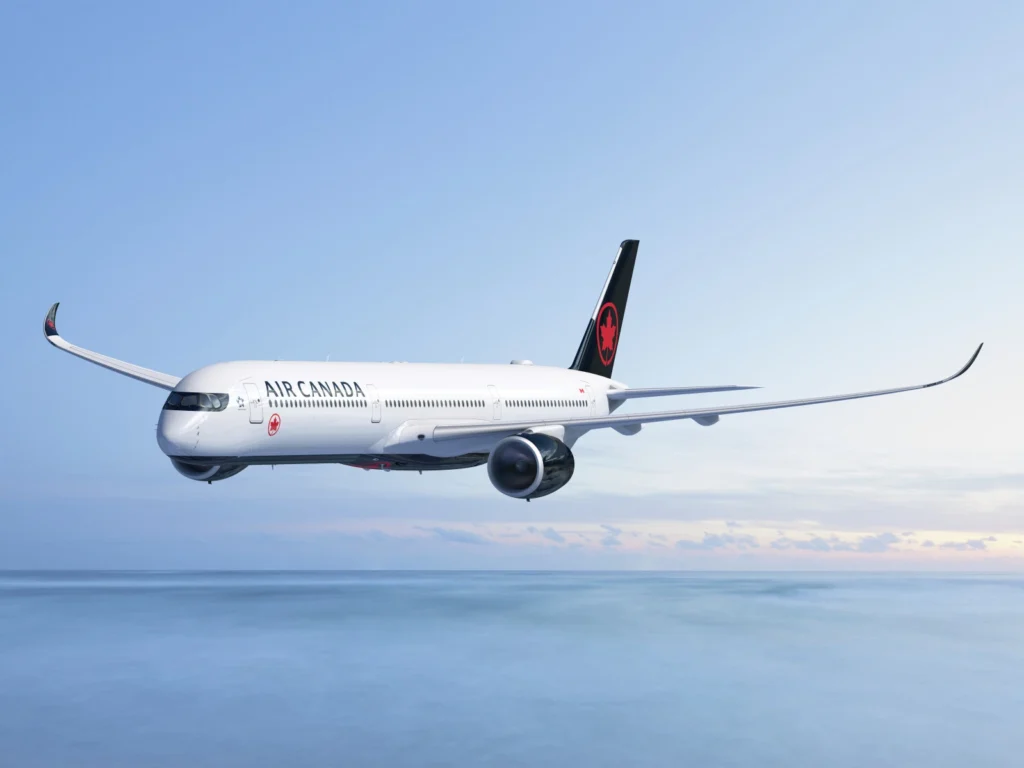
The A350-1000, designed for ultra-long-haul comfort, features the Airspace cabin as the next evolution of Air Canada’s award-winning passenger experience.
It pressurizes to only 6,000 feet, reducing stress on the body, minimizing jet lag, and delivering a noticeably more comfortable travel experience.
Travelers benefit from the lowest altitude and noise levels of any aircraft cabin, supporting wellbeing on the longest flights.
The quietest twin-aisle cabin available includes the latest generation in-flight entertainment screens, enhanced connectivity, and Air Canada’s new cabin standard being introduced later this year. These elements provide a better experience for customer comfort overall.
Leadership Perspectives
Mark Galardo, Executive Vice President and Chief Commercial Officer, and President of Cargo at Air Canada, states that the airline’s continued global ambitions are solidified through the selection of the Airbus A350-1000 as a natural next step in fleet evolution.
He adds that the aircraft brings state-of-the-art capabilities and improved efficiencies, unlocking new long-haul opportunities worldwide, and with the Maple Leaf adorning the tail, it plays a central role in defining Air Canada’s next era by connecting customers, hubs, and the country to the world.
John Di Bert, Executive Vice President and Chief Financial Officer at Air Canada, emphasizes that the addition serves as a forward-looking investment strengthening long-term cost efficiency, enhancing operational reliability, and ensuring competitiveness across the global network.
He notes that the aircraft deliver improved operating economics and meaningful fuel-burn improvements versus the aircraft they replace, supporting financial and environmental objectives, with this order aligning with capital allocation priorities and a target to maintain investments at or below 12 percent of revenues.
Benoit de Saint-Exupéry, Airbus EVP Sales of the Commercial Aircraft business, affirms that Air Canada’s choice to lead its long-haul fleet strategy with the A350-1000 stands as a strong testament to the most technologically advanced widebody on the market, focusing not only on fleet modernization but also on ambitions for superior range, performance, and customer satisfaction.
Environmental Advancements and Fleet Renewal
The A350-1000 already operates with up to 50 percent Sustainable Aviation Fuel, with Airbus targeting 100 percent capability by 2030.
This capability reduces emissions and aligns with Air Canada’s environmental goals. At the end of January 2026, the A350 family had secured over 1,500 orders from 67 customers worldwide, highlighting its market leadership.
This order for eight A350-1000s adds to 14 Boeing 787-10 Dreamliners expected to start entering service later this year.
Air Canada prepares to welcome the first of its 30 Airbus A321XLRs in the coming months. The airline continues deliveries of the Canadian-assembled Airbus A220, with 23 aircraft remaining on its firm order of 65.
Five Boeing 737 MAX aircraft on lease join service in 2026. All these aircraft enter with Air Canada’s next-generation cabin design and standard, including enhanced connectivity and in-flight entertainment offerings.
Stay tuned with us. Further, follow us on social media for the latest updates.
Join us on Telegram Group for the Latest Aviation Updates. Subsequently, follow us on Google News
