


MUMBAI— IndiGo (6E), Air India (AI), and SpiceJet (SG) have raised concerns over the Directorate General of Civil Aviation’s (DGCA) draft cabin crew rest norms, warning that the proposals could constrain operations and reduce scheduling flexibility across domestic and international networks.
The feedback was submitted through the Federation of Indian Airlines, which represents the three carriers, following the release of the draft Civil Aviation Requirements on Cabin Crew Flight Duty Time Limitations in October 2025. The airlines flagged potential implications for hubs such as Mumbai and Delhi, where high aircraft utilisation and tight turnarounds are common.
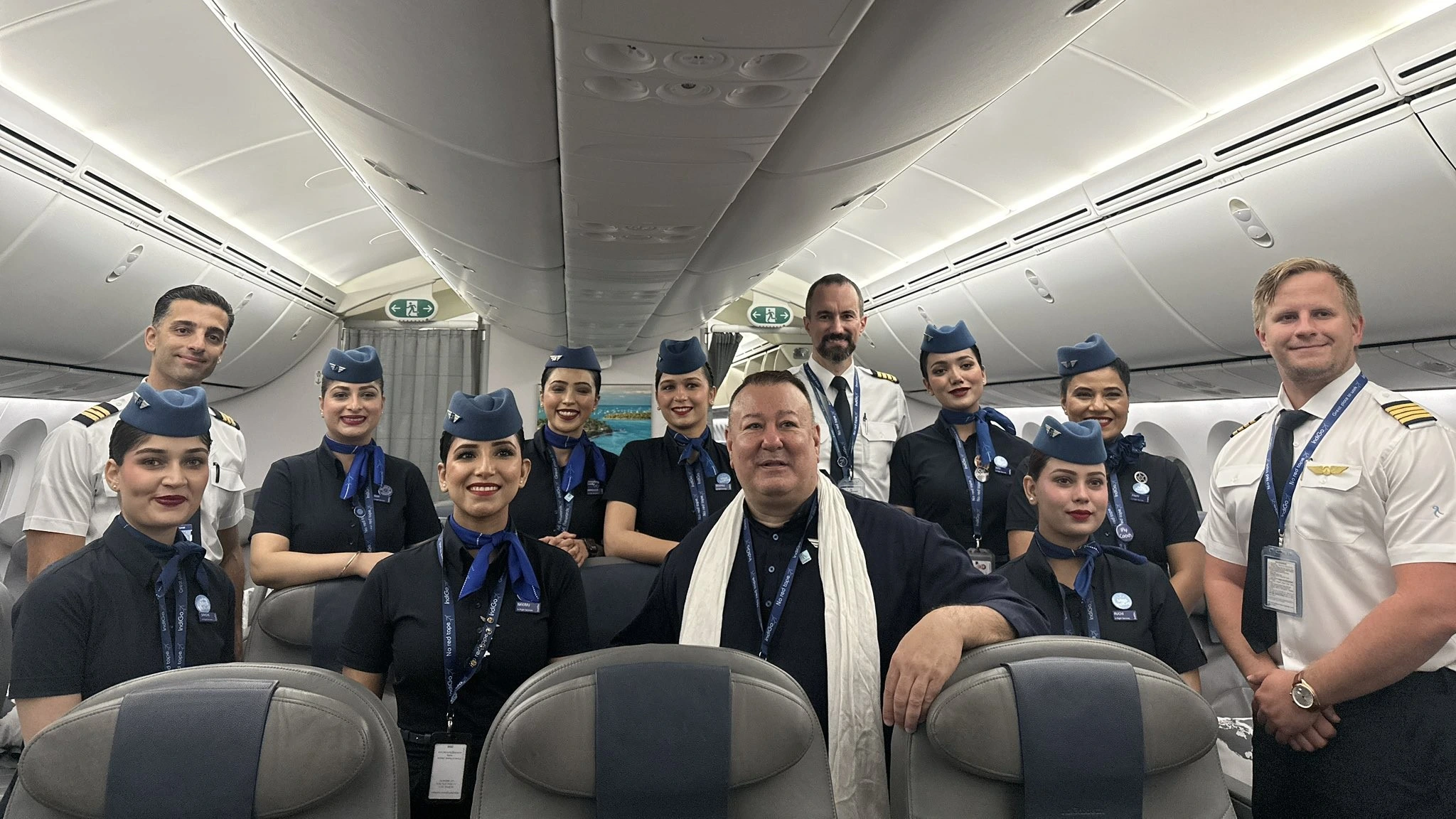
Indian Airlines Concerned With DGCA Draft Norms
The draft Civil Aviation Requirements (CAR) seeks to overhaul cabin crew flight duty and rest provisions with the aim of improving fatigue management and safety oversight.
However, the Federation of Indian Airlines (FIA) said the framework appears more restrictive than prevailing global standards, particularly when applied across diverse operational profiles, reported The Siasat Times.
According to the grouping, the proposals do not sufficiently account for differences between short-haul, long-haul, and mixed-fleet operations.
The airlines cautioned that a uniform application could lead to inefficiencies without necessarily delivering proportional safety benefits.

FIA Cabin Crew Rest Recommendations
A central recommendation from the FIA is that flight duty period, rather than pure flight time, should remain the primary metric for managing cabin crew fatigue.
The grouping argued that duty and rest limits should focus on clearly defined flight duty periods and minimum rest opportunities.
The airlines also opposed rigid cumulative caps and a direct linkage to the number of landings, stating that such measures could oversimplify fatigue risk. In its January 12 letter to the regulator, the FIA stressed the need for globally harmonised, evidence-based rules that remain operationally practical.
On accommodation standards, the airlines said rest quality should take precedence over prescriptive rooming requirements.
They proposed allowing twin-sharing arrangements under operator-defined guidelines, aligning with international practices where rest effectiveness depends on adequate opportunity and circadian alignment rather than physical location alone.

Operational Impact of FIA’s Concerns
The airlines warned that overly restrictive cabin crew norms could have knock-on effects on network reliability, crew rosters, and aircraft utilisation.
These concerns come as the industry is still grappling with the phased implementation of revised pilot flight duty time limitations, which have faced legal challenges and compliance hurdles.
Non-compliance with updated pilot norms was cited as one of the factors behind significant operational disruptions at IndiGo in early December 2025.
The carriers cautioned that introducing similarly rigid cabin crew rules without sufficient flexibility could amplify disruption risks during peak travel periods.
The FIA reiterated that it supports the DGCA’s safety objectives but urged the regulator to refine the draft CAR through deeper consultation. The grouping said a balanced approach would strengthen fatigue management while preserving the operational resilience needed in one of the world’s fastest-growing aviation markets.
Stay tuned with us. Further, follow us on social media for the latest updates.
Join us on Telegram Group for the Latest Aviation Updates. Subsequently, follow us on Google News
