

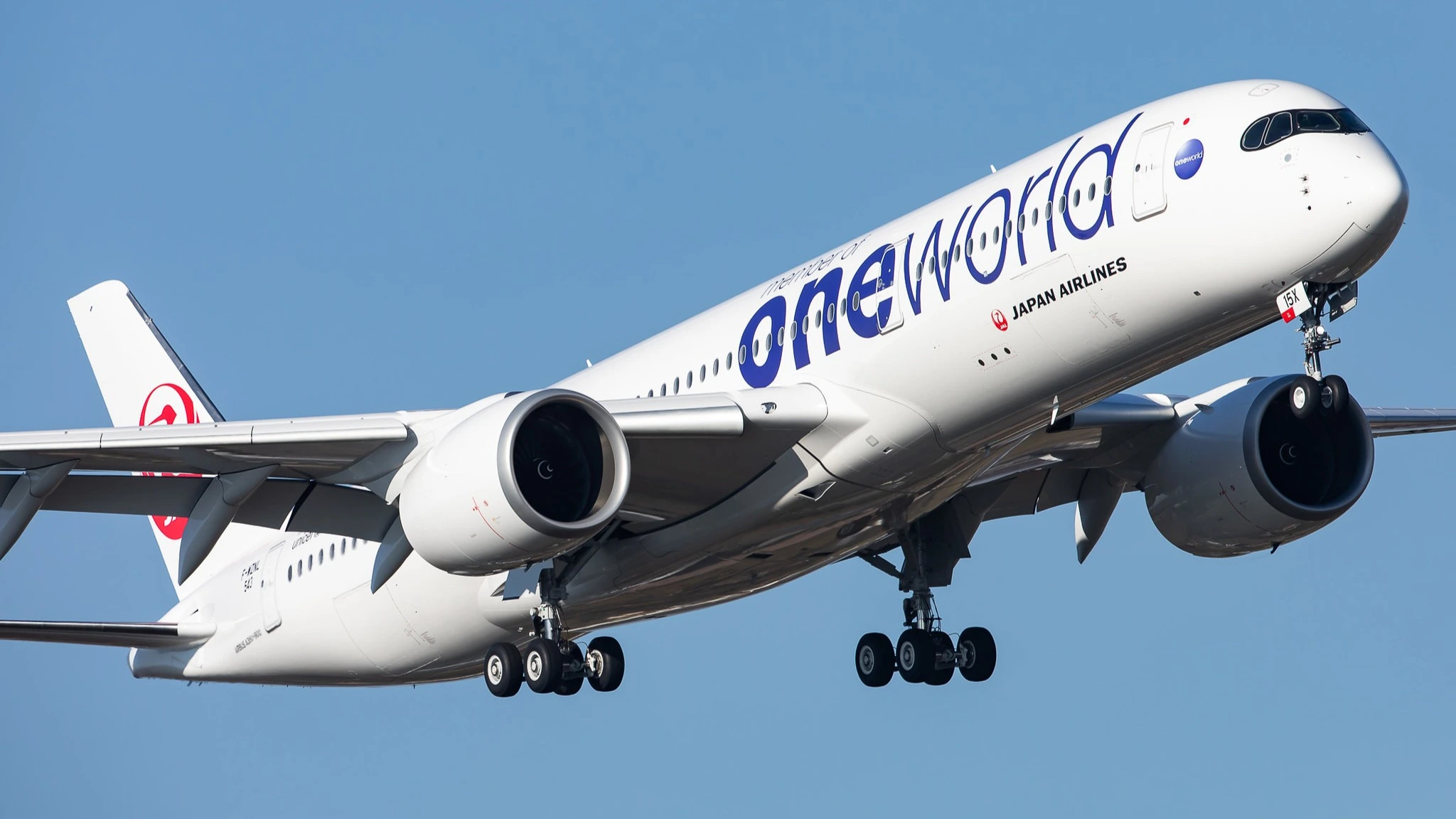
TOKYO- Japan Airlines (JL) has revised its international network for the Northern Summer 2026 season, adjusting frequencies and aircraft assignments across Asia, Europe, Oceania, and North America. The updated plan, effective from March 29, reflects demand-driven capacity changes and fleet optimization across major hubs, including Tokyo Haneda (HND) and Tokyo Narita (NRT).
The revised schedule also affects services from Osaka Kansai (KIX) and Nagoya Chubu (NGO), with several leisure and long-haul routes seeing temporary frequency increases or aircraft substitutions. The changes follow a detailed review of previously filed schedules and updated operational planning for peak summer travel.
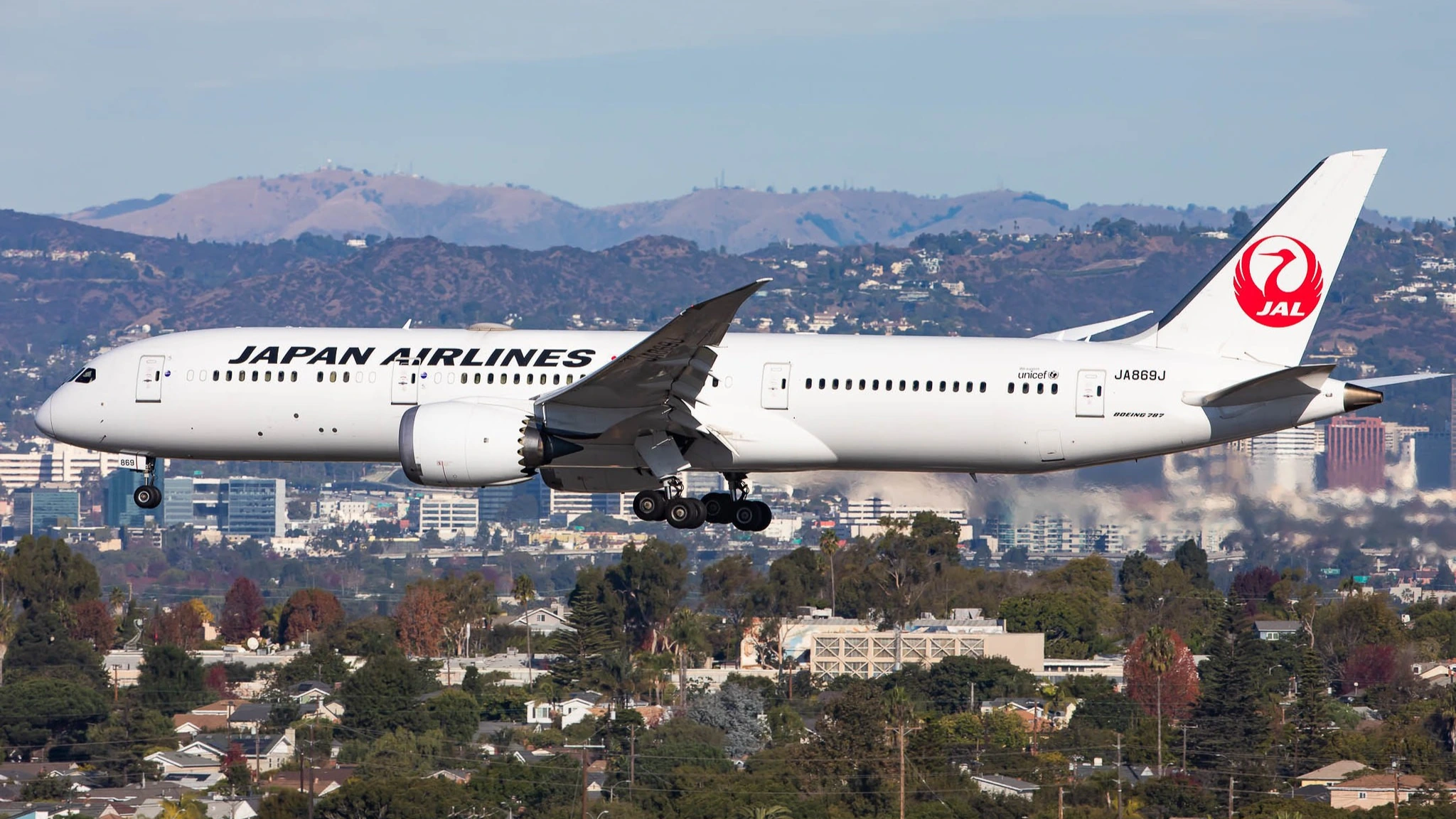
Japan Airlines’ Capacity Adjustments
According to AeroRoutes, Japan Airlines has increased capacity on several key leisure routes for the peak summer window.
Nagoya–Honolulu will rise from four to seven weekly flights between June 29 and September 2, operated by the Boeing 787-9, strengthening outbound leisure capacity from central Japan.
Osaka Kansai–Honolulu and Osaka Kansai–Los Angeles will also increase from five to seven weekly services during July and August, both using the 787-9. These adjustments align with strong seasonal demand for transpacific travel.
From Tokyo Haneda, Helsinki service will temporarily increase from five to seven weekly flights in June, operated by the Boeing 777-300ER.
Paris Charles de Gaulle will retain daily frequency, but aircraft will alternate between the Airbus A350-1000 and the 777-300ER instead of operating solely with the A350-1000.
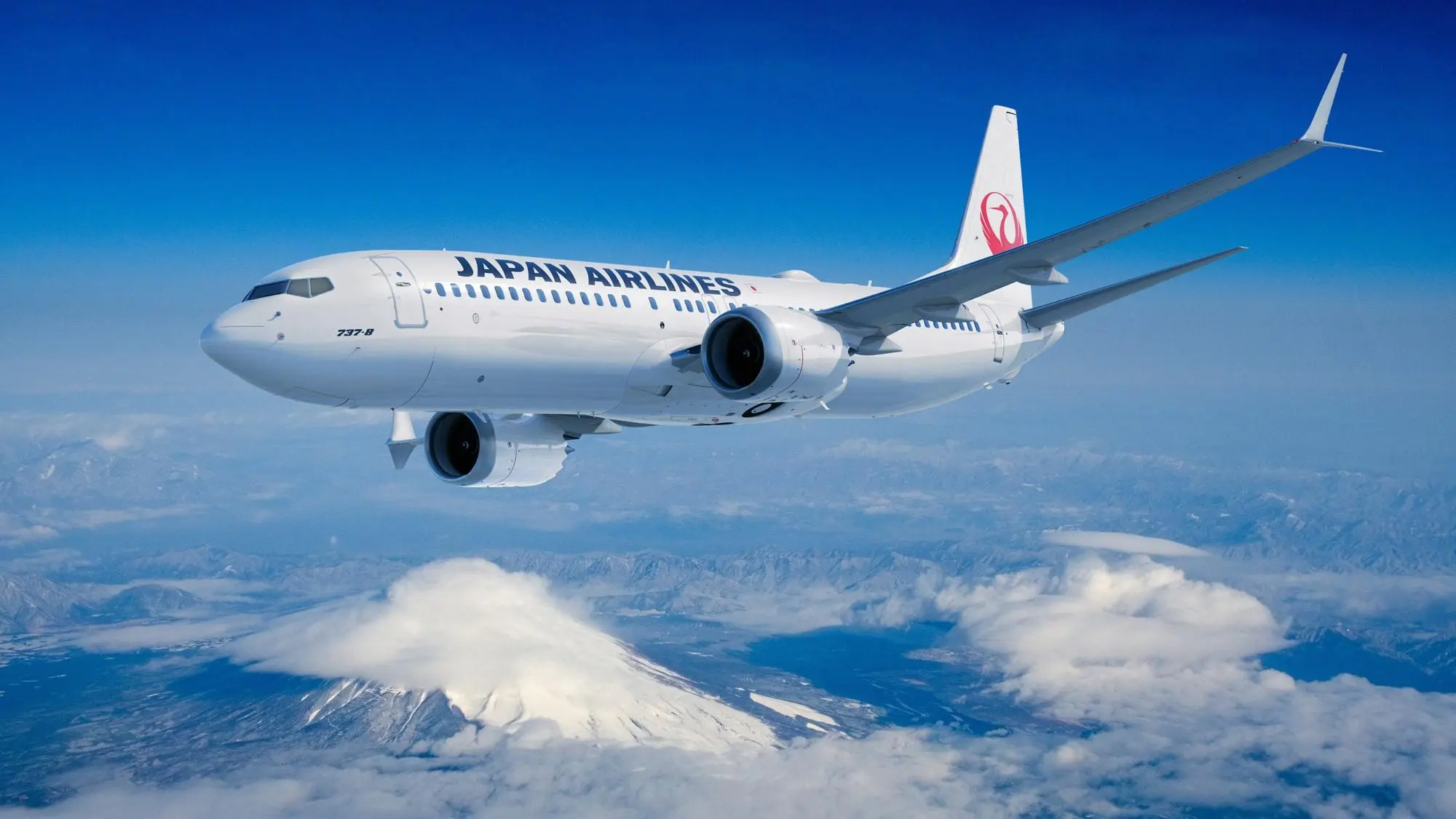
Japan Airlines’ Aircraft Changes
Multiple routes will see aircraft substitutions without changes to overall frequency.
Tokyo Haneda–Beijing Capital will deploy the 787-9 on select services from May to June, while other rotations retain narrowbody operations as previously scheduled.
Tokyo Haneda–Seoul Gimpo will undergo several phased aircraft changes across 2026, transitioning between the 787-8 and 787-9 on different flight pairs.
Tokyo Haneda–Shanghai Hongqiao will maintain 737-800 operations on one daily service, alongside a 767-300ER rotation.
On the long-haul front, Tokyo Narita–Chicago O’Hare will switch from the 777-300ER to the 787-8 from late March.
Tokyo Narita–Vancouver will upgrade to the 787-9 on most dates, while Tokyo Narita–Hanoi will retain daily 767-300ER service instead of the previously planned 787-8.
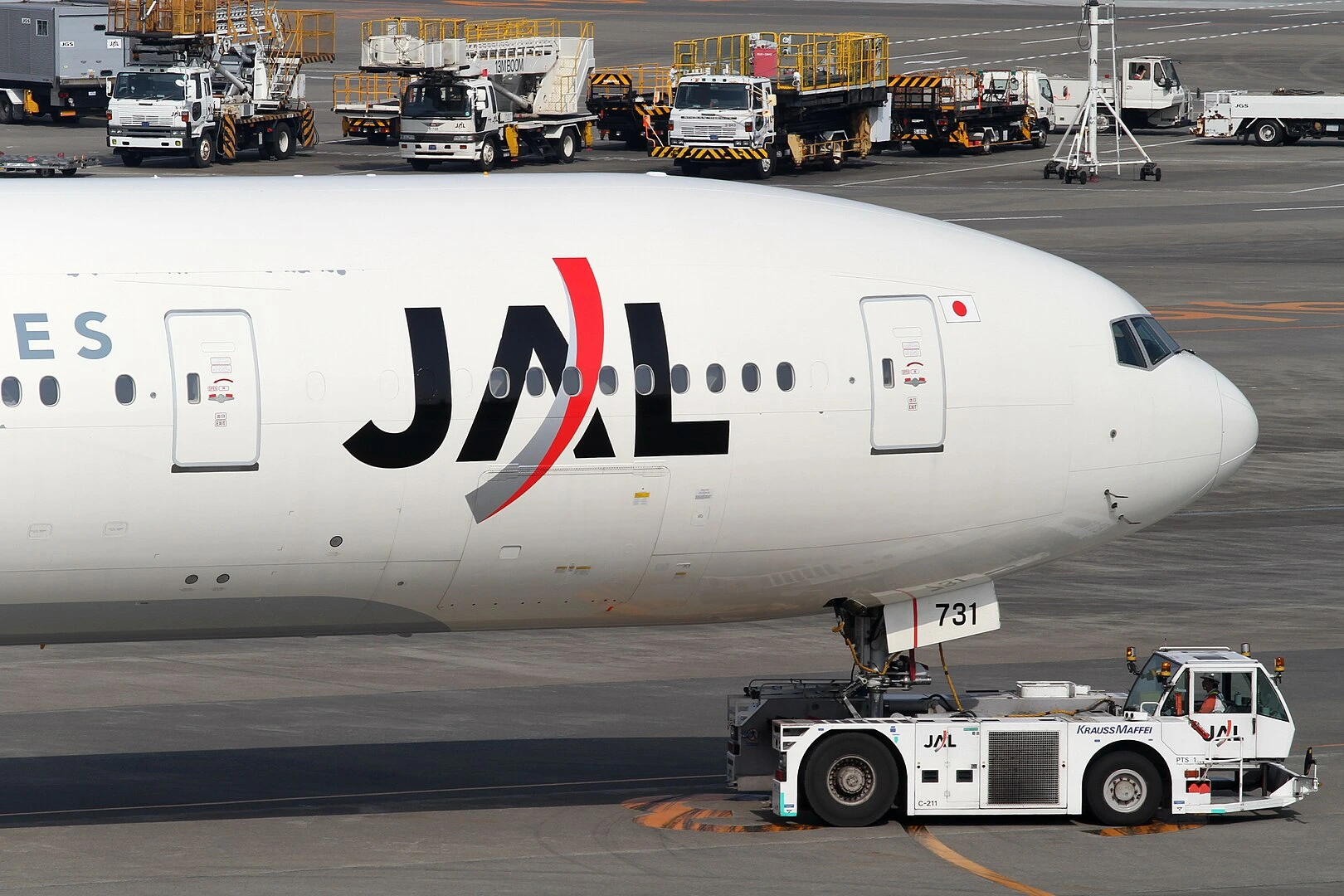
Japan Airlines’ Network Highlights
Several routes will see notable frequency changes later in the season. Tokyo Narita–Bangalore will increase from three to seven weekly flights from September 1, while Tokyo Narita–San Diego will rise from four to seven weekly services from the same date, both supporting expanding long-haul connectivity.
Tokyo Narita–Honolulu will temporarily increase to two daily flights between late April and early May, while Tokyo Narita–Melbourne will operate three weekly services instead of daily flights.
Tokyo Narita–Taipei Taoyuan will add a second daily frequency for the entire summer season, enhancing regional connectivity.
Overall, the NS26 schedule reflects a balanced approach, combining seasonal capacity growth with targeted aircraft deployment to match market demand.
Stay tuned with us. Further, follow us on social media for the latest updates.
Join us on Telegram Group for the Latest Aviation Updates. Subsequently, follow us on Google News
