

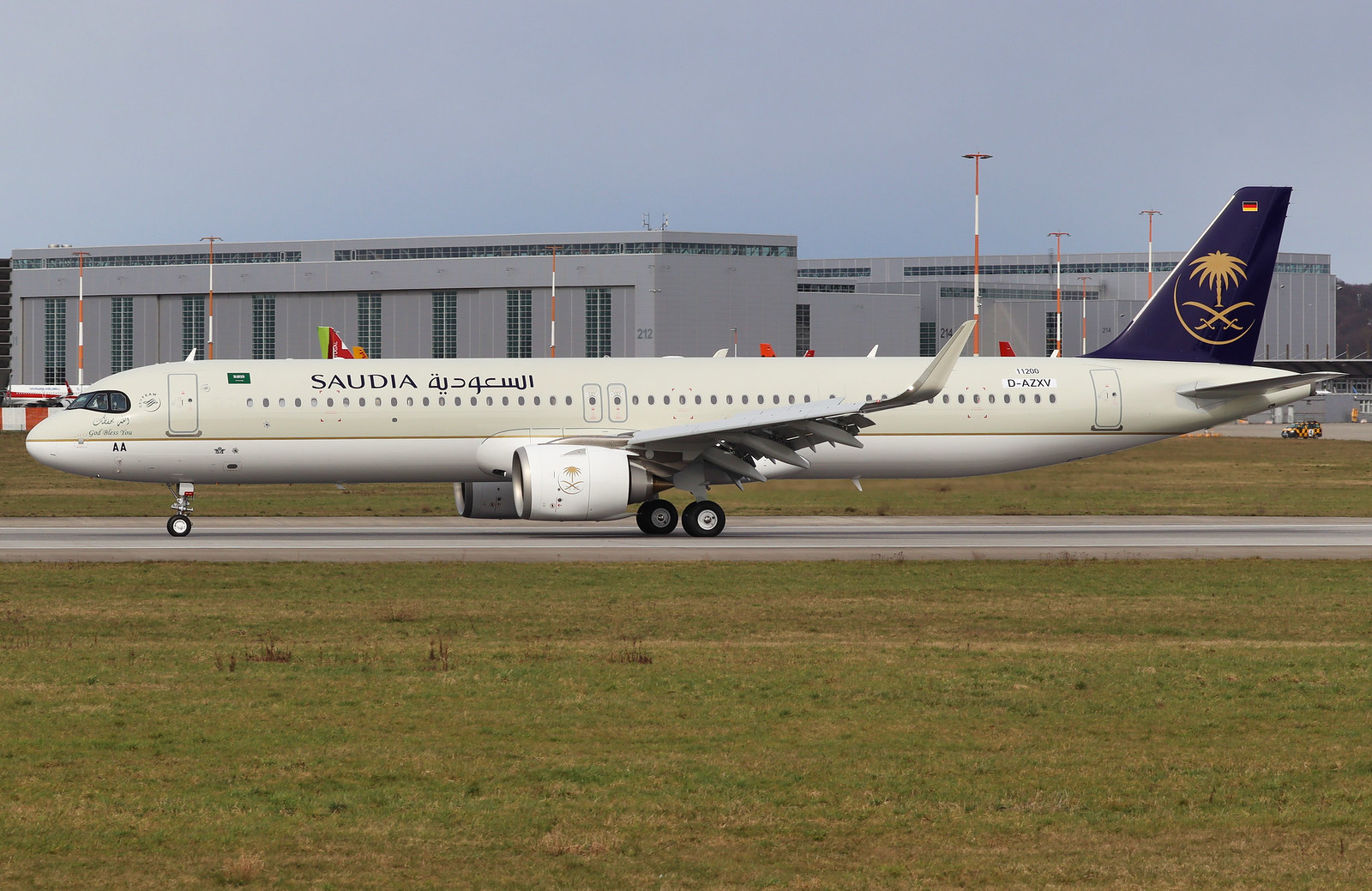
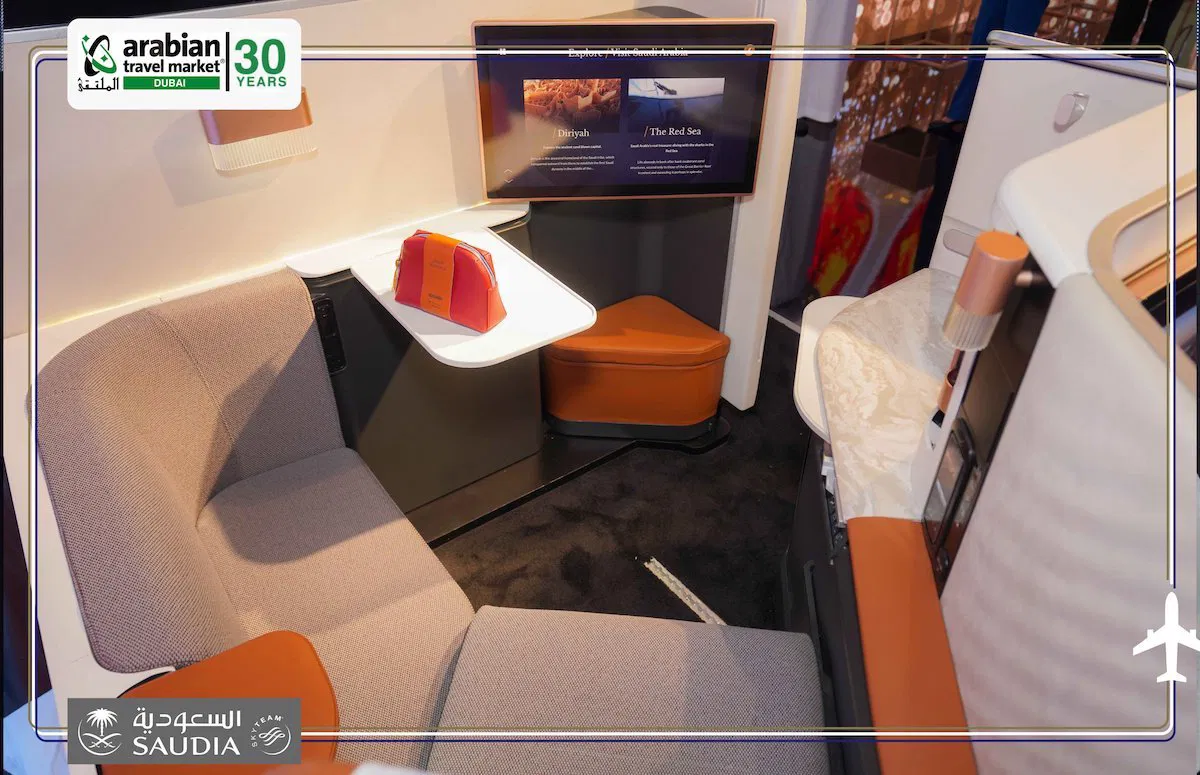
Saudia Airlines (SV) is preparing to introduce the Airbus A321XLR into scheduled service as part of its medium- to long-haul network expansion during the Northern Summer 2026 season. The aircraft, configured with 24 business class and 120 economy seats, allows the Saudi flag carrier to serve thinner long-haul markets efficiently while preserving premium capacity.
The revised deployment plan highlights Europe, leisure-focused destinations, and high-frequency domestic and regional sectors.
Ranked purely by planned weekly frequency, these ten routes reveal how Saudia intends to leverage the A321XLR’s range, economics, and flexibility to reshape parts of its international and domestic network, Aeroroutes reported.
10. Riyadh – Athens (1 weekly)
This seasonal Riyadh–Athens service is the lowest-frequency A321XLR route in Saudia’s initial deployment plan. Operating once weekly between early and late August 2026, the route is positioned squarely around peak summer leisure demand.
At roughly 2,250 km, the sector is short relative to the A321XLR’s capabilities, but it allows Saudia to serve a leisure-heavy European market without widebody deployment.
Competing carriers include Aegean Airlines using A320-family aircraft, while Gulf competitors route traffic via hubs using widebodies.
Athens remains a strong outbound leisure destination for Middle Eastern travelers, driven by historical tourism, island connectivity, and cruise traffic

9. Jeddah – Male (3 weekly)
The Jeddah–Male route connects Saudi Arabia’s western gateway with one of the world’s most premium leisure destinations.
At approximately 3,800 km, it sits comfortably within the A321XLR’s efficient operating range.
Competition is dominated by Emirates and Qatar Airways, which operate multiple daily widebody services into Male using Boeing 777s and Airbus A350s.
Saudia’s narrowbody approach lowers trip costs while still supporting premium leisure traffic.
The Maldives continues to attract Saudi travelers for resort tourism, honeymoons, and wellness-focused travel

8. Jeddah – Paris Charles de Gaulle (3 weekly)
Paris Charles de Gaulle becomes a notable addition to Saudia’s A321XLR map, marking one of the aircraft’s longest European sectors. The route spans approximately 4,800 km and is scheduled to operate three times weekly from mid-June 2026.
The market is highly competitive, with Air France operating widebody aircraft and Gulf carriers offering multiple one-stop alternatives. Saudia’s narrowbody deployment allows capacity discipline while maintaining nonstop connectivity.
Paris remains one of Europe’s strongest inbound and outbound markets, combining leisure, business, and VFR traffic

7. Jeddah – Vienna (3 to 4 weekly)
Vienna is scheduled initially at three weekly flights, increasing to four weekly during the summer peak. The route length of approximately 4,300 km places it squarely in the A321XLR’s sweet spot.
Austrian Airlines and Turkish Airlines serve the market with narrowbody and medium widebody aircraft, while Gulf carriers offer one-stop alternatives.
Vienna’s cultural tourism appeal and Central European connectivity support steady demand
6. Riyadh – Geneva (3 to 4 weekly)
Riyadh–Geneva is planned at three weekly flights, rising to four weekly from early September 2026.
The route connects Saudi Arabia’s capital with one of Europe’s most premium and diplomacy-driven markets.
Geneva attracts business travelers, international organizations, and high-yield leisure traffic.
Competing services rely heavily on hub connections, giving Saudia a nonstop advantage

5. Jeddah – Geneva (4 to 7 weekly)
This route represents one of the most aggressive frequency increases in Saudia’s A321XLR plan. Initially launching at four weekly flights, the airline intends to ramp up to daily service.
The strong frequency reflects consistent demand from both business and leisure segments. Geneva’s role as a diplomatic and financial hub supports year-round traffic, justifying narrowbody long-haul deployment
4. Jeddah – Madrid (4 to 6 weekly)
Madrid is scheduled to increase from four to six weekly flights, reflecting rising demand between Saudi Arabia and Spain. At around 4,500 km, the route is ideal for the A321XLR.
Spain continues to see growing Middle Eastern tourism, while Madrid also functions as a gateway to Latin America, supporting connecting traffic flows

3. Riyadh – Moscow Sheremetyevo (5 weekly)
Riyadh–Moscow stands out as one of the highest-frequency international A321XLR routes in Saudia’s plan. Operating five weekly flights initially, the route later adjusts to four weekly.
The sector is driven by diplomatic, energy-sector, and VFR demand. Limited competition and geopolitical factors make capacity control critical, favoring narrowbody long-haul economics

2. Jeddah – Barcelona (from October 2026)
Although launching later than other routes, Jeddah–Barcelona ranks highly due to its strategic importance. Barcelona is a major leisure and cruise gateway, particularly attractive to Middle Eastern travelers.
The route complements Madrid while offering access to northeastern Spain and Mediterranean tourism markets

1. Jeddah – Riyadh (Various flights)
Despite being a domestic route, Jeddah–Riyadh ranks first due to sheer frequency. The deployment of the A321XLR on selected sectors highlights Saudia’s intent to standardize cabin products and maximize aircraft utilization.
The route is one of the busiest in the Middle East, driven by business, government, and connecting traffic.

Final Takeaway
Saudia’s A321XLR network reflects a deliberate shift toward right-sized long-haul capacity, targeting premium leisure, diplomacy-heavy, and high-frequency trunk routes.
Ranked by frequency, these ten routes demonstrate how the airline plans to balance economics, flexibility, and network reach as it enters the next phase of fleet modernization.
Stay tuned with us. Further, follow us on social media for the latest updates.
Join us on Telegram Group for the Latest Aviation Updates. Subsequently, follow us on Google News
